Hokkaido Seafood Season Calendar: What to Eat and When (2026)
A month-by-month Hokkaido seafood season calendar showing when king crab, uni, scallops, salmon, and squid peak, and where to eat them.
On this page
Last updated August 2026, this Hokkaido seafood season calendar shows which crab, uni, scallop, salmon, and squid peak each month, and where to find them. Hokkaido's three surrounding seas — the Sea of Japan, the Sea of Okhotsk, and the Pacific Ocean — each run on a different seafood clock. A dish at its peak in Hakodate might still be weeks away in Nemuro, so region matters as much as month.
The Hokkaido Seafood Season Calendar at a Glance
Hokkaido sits between three cold seas: the Sea of Japan, the Sea of Okhotsk, and the Pacific Ocean. The Oyashio Current feeds nutrient-rich water down from the north. That current is what makes Hokkaido's scallops, uni, and crab so distinct. Each coastline warms and cools on its own schedule, so the same species can peak in different months depending on the coast you're near. This Hokkaido seafood season calendar groups the year into four windows, so you can match a destination to a specific delicacy instead of guessing. For the wider regional food picture beyond seafood, see the 12 Best Hokkaido Foods You Must Try (2026).
Summer's 18°C (64°F) to 24°C (75°F) waters enable peak uni and squid harvests. Winter's -5°C to 2°C freezing by contrast concentrates flavors in crab and scallops while making fresh uni nearly impossible to find.
| Season | Months | Top Picks | Peak Region | Typical Air Temp |
|---|---|---|---|---|
| Winter | December-February | Red king crab, snow crab, scallops | Okhotsk coast, Kushiro | -5°C (23°F) to 2°C (36°F) |
| Spring | March-May | Early uni, herring, hairy crab | Southern coast; Okhotsk as ice melts | 3°C (37°F) to 12°C (54°F) |
| Summer | June-August | Peak uni, Hakodate squid, hanasaki crab | Shakotan Peninsula, Rishiri/Rebun, Hakodate, Nemuro | 18°C (64°F) to 24°C (75°F) |
| Autumn | September-November | Autumn salmon, ikura, Akkeshi oysters, sanma | Akkeshi, Sapporo-area markets | 5°C (41°F) to 15°C (59°F) |
Winter (December to February): Crab and Scallop Season
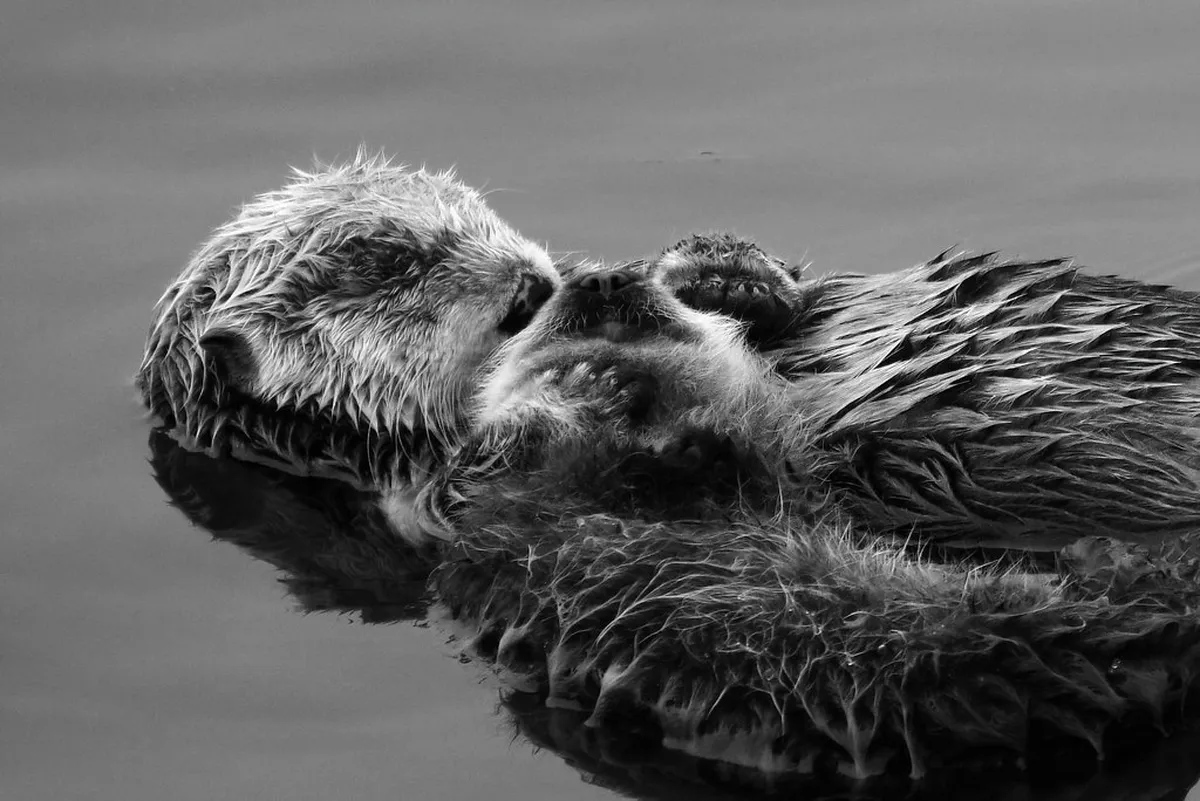
Winter is Hokkaido's headline seafood season. Red king crab (tarabagani) and snow crab (zuwaigani) both peak from November through February. Cold water firms up their meat and sharpens the flavor. Snow crab runs smaller and less expensive, so it shows up more often on everyday menus. Scallops (hotate) hit the same winter peak along the Okhotsk coast, where the coldest water produces the densest, sweetest meat of the year. Sapporo's crab hot-pot restaurants (kani nabe) run all winter, but coastal towns like Abashiri and Monbetsu serve crab straight off that morning's boats. Drift ice from the Sea of Okhotsk usually arrives by late January, cooling coastal water toward 0°C (32°F). It briefly pauses some boat landings, even as it helps produce some of the year's sweetest scallops. Once the sea freezes over, Hokkaido kitchens lean on more than crab and scallops; the Hokkaido winter cuisine guide covers those hot-pot and grilled dishes.
| Crab | Japanese Name | Peak Window | Typical Region | Character |
|---|---|---|---|---|
| King crab | Tarabagani | November-February | Okhotsk and eastern ports | Large legs, rich and sweet |
| Snow crab | Zuwaigani | November-February | Okhotsk and Pacific coast | Smaller, more affordable |
| Hairy crab | Kegani | March-May, as ice melts | Sea of Okhotsk | Compact body, dense, concentrated flavor |
Spring (March to May): Uni, Herring, and Hairy Crab
Spring shifts Hokkaido's seafood focus south and toward roe. Early sea urchin (uni) starts appearing on southern coast menus from April. The bigger uni season still builds through early summer, so spring uni is a preview, not the peak. Herring (nishin) carries real historical weight in Hokkaido, tied to the herring-boom fishing towns of the early 20th century. Its roe, kazunoko, remains a New Year and spring specialty across the island. Hairy crab (kegani) reaches its own peak in the Sea of Okhotsk as winter ice retreats, typically from March into May. It offers a denser, more concentrated flavor than king or snow crab. As coastal air climbs past 8°C (46°F) in April, market stalls along the southern coast begin restocking uni tanks for the season ahead.
Summer (June to August): Peak Uni and Hakodate Squid
Summer is peak uni season across Hokkaido's western and northern coasts. Shakotan Peninsula and the islands of Rishiri and Rebun carry the strongest reputation for quality uni. June through August is when both harvest volume and quality run highest there. Two uni names show up on menus. Kita-murasaki uni tends to run lighter in color and milder in flavor. Bafun uni, sometimes labeled ezo-bafun, is deeper orange and richer, and the two are typically priced and served differently. Hakodate's summer squid (ika) anchors its own market culture. At the Hakodate Morning Market (Hakodate Asaichi), squid pulled that same morning gets sliced so fresh it still looks faintly translucent on the plate. Nemuro's hanasaki crab is a summer-only specialty that most visitor guides skip entirely, even though it draws a steady stream of domestic travelers who plan trips specifically around it.
Autumn (September to November): Salmon, Akkeshi Oysters, and Sanma
Autumn salmon runs define this season. Chum salmon push back into Hokkaido's rivers to spawn from September into November. This is also when salmon roe (ikura) is freshest, and ikura-don bowls built around that morning's roe appear on coastal breakfast menus. Akkeshi's oysters take on extra creaminess as coastal water cools toward 10°C (50°F) in October. The town has built its reputation on serving them almost straight from the bay. Sanma (Pacific saury) is the season's grill-first fish. It's salted, cooked whole, and served with grated daikon and a squeeze of citrus. Together, these three make autumn the most varied of Hokkaido's four seafood seasons, rather than a single headline ingredient.
Regional Deep Dive: Where to Go for Which Season
Hokkaido is roughly the size of Austria, so treat these three regions as separate seafood trips rather than one loop. A single-base itinerary works for a short visit. Pairing regions across a longer trip covers more of the calendar. Stringing these regions together, instead of picking just one, is exactly what the Hokkaido Food Road Trip Itinerary: A 7-10 Day Route for 2026 maps out. Between market stops, the Hokkaido attractions guide covers what to see on non-market days, from drift ice cruises to canal walks.
- West coast (Otaru, Hakodate): best for sushi counters and Hakodate's summer squid, with Otaru's canal-side stalls running alongside its sushi row.
- North (Wakkanai, Rishiri, Rebun): best for premium uni and kombu-fed seafood, since the kombu beds around these islands help feed the local uni population.
- East (Kushiro, Nemuro, Akkeshi): best for rare crab varieties like hanasaki crab, and for robatayaki, fireside grilling built around whatever the boats brought in that day.
Traveler's Decision Guide: Cost, Access, and Booking Windows
Budget expectations shift with the season as much as with the ingredient. A market kaisendon bowl at Nijo Market or Kushiro Washo Market typically runs ¥1,500 to ¥2,500 outside peak weeks. That same bowl, built around fresh uni or king crab in peak season, commonly climbs past ¥3,500. A sit-down crab course at a specialty restaurant can pass ¥10,000 per person during the December-to-February peak. Market dining works well for a fast, casual breakfast. A reserved omakase counter is the better choice for a planned peak-season splurge on uni or crab. Book counter seats for peak uni (June to August) or peak crab (December to February) several weeks ahead, since well-known counters sell out during those windows. Many Hokkaido fish markets also close on rotating days, often Wednesdays or Sundays, so confirm the current schedule before building a morning around one stall. For current entry requirements and general trip planning beyond food, Japan's official travel portal is a reliable starting point. If seafood is only part of the trip, inland stops round out the budget. Farm-direct dining away from the coast is covered in the Hokkaido farmers markets guide. A lower-cost add-on for that same inland stretch is the Hokkaido dairy and cheese trail.
Peak-season crab courses reaching ¥10,000 per person guarantee freshness. Market bowls during summer's peak uni season climb past ¥3,500, compared to ¥1,500–¥2,500 outside peak weeks, proving timing preserves both quality and justifies the premium.
Common Mistakes to Avoid When Planning Around Hokkaido Seafood
A few planning mistakes come up often enough to call out directly, especially on a first seafood-focused trip.
- Assuming every crab is available year-round: king and snow crab peak December through February, and off-season menus more often serve frozen or imported stock instead.
- Overlooking regional specialties: hanasaki crab is a Nemuro-region summer catch, so a Sapporo-only trip built around it will come up empty.
- Ignoring market closing days: many Hokkaido fish markets close on rotating days, often Wednesdays or Sundays, so confirm the schedule before planning around one stall.
- Booking a peak-season counter seat at the last minute: the best-known uni and crab counters fill up weeks ahead during June-to-August and December-to-February.
Month-by-Month Hokkaido Seafood Planner
Use this monthly shortlist to match a trip with the strongest regional catch. Harvest windows can shift with weather, sea ice, and local fishing rules.
- January: King crab, snow crab, and Okhotsk scallops.
- February: Winter crab remains strong, although drift ice can interrupt northern landings.
- March: Hairy crab improves around the Sea of Okhotsk as ice begins retreating.
- April: Hairy crab continues, while early uni reaches southern Hokkaido.
- May: Herring and spring uni bridge the season before summer harvests.
- June: Shakotan uni and Hakodate squid enter their prime windows.
- July: Uni peaks around Shakotan, Rishiri, and Rebun. Hanasaki crab appears in Nemuro.
- August: Hakodate squid and Nemuro hanasaki crab remain strong summer choices.
- September: Autumn salmon, fresh ikura, and Pacific saury arrive along eastern Hokkaido.
- October: Akkeshi oysters, salmon roe, and saury offer the broadest autumn variety.
- November: Oyster season continues as king and snow crab availability increases.
- December: Crab and scallops become the main draws in Sapporo and Okhotsk ports.
Frequently Asked Questions
When is the best month for a seafood-first trip to Hokkaido?
No single month covers everything, so the choice depends on the target ingredient. June through August is strongest for uni and Hakodate squid. December through February is strongest for king crab, snow crab, and scallops. Travelers wanting the widest single-trip variety often pick September or October, when salmon, ikura, oysters, and sanma all overlap.
Can you get fresh uni in Hokkaido during winter?
Fresh uni is much harder to find from December through February. The main harvest runs June through August, with an early southern-coast start in spring. Winter menus listing uni are more likely using frozen or imported stock, so ask before ordering if freshness matters.
Is frozen seafood common in Hokkaido during the off-season?
Yes, and it is a normal part of managing a strongly seasonal supply. Crab served outside its December-to-February peak, or uni served outside its June-to-August peak, is more likely frozen or sourced from elsewhere. Ask a stall or restaurant directly if in-season freshness is the priority.
How far ahead should you book for peak crab or uni season?
Book several weeks ahead for a reserved counter seat during peak crab season, December to February, or peak uni season, June to August. Market stalls do not take reservations, so those stay a reliable walk-in option even during the busiest weeks.
Does drift ice affect Hokkaido seafood availability?
Yes. Drift ice along the Sea of Okhotsk usually arrives by late January and can briefly pause some boat landings in the north. The same cold water that produces the ice also helps produce some of the sweetest winter scallops.
Free guide: Japan's Hidden Gems
12 under-the-radar places beyond Tokyo & Kyoto — with the best season to visit each and a local tip you won't find in the guidebooks.
You might also like


Continue reading
More guides you'll find useful