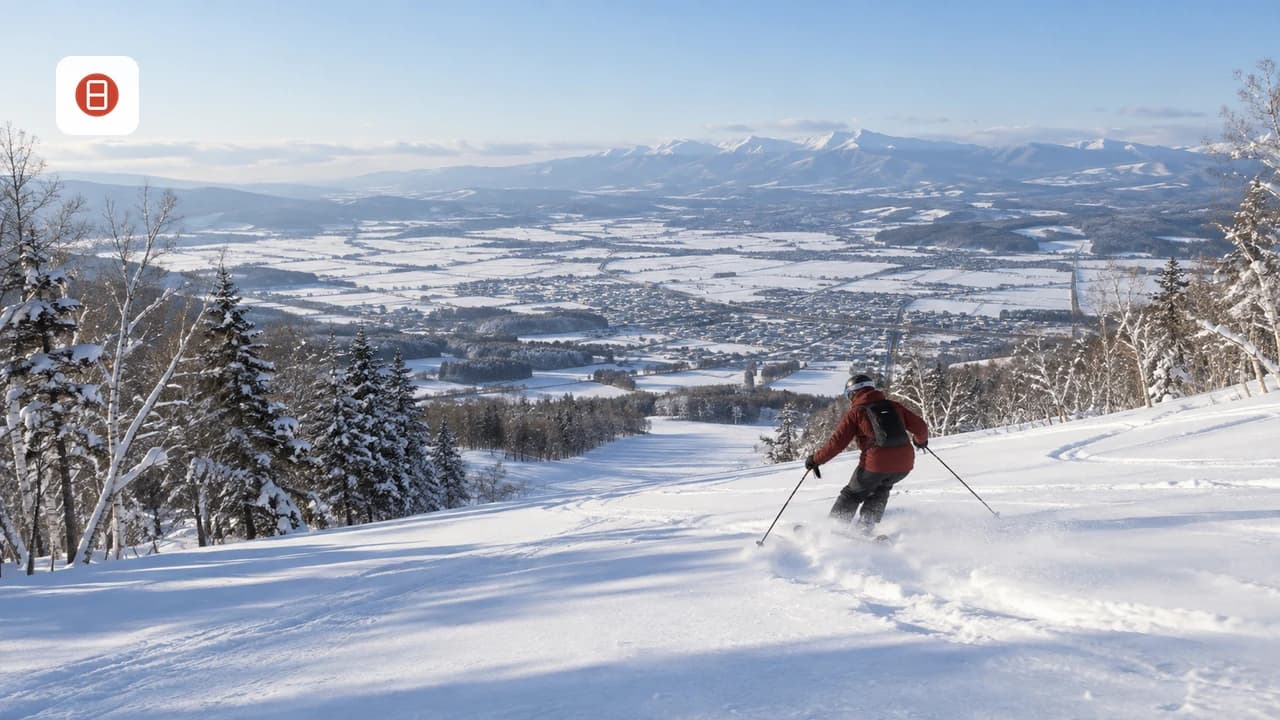
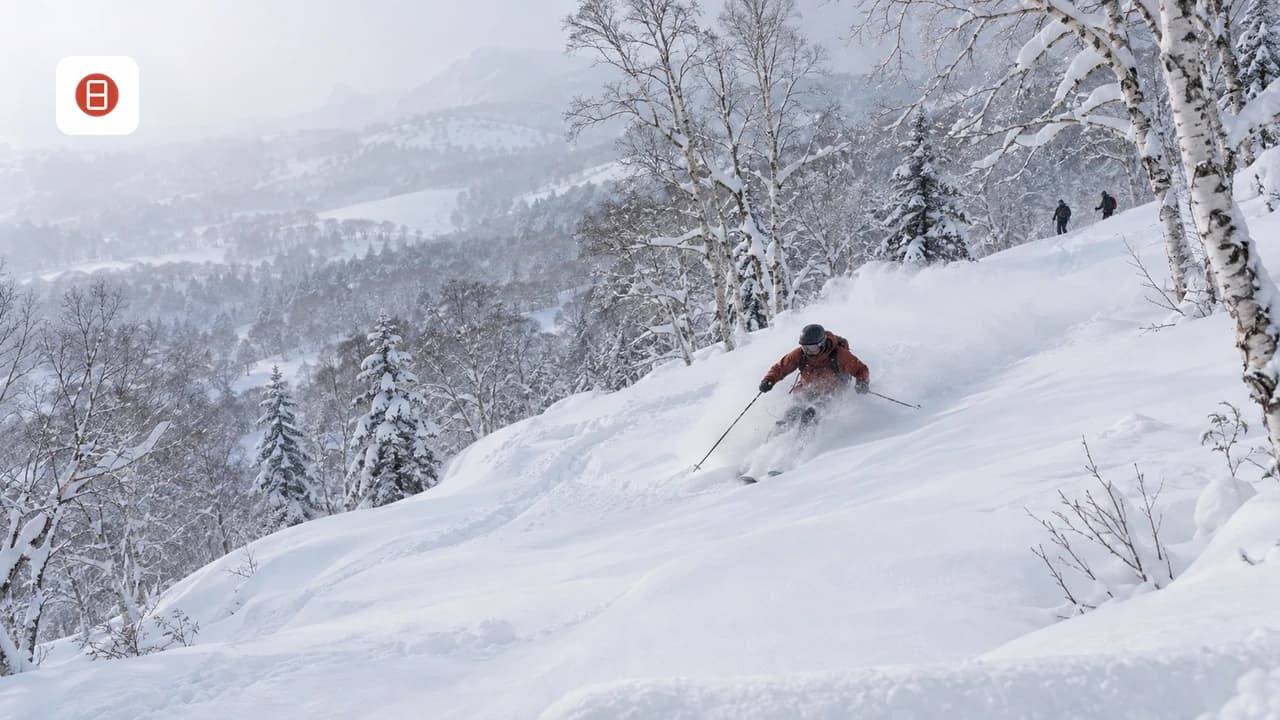
Hokkaido Food Road Trip Itinerary: A 7-10 Day Route for 2026
Plan a 7-10 day Hokkaido food road trip itinerary: Hakodate seafood, Sapporo ramen, Furano dairy farms, driving logistics, and 2026 toll costs.
On this page
Last updated August 2026: this Hokkaido food road trip itinerary links Hakodate's seafood market mornings to Furano's dairy farms and back to Sapporo's ramen alleys. It covers 7 to 10 days, three ramen styles, and the driving logistics unique to rural Hokkaido, including Map Codes. Expect early kitchen closures outside Sapporo, so plan dinner reservations before 7 or 8 p.m.
At a Glance
This route links four food regions in one loop. It starts at Hakodate's seafood port and runs through the onsen towns of Lake Toya and Noboribetsu. From there it continues to Sapporo and Otaru's ramen and beer scene, then to the dairy and produce farms around Furano and Biei. Most travelers complete the core loop in 7 days and extend to 9 or 10 days to add Asahikawa's shoyu ramen or extra time in Sapporo.
| Detail | What to Expect |
|---|---|
| Duration | 7 days for the core loop; 9-10 days with an Asahikawa extension |
| Route style | One-way or round-trip loop starting and ending near New Chitose Airport or Hakodate |
| Best season for produce | July-August, when melons, corn, and lavender peak |
| Best season for seafood | Winter (December-February) for crab; check current timing for uni and other catches |
| Driving side | Left-hand side of the road, in a right-hand-drive rental car |
| Main cost drivers | Rental car, fuel, tolls (roughly ¥1,000 per hour of driving), and lodging |
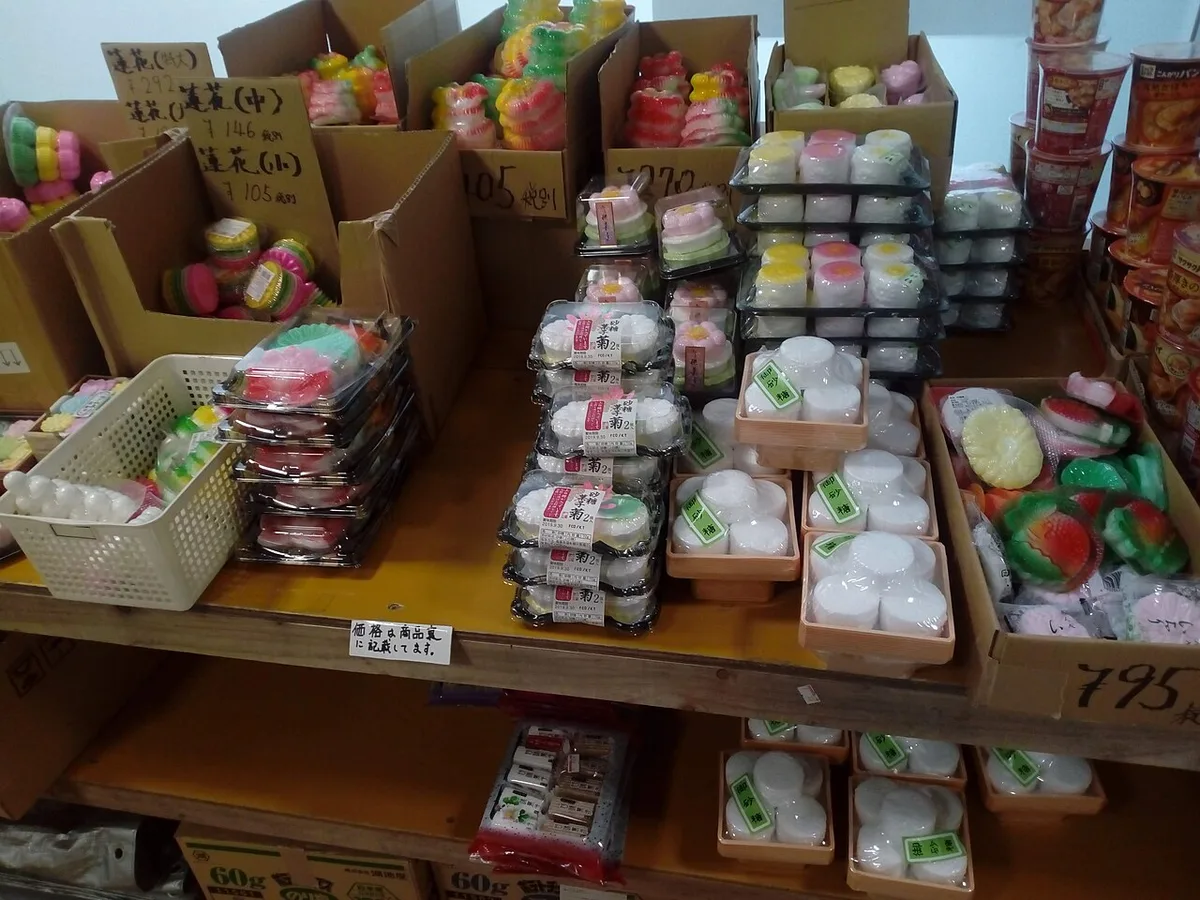
Essential Logistics: Driving for Foodies in Hokkaido
Cross-check driving distances against the Hokkaido attractions guide before locking in dates. Stops like Mt. Hakodate or Goryokaku Fort can add an hour or more to a food-focused day. The mechanics below cover permits, rental strategy, navigation, and tolls.
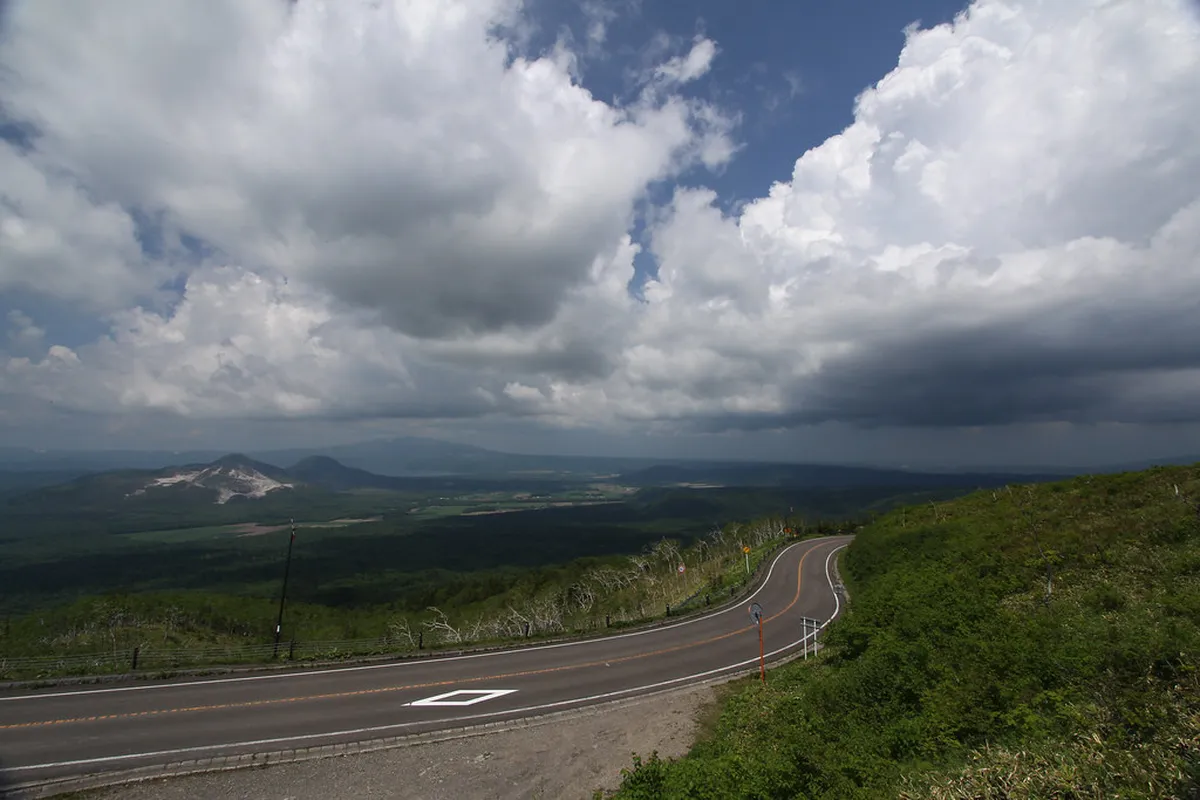
- International Driving Permit (IDP): Apply through AAA before departure if traveling from the US. Requirements are periodically updated, so confirm current rules on AAA's official site or a Japanese consulate before you fly.
- Rental strategy: OTS and Toyota Rent-a-Car are the two operators most self-drive itineraries in Hokkaido use. OTS often quotes lower rates with a simpler booking site, while Toyota's own rental site covers more locations island-wide and accepts credit card payment at pickup. Starting the rental in a smaller city like Hakodate, rather than Sapporo, gives less confident drivers time to adjust to left-side driving before city traffic.
- Navigation: Rely on Google Maps for driving-time estimates instead of the built-in GPS. Rental car GPS units can run close to double Google Maps' estimate on non-toll roads, according to one self-drive account. Ask the rental counter for a Map Code, a numeric location code, when heading to rural cheese factories or farms that lack a standard street address.
- ETC and tolls: Hokkaido's expressways charge roughly ¥1,000 per hour of driving, and a single 3 to 4 hour intercity leg, such as Sapporo to Furano, runs about ¥3,000 to ¥4,000 in tolls. NEXCO East also sells a Hokkaido Expressway Pass bundling several days of tolls into one fee. Check NEXCO East's official site for the current pass price, since paying tolls individually with a rented ETC card is often cheaper on a short loop. For scale, the Hakodate-to-Otaru leg alone runs about four hours by expressway.
- Vehicle choice: A kei car suits two travelers with light luggage and keeps parking simple at markets and cheese factories. A larger wagon, like the Toyota Roomy one traveler used, fits families or winter trips that need 4WD and cargo space for snow gear.
- Fuel: Stations are typically attendant-served even where self-serve pumps exist. Saying regular, credit card, and full in English is usually enough to fill the tank.
Your 7-Day Hokkaido Food Road Trip Itinerary
This 7-day core sequence runs from Hakodate to Furano. Extend it to 9 or 10 days for the Asahikawa option noted on Day 7.
Early kitchens outside Sapporo mean dinner must happen before 8:00 p.m., and finding one open past 8:00 p.m. in Hakodate is particularly difficult. Plan reservations for Day 1 before arrival.
- Day 1 - Arrive in Hakodate: Check into a hotel near the Bay Area, a district that opened to foreign trade in 1854 under the Convention of Kanagawa. Ride the ropeway up Mt. Hakodate for the night view over the bay, then walk the star-shaped Goryokaku Fort grounds before dinner. Order Hakodate's shio (salt) ramen or a Lucky Pierrot burger before 8:00 p.m., since many local kitchens close early.
- Day 2 - Hakodate Morning Market: Start at the Asaichi morning market for a kaisen-don rice bowl topped with fresh uni, ikura, or scallops. Drive out by midday toward Lake Toya, allowing time for stops en route.
- Day 3 - Lake Toya and Noboribetsu: Spend the day around the caldera, then check into an onsen ryokan in Noboribetsu for a multi-course kaiseki dinner. Look for local wagyu and volcanic-soil vegetables on the set menu, both signatures of this pocket of southern Hokkaido.
- Day 4 - Otaru: Drive from Noboribetsu toward Otaru's canal district, which sits about an hour west of Sapporo. Eat at Otaru's sushi street, then stop at Naruto Honten for fried chicken or LeTAO for a slice of the local cheesecake. Continue on to Sapporo for the night.
- Day 5 - Sapporo: Browse Nijo Market for a seafood breakfast, then order soup curry for lunch, a Sapporo specialty. In the evening, eat Genghis Khan (Jingisukan) grilled mutton at the Sapporo Beer Museum's beer hall, paired with a tasting of Sapporo-brewed beer. Overnight in Susukino, Sapporo's restaurant district, and close the night with shime parfait, a dessert some bars serve as a late-night finish.
- Day 6 - Furano and Biei: The drive from Sapporo to Nakafurano takes about three hours. Spend the afternoon at Farm Tomita, which has free admission (¥0 entry) and peaks with color in July, arriving close to its 6:00 p.m. closing time to beat the tour buses. Work through the dairy and ice cream trail for cheese-factory tastings and soft-serve, and pick up a Furano melon from a farm stand.
- Day 7 - Biei and the Decision Point: See Biei's Blue Pond and its nearby snack stands, then decide whether to extend the trip. Add two or three nights north to Asahikawa for shoyu (soy sauce) ramen at its Ramen Village, one of Hokkaido's three signature ramen styles alongside Sapporo's miso and Hakodate's shio. Otherwise, return toward New Chitose Airport, stopping at its ramen alley, Royce' Chocolate World, or onsen before departure.
Regional Food Specialties to Prioritize
Beyond the day-by-day stops, a handful of specialties define Hokkaido's food identity. For dish-by-dish definitions, see the 12 Best Hokkaido Foods You Must Try (2026). The list below flags what to prioritize on this specific route.
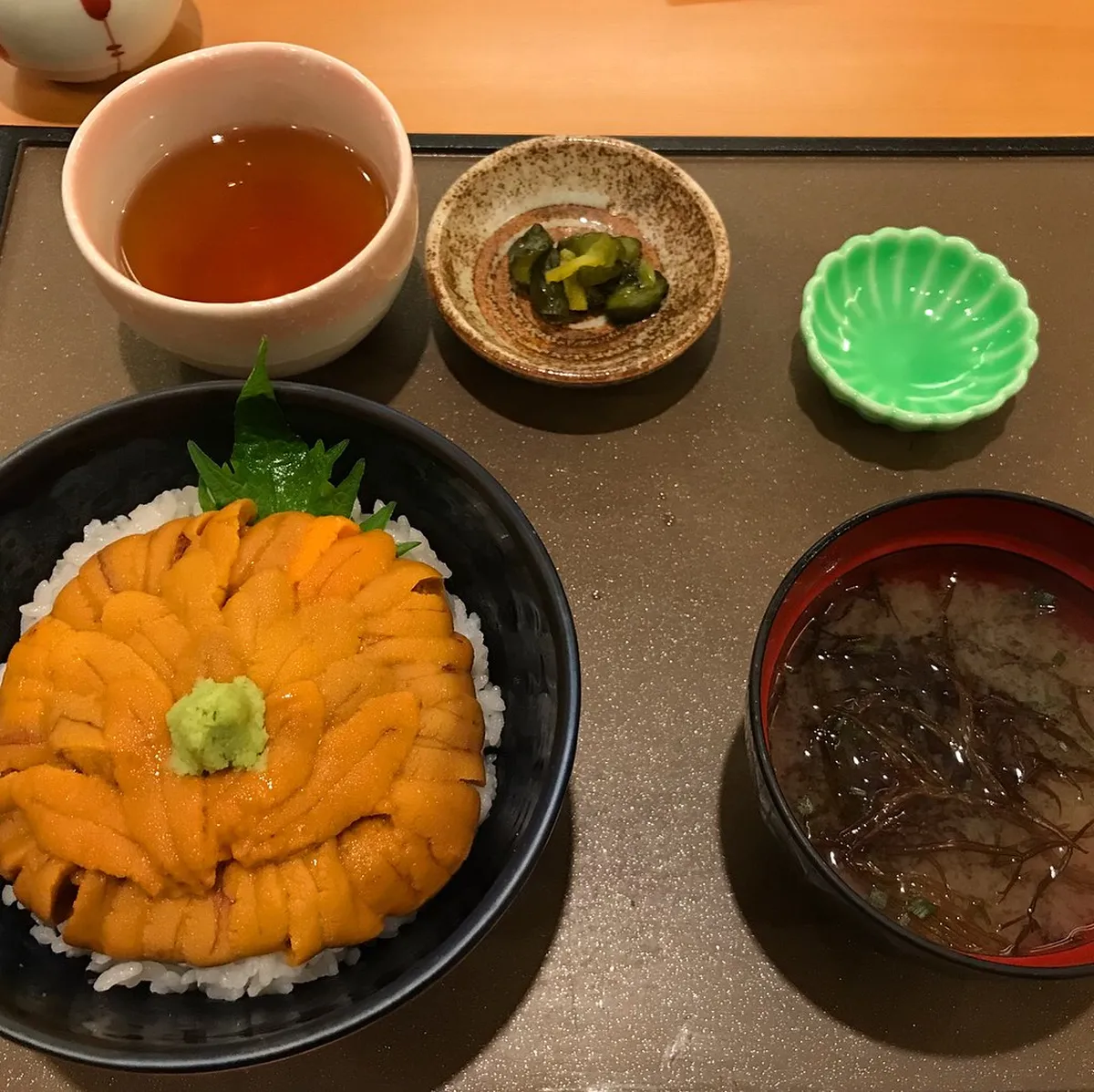
- Seafood: Uni, kani (crab), ikura (salmon roe), and hotate (scallops) show up on breakfast donburi bowls at markets like Hakodate's Asaichi and Sapporo's Nijo Market. Availability shifts by month and region, so check current season timing before planning market stops around a specific catch.
- Dairy: Hokkaido produces about half of Japan's milk, and it shows up everywhere, from a pat of butter melted into ramen broth to butter-raisin cookie sandwiches sold as souvenirs. Trace it further along the dairy and ice cream trail through Furano's cheese factories.
- Produce: Hokkaido grows close to ten times as much wheat as any other prefecture, plus large volumes of potatoes, corn, onions, and melons. Furano's roadside melons make an easy Day 6 stop, while the separately grown Yubari King melon, from elsewhere on the island, has sold for more than ¥10,000 at auction for a single prized fruit.
- Ramen: Sapporo is known for miso broth, Hakodate for shio (salt), and Asahikawa for shoyu (soy sauce), the island's three signature ramen styles.
- Genghis Khan and beer: Grilled mutton cooked on a dome-shaped grill, traditionally dipped in a shoyu-based sauce, pairs with a beer hall tasting at attractions like the Sapporo Beer Museum.
Where to Stay for a Food-First Trip
Where you base each night affects how early the next market or farm visit can start. Three patterns cover most of this route.
- Sapporo: Base in Susukino, the entertainment district with more than 3,500 restaurants and bars within walking distance of the subway. Parking is not guaranteed at every downtown property, especially hostels, so confirm before booking.
- Hakodate: Stay near the Bay Area so the Asaichi morning market and its uni and kaisen-don breakfast stalls are a short walk away before an early start. This is also where the district's 1854 port-opening history is easiest to see on foot.
- Rural stops: Around Furano, Biei, or Noboribetsu, a minshuku, a small family-run bed-and-breakfast, often serves home-cooked meals sourced from the owner's own farm or fishing trip. See the farmers market and farm dining guide for how to find and book one.
Best Time for a Hokkaido Food Road Trip
Hokkaido's food calendar and driving conditions shift by season. Timing changes both what you eat and how you drive.
Farm Tomita closes at 6:00 p.m. and peaks with color in July, so Day 6 requires arriving before afternoon tour buses crowd the farm. The free admission (¥0 entry) makes the timing worthwhile despite the narrow window.
- Summer (July-August): Peak season for produce, melons, corn, and lavender fields at Farm Tomita, but also the most crowded and highest-demand window for rental cars and lodging.
- Winter (December-February): The season for crab and the Sapporo Snow Festival, though it also means snow-tire driving and shorter daylight. See the winter cuisine guide before booking a cold-season route.
- Shoulder season (June or October): Fewer crowds and easier bookings, but confirm opening dates directly with farms and flower fields. One June traveler found Furano's flowers barely blooming, with gray skies on six of seven days.
Pro Tips and Common Mistakes
A few mistakes come up repeatedly in Hokkaido road trip accounts. Some easy wins come up just as often.
- Don't underestimate distances: Hokkaido looks compact on a national map, but a same-day drive from Hakodate to Shiretoko is unrealistic. Treat the island's east and west halves as separate trips.
- Stock up at Seicomart: Hokkaido's home-grown convenience store chain carries region-only snacks and milk not sold on Honshu, useful for road-trip breakfasts between towns.
- Book the Nikka Whisky Yoichi Distillery tour early: distillery tours near Otaru are a popular add-on and can fill up months before summer weekends.
- Confirm dinner hours outside Sapporo: regional kitchens often close by 7:00 or 8:00 p.m., far earlier than Tokyo, and finding one open past 8:00 p.m. in Hakodate can be difficult.
Expressways or Scenic Roads: Choosing Your Route
Choose expressways when a market reservation, ryokan dinner, or early-closing rural kitchen sets a firm arrival time. The E5 and E5A corridors simplify long transfers between Hakodate, Noboribetsu, Sapporo, and Otaru. A rented ETC card lets you pass toll gates without handling cash.
Local roads work better when farm stands and coastal scenery are part of the meal plan. National Route 5 links Hakodate and Otaru through Oshamambe and Kutchan. It avoids expressway tolls but passes towns, traffic lights, and mountain sections that make arrival times less predictable.
- Fast option: use expressways for Hakodate–Noboribetsu and Noboribetsu–Sapporo transfer days.
- Slow option: follow Route 5 when stopping around Niseko, Kutchan, or roadside produce shops.
- Mixed option: take the expressway toward Mikasa, then continue on rural roads toward Furano.
Do not choose the slower route solely from the distance shown on a map. Add time for fuel, viewpoints, and farm-shop browsing. Aim to reach rural accommodation before dinner service begins, since many kitchens stop serving by 7 or 8 p.m.
Frequently Asked Questions
Is 7 days enough for a Hokkaido food road trip?
Seven days covers the core Hakodate-to-Furano loop comfortably. Extend to 9 or 10 days to add an Asahikawa detour for shoyu ramen.
Do you need an International Driving Permit for a Hokkaido road trip?
Most US citizens need an International Driving Permit, usually issued through AAA before departure. Requirements can change, so confirm current rules on AAA's official site or a Japanese consulate before flying.
What is the best month for Hokkaido seafood?
Check the seafood season calendar guide against your travel month. Prioritize winter, December through February, if crab is the priority.
Is the ETC toll pass worth it for a short Hokkaido trip?
Paying tolls individually often costs less than a multi-day pass on a single 7-day loop. Hokkaido's expressways run roughly ¥1,000 per hour of driving, and some coastal roads are free. Check NEXCO East's site for the current Hokkaido Expressway Pass price before deciding.
What is a Map Code, and when do you need one in Hokkaido?
A Map Code is a numeric location code some GPS units accept instead of a street address. Rural farms and cheese factories around Furano and Biei often lack a standard address. Ask the rental counter for the Map Code before heading out.
Should you rent a kei car or a 4WD for a Hokkaido food road trip?
A kei car keeps parking simple for two travelers with light luggage in warmer months. Larger 4WD wagons suit winter driving, families, or anyone carrying ski gear.
What are Hokkaido's three signature ramen styles?
Sapporo is known for miso broth. Hakodate serves shio, a salt-based broth. Asahikawa is known for shoyu, a soy-sauce broth.
Can you do a Hokkaido food road trip without renting a car?
Trains and buses reach Hakodate, Otaru, Sapporo, and Asahikawa. Furano's farm stands, Biei's Blue Pond, and rural minshuku stays are hard to reach without a car.
Free guide: Japan's Hidden Gems
12 under-the-radar places beyond Tokyo & Kyoto — with the best season to visit each and a local tip you won't find in the guidebooks.
You might also like


Continue reading
More guides you'll find useful