

Furano Ski Resort Guide 2026: Zones, Lift Tickets, and Backcountry Gates
Plan a furano ski trip with 2026 lift prices, Ikon Pass access, Furano vs Kitanomine zone terrain, and lift-queue timing for Hokkaido's driest powder resort.
On this page
Last updated September 2026, this furano ski guide breaks down Hokkaido's two-zone resort for skiers comparing it against Niseko or Rusutsu. Furano's inland position gives it some of Hokkaido's driest snow, an 839m vertical descent, and a season that can run from late November into spring. A 2025-26 mechanical lift closure has pushed some Furano Ropeway queues past 45 minutes, and skiers 12 and under still ride free.
Furano Ski Resort: The Bonchi Powder Alternative to Niseko
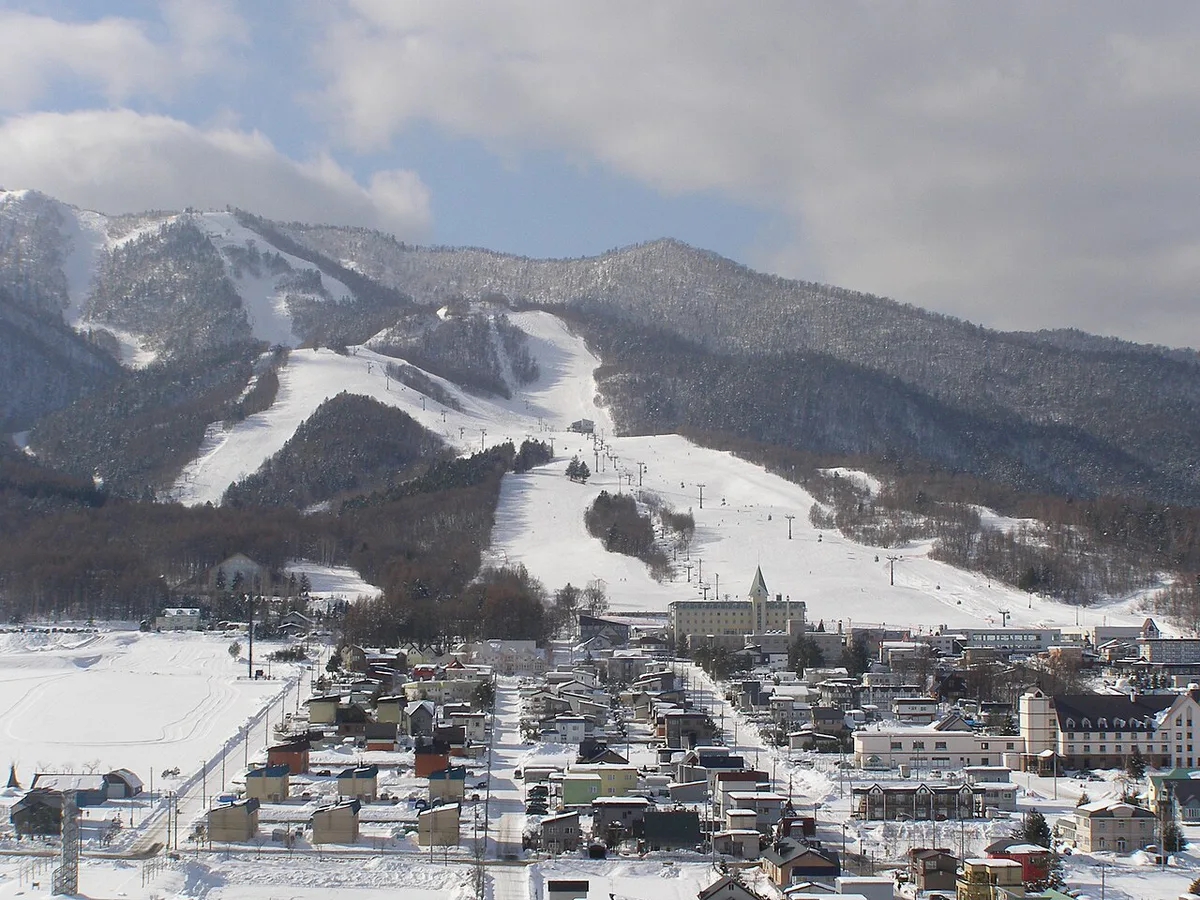
Furano sits inland in central Hokkaido, and that position is one reason its snow is often drier than the coastal powder around Niseko or Rusutsu. Two connected ski areas make up the resort: the Furano Zone, served by the New Furano Prince Hotel, and the Kitanomine Zone, served by the Furano Prince Hotel. A single lift pass covers both zones. Furano's town center reads as a working Hokkaido town rather than a resort built purely for visitors. Skiers 12 and under ski free, one of the resort's biggest draws for families. Compare the terrain directly against Niseko's ski slopes before booking either trip. See the full Hokkaido ski resorts guide for how Furano stacks up against other mountains on the island.
Kitanomine vs Furano Zone: How the Two-Zone System Connects
Furano Ski Resort splits into two connected areas that share a single trail at the summit. The Furano Zone centers on the 101-person Furano Ropeway, a 2,330m lift, and the New Furano Prince Hotel. Kitanomine Zone, by contrast, centers on a 6-person gondola that climbs 2,958m to the same ridge. A short connecting lift, about 931m long, links the two zones near the top. Skiing across that link requires intermediate ability at minimum, so beginners cannot move freely between zones. Pick a base zone that matches the terrain you plan to ski, then use the table below to compare.
| Feature | Furano Zone | Kitanomine Zone |
|---|---|---|
| Best for | Long cruisers and ropeway access | Steep race runs and village dining |
| Lift highlight | 101-person Furano Ropeway (2,330m) | 6-person gondola (2,958m) |
| Season | Late November to early May | Mid-December to late March |
| Vibe | Hotel-centric, resort-managed | Local, pension-heavy, social |
| Zone connection | Ski down to Kitanomine (intermediate skill needed) | Ride the link lift to Furano (intermediate skill needed) |
Terrain Breakdown: Beginner Groomers to World Cup Steeps
Furano's official trail data lists a 1,074m summit, a 235m base, and 839m of vertical descent, one of the taller drops in Hokkaido. Grooming crews rework courses as long as 4.8km every night, and the corduroy holds up because Furano's snow stays cold and dry. The mountain has hosted the FIS Downhill World Cup 10 times, and several advanced runs below the Furano Ropeway summit still carry race-course reputations. See the Hokkaido Powder Guide 2026-27: Niseko vs. Furano, Passes, and Backcountry Basics for how Furano's totals compare with the rest of the island.
- Beginner terrain: about 40% of the mountain, with wide base runs at both zones and a beginner area atop the Furano Ropeway.
- Magic carpet warning: Kitanomine's magic carpet has closed without notice on past visitor trips, so plan a backup if you are teaching a young child to ski.
- Intermediate terrain: about 40% of the mountain, including the 4.8km groomed run to the base in the Furano Zone.
- Advanced terrain: about 20% of the mountain, plus off-piste zones near the summit and 10 FIS Downhill World Cup runs.
Furano Backcountry Gates and Slackcountry Safety
Backcountry gates at Furano open onto terrain that guiding outfit Rising Sun Guides describes as some of the longest continuous fall-line skiing available from any Hokkaido resort. Signage at each gate warns against entering without a partner or avalanche gear. Ski Asia's on-the-ground reporting still found skiers heading out solo and ungeared. Treat every gate warning as mandatory, not advisory. Carry a beacon, probe, and shovel, and never ski the gates alone. For a scheduled alternative, Furano runs a guided first-tracks program on select Thursdays during the 2026 season: January 8, 15, 22, and 29. Skiing starts at 6:30 AM after a 6:00 AM meeting at the Furano Ropeway base station. The price runs ¥25,000 per person for groups of two to eight skiers. Reserve by 5:00 PM seven days before your chosen date.
- Beacon: carry a transceiver switched on before dropping through any gate.
- Probe and shovel: pack both, even for a short lap.
- Partner or guide: never ski the gates solo, per warnings posted at each gate.
Furano Ski Resort Ikon Pass Access and the Kids Ski Free Policy
Furano joined the Ikon Pass for the 2025-26 season, part of Alterra Mountain Company's roster of more than 70 destinations worldwide. Ikon Pass holders scan directly at Furano's lift gates, and no advance reservation is required. If your physical pass has not arrived before your trip, bring a digital confirmation and photo ID to a ticket counter instead. As of the 2025-26 season, Furano's own ticket page lists an adult one-day rate of ¥8,000. Book online to skip the ticket-counter line. Pick up your pass in minutes by scanning a QR code at one of two ticket machines at the Kitanomine base. Children 12 and under ski free, with a multi-day pass issued at the ticket office. One family's six-day trip put the savings versus Niseko United's child rates at roughly ¥36,300. See the Rusutsu Resort Guide: Skiing, Summer Fun, and Local Logistics for that mountain's terrain and lodging details. Check Niseko's snow season guide for how its pricing and season timing compare.
- Furano adult 1-day lift ticket: about ¥8,000 at the window, roughly ¥7,500 when booked online in advance.
- Niseko United adult 1-day lift ticket: about ¥10,500, per Ski Asia's season pricing survey.
- Rusutsu Resort adult 1-day lift ticket: about ¥14,500, after two straight years of roughly 30% increases.
- Kids 12 and under: free at Furano, with a free multi-day pass available at the ticket office.
Getting to Furano and Moving Between the Two Zones
Most international travelers reach Furano through New Chitose Airport, Hokkaido's main gateway, then connect by bus or train. Asahikawa Airport sits closer to Furano and is worth checking for seasonal direct flights before defaulting to New Chitose. Confirm current routes and schedules on the New Chitose Airport site before booking transport. Once you're in town, expect roughly a 3-minute shuttle to the Kitanomine Zone and about 6 minutes to the Furano Zone base. The two zones share one lift pass, but the on-mountain link lift is the only ski route between them. Evening buses back from Furano town run on a limited schedule; a 2026 visitor found service only at 6:30 PM and 9:00 PM. Taxis fill the gap for about ¥2,700 one way. For wider Hokkaido arrival options, see How To Get To Hokkaido: The Complete Transportation Guide.
Where to Stay: Prince Hotels vs Kitanomine Pensions
The New Furano Prince Hotel sits at the base of the Furano Zone Ropeway, with direct ski-in/ski-out access. Its Kitanomine counterpart, the Furano Prince Hotel, sits at the gondola base with the same slopeside convenience. Staying at the New Furano Prince Hotel without a car limits dinner mostly to in-house restaurants, and one 2025 guest reported a per-person minimum of about ¥6,400. Kitanomine's pension row offers an alternative: smaller, locally run lodges close to the lifts, with the town's restaurants and bars a short walk away. Compare Furano's lodging style against Tomamu's resort-village setup if slopeside convenience matters more than town access.
Where to Eat: Jingisukan, Soup Curry, and On-Mountain Food
Skip the standard resort cafeteria and head into Furano town instead. Genghis Khan Bonzoku serves jingisukan, a grilled mutton dish cooked tableside on a metal dome. Furanoya specializes in soup curry loaded with local vegetables. Budget travelers can find simple, filling meals at Kodamaya Soba Noodle Shop, and Fukuzushi covers sushi and sashimi. On the mountain, a branch of the ramen shop Hokkaido Tomikawa operates at the Furano Ropeway base station. The Kitanomine Gondola terminal houses Furano Curry Jam on its first floor and Ezo no Ajidokoro Cise on its second. Check current hours on the Furano Tourism Association site before finalizing a dinner plan.
Furano Ski Mistakes to Avoid: Ropeway Queues and Cold Weather
Furano's most reported problem has been mechanical trouble with the Furano Downhill No. 1 High Speed Lift. A mid-January notice from the resort cited a part that could not be sourced, with no repair timeline given. A skier who returned for the 2026 season found the lift still closed for roughly half of an eight-day stay, reportedly due to wind. Check the resort's live snow report for that lift's current status before booking lodging on the lower Furano Zone slopes. Its closure funnels extra traffic onto the Furano Ropeway, and queues of 45 to 60 minutes are common when the lift sits idle. Arrive by the 8:30 AM opening to beat the crowd, or plan lower-slope laps around the outage instead of fighting the line. Inland positioning also means Furano runs colder than Niseko or Rusutsu, even though the snow stays drier. Clear, cold mornings in January and February sometimes produce diamond dust, fine ice crystals suspended in still air. Pack layers rated for continental cold, not just coastal damp. For seasonal timing beyond Furano, see Best Time To Visit Hokkaido: 10 Essential Seasonal Insights.
Ropeway queues of 45 to 60 minutes are common, but nightly grooming maintains 4.8km courses across 839m vertical, ensuring ample terrain despite the wait.
- Ropeway queue tip: mornings after fresh snow see the longest lines, often 45 to 60 minutes when the Downhill No. 1 lift is down.
- Lift-loading tip: ask about singles lines at busy lifts; Furano does not always run them, but asking can save time.
- Cold-weather tip: layer for temperatures colder than Niseko or Rusutsu, especially on early gondola and ropeway rides.
Après-Ski: Night Skiing, Kan-Kan Mura, and Onsen
Night skiing runs on both zones with a split schedule. Weekday sessions run 4:00 PM to 6:00 PM. Weekend, holiday, and New Year sessions, December 28 to January 5, run 4:00 PM to 7:30 PM. A weekday night ticket costs ¥2,900, and a weekend or holiday ticket costs ¥3,600 at regular-season rates. A snow-and-ice village called Kan-Kan Mura sets up in front of the New Furano Prince Hotel from roughly late December to late February, charging a ¥300 entrance fee. Entry runs until 7:30 PM, and the village includes an ice bar and a snow-tubing slope. After skiing, unwind at a hot spring rather than the hotel bar. Nearby options appear in the 10 Best Hokkaido Onsen Resorts to Visit (2026 Guide). For more on winter events across town, see the Furano in winter guide.
Night skiing on weekdays runs 4:00 PM to 6:00 PM, but buses depart at 6:30 PM and Kan-Kan Mura stays open until 7:30 PM—plan transport after skiing accordingly.
Frequently Asked Questions
Is Furano better than Niseko for skiing?
Furano offers drier snow and a lower adult lift-ticket price, about ¥8,000 versus roughly ¥10,500 at Niseko United. Niseko has more English-language infrastructure and a bigger international nightlife scene. Choose Furano for value and a quieter town feel, and choose Niseko for range of terrain and non-ski amenities.
How do you use the Ikon Pass at Furano Ski Resort?
Scan the physical Ikon Pass directly at Furano's lift gates; no reservation is needed. If the pass has not arrived yet, bring a digital confirmation and photo ID to a ticket counter. Staff can issue a local lift pass if the Ikon Pass fails to scan at the gate.
Can beginners ski between the Furano Zone and the Kitanomine Zone?
Not easily. Connecting terrain and the link lift both require intermediate skill at minimum. Beginners should instead ride the shuttle bus between zones, a trip of about 3 to 6 minutes depending on direction.
What is the Kids Ski Free policy at Furano?
Children 12 and under ski free at Furano Ski Resort, with a free lift pass issued at the ticket office. One family's six-day trip calculated the savings versus Niseko United's child rates at about ¥36,300. Lift access is what the free policy covers; lessons and rentals are billed separately.
How cold is Furano compared with coastal Hokkaido resorts?
Furano sits farther inland, so it runs colder than coastal resorts like Niseko or Rusutsu. That inland position is also why the snow stays lighter and drier through the season. Pack layers built for sustained continental cold, not just damp coastal weather.
Should you fly into New Chitose or Asahikawa Airport for Furano?
Asahikawa Airport sits closer to Furano and can save transfer time if your dates align with available flights. New Chitose Airport has far more international routes, so most visitors still connect through it. Check both airports' current schedules before booking, since seasonal routes change year to year.
How much does a Furano season pass cost?
A season pass for the 2025-26 adult category lists at ¥90,000, with a discounted senior rate of ¥67,000 for skiers 60 and older. Primary school children pay ¥3,000 for a season pass, a fraction of the adult rate. Multi-day trips of a week or longer usually make more sense as day tickets than a season pass unless you are staying most of the winter. Season pass holders also join the Hokkaido Ski Season Net program, which unlocks discounts at nearby resorts including Tomamu.
How much snow does Furano get in a typical season?
Resort figures put Furano's average annual snowfall at about 7 meters, drier and lighter than snow closer to the coast. Snow depth typically builds to around 3 meters at midseason across the base areas. That combination is why long-time visitors still recommend Furano for powder despite its lift-queue issues.
Free guide: Japan's Hidden Gems
12 under-the-radar places beyond Tokyo & Kyoto — with the best season to visit each and a local tip you won't find in the guidebooks.
You might also like


Continue reading
More guides you'll find useful


