

Kochi Yuzu and Tosa Sake: A Traveler's Guide to Tanrei Karakuchi and Yuzushu
Plan a Kochi yuzu and Tosa sake trip for 2026: dry Tanrei Karakuchi styles, Keigetsu yuzushu, brewery tours at Suigei Tosa-gura and Tsukasabotan, and local pairing tips.
On this page
Last updated August 2026: Kochi yuzu and Tosa sake are two of Shikoku's signature flavors, and pairing them starts with understanding why the region's rice wine is famously dry. Kochi Prefecture's breweries make Tanrei Karakuchi, a light, bone-dry style built for the long banquets locals call Okyaku. Mountain-grown yuzu turns up in the same region's yuzushu, dressings, and desserts, and the sections below cover which breweries welcome visitors and how to plan a sake-focused weekend.
Kochi Yuzu and Tosa Sake: Why This Pairing Defines the Region
Tanrei Karakuchi means light and dry, and it describes almost every bottle brewed in Kochi Prefecture. Locals prize this crisp style because of Okyaku, the region's long-form banquet culture, where drinking continues for hours with games, toasts, and communal platters. A sweeter sake would fatigue the palate quickly; the drier profile keeps guests pouring rounds late into the night. Nineteen breweries operate across the prefecture, and instead of guarding their techniques, many share yeast strains and brewing data with each other, a level of cooperation that is unusual among Japan's sake regions. Kochi's mild climate and clean mountain water also shape the finished sake. Brewers point to some of Japan's purest water sources as the reason their brews taste refined despite the low sweetness. That same spirit of celebration peaks each year at Tosa no Okyaku, a festival that runs from the first Saturday to the second Sunday of March. Streets and covered shopping arcades across Kochi City fill with tasting tables, and about 18 of the prefecture's 19 breweries typically pour, alongside drinking games like bekuhai and live music. First-time drinkers who find bone-dry sake intense often start with a fruitier bottling instead, such as Keigetsu's CEL24 or Nigori styles, before working up to a classic Tanrei Karakuchi pour. Kochi's yuzu sake, or yuzushu, is not the syrupy citrus liqueur some travelers expect. Producers describe it as light on sweetness and built around bright acidity, closer to fresh-squeezed juice than dessert wine.
Kochi's Yuzu: A Citrus Built for Sharp, Aromatic Sake
Kochi's mountainous terrain and heavy rainfall create ideal growing conditions for yuzu, and the prefecture has built part of its food identity around the fruit. Few flat plains exist in the prefecture, so many orchards climb hillsides where drainage is naturally slower and rainfall collects. That combination pushes the citrus toward higher acidity and a more intense aroma than yuzu grown in flatter regions. That sharper profile is what makes Kochi yuzu valuable to brewers. A fruit this assertive can stand up to sake's alcohol content without disappearing into syrup. Chefs use it in traditional Japanese dishes, Western-style plates, and cocktails alike, according to Kochi's own trade promotion materials. Local producers also bottle yuzu kosho, a citrus-chili condiment sold alongside Kochi's other yuzu products. Restaurants across the prefecture lean on it for ponzu and desserts, but the citrus reaches its fullest expression when blended directly into sake as yuzushu.
Yuzushu Tasting Notes: Keigetsu and Tosa Brewery's Citrus Sake
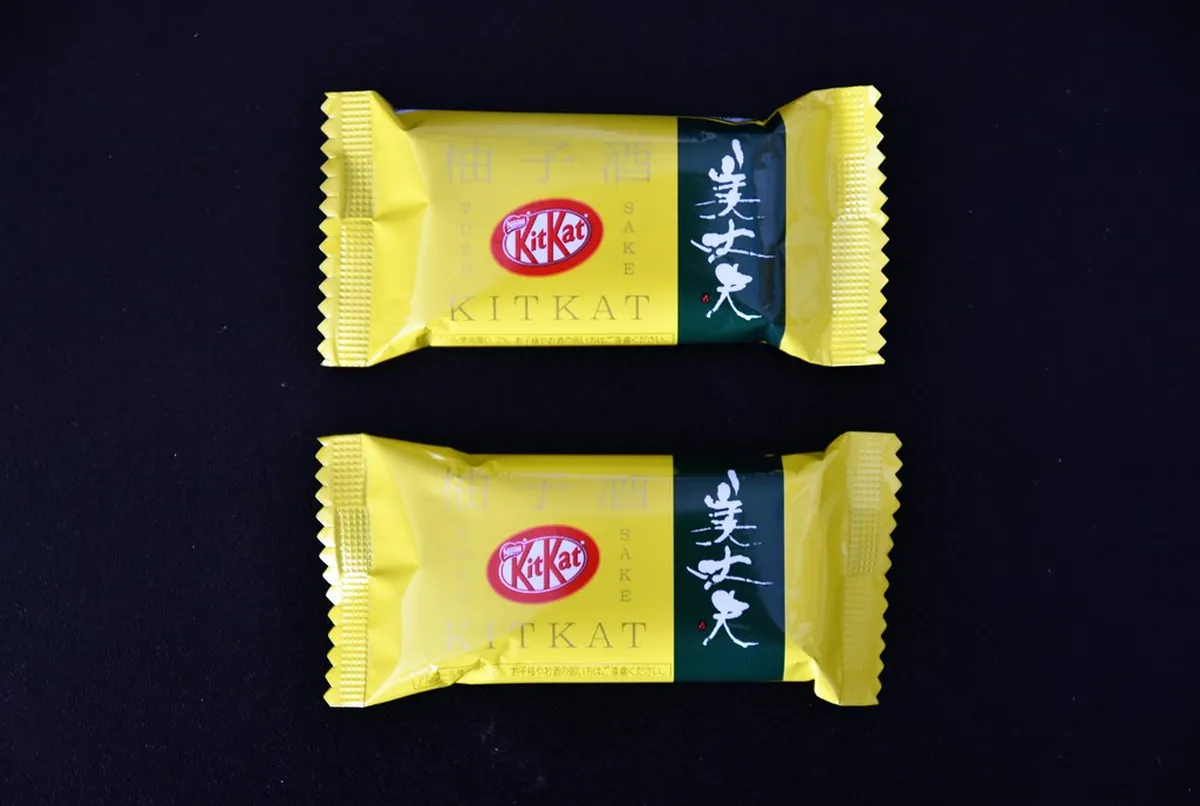
Keigetsu Yuzu Sake comes from Tosa Brewing Company Limited, based in Tosa-cho, and blends rice, sake, and yuzu juice grown in Kochi Prefecture. The prefecture's own product database describes it as popular with women for its refreshing citrus scent and reduced sweetness. That balance makes it easy to drink as an aperitif or alongside a wide range of dishes, including spicier plates that would overwhelm a delicate sake. Tosa Brewery also bottles a Junmai-based Citrus Sake, and its tasting notes describe a refreshing sourness from the yuzu peel that reads closer to fresh juice than bottled syrup. Both bottlings show how far Kochi's sake tradition stretches beyond its driest styles.
- Keigetsu Yuzu Sake: 720ml bottle, rice, sake, and Kochi-grown yuzu juice, made by Tosa Brewing Company Limited in Tosa-cho.
- Tosa Brewery Citrus Sake: 8% alcohol, Junmai base, made with Tosa-Reihoku rice and Tosa-grown yuzu.
- Serve either style chilled as an aperitif, with spicier dishes, or alongside white fish carpaccio and milk-based desserts.
Which Tosa Sake Brewery Should You Visit?
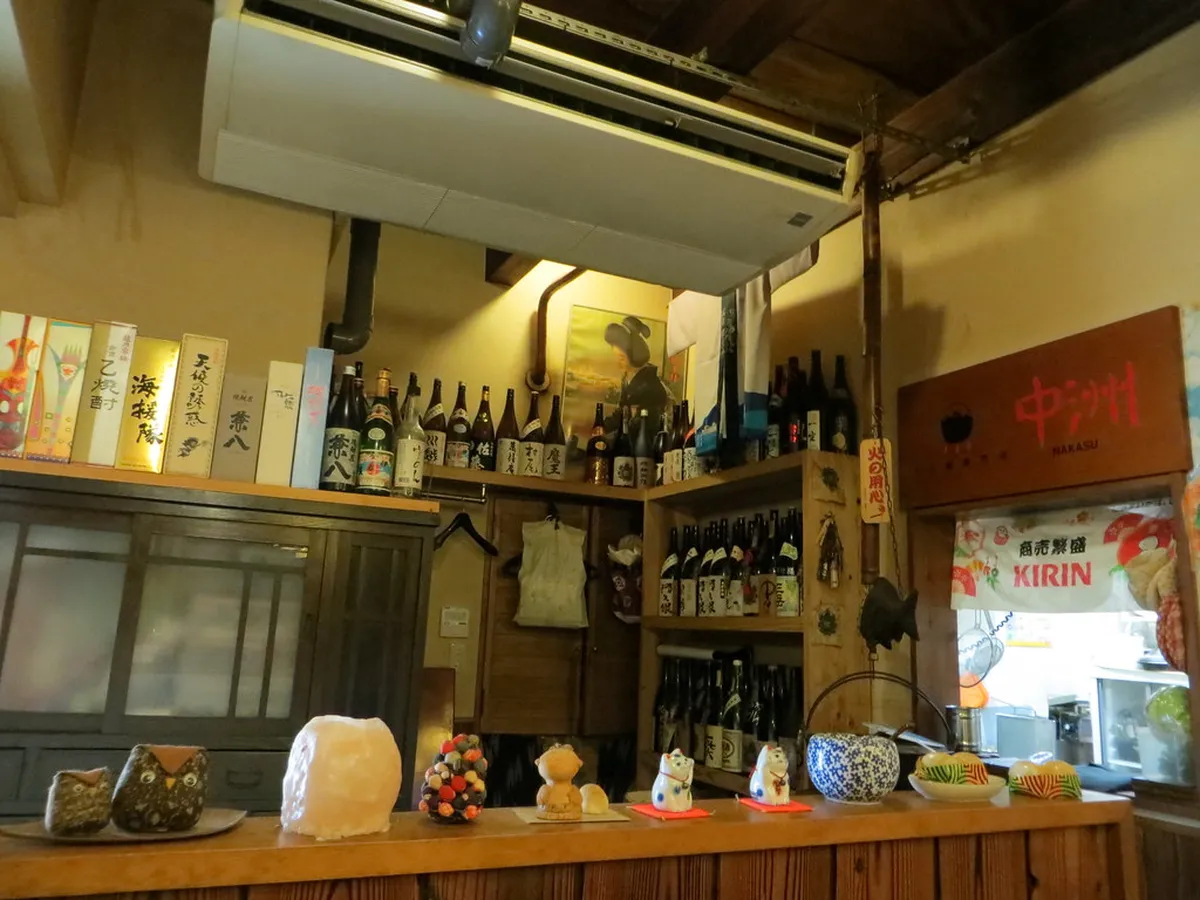
Kochi's sake breweries split into three broad profiles. Some are modern and accessible, others historic and train-friendly, and a few remote and terroir-driven. Access, tour cost, and best-fit traveler vary sharply between them, as the comparison below shows. Suigei takes its name, meaning drunken whale, from Yodo Yamauchi, the 19th-century lord of Tosa known for his love of sake, and the brewery's whale branding nods to that nickname. Suigei's Tosa-gura facility opened in 2018 as a high-tech second site to the brewery's original Nagahama location near Katsurahama Beach. Its shop runs 10:00 to 17:00, and brewery tours run Monday, Wednesday, and Thursday through Sunday at 10:30, 12:30, and 15:00; both shop and tours close on Tuesdays. Tsukasabotan's brewery sits inside Sakawa's retro townscape, recognizable by its long white storehouse walls. A walk through nearby Makino Park pairs well with a spring visit, when cherry blossoms are out. Tosa Brewery, home to the Keigetsu label, focuses on organic rice farming and mountain water. Its Very Dry Tokubetsu Junmai uses Akitsuho and Gin-no-Yume rice polished to 60%, with a sake meter reading of +11 and 15% alcohol. Tasting notes describe a fruity aroma of peach and muscat over a super-dry, light rice flavor, best paired with grilled fish or simmered sea bream. The brewery's CEL24 bottling, made with Kochi's own CEL24 yeast, reads very differently. Its sake meter runs around -4, with aromas of apple and raspberry and a juicy sweetness suited to vegetable sticks, pickled cucumbers, or dessert. Sake Nature, a Junmai Daiginjo made from organically farmed rice polished to 45%, brings a lighter floral character that pairs well with grilled white fish and citrus. Together, the range shows Keigetsu is not only about the driest end of Tanrei Karakuchi. None of the three breweries above confirm English-language tours in their current materials, so confirm language support directly when you reserve.
Tosa Brewery offers stark contrasts—its Very Dry Tokubetsu Junmai reads +11 sake meter, while CEL24 runs around -4. First-time drinkers typically start with CEL24's apple and raspberry sweetness before progressing to classic Tanrei Karakuchi bone-dry profiles.
| Brewery | Location | Access from Kochi Station | Tour Price | Best For |
|---|---|---|---|---|
| Suigei Tosa-gura | Tosa City | About 40 min by car, or 15 min walk from the Kanbarafunato bus stop | ¥500 (50 min, reservation required) | High-tech tour, distinctive whale branding, Sake Lab Cafe pours amazake for drivers |
| Tsukasabotan | Sakawa | About 25 min via JR Dosan Limited Express | Confirm current pricing directly; includes tasting and a 180ml take-home bottle | 400-year-old storehouses, easy train access, tour available in Japanese only |
| Tosa Brewery (Keigetsu) | Tosa-cho | Best reached by car; roads run through mountainous terrain | Check current pricing directly with the brewery | Terroir-focused, organic farming, CEL24 and Sake Nature bottlings |
Pairing Tosa Sake With Kochi's Signature Dishes
Dry sake and bold food are old partners in Kochi, and nowhere is that clearer than with katsuo no tataki. Bonito gets seared hard over straw, then finished with garlic, ginger, and citrus, and a sweeter sake would clash with that char and punch. Tanrei Karakuchi's dryness cuts through the smoke instead, resetting the palate for the next bite. Many restaurants finish the dish with a yuzu-based ponzu, echoing the same citrus found in the region's yuzushu and tying two of Kochi's signature flavors to one plate. For a full breakdown of the dish and where to find it, see the katsuo no tataki guide. Sawachi cuisine, the region's communal platter tradition, sets the pace for an entire Okyaku session. Large shared plates of sashimi, tempura, and grilled fish keep the table eating and pouring for hours, which is exactly the rhythm Kochi's dry sake was built for. Guests are not expected to finish every dish before the next round arrives, since sawachi platters are meant to be grazed across a whole gathering. Etiquette and standout dishes get fuller treatment in the sawachi cuisine guide. Hirome Market is a practical place to try both traditions at once, with stalls pouring local sake alongside katsuo no tataki late into the evening. For a wider view of the prefecture's food scene, the Kochi Food Guide: Best of Tosa, Japan rounds out the rest of what to eat.
Building a Kochi Sake Weekend
Sunday morning starts at the Kochi Sunday Market Travel Guide, a nearly 300-year-old market that runs 1.3km along the moat of Kochi Castle, one of the city's top Kochi attractions. Vendors sell imoten, deep-fried sweet potato bites, alongside inaka sushi and yuzu-flavored sweets worth lining up for before an afternoon of sake tasting. From the market, the JR Dosan Limited Express reaches Sakawa in about 25 minutes, putting Tsukasabotan's storehouses and Makino Park within easy reach for an afternoon tour. A taxi ride of about 20 minutes connects Sakawa to Suigei Tosa-gura, so both breweries fit into a single day without a rental car. Evenings work best back in Kochi City at Hirome Market, where stalls pour Tosa sake late alongside katsuo no tataki. Hirome Market operates as a cluster of food stalls around shared seating, a format suited to sampling multiple sakes alongside small plates rather than committing to one restaurant. Travelers who cannot make it to Shikoku can still sample the range at Marugoto Kochi, a Kochi-focused restaurant and sake cave in Tokyo's Ginza district.
The proposed itinerary uses JR plus a taxi ride of about 20 minutes, which requires no rental car. This works well because Japan enforces zero-tolerance drunk-driving laws—designated drivers cannot legally operate any vehicle, even after minimal brewery tastings.
- Suigei Tosa-gura tour: ¥500 (50 minutes, reservation required)
- Tasting flights at breweries and izakaya: roughly ¥500 to ¥1,500
- JR Dosan Limited Express, Kochi Station to Sakawa: about 25 minutes each way
- Taxi, Sakawa to Suigei Tosa-gura: about 20 minutes
Mistakes to Avoid on a Tosa Sake Trip
A few planning missteps are easy to avoid once you know Kochi's brewery routines. Most of them come down to timing and transportation rather than the sake itself.
- Never drive after drinking. Japan enforces zero-tolerance drunk-driving laws, and Suigei's Sake Lab Cafe pours non-alcoholic amazake for designated drivers.
- Book brewery tours ahead of time. Most, including Suigei's ¥500 tour, require reservations two to seven days in advance and are not open to walk-ins.
- Do not assume winter tours run as usual. December through February is peak brewing season, and some breweries limit or pause public tours then, so confirm current availability before booking travel.
- Skip the assumption that every tour runs in English. None of the three breweries above confirm English tours in current materials, so ask about language support when booking.
Okyaku Drinking Games and Visitor Etiquette
Okyaku is more than a long meal. Guests often strengthen connections by pouring sake for one another and sharing playful drinking rituals. You may encounter bekuhai, a game using three painted cups and a spinning top.

The top determines who drinks and which cup they receive. The cups represent Okame, Hyottoko, and a long-nosed tengu. Each has a different capacity or awkward shape. Some cannot stand upright while filled, encouraging the holder to finish the serving before putting the cup down.
Hashiken is another Kochi tradition. Two players conceal chopsticks, reveal their hands, and try to guess the combined number. The loser usually drinks a small cup of sake. Organized competitions also take place during local celebrations.
Visitors can watch without joining, and declining alcohol politely is acceptable. Never pressure another guest to drink. If you participate, take small pours and alternate sake with water and food. Designated drivers should choose tea or amazake, even when the tasting portion appears modest.
Frequently Asked Questions
Is Kochi yuzu sake sweet?
Not particularly. Producers describe Keigetsu Yuzu Sake as having reduced sweetness with a refreshing citrus scent, and Tosa Brewery's Junmai-based Citrus Sake leans on a sharp yuzu-peel sourness rather than syrupy flavor. Both styles read closer to fresh yuzu juice than a dessert liqueur, which is why they work well as an aperitif or alongside spicier dishes rather than as a standalone sweet drink.
What is the best Tosa sake for beginners?
Newer drinkers often find a classic Tanrei Karakuchi too dry at first. Fruitier, lower-intensity bottlings such as Keigetsu's CEL24 or Nigori styles make an easier entry point, since both carry apple and floral aromas alongside a gentler sweetness. Yuzushu offers a further bridge for anyone who prefers a citrus-forward pour before working toward a bone-dry Junmai.
Do you need a reservation for Suigei Tosa-gura?
Yes. Tours cost ¥500, run 50 minutes, and end with a tasting, but reservations are required and the brewery closes on Tuesdays. Tours otherwise run Monday, Wednesday, and Thursday through Sunday at 10:30, 12:30, and 15:00, and the attached shop keeps separate hours of 10:00 to 17:00.
How do you get from Kochi Station to the sake breweries?
Suigei Tosa-gura is about a 40-minute drive, or a 15-minute walk from the Kanbarafunato bus stop. Tsukasabotan in Sakawa is roughly 25 minutes away on the JR Dosan Limited Express, and a taxi covers the remaining distance to Suigei in about 20 minutes. Tosa Brewery, home to the Keigetsu label, sits in mountainous Tosa-cho and is best reached by car.
When does the Tosa no Okyaku sake festival happen?
Tosa no Okyaku runs from the first Saturday to the second Sunday of March, filling Kochi City's streets and covered shopping arcades with tasting tables. About 18 of the prefecture's 19 breweries typically pour, alongside drinking games like bekuhai and live performances, so expect the covered arcades to stay busy well into the evening throughout the run.
Free guide: Japan's Hidden Gems
12 under-the-radar places beyond Tokyo & Kyoto — with the best season to visit each and a local tip you won't find in the guidebooks.
You might also like


Continue reading
More guides you'll find useful


