Sapporo Autumn Fest 2026: The Ultimate Foodie Guide to Odori Park
Plan your visit to the 2026 Sapporo Autumn Fest with a guide to food stalls, themed zones, budget tips, and confirmed 2026 dates.
On this page
Last updated September 2026. Sapporo Autumn Fest turns central Odori Park into a 1-kilometer run of food stalls every fall, and 2026 dates run September 11 through October 3. Expect roughly 300 vendors across seven themed zones between 4-chome and 11-chome, free admission, pay-per-item pricing, and a typical 23-day run that has drawn more than two million visitors in past years.
Sapporo Autumn Fest 2026: Dates, Hours, and the Basics
Odori Park fills with roughly 300 food stalls each fall for Sapporo Autumn Fest, an event that has run since it first launched in 2008. Local tourism coverage counts it among Hokkaido's largest food festivals, with more than two million visitors passing through in a typical year. For 2026, organizers have the festival scheduled for September 11 through October 3, a 23-day window consistent with past editions. Hours run 10:00 AM to 8:30 PM daily, with last orders cut off at 8:00 PM sharp. Admission is free. You pay only for what you order at each stall, spread across seven numbered zones between 4-chome and 11-chome. Food comes served on paper and wooden tableware rather than plastic, a detail the festival has kept as it has grown. Confirm the exact 2026 dates on the City of Sapporo's website closer to your trip, since organizers have shifted the start day by a day or two in past years.
Chome by Chome: Mapping Odori Park's Zones
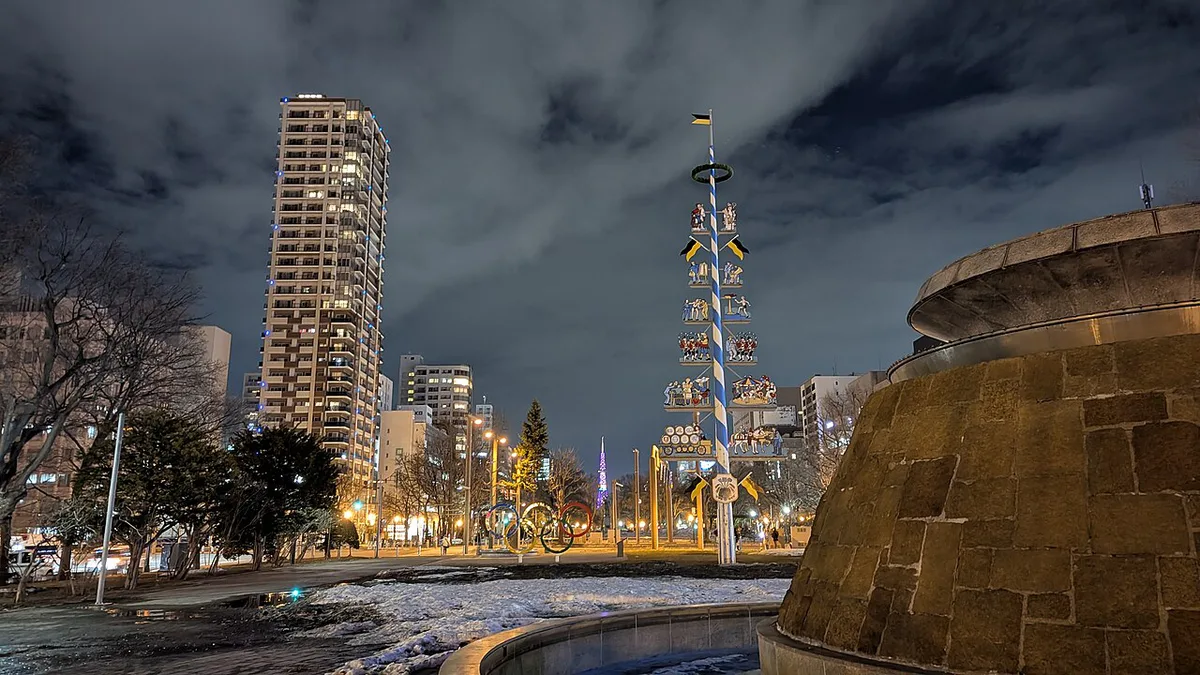
Each numbered chome along the 1-kilometer festival strip carries its own theme, so scanning the map before you arrive saves backtracking once you're inside. 4-chome works as the entry and information zone, with festival maps and starter snacks near the Odori Station exit. 5-chome concentrates on ramen and street food. Expect Sapporo miso, Asahikawa shoyu, and Hakodate shio, Hokkaido's three defining ramen styles. 6-chome mixes international stalls with a live stage for music and performances. Sake, wine, and craft beer pairings fill 7-chome, while 8-chome gathers specialty booths from towns across Hokkaido. 10-chome shifts toward wild game and farmers'-market goods, set up camping-tent style for a more relaxed, seated feel. 11-chome closes the route with Precious Table, a seated gourmet zone from top Hokkaido chefs. Reservations or limited tickets have historically been the norm there, so confirm current booking rules before counting on a seat. Vendors rotate somewhat year to year, but the zone themes have stayed consistent across recent festival editions, so this chome map is a reliable guide even before the 2026 vendor list is finalized. Walking the full route without stopping to eat takes about 20-25 minutes at a normal pace. Budget closer to 2-3 hours if you plan to sample food in most zones.
Last orders stop at 8:00 PM sharp, and the full route takes 20-25 minutes to walk without stopping, so arriving late leaves barely time to eat.
| Zone (Chome) | Theme | Highlight |
|---|---|---|
| 4-chome | Welcome & Info | Festival maps, starter snacks, event info tent |
| 5-chome | Ramen & Street Food | Sapporo miso, Asahikawa shoyu, and Hakodate shio ramen |
| 6-chome | International & Live Stage | Global food stalls with music and stage performances |
| 7-chome | Sake & Craft Beer | Hokkaido sake, wine, and craft beer pairings |
| 8-chome | Hokkaido Regional Market | Specialty booths from towns across Hokkaido |
| 10-chome | Wild Game & Farmers' Market | Game dishes and produce, camping-tent seating |
| 11-chome | Precious Table (Gourmet) | Seated multi-course meals from top Hokkaido chefs |
Signature Dishes to Prioritize
Three categories cover most of what's worth queuing for at Sapporo Autumn Fest, spread across the roughly 300 stalls that fill the park each year. Seafood and meat cluster in the middle zones, while lighter produce and dessert stalls tend to sit closer to the 4-chome and 8-chome ends of the route. A 5-chome ramen bowl pairs naturally with a 7-chome sake pour if you want one compact stop that covers both food and drink.
- Seafood: grilled scallops in butter, whole king crab legs, and a build-your-own Hokkaido Marugoto Jiyu-don rice bowl.
- Meat: Genghis Khan grilled lamb, wagyu skewers, and Hokkaido sausage.
- Produce and sweets: Hokkaido melon, butter-grilled corn on the cob, and dairy-heavy soft serve.
Budgeting: Cash, Prices, and Is It Worth It
Festival food costs more than a sit-down meal at a standalone restaurant, and cost is the most common complaint among past visitors online. Plan on roughly ¥3,000 to ¥4,000 per person for a casual round of 3-4 stall items plus a drink, noticeably above what the same dishes would run at a neighborhood shokudo. Stepping up to 11-chome's Precious Table pushes the budget further. Seated multi-course meals there commonly run ¥6,000 or more per person, and advance reservations have historically been recommended. Confirm current booking requirements before counting on a seat. Cash remains the safest payment method. Some stalls skip IC cards like Suica or Pasmo entirely, and card acceptance is inconsistent stall to stall. What you're paying for is variety and atmosphere rather than the lowest price per dish, so treat the visit as a tasting crawl rather than a full dinner replacement.
Budget roughly ¥3,000 to ¥4,000 per person and allow 2-3 hours for a relaxed sampling of multiple stalls.
Getting There: Odori Station and Exit 5
Odori Subway Station connects directly to the festival grounds via the Namboku, Tozai, and Toho lines, putting most of central Sapporo within a single ride. Exit 5 lands closest to the 4-chome entrance, which matters underground where Odori Station's passages can feel like a maze of connected exits. From the exit, the walk to the festival stalls takes about 5 minutes on foot. Signage inside the station can be confusing given how many exits feed the same concourse, so it's worth memorizing Exit 5 before heading underground. If you're arriving from Sapporo Station instead, budget extra time for the subway transfer, or walk it above ground if you'd rather skip changing trains. Sapporo Tourist Association, which organizes the event, can field questions by phone at 011-281-6400 during the festival's run.
Mistakes to Avoid: Timing, Crowds, and Weather
Stalls stop serving at 8:00 PM sharp, and arriving at 7:45 PM still isn't enough time to order and finish eating. Weekend dinners draw the thickest crowds. A weekday lunch, Tuesday around noon for example, moves faster at every stall. Popular stalls can form long queues by midday even on quieter days, so arriving early still pays off regardless of which day you pick. Seating is mostly standing-room or picnic-style on the grass, apart from 10-chome's camping tents, which offer one of the few seated refuges. Temperatures swing hard across the festival's run: daytime highs near 24°C (75°F) in mid-September ease to about 17°C (63°F) by early October. Evenings drop faster, from roughly 12°C (54°F) in September down toward 8°C (46°F) closer to the festival's early-October close, so pack a layer even if the afternoon feels warm. Check Sapporo Weather by Month: Complete Seasonal Guide to 6m Snow before you pack. Compare it against the best season to visit guide if your travel dates are still flexible.
How Autumn Fest Compares to Sapporo's Other Seasonal Festivals
Each Sapporo season gets its own signature event, and Autumn Fest is the food-first entry in that lineup. Summer's beer gardens sell atmosphere by the glass, while autumn sells it by the plate, spread across those 300-plus stalls in Odori Park. Winter's snow sculptures and summer's beer tents both draw crowds to the same park blocks, but neither carries autumn's ¥3,000-to-¥4,000 casual-meal range or its ¥6,000-plus Precious Table option. Deciding between seasons often comes down to whether you would rather spend on plated food or on general sightseeing, since only autumn concentrates spending into stall-by-stall food purchases this way.
| Season | Sapporo Festival | Typical Timing | What Sets It Apart |
|---|---|---|---|
| Winter | Sapporo Snow Festival | early February | Snow and ice sculptures across Odori Park and Susukino |
| Spring | Sapporo Lilac Festival | mid-May | Lilac blossoms along Odori Park's tree line |
| Summer | Sapporo Beer Garden | July-August | Outdoor beer gardens across the same park blocks |
| Autumn | Sapporo Autumn Fest | Sep 11-Oct 3, 2026 | 300+ stalls; casual meals ¥3,000-¥4,000, Precious Table ¥6,000+ |
- Sapporo Snow Festival guide takes over the same park each winter with snow sculptures instead of food stalls.
- Its nighttime companion, the Susukino ice festival, runs nearby with illuminated ice sculptures.
- Sapporo Lilac Festival 2026: Odori Park vs. Kawashimo Park Guide fills Odori Park with blossoms each spring.
- Sapporo Beer Garden returns to the same blocks each summer.
- Yosakoi Soran Festival brings dance-team parades downtown each June.
- Official Yosakoi Soran site listings cover past parade routes and dates for reference.
- Beyond Sapporo, Hokkaido's shrine festival circuit adds a harvest-season option worth combining with a longer trip.
Building a Multi-Day Trip Around the Festival
Most visitors treat Autumn Fest as a half-day add-on rather than a full day, since working through a handful of stalls rarely takes more than 2-3 hours at a relaxed pace. That leaves room to fold in Odori Park's surrounding sights or a broader loop through Sapporo attractions on the same trip. Travelers staying 3 or more days can cross-check Sapporo's year-round event calendar for anything else overlapping their dates. Odori Park hosts different events across the year beyond the four seasonal food-and-flower festivals covered above. Because the festival window spans both mid-September warmth and early-October chill, building in a flexible day or two helps absorb any last-minute schedule shifts from organizers.
Frequently Asked Questions
What are the 2026 Sapporo Autumn Fest dates?
Sapporo Autumn Fest is scheduled for September 11 through October 3, 2026, its typical 23-day window. Hours run 10:00 AM to 8:30 PM daily, with last orders cut off at 8:00 PM. Confirm the exact dates with Sapporo's tourism authorities closer to your trip, since start days have shifted slightly in past years.
Is admission to Sapporo Autumn Fest free?
Yes, walking into the festival grounds across Odori Park costs nothing. You only pay per item at each stall, and a casual meal of 3-4 dishes plus a drink typically runs ¥3,000 to ¥4,000. Stepping up to 11-chome's Precious Table costs considerably more, often ¥6,000 and up per person.
Do Sapporo Autumn Fest stalls accept credit cards or IC cards?
Cash is still the safest bet across most stalls. Some vendors accept IC cards like Suica or Pasmo, but acceptance is inconsistent from stall to stall, and card readers are even less common. Bring enough yen in cash to cover a full meal so a payment gap doesn't cut a stall visit short.
Which chome should first-time visitors prioritize?
4-chome is the easiest starting point, since it doubles as the information zone right near the Odori Station exit. From there, 5-chome's ramen stalls and 7-chome's sake and craft beer pairings cover Hokkaido's best-known flavors in two short blocks. Visitors short on time can skip straight to 11-chome's Precious Table for a single seated gourmet meal instead of grazing stall to stall.
Does the 11-chome Precious Table require reservations?
Precious Table has historically leaned toward reservations or limited seating for its multi-course meals, according to past festival listings. Availability and booking rules can change year to year, so confirm directly with festival organizers before building a visit around it. If seats aren't available, the standing stalls in 5-chome through 8-chome still cover Hokkaido's best-known flavors.
How cold does it get at Sapporo Autumn Fest in the evening?
Daytime highs typically sit near 24°C (75°F) in mid-September and ease to about 17°C (63°F) by early October. Evenings drop faster, often falling to 12°C (54°F) in September and closer to 8°C (46°F) near the festival's early-October close. Pack a light jacket even if the afternoon feels warm, since the temperature swing catches many first-time visitors off guard.
Free: The Sapporo Essentials guide
Top things to do, where to stay, a perfect day plan, getting around, and the best time to go — a Sapporo mini-guide you can take offline.
You might also like


Continue reading
More guides you'll find useful