What to Eat in Nikko: 8 Best Foods to Try in 2026
What to eat in Nikko in 2026: the 8 best foods, from yuba and Tochigi wagyu to soba, plus where to eat before shops close early.
On this page
Last updated July 2026, this guide covers what to eat in Nikko before the town's shrines and shops close for the evening. Nikko's food scene traces back to monks who once supplied Toshogu Shrine, so tofu skin, buckwheat noodles, and mountain trout still dominate local menus. The three must-try dishes are yuba, Nikko soba, and Tochigi wagyu, all detailed below alongside exactly where to eat them.
Why Nikko's Food Culture Tastes Different
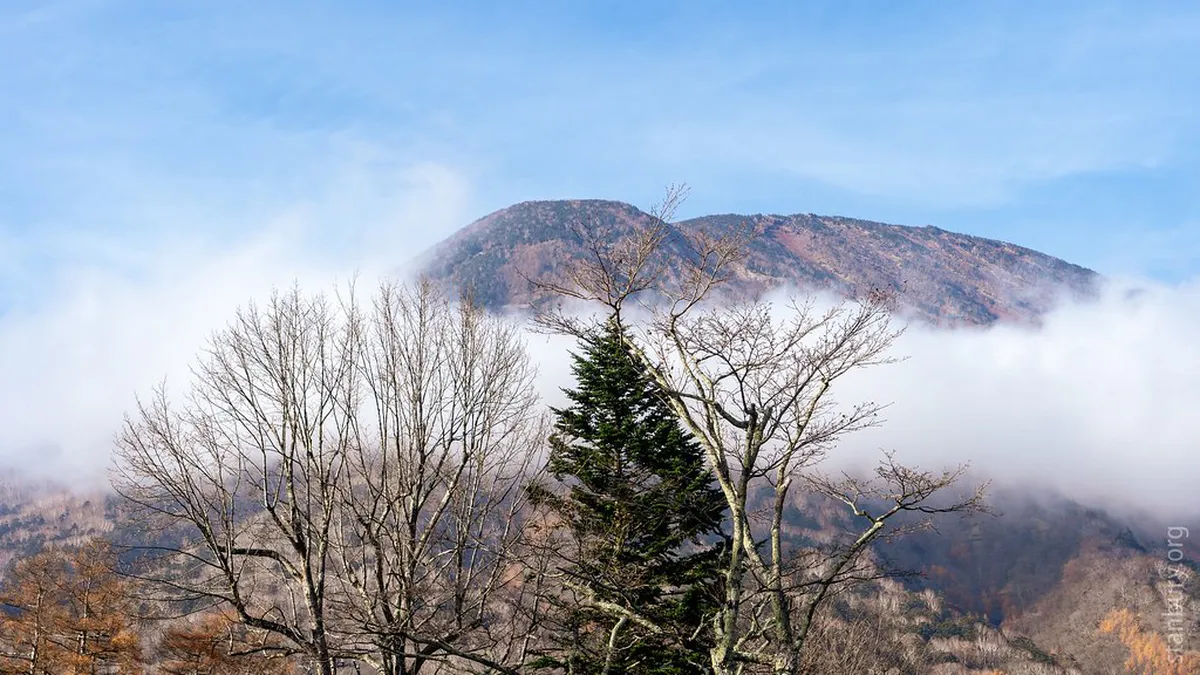
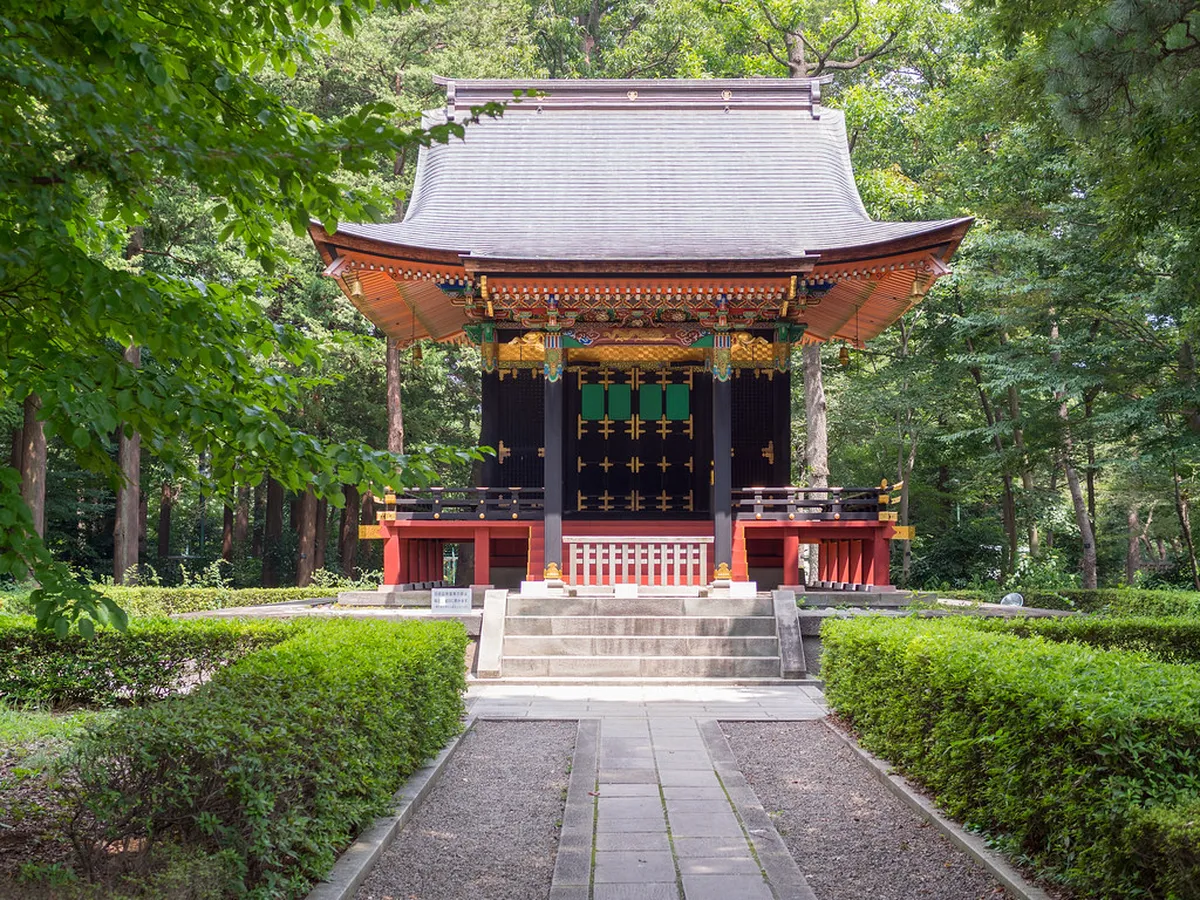
Nikko sits where the Daiya River flows down from Lake Chuzenji and Kegon Falls, and that water shapes almost everything on a local menu. Monks who served the Toshogu and Rinnoji shrine complex needed a reliable, meat-free protein, so they perfected yuba-making with local soy and mountain spring water. That same water later fed soba flour and, more recently, the natural ice that Nikko still harvests for kakigori. Nikko National Park itself spans about 440 square miles of forested terrain in northeastern Tochigi Prefecture, with cold winters and heavy summer rain that suit both buckwheat and soybean farming. When the Nikko rail line first opened in 1890, the trip from Tokyo, covering roughly 94 miles, took a full day, departing at sunrise and arriving only at sunset. Today's limited express trains cover the same route by mid-morning, which is why a Nikko food day can now start with lunch instead of dinner. A wave of Western-style yoshoku cooking arrived soon after, once international guests began visiting. The result is a menu that blends temple vegetarian cooking, mountain agriculture, and hotel-era Western dishes in one small town.
8 Best Foods to Eat in Nikko
This ranking moves from Nikko's signature dish to its everyday snacks, roughly the order to prioritize on a single day in town. Prices below reflect what local shops charge as of 2026. Carry cash, since several of these spots don't take cards.
Full yuba specialist courses at ¥4,000 or more typically come with English menus and formal service, while soba at ¥1,000–¥1,500 comes from family-run counters where pointing at neighbors' dishes replaces translation. Budget and comfort with informal dining determine which foods stay accessible.
- Yuba (Nikko Tofu Skin)
- Yuba forms when soy milk is heated gently and the skin that rises to the surface is lifted and dried, a method tied to Nikko's temple kitchens.
- Order Yubajyu, yuba over rice with a clear broth, for around ¥1,300 at a shop like Santen Amataro. A full Yuba Gozen course costs ¥4,000 or more at a specialist like Yuba Gozen Sun Field.
- The deep dive into Nikko yuba covers every serving style, including fried yuba and yuba udon.
- Nikko Soba
- Soba shops in Nikko lean on mountain spring water, which gives the buckwheat noodles a cleaner bite than tap water alone.
- A soba lunch set typically costs ¥1,000-¥1,500, making it the budget option next to yuba and wagyu.
- Check the handmade soba shops list for exact locations near the station and shrine district.
- Tochigi Wagyu
- Tochigi Prefecture's wagyu appears on lunch sets at several Nikko restaurants, a way to try it without paying a full dinner-menu price.
- Meiji-no-Yakata, a restaurant inside a 1920s villa near the shrine forest, plates Tochigi wagyu alongside hen-of-the-woods mushrooms and Yasio trout.
- The Nikko restaurant shortlist has more options for booking a wagyu lunch table.
- Grilled Yamame and Yasio Trout
- Freshwater trout from Tochigi's aquafarms, called yasio or yamame locally, gets grilled whole and served near Lake Chuzenji.
- Restaurants along the lakeshore keep the preparation simple, letting the trout and the water views carry the meal.
- Pair a trout lunch with a stop at Kegon Falls, where the Daiya River begins a 315-foot drop toward central Nikko.
- Nikko Kakigori (Natural Ice Shaved Ice)
- Nikko keeps one of just five remaining natural ice houses in Japan, according to the official Visit Nikko guide, and shops shave that ice into kakigori.
- Typical flavors include ujikintoki (matcha with sugar syrup), azuki red bean, strawberry, and melon.
- The Nikko cafe and dessert picks name specific shops and their house flavors.
- Yokan and Manju
- Yokan, a firm red bean jelly, and manju, steamed buns with sweet fillings, sell across central Nikko as portable, no-reservation snacks.
- Both travel well if a shrine visit runs long and a sit-down lunch window has already passed.
- The street food and snacks guide lists where to buy them near Toshogu and the station.
- Yoshoku (Western-Style Classics)
- Kanaya Hotel has served Western-inspired yoshoku, like omuraisu (ketchup rice wrapped in a thin omelette), since 1873.
- Its bakery near Shinkyo Bridge still turns out royal, British, and campanue loaves.
- Meiji-no-Yakata, opened in 1977 inside a 1920s villa, serves a similar era's spaghetti, beef hash, and clam chowder.
- Local Sake
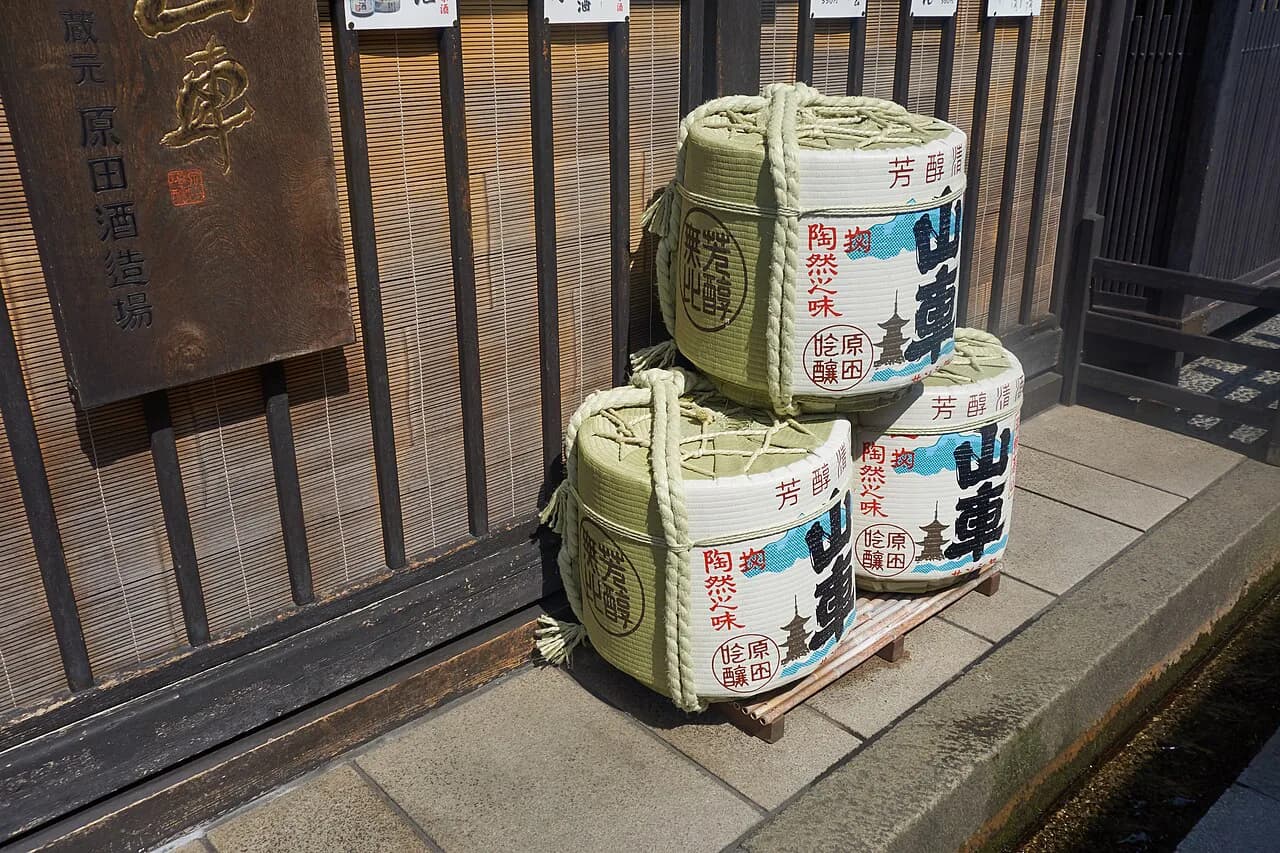
- Watanabe Sahei Shoten, a sake brewery running since 1842 in downtown Nikko, brews its Junmai Daiginjo through the cold months from November to March.
- Katayama Shuzo, a family brewery now in its seventh generation, makes an undiluted genshu sake from water drawn roughly 49 feet underground.
- The regional sake and drinks guide covers tasting rooms and where to order both by the glass.
Where to Eat in Nikko: Near Toshogu Shrine, the Station, and Lake Chuzenji
Grouping meals by location saves the 20-30 minute uphill walk between the station and the shrines. Arrivals at Tobu-Nikko Station land within an easy walk of quick ramen and gyoza counters, useful right off the train or just before heading back to Tokyo. Toshogu Shrine, where Tokugawa Ieyasu was enshrined in 1616, anchors the shrine district and draws most visitors through the area at lunchtime. The complex's 55 buildings, including its Yomeimon gate, sit inside a cedar forest that also holds Rinnoji Temple and the Shinkyo Sacred Bridge, often named among Japan's most beautiful bridges. Restaurants near Toshogu, covered in the Nikko attractions guide, see a lunch rush timed to shrine visits and close well before a typical dinner hour. That district sits 20-30 minutes uphill on foot from the station, or 15 minutes by World Heritage Tour bus. It holds most of Nikko's yuba specialty houses along with the Yoshoku restaurants near Shinkyo Bridge. A local bus between the temples costs ¥350 one-way and takes about 10 minutes, a cheaper alternative to walking between a shrine visit and a lunch reservation. One yuba shop, Santen Amataro, has moved from near the station to a riverside spot along the road to Kanmangafuchi Abyss. It's now a 37-minute walk or a 12-minute bus ride from the center, worth knowing since an old address still circulates online. The Kanmangafuchi Abyss guide covers that same riverside path, lined with jizo statues, in full. Lake Chuzenji and Kegon Falls sit further up the mountain road, a separate trip from central Nikko. The Lake Chuzenji guide covers that side trip in full. The Kegon Falls guide does the same for the waterfall. Grilled trout lunches make the most sense at the lake, with a view to match.
| Area | Best For | Getting There |
|---|---|---|
| Tobu-Nikko Station | Quick ramen, gyoza, or a last meal before the train | Starting point |
| Shrine district & Shinkyo Bridge | Yuba specialty houses, Yoshoku classics | 20-30 min walk uphill, or 15 min by World Heritage Tour bus |
| Kanmangafuchi Abyss riverside | Santen Amataro's current yuba location | 37 min walk, or 12 min bus ride |
| Lake Chuzenji & Kegon Falls | Grilled yamame/yasio trout with lake views | Separate mountain-road trip |
Historic Dining: Kanaya Hotel and Meiji-no-Yakata
Nikko's Western-style dining goes back further than most visitors expect. Kanaya Hotel has operated near Shinkyo Bridge since 1873. Its kitchens have hosted guests like architect Frank Lloyd Wright in 1905, Albert Einstein in 1922, and Emperor Haile Selassie of Ethiopia in 1956. Meiji-no-Yakata sits inside a 1920s villa once used as the summer retreat of Fred W Horn, credited with bringing the gramophone to Japan. Opened as a restaurant in 1977, it keeps a New England-meets-Meiji-era menu built around spaghetti with meat sauce, beef hash and rice, and clam chowder. Regional touches like Tochigi wagyu and Yuba and Yasio Trout round out the menu.
The Dinner Challenge: Eating After 5 PM in Nikko
Most independent restaurants in central Nikko close by 5 PM, and the evidence is in their posted hours. Yuba Gozen Sun Field runs 11 AM to 5 PM and closes Thursdays. Santen Amataro runs 10 AM to 5 PM and closes Wednesdays. Gyoza no Umechan, a ramen and gyoza spot near the station, only opens Noon to 2:30 PM and closes Mondays. That leaves two realistic paths to a real dinner. One is eating at a ryokan. The other is catching one of the few counters that stay open later near the station. Overnight guests should confirm a ryokan's dinner plan before arrival. The Nikko ryokan guide flags which properties include a kaiseki-style evening meal and which leave dinner to guests. Day-trippers headed back to Tokyo should treat lunch as the main meal instead, eating at Yuba Gozen Sun Field or Santen Amataro while they're still open. A ryokan's kaiseki dinner often includes a sake tasting, a practical way to sample the breweries covered above without a separate stop.
Overnight ryokan stays solve the 5 PM restaurant closure problem while including local brewery tastings. Visitors thus experience both dinner and regional sake without separate brewery visits, making the ryokan a multipurpose evening stop.
What a Ryokan Dinner in Nikko Usually Includes
A ryokan dinner in Nikko typically arrives as a multi-course kaiseki-style meal, served in the room or a private dining area. Courses often move from a light starter through sashimi or lake fish, a simmered dish, a grilled course, rice, and a seasonal dessert. Because the courses change with what's local and in season, a Nikko ryokan dinner is one of the more reliable ways to try Tochigi wagyu or yasio trout without booking a separate restaurant. Some ryokans post a sample seasonal menu online in advance, worth checking before booking if a specific ingredient like wagyu or trout is the priority. Breakfast the next morning is usually included too, often built around rice, grilled fish, and a soy-based side rather than a Western spread.
Planning Your Nikko Food Budget
Set expectations before choosing where to eat. A soba or ramen lunch runs ¥1,000-¥1,500. A Yubajyu set costs around ¥1,300, and Yuba Udon around ¥900. A full Yuba Gozen course, with drinks and sides, typically reaches ¥3,000-¥4,000 per person, and a la carte teishoku sets at Yuba Gozen Sun Field start from ¥2,200. Gyoza and ramen at Gyoza no Umechan run ¥1,500-¥2,500 per person without drinks. Many of these family-run spots are cash-only, so carry enough yen before leaving the station. ATMs are easier to find there than near the shrine district. Getting there factors into the day's budget too. A one-way limited express from Shinjuku costs ¥4,090, while cheaper local-to-express combinations from Tobu Asakusa Station run about ¥1,400-¥3,340 one-way and take two to three hours. Factor that travel time into when lunch reservations make sense.
| Dish | Best For | Typical Price |
|---|---|---|
| Yuba | Traditional, sit-down experience | ¥900-¥4,000+ depending on the set |
| Soba | Quick, budget-friendly lunch | ¥1,000-¥1,500 |
| Tochigi Wagyu | A splurge without a full dinner bill | Lunch sets cost less than the equivalent dinner menu |
Seasonal Notes for Nikko's Food
A few Nikko specialties line up with specific seasons. Local sake breweries like Watanabe Sahei Shoten run their main brewing season from November through March, when cold air suits slow fermentation. Kakigori made from Nikko's natural ice draws the longest lines in the hotter months, though shops serve it whenever the ice house is stocked. Autumn brings crowds to Kegon Falls and the shrine district together, so a grilled trout lunch near the lake pairs naturally with an autumn foliage day at the falls.
A 1-Day Nikko Food Itinerary
Travelers on a single day trip from Tokyo can fit four food stops around the main sights without doubling back. Overnight visitors can follow the same order and add a ryokan dinner at the end. The full Nikko itinerary covers the sightseeing side of this same route in more detail.
- Morning: Arrive at Tobu-Nikko Station
- Check timing in the Tokyo-to-Nikko transit guide before setting a lunch reservation window.
- Midday: Lunch in the shrine district
- Walk 20-30 minutes uphill, or take the 15-minute World Heritage Tour bus, and eat at Yuba Gozen Sun Field or a nearby soba shop.
- Afternoon: Kanmangafuchi Abyss
- Walk the riverside jizo statue path, then stop at Santen Amataro's current location for Yuba Udon before it closes at 5 PM.
- Evening: Back to the station, or on to a ryokan
- Day-trippers should pick up yokan or manju for the train home.
- Overnight guests should head to their ryokan for dinner.
- Travelers staying longer can branch out using the regional day trip guide for meals beyond central Nikko.
Ordering When You Don't Read Japanese
Most of the dishes on this list are easy to point at even without reading Japanese. Yuba, soba, and wagyu appear in Roman letters on plenty of menus and shop signs around the shrine district. Smaller, family-run spots like Santen Amataro and Gyoza no Umechan often rely on a short, seasonal menu rather than an English translation, so pointing at a photo or a neighboring table's dish works well. None of this requires fluent Japanese. Pointing, gesturing toward a neighboring table's order, or using a phone translation app covers most situations at Nikko's smaller counters. Staff at ryokans and larger restaurants near the station are more likely to have an English menu on hand.
Restaurant Etiquette to Know Before You Sit Down
A few habits make ordering smoother at Nikko's smaller restaurants. Tipping isn't expected anywhere in Japan, including at ryokans and family-run yuba houses. Many small shops seat parties as tables free up rather than taking phone reservations, so arriving right at opening avoids a wait during the lunch rush. Removing shoes is common at traditional tatami-style seating, particularly at ryokan dinners and some of the older yuba specialists near the shrine district. Some smaller shops also close for a short midday break between lunch and dinner service hours, so a very early or very late lunch can occasionally miss the window.
Mistakes to Avoid When Eating in Nikko
A few planning mistakes come up often enough to flag directly. Most of them cost travelers a meal, not just convenience.
- Waiting until evening to look for food near the shrines
- Most shrine-district kitchens close by 5 PM, so a 6 PM search for dinner in that area usually comes up empty.
- Booking a ryokan without confirming dinner
- Some Nikko ryokans include a kaiseki dinner and some don't.
- Check before assuming a meal is part of the stay.
- Overlooking vegetarian options
- Nikko's Buddhist temple history left a strong tradition of meat-free cooking, and yuba-based sets are often vegetarian by default.
- The vegetarian dining guide lists specific shops and dishes to order.
- Assuming every restaurant takes cards
- Several of the family-run shops covered above are cash-only, so plan to carry yen rather than rely on a card.
- Not grouping meals by location
- Zig-zagging between the station and the shrine district wastes the 20-30 minute uphill walk twice in one day.
- Expecting every menu to have English translations
- Smaller, family-run spots may only post a Japanese or picture menu, so pointing at a dish or a neighboring table's order works better than expecting a translated menu.
How Nikko Yuba Is Served
Nikko yuba appears in several forms, so choosing a dish involves more than deciding whether to order tofu skin. Local producers lift the film from heated soy milk and often fold it, creating a thicker, layered texture.
- Yuba sashimi: Chilled, soft yuba served with soy sauce, wasabi, or another light condiment. Despite the name, it contains no raw fish.
- Simmered yuba: Rolled or folded pieces cooked in seasoned broth. This preparation commonly appears in yuba gozen meals and temple-influenced dishes.
- Fried yuba: A crisp or lightly chewy version served as a snack, side dish, or topping for noodles.
Yubajyu places seasoned yuba over rice, while yuba udon offers a simpler meal between sightseeing stops. A multi-course yuba gozen provides the widest comparison of textures. Vegetarian travelers should still ask about the broth, because some kitchens use fish-based dashi even when the visible ingredients are meat-free.
Explore food in other cities
Further reading: Nikko on Wikivoyage · Nikko on Wikipedia
Frequently Asked Questions
What is the most famous food in Nikko?
Yuba, Nikko's tofu skin, is the town's most famous dish. It's served as Yubajyu over rice or as part of a multi-course Yuba Gozen set.
What time do restaurants in Nikko close?
Most independent restaurants in central Nikko, including the shrine district's yuba specialists, close by 5 PM. Treat lunch as the main meal, and plan dinner around a ryokan or a station-area exception.
Is Nikko good for vegetarian travelers?
Nikko's Buddhist temple history left a strong tradition of meat-free cooking. Yuba-based sets are often vegetarian by default, which makes Nikko an easier stop than many Japanese towns for meat-free dining.
How much does a meal cost in Nikko?
Budget ¥1,000-¥1,500 for a soba or ramen lunch. A full Yuba Gozen course with sides and drinks typically runs ¥3,000-¥4,000 per person.
Can you pay by credit card in Nikko?
Many of Nikko's family-run restaurants, including several yuba specialists, are cash-only. Carry enough yen before leaving Tobu-Nikko Station, since ATMs are easier to find there than near the shrines.
How do you get from the station to the shrine district?
It's a 20-30 minute uphill walk from Tobu-Nikko Station to the shrine district, or about 15 minutes by World Heritage Tour bus.
What's the best area to base yourself for food in Nikko?
Central Nikko, near the station or the shrine district, keeps every kind of restaurant within a short walk or bus ride. Lake Chuzenji is worth a separate trip for grilled trout, not a home base.
What's the best time of year to visit Nikko for food?
Autumn draws the biggest crowds, when foliage viewing pairs naturally with a grilled trout lunch near Kegon Falls. Winter suits the local sake, since breweries run their main season from November through March.
Explore More Nikko Food and Trip Planning
Dig deeper into Nikko's signature dishes, casual eats, and dietary options, then round out the visit with itinerary and lodging guides.
Nikko's Signature Dishes
- Nikko attractions hub: tickets, hours & maps
- Nikko Sake and Local Drinks: 2026 Guide to Breweries, Beer, and Amazake
- Nikko Soba Noodles
- Nikko Food and Restaurants
Grazing and Casual Eats
Special Diets
Plan the Rest of Your Trip
Free: The Nikko Essentials guide
Top things to do, where to stay, a perfect day plan, getting around, and the best time to go — a Nikko mini-guide you can take offline.
You might also like


Continue reading
More guides you'll find useful