Nikko Sake and Local Drinks: 2026 Guide to Breweries, Beer, and Amazake
A 2026 guide to nikko sake and local drinks: key breweries, craft beer, amazake, cedar-aged taruzake, and where to drink after Nikko's shops close early.
On this page
Last updated July 2026, Nikko's sake and craft beer draw on the same high-altitude water that shapes its yuba and soba. Snowmelt off Mount Nantai feeds the Daiya River and the wells around Imaichi, giving nikko sake and local drinks a soft, low-mineral profile. For a fast start, try a Junmai Ginjo from Katayama Sake Brewery, a bottle of Nikko Brewing's Nikko Belge, or hot amazake near Toshogu Shrine.
Nikko Sake and Local Drinks Start With Nikko-Sui Water
Nikko sits below Mount Nantai, and its brewers call the local water nikko-sui. Snowmelt filters through volcanic rock before it reaches the Daiya River and the wells around Imaichi. That filtration strips out minerals, leaving water soft enough to soften a sake's finish rather than sharpen it. Soft water ferments more slowly than mineral-heavy water, which tends to produce a rounder, less acidic sake. The same water shapes the yuba and soba that anchor Nikko's food scene, so a brewery stop and a bowl of noodles draw on one shared source. Locals sometimes point to this same water table as the reason Nikko's yuba producers set up near the river in the first place.
The Cedar Influence: Nikko's Taruzake Tradition
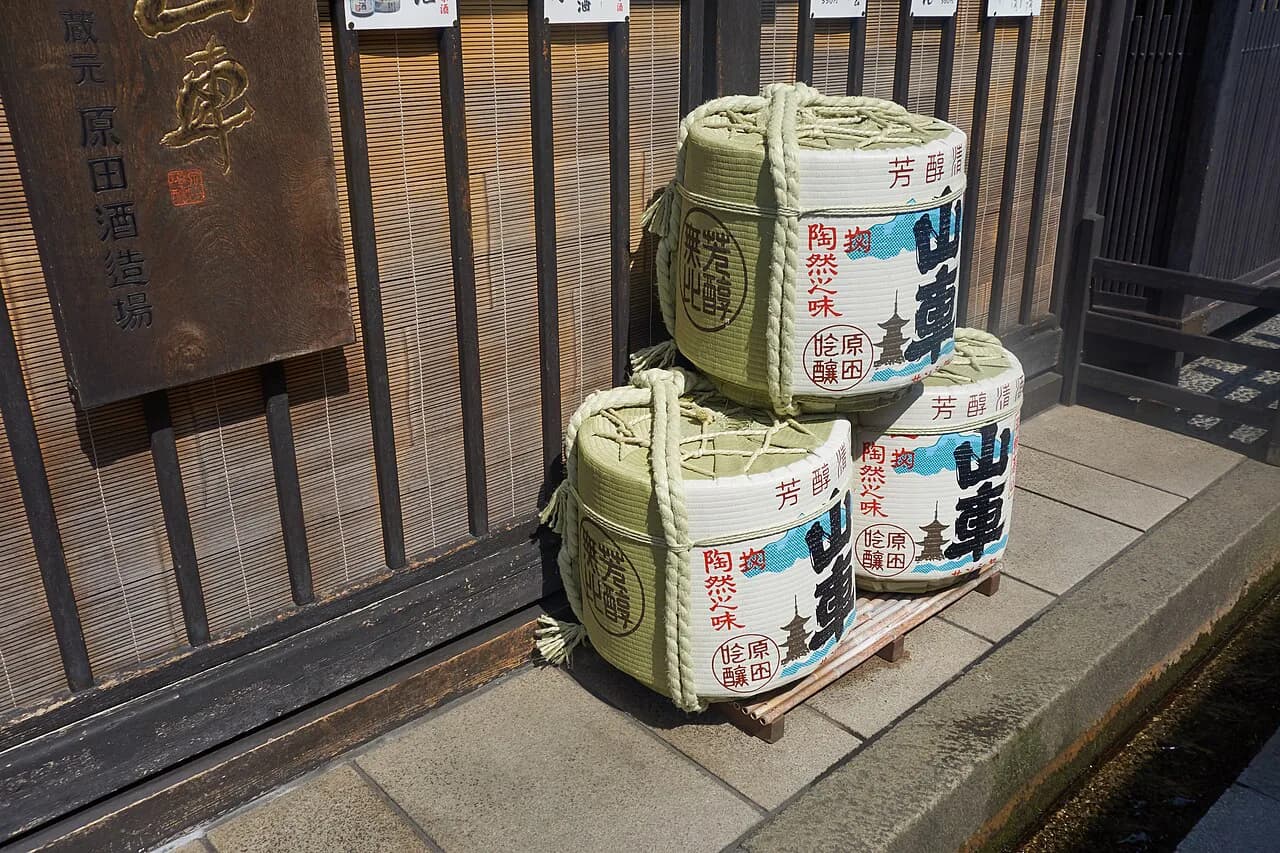
Nikko cedar has a long history as barrel material for aging sake, a style known as taruzake. Aging in cedar pulls a faint pine and wood note into the finish, a contrast to the cleaner profile of nikko-sui alone. The tradition predates modern glass bottling, when barrels were the standard way to transport sake between towns. Bottles sold near Shinkyo Bridge sometimes lean into this tradition with cedar-themed packaging, distinct from the plain glass used for standard nihonshu. Taruzake pairs well with heartier dishes, since the cedar note stands up to grilled river fish in a way a lighter Junmai does not. Some shops sell taruzake specifically as a gift item, since the barrel aging and the packaging both reference the region rather than a generic sake style. A small cedar cup, called a masu, is sometimes used to serve it, adding a second layer of wood aroma to the pour.
Where to Try Nikko's Sake Breweries
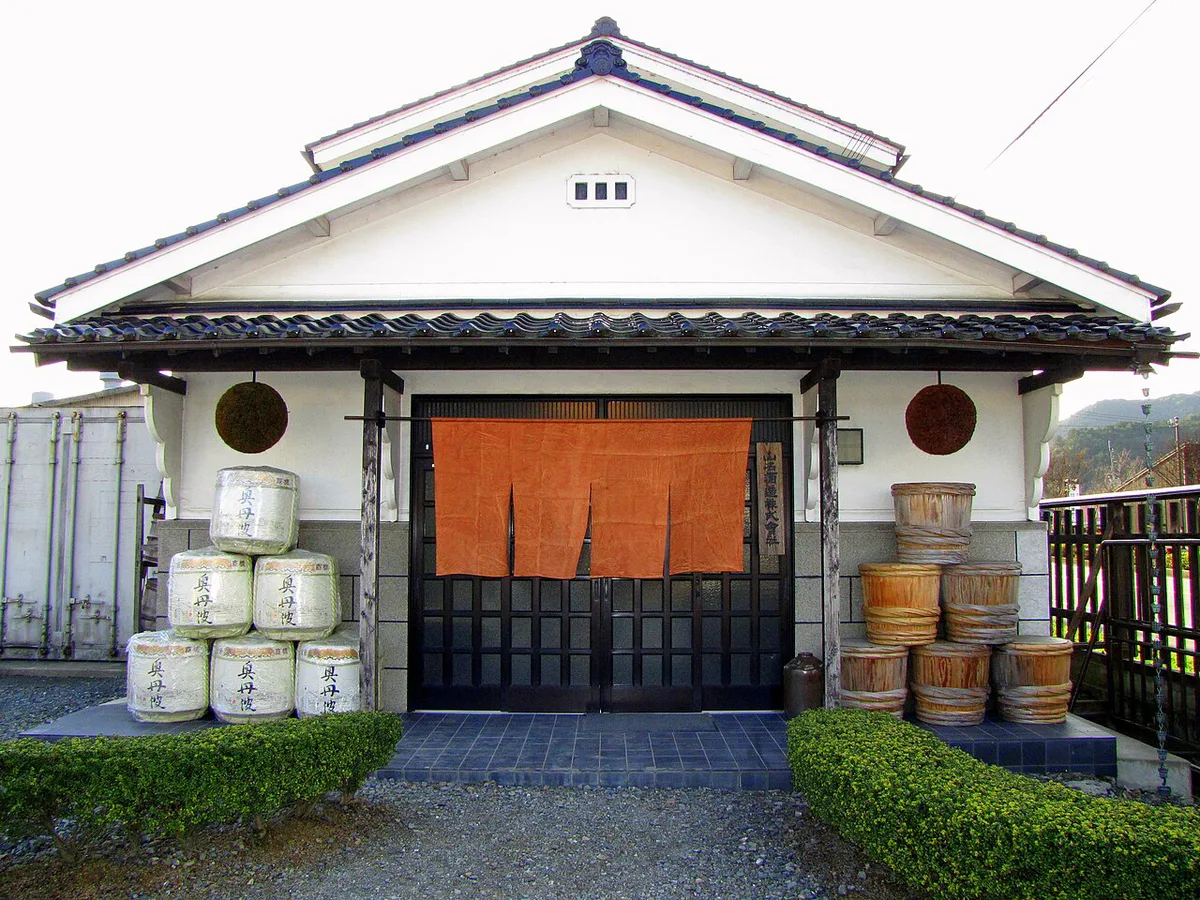
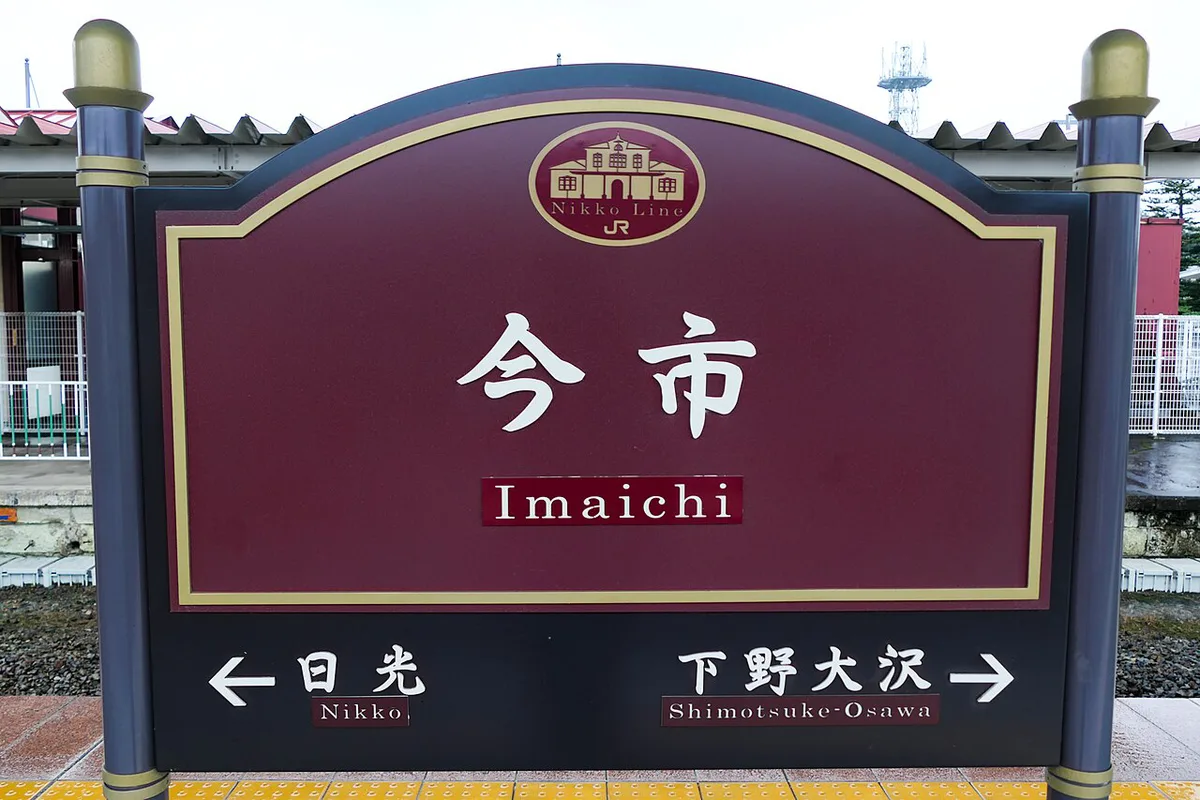
Two names anchor Nikko's sake scene: Watanabe Sahei Shop and Katayama Sake Brewery. Katayama traces its history to 1880 and still bottles under labels such as Nikko Homare and Kansho. Both sit in Imaichi, on the approach route between Tokyo or Utsunomiya and central Nikko. Watanabe Sahei Shop leans toward retail sales, while a sit-down tasting is more consistently associated with Katayama, though both should be confirmed directly before a visit. Dry karakuchi styles are more common locally than sweet amakuchi ones, though both turn up on izakaya menus. Junmai and Junmai Ginjo labels denote how much the rice grain is polished before brewing, with a higher polish generally giving a lighter, more fragrant result. Tour and tasting-room hours shift with the season and staffing. Call ahead or check each brewery's current status before building a visit around a specific tour time. Spring visits sometimes coincide with namazake, an unpasteurized release sold only for a few weeks before it's bottled and pasteurized for wider distribution.
| Brewery | Location | Known For | Visitor Access |
|---|---|---|---|
| Watanabe Sahei Shop | Imaichi | Retail sake and local labels | Check current tour and tasting hours before visiting |
| Katayama Sake Brewery | Imaichi | Founded 1880; Nikko Homare and Kansho labels | Check current tour and tasting hours before visiting |
- Station-area shop tasting: about ten minutes, no reservation needed.
- Dedicated brewery visit: an hour or more, with tour hours that vary by season.
- Izakaya sampling: flexible timing, several labels available by the glass after dark.
Nikko's Craft Beer: Nikko Brewing
Nikko Brewing is the city's craft beer producer, known locally for its Nikko Belge and Senzhu lines. Belgian-style ales sit alongside seasonal batches, depending on what's running that month. Seasonal batches sometimes appear only for a few months at a time, so a specific style spotted in spring may not still be available by autumn. Convenience stores and gift shops around the station area stock Nikko Brewing bottles more often than bars pour them on tap. Check current availability before planning a taproom stop around one specific beer. Cafes near the station sometimes rotate a Nikko Brewing tap alongside coffee and light meals, which suits travelers who want a single glass rather than a full bottle. Pairing a bottle with grilled river fish or a bowl recommended in a Nikko soba guide works well after a day of shrine walking.
Amazake, Tea, and Nikko's Non-Alcoholic Drinks
Amazake, a low-alcohol fermented rice drink, turns up at stalls near Toshogu Shrine, especially as a hot cup in winter. Vendors along the approach also sell it cold in warmer months, often alongside other Nikko street food options. Local tea blends, some tied to the area's Zen temple history, show up in cafes near the shrine complex, including stops covered in a Nikko dessert cafe guide. Nikko's spring water itself is part of the draw. Several fountains and refill points around town let visitors taste the same source that feeds the breweries, free of charge. A cup of tea or amazake works as a practical warm-up between shrine visits, especially in the colder months when temple grounds sit exposed to mountain wind.
- Spring: namazake, an unpasteurized sake released as a seasonal batch.
- Winter: hot amazake sold near Toshogu Shrine.
Where to Drink After Nikko's Shops Close Early
Retail streets near the station wind down early, and many shops close by 6:00 PM. That timing catches first-time visitors off guard after a full day of sightseeing. Izakayas in the area between Nikko Station and Shinkyo Bridge stay open later and pour local sake and Nikko Brewing beer by the glass. Convenience stores near the station also stock canned local beer for travelers who'd rather drink back at a hotel room than sit down at an izakaya. Ryokan dinners solve the timing problem differently. A kaiseki set booked through a Nikko ryokan typically includes a local sake pairing with the meal, so the drink is built into dinner rather than a separate stop. Up at Lake Chuzenji, the selection shifts toward lodge and hotel bars, and a stop there fits naturally into a Lake Chuzenji visit. The higher elevation around the lake means a shorter, simpler drinks list than the station area offers, so travelers looking for the full brewery lineup should plan for that before heading up.
- Station area (Nikko Station to Shinkyo Bridge): izakayas open into the evening.
- Ryokan dining: kaiseki sets often include a local sake pairing.
- Lake Chuzenji: hotel and lodge bars, at a higher elevation with a smaller selection.
Fitting a Drink Stop Into a Nikko Day Trip
Most visitors reach Nikko on a day trip from Tokyo lasting a single day, which limits how much time is left for sake tasting after temple visits. Travelers using a guide to getting to Nikko from Tokyo typically arrive at Nikko Station by mid-morning. That leaves the afternoon for both Toshogu Shrine and a stop at a sake shop nearby. A station-area tasting fits easily into that schedule since it takes about ten minutes. A dedicated brewery visit in Imaichi needs extra transit time, since it sits off the main walking route between the station and the shrine complex. Travelers following a full Nikko itinerary over two days have more flexibility. An overnight stay opens up an evening izakaya stop and a slower brewery visit the next morning.
Many Nikko sake shops close by 6:00 PM, making early planning critical for day-trippers: a station-area tasting takes about ten minutes, but a dedicated brewery visit requires an hour or more.
Pairing Nikko Sake and Local Drinks With Yuba and Soba
Yuba's soft, layered texture calls for a sake that won't overpower it. A Junmai or Junmai Ginjo from Katayama Sake Brewery works well alongside the tofu skin dishes covered in a Nikko yuba guide, including versions suited to a vegetarian Nikko meal. Buckwheat soba calls for something with more body. Either Nikko Brewing's beer or a dry karakuchi sake stands up to the noodles and to grilled river fish served alongside them. Taruzake's cedar note also works with grilled fish, since the wood aroma matches the smokiness from the grill. Restaurants listed in a Nikko restaurant guide typically pour at least one local sake by the glass, so pairing doesn't require a separate brewery stop.
Reading Nikko Sake Labels and Packaging
Nikko-brewed bottles often carry regional cues on the label beyond the brand name. Look for kanji referencing Nikko, Imaichi, or Toshogu, which usually signal a brewery-specific release rather than a wider regional blend sold across Tochigi. Junmai on a label means the sake is made purely from rice, water, koji, and yeast, without added distilled alcohol. Ginjo and Daiginjo designations point to a higher rice-polishing ratio, which typically produces a lighter, more fragrant pour. Labels marked namazake indicate an unpasteurized batch meant to be drunk soon after purchase, usually within the season it's released. Taruzake bottles are usually marked separately, since the cedar-aging process changes both the flavor and the intended pairing compared with a standard nihonshu.
Shopping for Bottles and Souvenirs
The area between Nikko Station and Shinkyo Bridge holds the highest density of sake shops in town. That makes it the easiest stretch for souvenir shopping on foot. Bottles built around labels like Nikko Homare or Kansho typically run about ¥1,500 to ¥3,000, depending on size and grade. Cedar-barrel taruzake bottles cost more, and their Nikko-themed labels make a distinct gift compared with a generic sake design. Shops here restock ahead of peak travel weekends. Availability of specific limited labels still varies, so check what's in stock during a given visit. A single-serving bottle is generally easier to pack than a full-size one, especially for travelers checking a bag rather than carrying it on.
Standard bottles like Nikko Homare run ¥1,500 to ¥3,000, but cedar-aged taruzake costs more because it goes through barrel aging and pairs especially well with grilled river fish.
For trip-planning details, see Sake - Wikipedia.
Further reading: Nikko on Wikivoyage · Nikko on Wikipedia
Frequently Asked Questions
Can travelers visit Nikko's sake breweries without a reservation?
Some tastings run on a walk-in basis, but hours and tour availability shift by season and staffing. Call ahead or check each brewery's current status before planning a visit around a specific tour time.
What is the legal drinking age in Japan?
Japan's legal drinking age is 20. Staff at izakayas, breweries, and shops routinely ask for ID from anyone who looks younger.
Are there any drink-focused festivals in Nikko?
Seasonal releases mark the calendar more reliably than a single dedicated festival, including spring namazake and winter amazake near Toshogu Shrine. Check current event listings before building a trip around a specific date.
Is it easy to find craft beer in Nikko's convenience stores?
Nikko Brewing bottles turn up in convenience stores and gift shops around the station area more often than pours on tap. Check current stock before counting on a specific bottle.
How does Nikko's water affect its sake?
Snowmelt off Mount Nantai filters through volcanic rock before reaching the Daiya River and the wells around Imaichi. That soft, low-mineral water gives local sake a smoother finish than harder water would.
How much does a bottle of Nikko sake typically cost?
Bottles built around labels like Nikko Homare or Kansho typically run about ¥1,500 to ¥3,000, depending on size and grade. Cedar-barrel taruzake bottles often cost more because of the specialty packaging.
What's the best area to base a Nikko drinks itinerary around?
The stretch between Nikko Station and Shinkyo Bridge offers the widest range of shops and izakayas within walking distance. Imaichi suits travelers prioritizing a specific brewery visit over a wide shop selection. Lake Chuzenji works best as a scenic add-on rather than the main focus for tasting.
Free: The Nikko Essentials guide
Top things to do, where to stay, a perfect day plan, getting around, and the best time to go — a Nikko mini-guide you can take offline.
You might also like


Continue reading
More guides you'll find useful