Nikko Soba Noodles: Where to Eat, What to Order, and Timing Tips (2026)
A 2026 guide to nikko soba noodles: where to eat by area, yuba soba pairings, Imaichi classes, and timing tips to avoid sold-out shops.
On this page
Last updated July 2026: Nikko soba noodles owe their character to the cool Okunikko highlands and soft subsoil water off the Nikko mountain range. Buckwheat suits this climate better than rice, and more than 100 handmade shops serve the noodles across the city. This guide covers where to eat by itinerary, which orders to know, and the timing mistake that empties shops by early afternoon.
What Makes Nikko Soba Noodles Distinct: Water, Climate, and Buckwheat
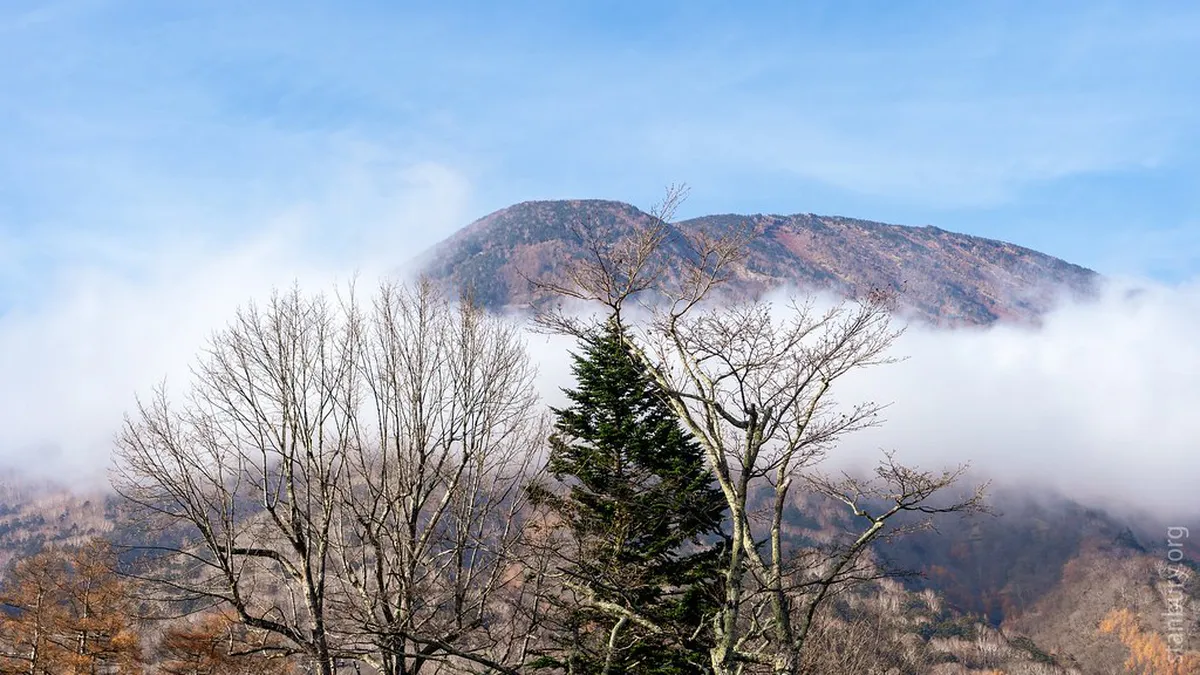
Nikko's soba tradition starts with geography. Okunikko highlands stay cool through the growing season. Cool valley air, not just latitude, drives the difference; the Okunikko highlands sit well above the rice-growing lowlands nearby. That day-night temperature swing pushes buckwheat plants toward a stronger flavor than warmer, lower elevations produce. Millers also draw on soft subsoil water off the Nikko mountain range. That water shapes both the noodles' texture and the dipping broth's flavor. Shops generally serve two styles. Juwari soba uses 100 percent buckwheat flour, prized for short, delicate strands and a flavor some diners call slightly sweet. Nihachi soba mixes about 80 percent buckwheat flour with 20 percent wheat flour, producing a firmer noodle with more bite. Menus rarely spell out the difference. Look for juwari (十割) or nihachi (二八) printed near the noodle listing. If neither term appears, ask staff which ratio a set uses. Shops proud of hand-cut noodles typically post a sign reading teuchi soba (handmade soba) near the entrance. Menus without that label may be serving machine-cut noodles, worth asking about if that distinction matters.
Where to Eat by Itinerary: Central Nikko, Imaichi, Lake Chuzenji, and Kinugawa Onsen
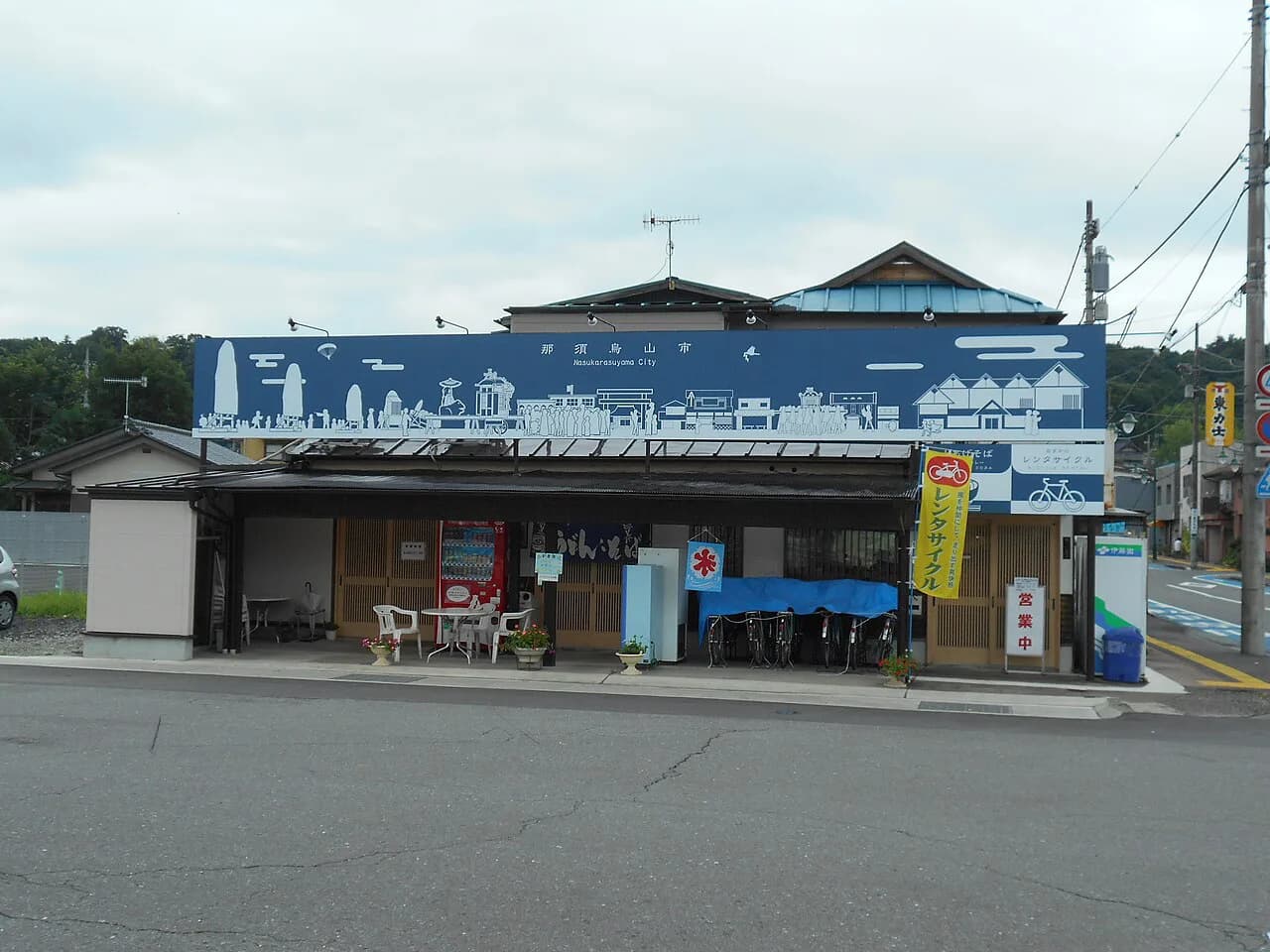
Nikko splits into four practical zones for a soba lunch. Picking the right zone depends on the rest of the day's plan. Central Nikko clusters shops near Toshogu Shrine, useful between temple visits. For more on the shrine district, see the Nikko attractions guide. Imaichi is the historic soba town, the gateway area where old inn-town character survives in kominka-style dining rooms. One long-running Imaichi-area shop, Kokigawa Sankirai, occupies a log house built from local cedar overlooking the Kurokawa river. It serves a yuba-topped soba set for around ¥1,700, with an extra soba portion for ¥400 more. Hours run 11:00 AM to 3:00 PM, last order 2:30 PM, with Thursdays closed. Lake Chuzenji and the Okunikko highlands, which also take in the Senjogahara marshlands and Mt. Nantai, pair yuba soba with mountain views. Kegon Falls sits nearby, covered in the Kegon Falls guide. Lake Chuzenji's wider shoreline is covered in the Chuzenji Lake guide. Kinugawa Onsen suits travelers based at a hot-spring ryokan. Properties such as Hoshino Resorts KAI Kinugawa serve soba as part of a wider dining program built around the onsen stay. Ryokan options in that district are listed in the best ryokan in Nikko guide. For a broader restaurant list beyond soba, see the Nikko food restaurants guide.
Soba-making classes at Nikko no Sho cost ¥2,800 per person for groups of three or more, comparable to a meal at Kokigawa Sankirai (¥1,700). Larger groups significantly reduce per-person class costs versus solo or duo bookings.
| Area | Best For | Getting There | Typical Price |
|---|---|---|---|
| Central Nikko | Shrine-and-temple day-trippers on a tight schedule | Walkable from Tobu-Nikko Station, near Toshogu Shrine | ¥1,000-2,000 for a standard set |
| Imaichi | Kominka-style dining and soba-making lessons | Around Imaichi Station; some rural addresses need a car or taxi | ¥1,000-2,000 for a standard set |
| Lake Chuzenji and Okunikko | Yuba soba with mountain views, paired with grilled river fish | Near the Lake Chuzenji shoreline, close to Kegon Falls and Mt. Nantai | ¥3,000+ for a fish-and-yuba-soba set |
| Kinugawa Onsen | Soba paired with a hot-spring ryokan stay | Along the Kinugawa River hot-spring district | ¥1,000-2,000 for a standard set |
Yuba Soba: Nikko's Definitive Pairing
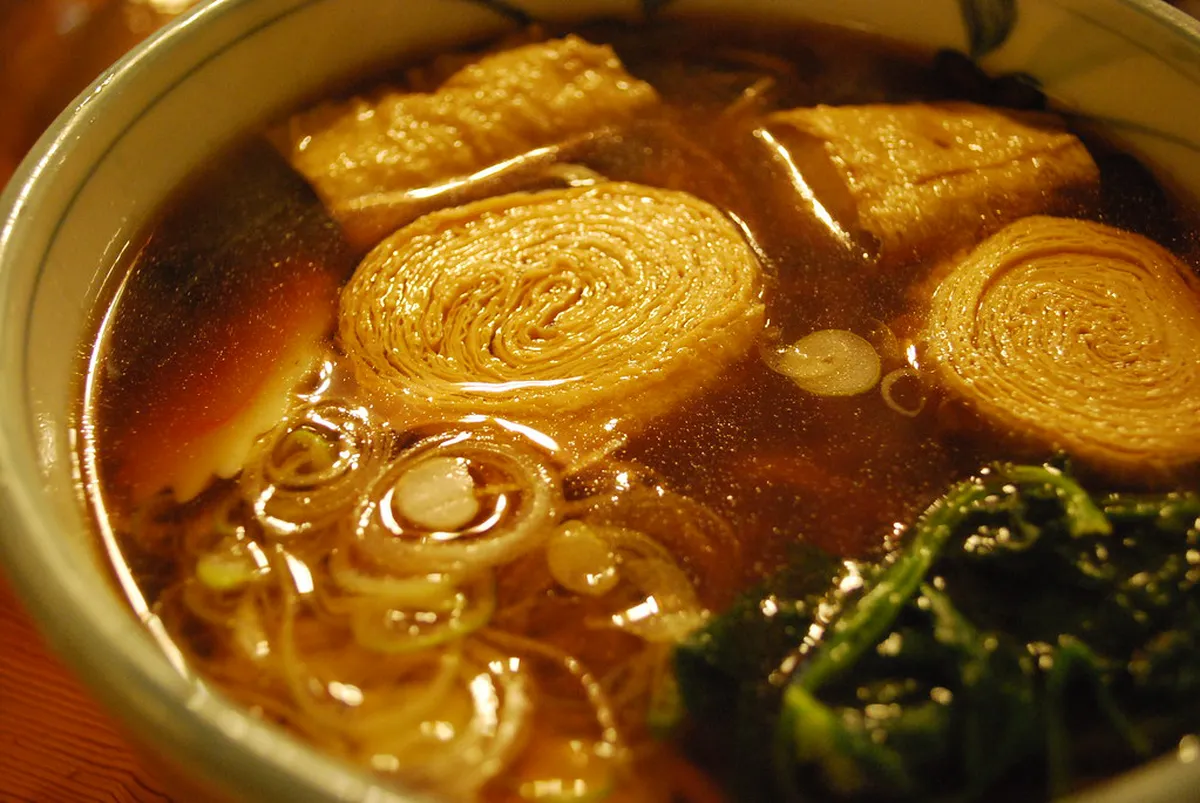
Yuba is the skin that forms on simmering soy milk, and it is Nikko's signature ingredient. Pairing it with soba is the meal most guides point to as Nikko's definitive plate. Restaurants fold or roll yuba into the noodles' broth. It appears fried, raw, or boiled, depending on the shop. Near Lake Chuzenji, restaurants such as Oyasumi Dokoro Kiyo-Chan pair yuba soba with charcoal-grilled river fish. Staff cook the fish on skewers within view of the dining room, a short walk from Sunrise Pier. Udon is usually offered as an alternative for anyone who prefers a thicker noodle with the same yuba toppings. This pairing shows up well beyond Lake Chuzenji, on menus across Central Nikko and Imaichi too. For how yuba is made and where else to try it, see the Nikko Yuba Food Guide. Yuba soba's place in the wider local menu is set out in the Nikko food guide.
Lake Chuzenji's yuba-soba sets with charcoal-grilled fish start at ¥3,000+, more than double the standard soba meal. The premium reflects both the ingredients and the regional specialty found exclusively in the Okunikko highlands.
Specialty Orders to Know: Tempura Soba, Zaru Soba, and Sobayu
Beyond yuba soba, three more orders come up again and again on Nikko menus, each suited to a different mood or weather.
- Zaru soba: cold noodles on a bamboo tray, served with a soy-mirin-dashi dipping sauce, scallion, and wasabi.
- Tempura soba: noodles topped with seasonal sansai (mountain vegetable) tempura, such as mushrooms or fiddlehead ferns.
- Sobayu: after the meal, staff pour the noodles' boiling water into the leftover dipping broth. That mix makes a light, mineral-rich soup meant to be drunk, not left behind.
Soba-Making Experiences in Imaichi
Imaichi is also where to book a hands-on soba-making class. Nikko no Sho, located at 600-1 Imaichi in Nikko city, runs the best-documented class. A soba master guides participants through mixing, rolling, and cutting buckwheat dough by hand. Reserve at least a few days ahead during autumn foliage season. Demand for the Toshogu Shrine day trip spikes then, and workshop slots fill first. Other Imaichi workshops run on a similar format, though hours and prices vary by operator, so confirm details directly before booking. Building the lesson into a single-day plan works well alongside the Nikko day trip from Tokyo guide. That guide sequences timing against a one-day visit. Overnight visitors can instead follow the Nikko itinerary guide to fit the class around temple visits and Lake Chuzenji.
| Detail | Nikko no Sho |
|---|---|
| Address | 600-1 Imaichi, Nikko city, Tochigi 321-1261 |
| Hours | 11:00 AM-4:00 PM, closed Tuesdays |
| Price | ¥4,100 for one person; ¥3,600 per person for two; ¥2,800 per person for groups of three or more (a meal adds ¥400, plus 10% tax) |
| Booking | Reservation required by phone or fax; sessions run in Japanese only, so bring an interpreter if needed |
| Duration | About 60-90 minutes, including cooking and eating the noodles made |
Avoiding the Lunch Gap: Timing, Access, and Dietary Notes
One common mistake in Nikko is arriving for soba after 2:00 PM. Most top shops run an 11:00 AM to 3:00 PM window. They routinely sell out of noodles before the posted closing time. At Gen Soba Kappa, a well-known Imaichi shop offering both nihachi and 100 percent buckwheat sets, the posted last order is 2:45 PM. Service ends early whenever that day's buckwheat runs out. That sellout risk rises during autumn leaf season and around the Nikko Soba Festival, held each year in late November. Shops that run out for the day often post a handwritten sign at the entrance rather than updating hours online, so a short walk-by check saves a wasted trip. Plan lunch as the first stop of the afternoon, not the last. Because most shops close by mid-afternoon, the gap before dinner is worth filling. Add a stop from the free things to do in Nikko guide. Getting to a shop varies by area. Soba broth is also built on dashi, a stock usually made from bonito flakes or kelp. A standard bowl is not vegetarian by default. Ask whether a kombu-only broth is available, or check the vegetarian food in Nikko guide before ordering. Train and bus options appear in the how to get to Nikko from Tokyo guide. Pairing soba with other nearby stops is covered in the day trips from Nikko guide.
- Central Nikko and around Imaichi Station: mostly walkable, with some shops a short taxi ride from Tobu-Nikko Station.
- Rural Imaichi addresses: some old-house shops sit outside town and need a car or taxi rather than a walk.
- Lake Chuzenji: shops cluster along the lakefront as part of a longer Okunikko day out.
Pairing Soba With Local Sake and Sweets
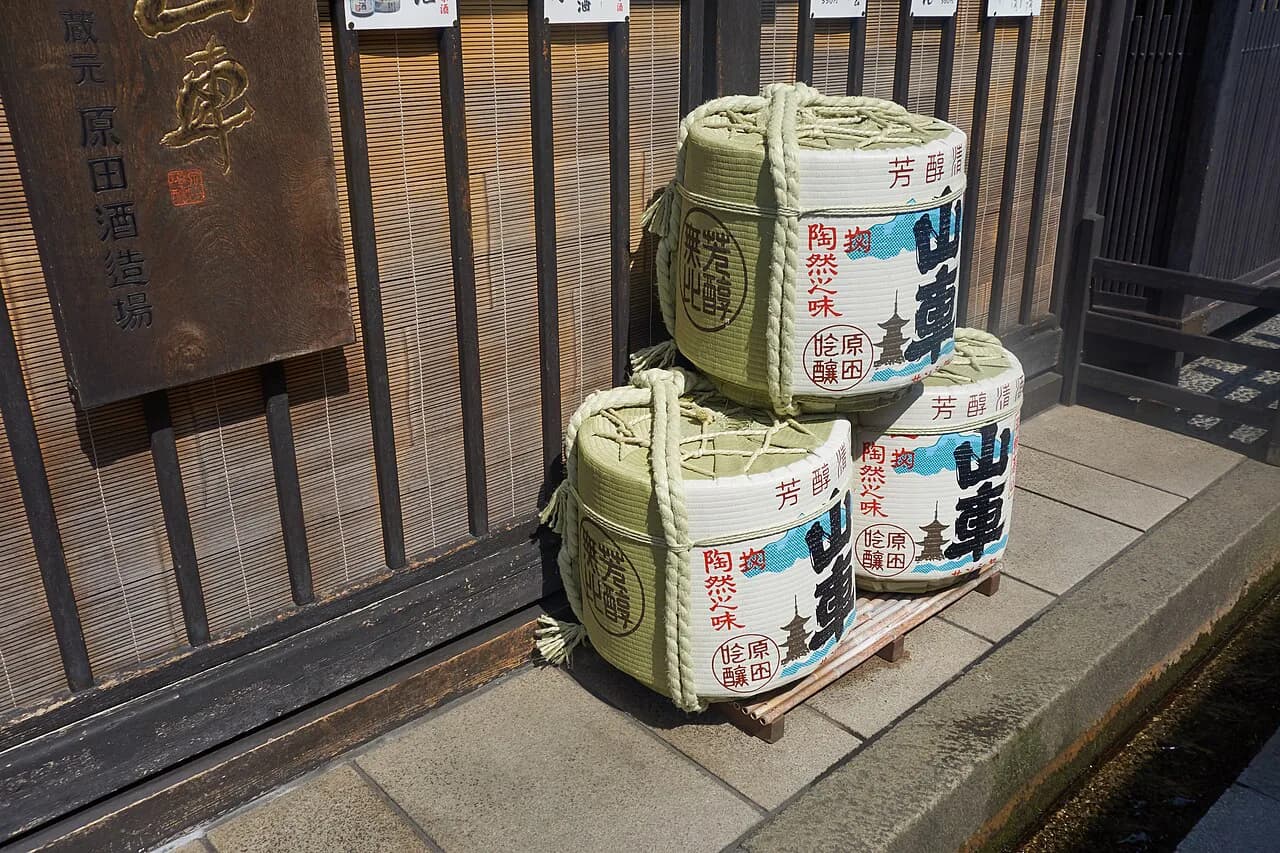
Tochigi prefecture, home to Nikko, is an established sake-brewing region. Several Nikko-area restaurants pour local labels alongside a soba set. Imaichi itself hosts sake breweries alongside its soba-making lessons, making the area a practical single stop for both. Waiting rooms attached to soba shops often serve wagashi or yokan, a sweet bean jelly, while diners wait for a table. That custom turns the wait itself into part of the meal. Local pours get a fuller rundown in the Nikko sake and local drinks guide. Wagashi beyond the soba waiting room appears in the best cafes and desserts in Nikko guide. Street-level snacking nearby is covered in the Nikko street food and snacks guide.
Where Nikko’s Water Matters Most: Mizunashi and Nagahata
For a concrete taste of Nikko’s water-and-buckwheat connection, travel beyond the shrine district to rural Imaichi. Soba Dokoro Mizunashi Yusui-an uses local buckwheat flour and Nikko spring water for its handmade country-style noodles. The shop stands among fields at 309 Mizunashi, with views toward the Nikko mountain range.
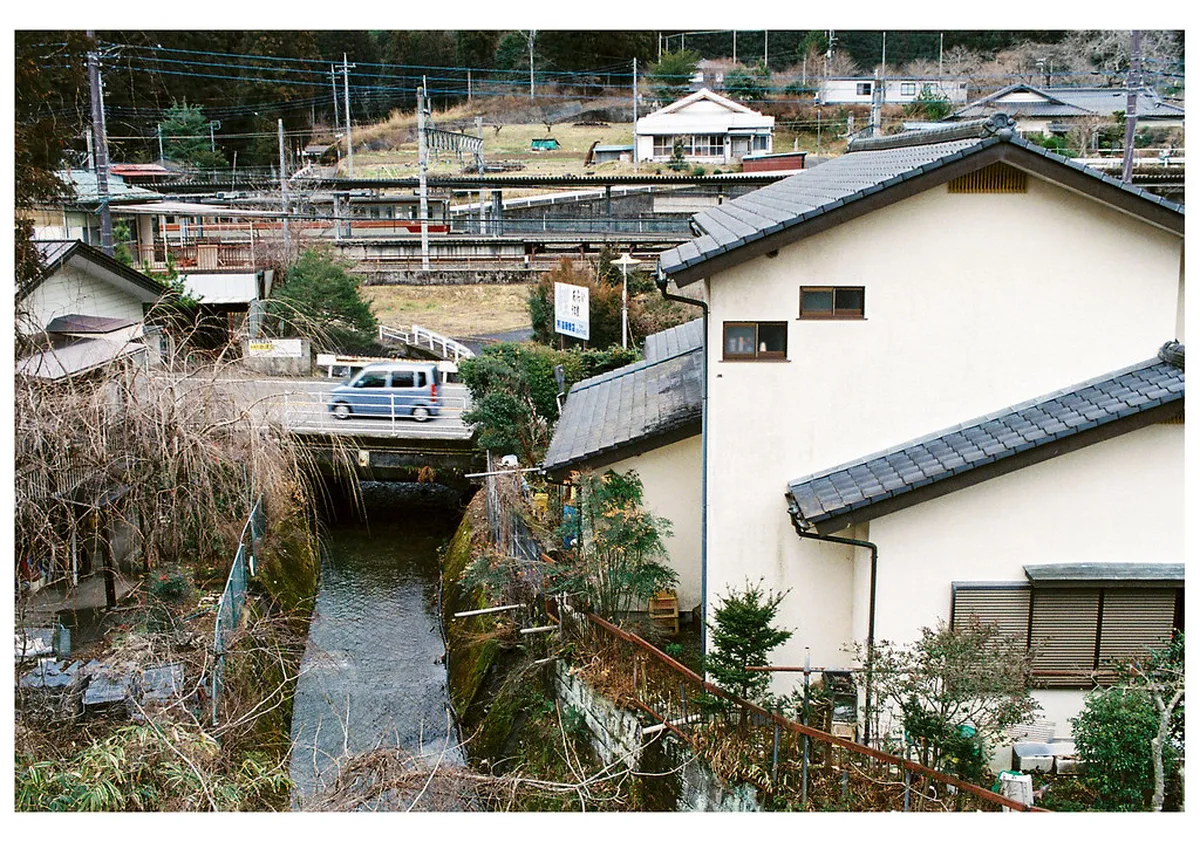
Mizunashi Yusui-an is about seven minutes by car from the Osawa Interchange. Its rural location makes driving or taking a taxi more practical than walking from central Nikko. Opening hours vary seasonally, and Wednesday is normally the closing day. Confirm before making the trip.
Santate Soba Nagahata-an offers another reason to explore the countryside. Nagahata’s morning mist and large day-night temperature changes support aromatic buckwheat cultivation. The restaurant emphasizes the three freshness stages behind its name: freshly milled, freshly kneaded, and freshly boiled. It is at 635-1 Nagahata, about a 20-minute walk from Myojin Station. The shop closes when its daily noodles sell out, so arrive near opening time.
For trip-planning details, see Soba - Wikipedia.
Frequently Asked Questions
What is the difference between juwari and nihachi soba in Nikko?
Juwari soba is 100 percent buckwheat flour, giving short strands and a flavor some diners call slightly sweet. Nihachi soba mixes about 80 percent buckwheat flour with 20 percent wheat flour, producing a firmer noodle with more bite. Both styles appear on most Nikko menus, often listed side by side.
Is Nikko soba broth vegetarian?
Not usually. Standard soba broth is built on dashi, a stock typically made from bonito flakes or kelp. Ask staff whether a kombu-only broth is available, or check the vegetarian food in Nikko guide before ordering.
What time should visitors eat soba in Nikko to avoid a sold-out sign?
Arrive before 1:00 PM whenever possible. Most top shops run an 11:00 AM to 3:00 PM window and can sell out well before the posted closing time. That risk rises during autumn leaf season and around the late-November Nikko Soba Festival.
Where is the best place to try yuba soba near Lake Chuzenji?
Restaurants along the Lake Chuzenji shoreline near Sunrise Pier serve yuba soba paired with charcoal-grilled river fish, a combination distinct to the Okunikko area. Wider dining and sightseeing options around the lake appear in the Chuzenji Lake guide.
How much does a soba-making class cost in Nikko?
At Nikko no Sho in Imaichi, a session costs ¥4,100 for one person, ¥3,600 per person for two, or ¥2,800 per person for groups of three or more. Adding a meal costs an extra ¥400, plus 10 percent tax.
Do soba-making classes in Nikko run in English?
Not usually. Sessions at Nikko no Sho run in Japanese only, so bring an interpreter if needed. Reservations must be made by phone or fax before arrival.
What happens at the Nikko Soba Festival?
The festival runs each year in late November, timed to the fresh buckwheat harvest. Visitors can sample soba dishes from Nikko and other regions of Japan, alongside local entertainment. Check current dates through Nikko's official tourism site before planning a trip around it.
Free: The Nikko Essentials guide
Top things to do, where to stay, a perfect day plan, getting around, and the best time to go — a Nikko mini-guide you can take offline.
You might also like


Continue reading
More guides you'll find useful