Nikko Street Food Guide: Best Snacks, Sweets & Where to Find Them
A walk-and-eat guide to Nikko street food: where stalls cluster near Toshogu and the station, what to try, and how to budget your time and money.
On this page
Last updated July 2026, this guide narrows nikko street food down to the snacks worth eating on foot. The route runs from the Shinkyo Bridge approach to Toshogu Shrine, then loops back to the station plaza at Tobu-Nikko and JR Nikko Station. Expect deep-fried yuba manju, ningyoyaki shaped like the shrine's three wise monkeys, and kakigori shaved ice, all sized for a few bites between stops.
Nikko Street Food at a Glance
Here is the short list of what to look for and where to find it.
- Deep-fried yuba manju at Nikko Sakaeya, on the Omotesando approach toward Toshogu Shrine
- Yuba musubi at Fudaraku Honpo, a rice ball wrapped around tofu skin
- Nikko ningyoyaki at Mishimaya, sponge cakes shaped like the shrine's three wise monkeys
- Pudding soft serve at Nikko Purin Tei, a cold break along the approach
- Kakigori shaved ice in flavors like ujikintoki matcha and azuki, tied to Nikko's historic icehouses
- Tochigi strawberries in season, sold fresh and worked into desserts around town
Where Nikko's Street Food Clusters: Omotesando Approach vs. Station Area
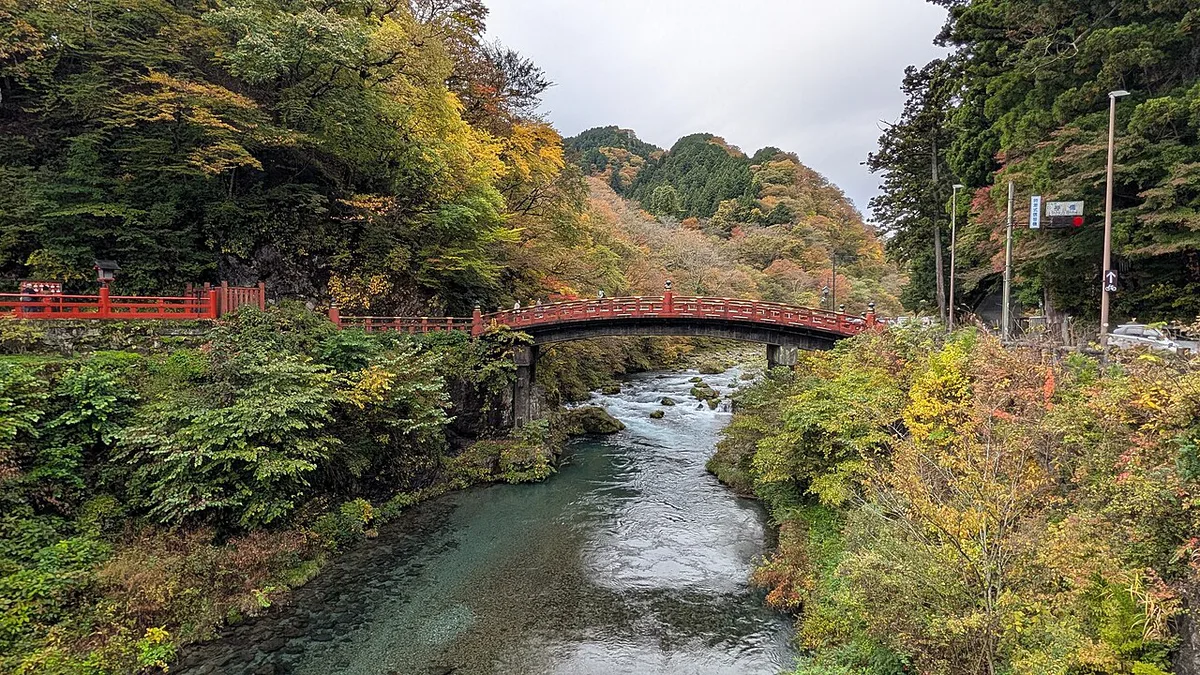
This spoke sits inside the broader Nikko food guide, focused only on the grab-and-go layer of that scene. Snack density is highest along the corridor running from Shinkyo Bridge through Omotesando toward Toshogu Shrine. World Heritage Tour buses reach the Omotesando stop in about 15 minutes from Nikko Station or Tobu-Nikko Station, per the official Nikko tourism board. A 5-minute walk from there covers the rest of the approach to the shrine complex. Along the way, sightseeing stops like Kanmangafuchi Abyss and Nikko Tamozawa Imperial Villa sit within a short walk or bus ride of the food corridor, per the official Nikko tourism board's own foodie itinerary. That itinerary treats food stops as pauses between sights rather than a dedicated snack crawl, which is exactly the gap this guide fills. The station area around Tobu-Nikko and JR Nikko Station has fewer stalls, but suits a fast bite before or after a train. Lake Chuzenji and Kegon Falls sit outside this walk's scope, since no street food vendors there are verified yet. Readers extending the day that way can check the Lake Chuzenji guide and the Kegon Falls guide instead. Pair the food stops with sightseeing using the Nikko attractions guide or the Free Things To Do In Nikko Travel Guide.
The 15 minutes of bus transit from the stations gets you to the highest-density snack corridor, leaving most of your two-to-three-hour budget for eating and sightseeing rather than walking.
Savory Snacks and Light Bites
These items are meant for eating on the move, not for a sit-down meal.
| Item | Where | Notes |
|---|---|---|
| Deep-fried yuba manju | Nikko Sakaeya | Crisp-fried tofu-skin bun, vegetarian-friendly |
| Yuba musubi | Fudaraku Honpo | Rice ball wrapped in tofu skin, vegetarian-friendly |
| Soppo-yaki | Kumoizu | Grilled sweet-savory snack along the shrine approach |
| Dango, fried chicken, dorayaki | Vendor not confirmed | Named generically by a 2022 food-tour feature; confirm the current shop before you go |
- Most of these bites are finished in a few steps, not a full sit-down course.
- Yuba appears in nearly every form here, and it happens to be one of Nikko's most naturally vegetarian-friendly ingredients. See the Vegetarian Food in Nikko: Where to Eat, Shojin Ryori, and Vegan-Friendly Stays guide for a fuller list of meat-free options.
- For a full sit-down yuba meal instead of a quick snack, the Nikko Yuba Food Guide has the details.
Sweets and Desserts to Eat on the Go
Nikko's dessert scene splits into a takeaway version eaten on the street and a sit-down version served at a table.
Kakigori sources from one of just five icehouses in Japan, but warm-weather planning is still essential since the treat melts quickly and is awkward to carry.
| Item | Where | Notes |
|---|---|---|
| Pudding soft serve | Nikko Purin Tei | Soft serve blended with the shop's pudding flavor |
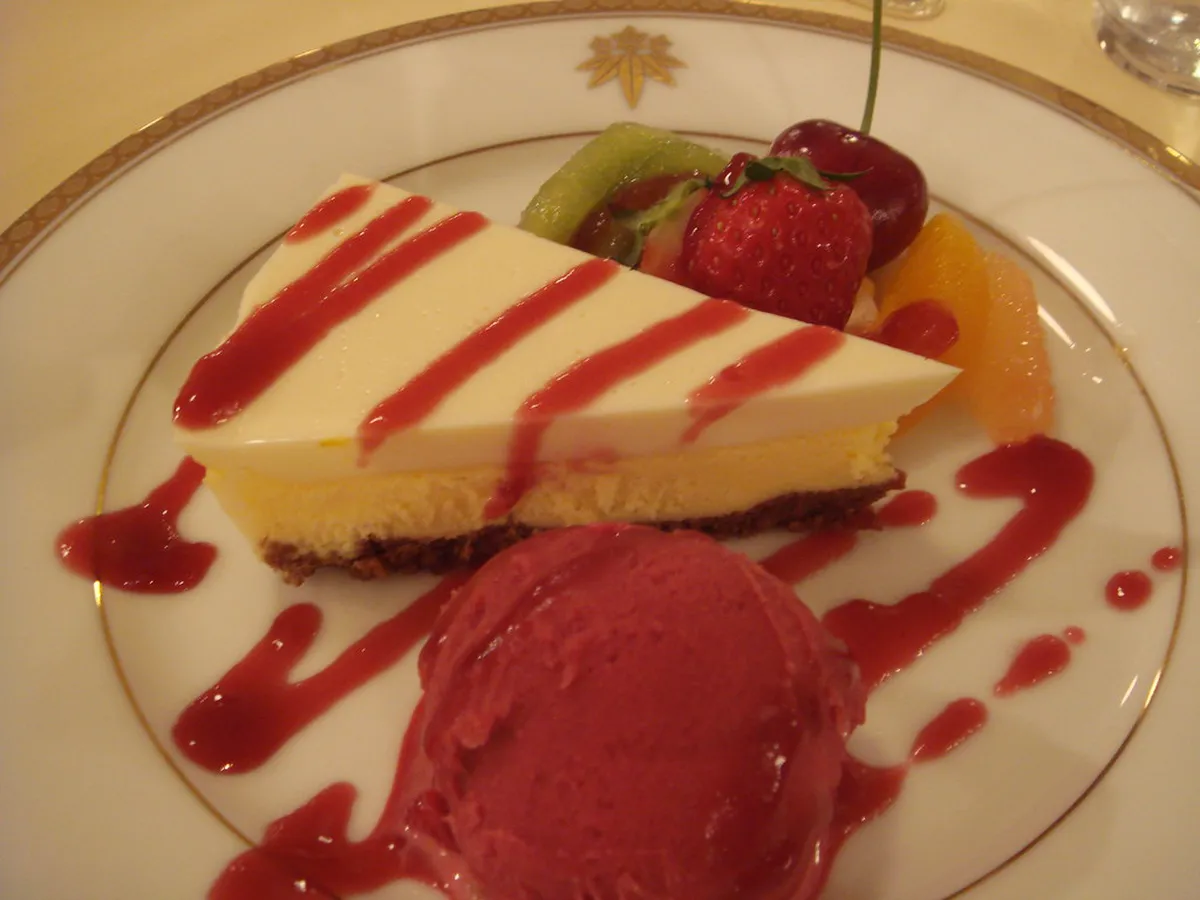
| Cheesecake brûlée (takeaway) | Cheese Garden THE NIKKO | Caramelized top over cheesecake; the sit-down version is covered in the cafe guide below |
| Fruit daifuku monaka | Nikko Monaka | Fresh fruit and bean paste inside a crisp wafer shell |
| Nikko ningyoyaki | Mishimaya | Sponge cakes shaped like the shrine's three wise monkeys, filled with red bean paste |
| Kakigori shaved ice | Nikko's historic icehouses | Flavors include ujikintoki matcha, azuki, strawberry, and melon; the official Nikko tourism board describes the ice source as one of just five icehouses in Japan, a claim worth confirming |
| Yokan and manju | Various shops, central Nikko and citywide | General sweet categories sold across town; no single vendor confirmed |
- Ordering the takeaway cup or cone keeps the stop brief; asking for a plated version at the counter turns it into a cafe visit instead.
- For the sit-down version of any of these treats, the 5 Best Cafes in Nikko: Where to Stop Near Toshogu, the Station & Lake Chuzenji covers where to sit.
Seasonal Pick: Tochigi Strawberries
Tochigi Prefecture is known for its strawberries, and Nikko sells them fresh and folded into desserts around town. Look for the Tochiotome, Tochiaika, and Skyberry varieties, each a different balance of sweetness and size. Cafes and dessert counters across town work strawberries into soft serve, parfaits, and daifuku when they are in season. They generally run from winter into spring, so confirm the current season locally before planning a trip around them.
Beyond Snacking: Soba, Yuba Meals, and Restaurants
Not everything Nikko is known for belongs in a walking-snack list. Nikko's buckwheat soba, made with local mountain water, is a sit-down dish covered in the Nikko Soba Noodles: Where to Eat, What to Order, and Timing Tips (2026). Omurice, wagyu beef, and other yoshoku-style plates belong to the Nikko restaurants guide rather than this one. A bowl of soba or a plate of yuba also pairs naturally with a local pour from the Nikko sake and local drinks guide. Treat this section as a signpost, not a rundown, since each of these dishes gets deeper coverage on its own page.
How Much Time and Money to Budget
Budget both time and a little cash before starting the walk.
| Next step | Link |
|---|---|
| Building a Tokyo day trip around this walk | Nikko day trip from Tokyo |
| Train and transit options from Tokyo | getting to Nikko from Tokyo |
| Staying overnight to spread the eating out | best ryokan in Nikko |
- Walking time: roughly two to three hours for the Omotesando approach at a relaxed pace, including stops to eat
- Bus access: World Heritage Tour buses take about 15 minutes from Nikko Station or Tobu-Nikko Station to the Omotesando stop, per the official Nikko tourism board
- Final stretch: a 5-minute walk from the Omotesando bus stop to Toshogu Shrine
- Reference price: as of 2026, a Toshogu Shrine entry ticket runs ¥1,600 and the combined shrine-and-museum ticket runs ¥2,400, per the tourism board; a single street snack costs a fraction of either
- Payment: the shrine's ticket counter takes cash only; carry yen as backup for snack stalls too, and confirm each vendor's own payment options on the spot
Mistakes to Avoid
A few small planning errors turn a good food walk into a rushed one. Watching for these keeps the walk efficient and avoids backtracking.
- Treating every dish on this list as street food: soba, full yuba meals, and omurice are sit-down dishes covered in their own guides above
- Assuming every stall takes cards: several small shops and stalls favor cash, so carry yen and confirm on the spot
- Skipping the station area entirely: Tobu-Nikko and JR Nikko Station both have quick options worth a stop before or after transit
- Trying to fit Lake Chuzenji or Kegon Falls into the same walk: that area sits outside this guide's scope, and the geography section above covers where to look instead
- Ignoring the seasonal items: strawberries and some shaved ice flavors are only around part of the year, so check timing before building a stop around them
- Leaving the rest of the day unplanned: a full Nikko itinerary or a look at 1-Day Itinerary: Day Trips From Nikko Travel Guide helps you build the food walk into a bigger plan
A Simple Nikko Street-Food Walking Route
Use the station area for a first or final snack, then concentrate the main crawl along the Toshogu approach. This order limits backtracking and keeps sightseeing stops close to the food corridor.
- Start near Tobu-Nikko and JR Nikko Station. Buy only a small takeaway item if you plan to sample several snacks later.
- Continue toward Shinkyo Bridge, the practical entrance to the central sightseeing area. The World Heritage Tour bus provides an alternative to walking from the stations.
- Follow the Omotesando approach toward Toshogu Shrine. Look for Nikko Sakaeya’s deep-fried yuba manju and compare it with lighter yuba musubi from Fudaraku Honpo.
- Add one sweet stop, such as Mishimaya’s Three Wise Monkeys-shaped ningyoyaki or pudding soft serve from Nikko Purin Tei.
- Finish near Toshogu, then return toward the stations. Save kakigori for warm weather because it melts quickly and is awkward to carry.
Allow extra time if you enter Toshogu Shrine. Kanmangafuchi Abyss and Nikko Tamozawa Imperial Villa can extend the route, but they are better treated as sightseeing detours than additional snack zones.
Further reading: Nikko on Wikivoyage · Nikko on Wikipedia
Frequently Asked Questions
What street food should you try in Nikko?
Start with deep-fried yuba manju from Nikko Sakaeya, yuba musubi from Fudaraku Honpo, and ningyoyaki from Mishimaya. Add kakigori shaved ice for a cold break, especially in warmer months.
Where do street food stalls cluster in Nikko, near Toshogu or the station?
Most snack shops cluster along the Omotesando approach between Shinkyo Bridge and Toshogu Shrine. The station area around Tobu-Nikko and JR Nikko Station has fewer stalls, but works for a quick bite before or after a train.
How much time should you budget for a Nikko food walk?
Plan on two to three hours for the Omotesando approach at a relaxed pace. That includes the 5-minute walk from the Omotesando bus stop plus time to stop and eat.
Is Nikko street food vegetarian-friendly?
Yes, several signature items are yuba-based, including yuba manju and yuba musubi, both naturally vegetarian. The Vegetarian Food in Nikko: Where to Eat, Shojin Ryori, and Vegan-Friendly Stays guide has a fuller meat-free list.
What is the difference between Nikko yuba manju and regular manju?
Regular manju is a steamed or baked bun with a sweet filling. Nikko's yuba manju wraps that filling in tofu skin and deep-fries it, giving it a crisp exterior plain manju does not have.
Can you do Nikko street food as part of a Tokyo day trip?
Yes, this walk fits easily into a Nikko Day Trip From Tokyo: The Ultimate 1-Day Itinerary. Check the getting to Nikko from Tokyo guide for train options and timing.
Do Nikko street food stalls take credit cards?
Card acceptance varies by stall, so treat cash as the safer default. The Toshogu Shrine ticket counter itself is cash-only, and small food stalls nearby often follow similar habits.
Free: The Nikko Essentials guide
Top things to do, where to stay, a perfect day plan, getting around, and the best time to go — a Nikko mini-guide you can take offline.
You might also like


Continue reading
More guides you'll find useful