1-Day Itinerary: Day Trips From Nikko Travel Guide
Plan the perfect day trip from Nikko or a day excursion to Nikko from Tokyo. Includes time-stamped itineraries, transport maps, and local tips for shrines and waterfalls.
On this page
Nikko is a spiritual escape that every first-timer in Japan should experience at least once. The town offers a unique blend of UNESCO heritage sites and stunning alpine scenery that you simply cannot find in Tokyo or Kyoto. This guide covers both directions: a day trip from Tokyo to Nikko, and excursions you can take when using Nikko as your base.
Most visitors treat Nikko as a quick excursion from the capital, but staying overnight opens the door to Kinugawa Onsen, Edo Wonderland, and the high-altitude wetlands of Senjogahara. Whether you have one day or two, using the Nikko Pass is the smartest way to manage your local transport costs. It covers the essential bus routes between the shrines and the lake area, and can pay for itself in a single afternoon.
Arriving before 9:00 AM lets you walk across the famous Shinkyo Bridge before the first tour buses appear. We built this itinerary after multiple visits specifically to help you avoid the heaviest crowds while hitting every major sight.
Essential Nikko Day Trip Itinerary: The Classic Loop
The most efficient single-day route runs from Tobu-Nikko Station uphill through the shrine complex, then by bus over the Irohazaka Slope to the lake and falls. Leave Tokyo from Asakusa by 07:30 on the Limited Express, aiming to reach Tobu-Nikko Station by 09:15. Buy your bus pass and Toshogu tickets at the Tourist Information Centre inside the station before you exit — the ticket line at the shrine itself can add 30 minutes during busy periods.
Walk or take bus stop 2B to Stop 7 (Shinkyo) at 09:30. Spend roughly 90 minutes in the shrine complex — entering at 10:00, you will have comfortable time before the noon tour bus crush. After lunch in the lower town, board a bus from Stop 9 around 13:15 for the 30-minute ride up the hairpin Irohazaka bends to Kegon Falls. Allow 45 minutes at the falls and lake before busing to Ryuzu Falls, then head back to the station by 16:00 for a 17:00 or later train back to Asakusa.
- 09:15 — Arrive Tobu-Nikko Station, buy bus pass and shrine tickets
- 09:30 — Bus to Shinkyo Bridge (Stop 7)
- 10:00 – 12:00 — Shrine complex: Rinno-ji, Toshogu, Futarasan
- 12:15 – 13:00 — Lunch near the station
- 13:15 — Bus from Stop 9 to Kegon Falls (Stop 26, ~30 min)
- 14:00 – 15:00 — Kegon Falls and Lake Chuzenji shore walk
- 15:15 — Optional: bus to Ryuzu Falls (Stop 37, +¥320 beyond pass)
- 16:00 — Bus back to Tobu-Nikko Station
- 17:00+ — Train back to Asakusa (~2 hours)
Shinkyo Bridge: Crossing Into the Sacred
The Shinkyo Bridge — literally "Sacred Bridge" — is the visual icon of Nikko and the formal entrance to its World Heritage zone. The vermilion lacquered wood reflects dramatically in the Daiya River below, and the best light falls on it before 10:00 AM, when shadows from the cedar forest have not yet fully lifted. Photographing it from a distance along the riverside path is free; crossing the bridge itself costs ¥300, and you must turn back at the far end rather than passing through.
The bridge sits at the base of a hill; the Nikko Temples and Shrines: The Ultimate Visitor Guide complex begins with a steep stone stairway just across the main road. Most day visitors photograph the bridge and walk directly up the stairs to Rinno-ji Temple — a sensible order that keeps you facing uphill and avoids backtracking. If you arrive after 11:00, the tour bus queues at the viewing spot can stretch 20 people deep; arriving by 09:30 means you will often have the approach to yourself.
The bridge is part of Futarasan Shrine, which you will visit later in the complex. This helps contextualise what can otherwise feel like a standalone photo stop. The river beneath it, the Daiya, flows all the way down from Lake Chuzenji — the same water system you will follow uphill by bus in the afternoon.
Toshogu Shrine and Nikko's Spiritual Heritage
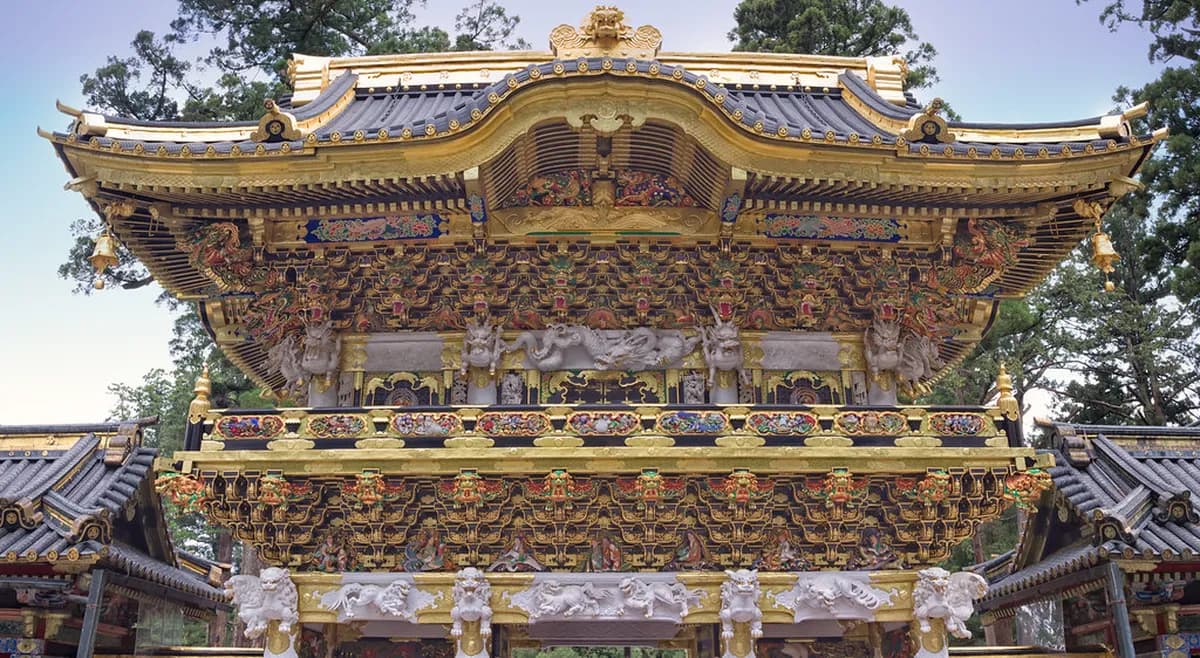
Toshogu Shrine is the mausoleum of Tokugawa Ieyasu, the shogun who unified Japan in the early 17th century. His dying wish was to be enshrined as a god, and the result is the most elaborately decorated shrine complex in the country — a riot of gold leaf, vivid paint, and intricate carved panels covering dozens of buildings set into a cedar forest. Admission is 1,300 yen and the gates open daily at 08:00 from April to October, 09:00 from November to March.
Begin with the five-story pagoda (Gojunoto) just inside the main gate, then move through the Yomeimon gate — its 400 carved figures are the highlight of the complex. The "See No Evil" monkeys are carved on the sacred stable (Shinkyusha) on the way in; look for them on the left after the first torii gate. If you have the energy, climb the 200 stone steps past the Sleeping Cat (Nemuri Neko) to reach Tokugawa Ieyasu's actual tomb in the cedar-shaded Inner Shrine.
After Toshogu, walk the lantern-lined path to Futarasan Shrine, dedicated to Mount Nantai and two neighbouring peaks. It is far less visited but architecturally interesting and usually quiet. Complete the circuit with Rinno-ji Temple, whose Sanbutsudo hall houses three gold-lacquered Buddha statues standing four metres tall. Photography is not permitted inside the main hall, but the Shoyoen strolling garden alongside it is photogenic in every season and covered by the same ¥400 entry ticket.
Oku-Nikko: Lake Chuzenji and Kegon Falls
The Irohazaka road to the highlands runs 48 hairpin bends up a mountainside — it is a stunning ride and a clear reason why Nikko divides into two distinct zones. The lower "Nikko Town" area covers the shrines and temples; "Oku-Nikko" refers to the high-altitude plateau and lake reached by bus from Stop 9. The elevation jump is about 1,200 metres, so temperatures at the top run 5–8°C cooler than the town below. Carry a layer.
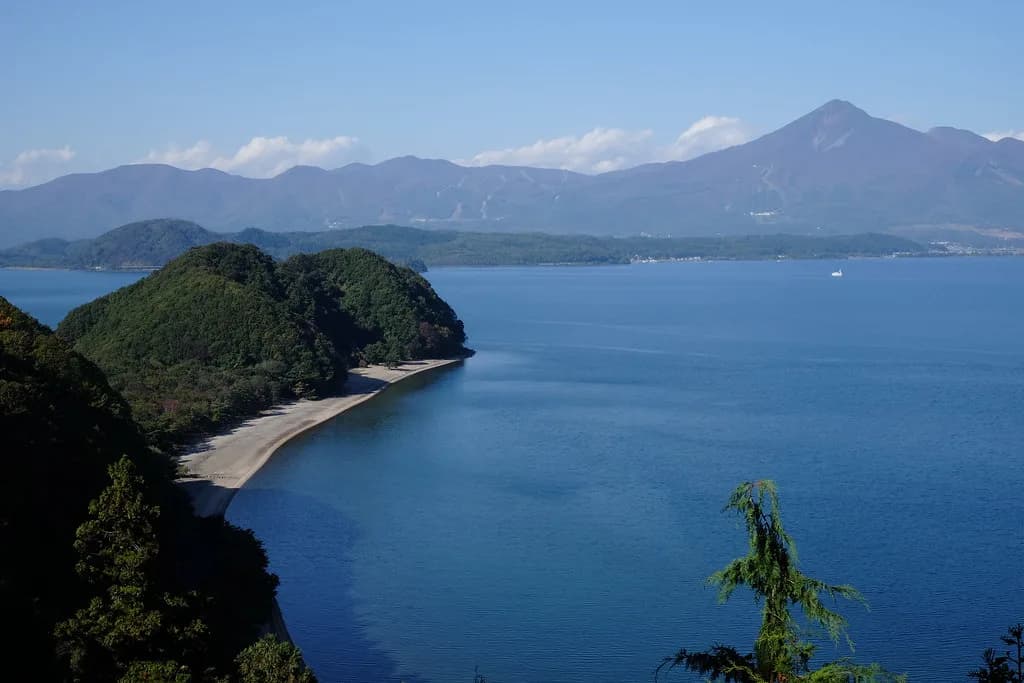
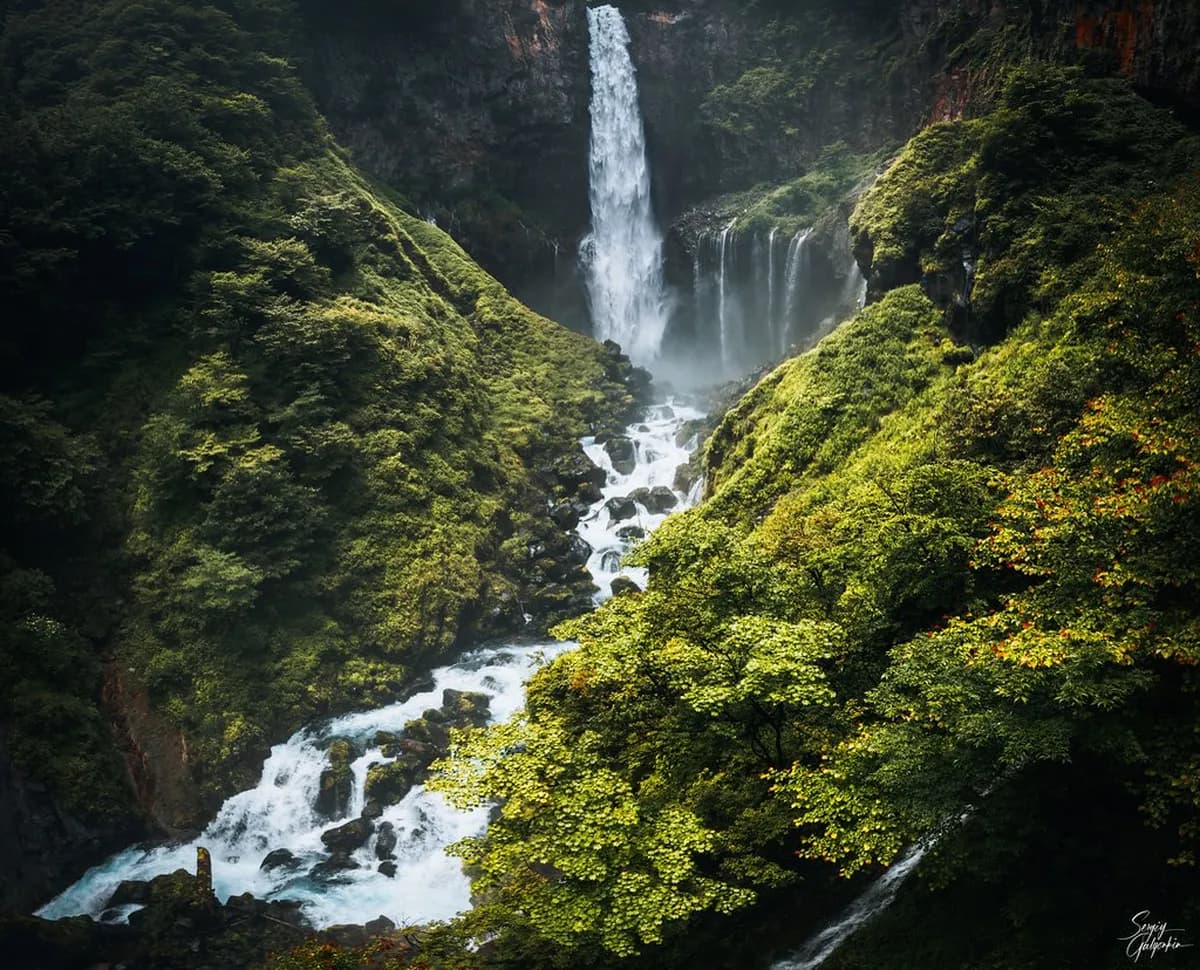
Kegon Falls drops nearly 97 metres from Lake Chuzenji and ranks among Japan's three most beautiful waterfalls. The free observation platform above gives you the full drop; the paid elevator (¥570) descends 100 metres to a lower platform for a close-up view of the base. The elevator is worth the cost in autumn, when the surrounding foliage frames the falls in red and orange. In winter, the waterfall partially freezes into dramatic ice columns. After the falls, walk five minutes to the lakeshore of Lake Chuzenji for views of Mount Nantai reflected in the water.
If time allows, take the bus from Stop 26A toward Yumoto Onsen and alight at Stop 37 for Ryuzu Falls — the "Dragon Head Waterfall," named for its twin-cascade shape. The ride costs an additional ¥320 cash each way beyond the standard bus pass coverage. Ryuzu is popular in early October when the surrounding maples peak first, before the colours spread down to the town. The small cafe at Ryuzu is one of the few good places in the highlands to sit with a hot drink while watching the water.
Senjogahara Marsh Walk and Yumoto Onsen: The Overnight Extension
Most one-day visitors turn back at Kegon Falls, but the high plateau beyond Lake Chuzenji is where Nikko works best as a base for a second day. Two stops stand out: the Senjogahara marshland and the hot-spring village of Yumoto Onsen.
Senjogahara Nature Trail
Senjogahara is a former lakebed about 1,400 metres above sea level, crossed by a raised boardwalk through grassland and birch forest, with Mount Nantai and the Nikko peaks behind it. It is flat and easy, which makes it a good contrast to the stairs at Toshogu. Expect roughly two hours at a relaxed pace, longer if you stop for photos.
- Route: take the bus toward Yumoto Onsen from the Chuzenji area and get off at the Akanuma stop. Walk the trail towards Yudaki Falls, then catch a bus onward or back down.
- Best season: mid-October for the marsh grasses and larch turning gold, and late spring through summer for green walking weather. Snow closes parts of the trail in winter.
- Pack: a rain layer and a warm one. The plateau is noticeably colder than Nikko town, and the boardwalk has almost no shelter.
Yumoto Onsen as a Evening Stop
Yumoto Onsen sits beside Lake Yunoko at the end of the bus line. Its sulphur-rich, milky water makes it a good place to finish a hiking day. Several ryokan accept day-use bathers in the afternoon, though hours and fees vary, so check the day you visit. Staying overnight here, instead of in Nikko town, saves the long ride back down the Irohazaka bends and puts you at the trailhead early the next morning.
Buses on this route run less often than on the town loop, and the last service back leaves earlier than most visitors expect. Check the final departure at the Tourist Information Centre before you set out, and confirm what your pass covers beyond the Chuzenji area.
Bus Pass Breakdown: Choosing the Right Ticket
First-time visitors regularly buy the wrong pass at Tobu-Nikko Station, and it costs them money. There are two main options, and they serve different needs. The Chuzenji Onsen Free Pass costs ¥2,000 and covers unlimited bus rides between Stop 1 (JR Nikko Station) and Stop 31 (Chuzenji Onsen area), valid for two days. A single one-way bus ride to Kegon Falls runs ¥1,150, so the pass pays for itself on the first return trip. This is the right choice for anyone doing only the local shrine-and-lake loop.
The Nikko All Area Pass (commonly called the "World Heritage Pass") costs ¥4,520 from Tobu Asakusa Station and bundles your round-trip limited express train from Tokyo with two days of unlimited buses in Nikko. If you are buying separate train tickets at roughly ¥2,720 each way, the combination pass saves nothing — but if you plan two full days in Nikko including Kinugawa Onsen, it can cut your total cost by 800–1,200 yen. Note that neither pass covers the short extension to Ryuzu Falls beyond Stop 31; that leg costs ¥320 cash each way.
The practical rule: buy the Chuzenji Onsen Free Pass at the Tourist Information Centre inside Tobu-Nikko Station on arrival if you are doing one day and your train was a separate purchase. Buy the All Area Pass before you leave Asakusa if you are staying two nights and want hassle-free unlimited travel. Always verify current prices at the station as fares adjust periodically.
How to Get to Nikko: JR Pass vs. Tobu Railway
Choosing the right train line depends entirely on which rail pass you currently hold. The Tobu Railway from Asakusa is the most direct route for those without a JR Pass. Limited Express trains take about two hours and cost roughly 2,720 yen each way. The newest option is the Spacia X luxury train — its Cockpit Lounge seats and private suites sell out within minutes of the 30-day booking window opening on the Tobu Railway Official Site. Reserve early if you want this experience.
Travelers with a national JR Pass should take the Shinkansen Yamabiko or Nasuno from Tokyo or Ueno Station to Utsunomiya, then transfer to the local JR Nikko Line for a 45-minute final leg. The JR East Tokyo Wide Pass covers this entire route for three days and also includes Karuizawa and the Fuji area — good value if Nikko is part of a wider Kanto day-trip run. Note that the nationwide JR Pass price rose significantly in 2023 and now requires careful trip math to justify versus point-to-point Tobu tickets.
Buying a digital Nikko Pass before you leave Tokyo is a highly recommended time-saver. It includes the round-trip train fare and unlimited bus rides within the designated zones. This pass usually pays for itself if you visit both the shrines and the lake.
Nikko Day Trip Map and Navigation Tips
Nikko's layout is linear and easy to follow once you understand its two zones. From Tobu-Nikko Station, the shrine complex is uphill to the north — a 25-minute walk or an 8-minute bus ride to Stop 7. Bus stop numbers increase as you move further from the station, so higher numbers mean you are going deeper into the mountains. Stops 1–9 cover the town and shrine area; stops 10–31 trace the road up Irohazaka and along the lake. Pick up a free paper route map from the Tourist Information Centre at the station — it shows all numbered stops and is far clearer than relying on Google Maps in areas where bus stop signage is in Japanese only.
Within the shrine complex itself, all sites are within 10 minutes walking of each other. The standard sequence is: Rinno-ji Treasure House → Rinno-ji Temple main hall → Toshogu Shrine → Futarasan Shrine. Follow the posted 拝観順路 ("suggested viewing route") arrows throughout. The path is paved and mostly flat except for the cedar-lined staircase climb to the Inner Shrine. There is no wheelchair access to the Inner Shrine, but Rinno-ji, Futarasan, and the Toshogu main court are all accessible at ground level.
For Oku-Nikko navigation, the key junction is Stop 26 / Chuzenji Bus Terminal. Kegon Falls is a five-minute walk from this stop; Lake Chuzenji shore is another five minutes beyond. Buses to Ryuzu Falls depart from Stop 26A, which is a separate bay on the opposite side of the terminal building. The difference between 26 and 26A trips up many first-timers — look for the posted board showing which bay your next bus departs from.
Beyond the Temples: Kinugawa Onsen and Edo Wonderland
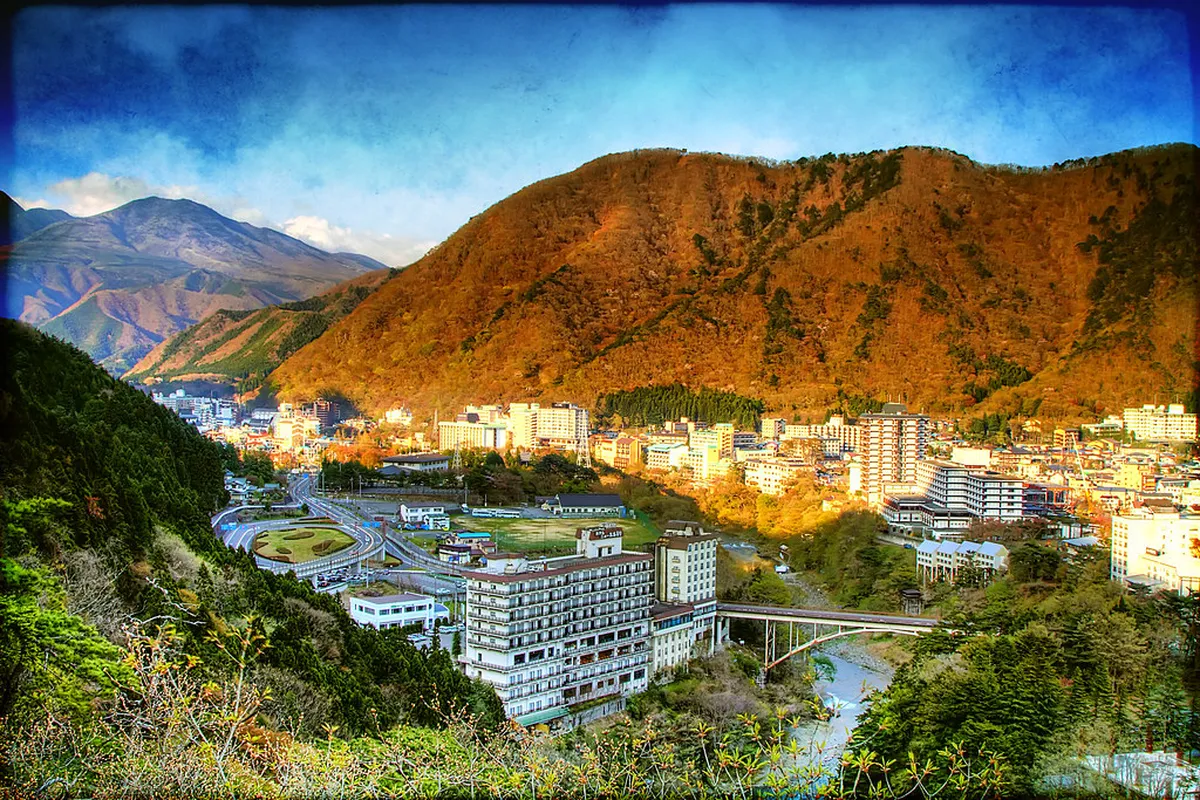
Many travelers use the town as a base to explore the wider Nikko National Park area. Kinugawa Onsen sits roughly 12 kilometres east of Nikko town and is accessible by the Tobu Kinugawa Line — about 40 minutes from Tobu-Nikko Station. The gorge town centres on a dramatic river canyon lined with large ryokan hotels, most of which offer day-use onsen access for 800–1,500 yen. It is the most practical way to add a hot spring experience to your Nikko trip without paying for an overnight stay.
A popular side trip is Edo Wonderland, a massive samurai-themed history park built around life in Edo-period Japan. It takes about 30 minutes by free shuttle bus from Kinugawa-Onsen Station. Entry costs 4,700 yen for adults in 2026, and the park is large enough to fill an entire half-day with ninja shows, period streetscapes, and craft workshops. Combine it with Kinugawa Onsen for a full day out from your Nikko base.
Exploring the marshlands of Senjogahara is another great option for those who enjoy light hiking. The wooden boardwalks offer flat paths through high-altitude wetlands with views of Mount Nantai. This area is free to enter and connected by bus from the Lake Chuzenji terminal — add it on days when you want nature over culture.
Best Time to Visit: Seasonal Highlights and Weather
Autumn is peak season, running from late October into early November when the maples and larches turn red across the mountain slopes. The colours at Ryuzu Falls peak first — around the first week of October — then spread downhill to Kegon Falls and the shrine forest by late October. Weekends during this window are extremely crowded; bus queues for Irohazaka can run 30–45 minutes. If you visit in autumn, arrive on a Tuesday or Wednesday and take the 07:30 train from Asakusa.
Winter (December to February) is the most underrated time to visit. Visitor numbers drop sharply, the shrine complex is dusted with snow, and Kegon Falls partially freezes into sculptural ice formations. The air temperature in the highlands sits between -5°C and 5°C, so layering is essential, but the low crowds and monochrome scenery make for dramatic photography. Several of the smaller cafes near the falls stay open year-round specifically for winter visitors.
Spring (late April to May) brings cherry blossoms to the lower town and fresh greenery to the cedar avenues. The Shoyoen garden at Rinno-ji peaks with white wisteria in May. Summer (June to August) is warm and green but carries a risk of afternoon thunderstorms in the mountains — plan outdoor activities before 14:00. The shrine complex is fully operational year-round, so there is genuinely no bad month to visit if you dress appropriately.
Recommended Accommodation for a Nikko Basecamp
Stay near the Tobu-Nikko Station if you want easy access to restaurants and trains. This area is perfect for those arriving late or leaving early for their next city. Several mid-range hotels and hostels are located within a five-minute walk of the tracks. Nikko Station Hotel Classic, steps from JR Nikko Station, offers indoor and outdoor hot spring baths — a practical choice if you want the onsen experience without travelling to Kinugawa.
Local guesthouses near the Shinkyo Bridge offer a more traditional atmosphere for your stay. You can wake up early and reach the temples before the first buses arrive. Many of these smaller inns include a traditional breakfast featuring local soy specialties. For those who want to combine Nikko with an onsen town, Kinugawa Onsen hotels such as Hotel Shirakawa Yunokura sit on the river gorge and offer private rotenburo baths — book dinner-inclusive packages, as restaurants in the area close early and options are limited.
Choosing a hotel at Lake Chuzenji provides a peaceful retreat away from the town noise. The area is much quieter after the last tour bus leaves in the late afternoon. The Ritz-Carlton Nikko sits on the lakeshore and is the highest-end option in the area. Book at least three months ahead for autumn weekends, when ryokan prices across the region can double.
Is Nikko Worth a Day Trip?
Nikko offers a unique architectural style that differs from the minimalist temples of Kyoto. The gold leaf and intricate carvings at Toshogu are truly one of a kind in Japan. Visiting the national park provides a necessary break from the neon lights of Tokyo — the air is noticeably cleaner and the scenery changes beautifully with every passing season.
A ten-hour day trip is very rewarding. You can see the main highlights without feeling like you missed the core experience. Wear comfortable shoes: the shrine stairs, stone paths, and Irohazaka walking route add up to 8–10 kilometres of walking on a full-day route. Bring cash for the smaller shrines and bus fares as card readers are not universal on older local buses.
Frequently Asked Questions
Is Nikko a day trip from Tokyo?
Yes, Nikko is one of the most popular day trips from Tokyo. The journey takes about two hours each way by train. You can see the main shrines and waterfalls in a single full day.
How many days do you need in Nikko?
One day is enough for the main UNESCO sites and the waterfall. Stay two days if you want to hike or visit the theme parks. An overnight stay allows for a relaxing onsen experience.
What is the best way to get around Nikko?
The local bus system is the best way to travel between attractions. Buses depart regularly from the train stations toward the shrines and the lake. A bus pass is recommended for savings.
Nikko remains a highlight of the Kanto region for its deep history and natural splendor. Following this Nikko Itinerary: 1-Day, 2-Day & 3-Day Plans (2026 Guide) ensures you see the best of the park efficiently. I hope your journey to these sacred mountains is as peaceful as mine have been.
Don't forget to try the Nikko yuba before you head back to the city. This local specialty is a delicious way to end your spiritual day trip from Nikko. Safe travels as you explore the wonders of the Tokugawa legacy.
Free: The Nikko Essentials guide
Top things to do, where to stay, a perfect day plan, getting around, and the best time to go — a Nikko mini-guide you can take offline.
You might also like


Continue reading
More guides you'll find useful