

Miyakojima Awamori Distillery and Tasting Guide
A Miyakojima awamori guide covering black koji, aged kusu, distillery visits across Hirara, Ueno, and Irabu, and the island's otori drinking custom.
On this page
Last updated August 2026, this Miyakojima awamori guide breaks down what makes the island's rice spirit different from bottles made in Naha or on Ishigaki. Local distilleries ferment black koji with Thai indica rice and limestone-filtered groundwater, then some age the result for years in earthenware kame pots. The sections below cover distillery visits in Hirara, Ueno, and Irabu. They also explain how aged kusu differs from young awamori and how to handle the otori sharing custom at an izakaya table.
Black Koji, Thai Rice, and Miyako's Limestone Water
Awamori starts with three inputs: black koji mold, imported Thai indica rice, and water. Black koji, known locally as kuro koji, produces citric acid during fermentation. That acid checks bacterial growth in Okinawa's heat and humidity, which is why brewers use it instead of the white or yellow koji found in shochu and sake. Indica rice traces back to Siam, and its firmer grain suits koji production better than Japan's native japonica rice. Miyakojima distillers draw fermentation water from the island's limestone aquifer, filtered through porous coral rock rather than surface rivers. Distillers on the island say that mineral-rich water gives their awamori a cleaner finish than bottles made with water from Okinawa's main island. The technique itself is believed to have reached the Ryukyu Kingdom from Siam by around 1470, centuries before Okinawa's 1875 absorption into Japan reshaped how the spirit was sold and taxed.
Awamori is often compared to shochu, and the two share a distillation base but differ in method. Shochu made elsewhere in Japan can go through multiple fermentation stages and use ingredients such as sweet potato or barley alongside rice. Awamori relies on a single, all-koji fermentation using rice alone, with black koji doing the entire fermentation job rather than splitting it across separate koji and yeast starters. That simpler, single-pass approach is part of why awamori's flavor stays closer to its raw ingredients than many mainland shochu styles.
Production follows the same basic sequence at every awamori distillery, Miyako's included. Rice is washed, steamed, then inoculated with black koji spores and left for about two days while producers control temperature closely. The inoculated rice moves into a tank with water and yeast to form moromi. It ferments for roughly two weeks as koji enzymes convert starch to sugar, and yeast turns that sugar into alcohol. Awamori is distilled just once, in a pot still, which is part of why the finished spirit keeps so much flavor from the original mash. The raw distillate comes off the still well above drinking strength, so producers dilute it with water to bring it under the legal 45% cap before it ages or bottles.
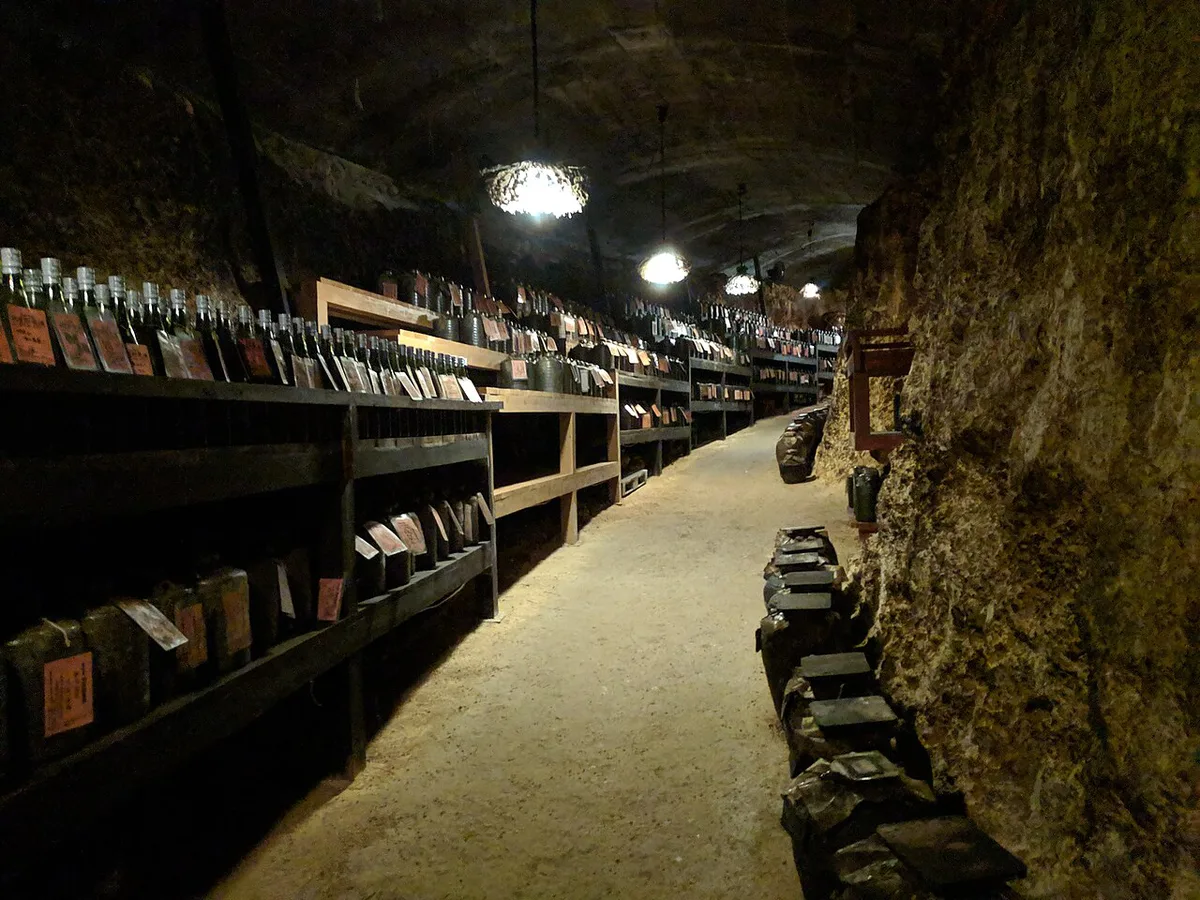
Miyakojima Awamori Guide: Distilleries in Hirara, Ueno, and Irabu
Unlike Okinawa's main island, where producers spread across multiple cities, Miyako's distilleries cluster into a few compact areas. Most sit in or near Hirara, the port town where inter-island ferries dock, with others in the Ueno district and on Irabu Island. Taragawa and Kikunotsuyu are two of the better-known names based on Miyako, though tour formats vary by producer. Some run scheduled tastings with English signage, while others operate as shop-only counters with no walk-in tour. English-language support isn't guaranteed even at tour-friendly stops, so mention language needs when booking. Confirm the current tour schedule and language support directly with each distillery before building a day around it. A few producers also release small-batch bottlings sold only from their own tasting room, so ask directly if a distillery has anything exclusive. Flights land at Miyako Airport, and a rental car is the easiest way to string stops together. Because the island is compact, covering two or three tasting rooms in a single day is realistic without long transfers. Pair a distillery stop with a broader look at Miyakojima day trips so the drive covers more than just tasting rooms. For a broader look at Okinawa distillery touring beyond Miyako, Michelin's roundup of Okinawa awamori distilleries is a useful cross-reference.
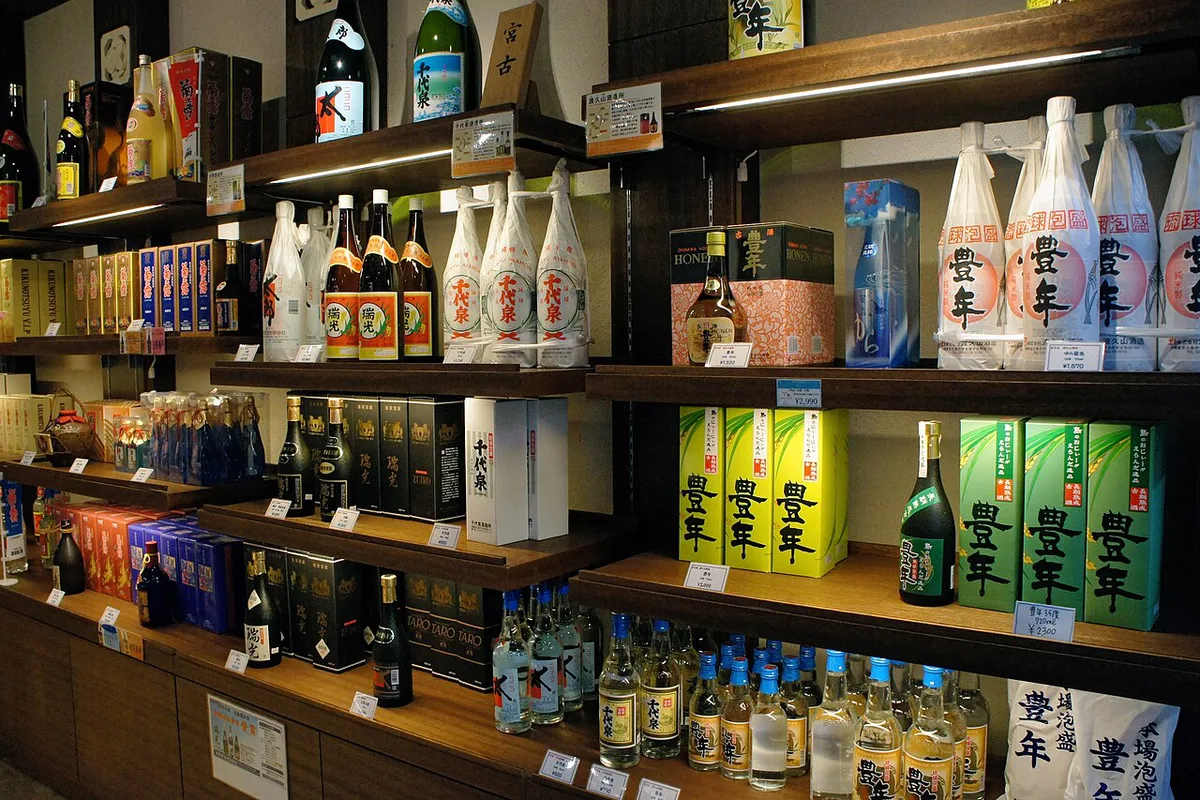
Kusu: How Miyako Distilleries Age Awamori with the Shitsugi Method
Awamori labeled kusu has aged at least three years, the threshold most Okinawan producers use for the term. Many distilleries still favor kame, unglazed earthenware pots, over stainless tanks for long-term aging. Traditional producers use the shitsugi method. Pots are arranged in a row from oldest to youngest. When the oldest pot is tapped for a bottling, it gets topped up from the next pot in line. That pot is then topped up from the one after it, and so on down the row, which keeps flavor consistent across decades instead of restarting with each new batch. A poorly sealed kame can let alcohol content fall sharply over time, in documented cases from 44% down to just 20%. One well-known producer on Okinawa's main island, Chuko Distillery in Tomigusuku, even fires its own kame to guarantee a tight seal, a level of care worth asking Miyako producers about too. Flavor shifts as awamori ages: young, unaged bottles taste sharp and floral, while pours aged a decade or more move toward vanilla, caramel, and other rounder notes.
Alcohol content in poorly sealed kame can drop from 44% down to just 20%, falling below legal awamori standards. This explains why producers like Chuko fire their own kame to guarantee a tight seal.
| Young / White Awamori | Aged Kusu (3+ Years) | |
|---|---|---|
| Aging | Under 3 years, often unaged | 3 years or more, some 10+ years in kame |
| Flavor | Sharp, floral, more alcohol bite | Rounder, vanilla and caramel notes |
| Relative cost | Lower price point | Higher price point, more for rare kame-aged releases |
| Best use | Cocktails, awamori highballs | Sipping neat from a chibuguwa cup |
How to Drink Awamori Like a Local
Local drinking styles range from traditional to modern, and awamori adapts to both. For a wider view of what to order alongside, the Miyakojima food scene guide rounds up restaurants that keep deep awamori lists. Awamori's high proof also stands up well against rich, fatty dishes. Grilled Miyako beef cuts and salted, dried fish both cut through the alcohol instead of getting lost next to it. A bowl of Miyako soba is a lighter match for a young, unaged pour. Izakayas built around Miyakojima seafood menus usually stock a house awamori list to go with sashimi and grilled catch.
Awamori must be bottled below the legal 45% ceiling, but strength varies and many standard bottles are around 25%-30% ABV. Read the label and pace any tasting accordingly.
- Chibuguwa: a thimble-sized cup meant for slow sipping, not a single shot.
- Karakara: an earthenware flask used to pour rounds at the table.
- Water or ice: cold water smooths the bite, while hot water opens up an aged pour's fat and mellowness.
- Awamori highball: soda, ice, and often a squeeze of shikuwasa, a tart Okinawan citrus.
- Awamori coffee: a local trend pairing the spirit's earthiness with an espresso shot, sold at some cafes and convenience stores.
Kari Toasts and the Otori Sharing Custom
Okinawans toast with kari instead of the mainland's kanpai. On Miyakojima, that toast can begin otori, a custom in which a cup circulates around the table. Participation is optional: decline clearly before drinking if you do not want alcohol, and never accept a pour because of social pressure. Drivers, people under 20, pregnant or nursing guests, and anyone avoiding alcohol for health, religious, or medication reasons should not participate. A non-alcoholic drink lets a guest join the conversation and toast without consuming awamori.
Planning a Distillery Visit: Costs, Transport, and Etiquette
A standard 720ml bottle of young awamori usually costs less than a long-aged kusu release. Tasting-room boutiques, Miyako Airport shops, and local supermarkets carry different labels, while the island's produce markets may stock local bottles. Distillery access varies. Taragawa's current tour page, for example, lists weekday slots at 10:00, 11:00, 13:30, and 15:00, lasting about 30-45 minutes, with reservations prioritized and weather cancellation possible. Awamori strength varies by product and must remain below 45% ABV, so read the label. Anyone driving must abstain and use a designated driver, taxi, or other transport for a tasting day.
Beyond the Bottle: Hanazake and Habushu
Hanazake from Yonaguni can reach around 60% ABV and is not distilled on Miyakojima. Habushu is a separate product in which a habu snake is steeped in alcohol, sometimes with added herbs or sweeteners. Avoid categorical safety claims based only on commercial packaging: buy a properly labeled product from a legitimate retailer, check the ingredient and allergen information, and do not consume an unlabeled homemade version. Treat either as a high-strength or novelty drink, not an obligation.
Mistakes First-Time Awamori Drinkers Make on Miyakojima
First-time visitors trip up on a few habits more than on the drink itself.
- Ignoring the bottle's actual ABV; many common awamori products are around 25%-30%, while others are stronger and all require deliberate pacing.
- Assuming every distillery takes walk-in tours, when several Miyako producers are shop-only or require a booked slot.
- Skipping white, unaged awamori because it sounds unfinished, when it's often the better base for a highball or a shikuwasa mix.
- Driving between tasting rooms without a designated driver, despite Japan's zero-tolerance drink-driving law.
- Drinking because of social pressure; decline the otori round clearly and use a non-alcoholic drink if you do not want or cannot consume alcohol.
A Practical Miyakojima Distillery Route
Plan distillery stops by area instead of treating them as one central attraction. Kikunotsuyu is associated with Hirara, close to Miyakojima’s main town and port area. Taragawa is in the island’s southern inland area, so it pairs more naturally with drives through the former Gusukube and Ueno districts.
Call each producer before setting out. A retail counter, a tasting opportunity, and a production tour are different things. A shop may sell limited bottles without allowing visitors into fermentation or distillation spaces.
- Start in Hirara for Kikunotsuyu and nearby lunch or izakaya plans.
- Visit Taragawa on a south-island drive, rather than doubling back from Irabu.
- Leave Irabu for a separate day if your itinerary also includes the bridge, coast, or beach stops.
Do not build a self-drive tasting route unless someone remains completely alcohol-free. Taxis or a designated driver are essential after even a short tasting. If a tour is unavailable, ask whether the shop has an exclusive bottle or a small tasting set instead.
How This Guide Was Verified
Food availability, access details, seasonal rules, and the time-sensitive claims in this guide were checked on August 22, 2026 against the official sources below. Independent restaurant menus, prices, opening days, and sell-outs can change, so confirm the operator's same-day notice before making a special trip.
Frequently Asked Questions
What exactly is kusu, and how old does awamori need to be to use the term?
Kusu is awamori aged at least three years, typically in kame earthenware pots using the shitsugi replenishment method. Younger, unaged bottles are usually labeled white awamori and taste sharper and more floral by comparison.
Do Miyakojima's distilleries require advance booking for a tour?
Policies vary by producer. Some run scheduled tastings with set hours, while others operate as shop-only counters with no walk-in tour. Confirm the current schedule directly with each distillery before planning a route around Hirara, Ueno, and Irabu.
What is otori, and can visitors skip it politely?
Otori is a Miyako drinking custom in which a cup circulates around a table. Participation is optional. A clear no thank you or a non-alcoholic toast is appropriate; drivers, people under 20, pregnant or nursing guests, and anyone avoiding alcohol should not accept a sip.
How strong is awamori compared to sake or beer?
Strength varies. Many common bottles are around 25%-30% ABV, and awamori must be bottled below 45%. Check the label rather than assuming every pour is in one fixed range. Yonaguni hanazake is a separate high-strength category that can reach about 60%.
Where can visitors buy Miyakojima awamori to bring home?
Distillery tasting rooms sell their own labels directly, and Miyako Airport carries a range of bottles for last-minute buys. Local supermarkets and the island's produce markets are also worth checking, since selection and pricing shift from stop to stop.
How is awamori actually produced, from rice to bottle?
Steamed rice is inoculated with black koji spores for about two days, then moved into a tank with water and yeast to ferment as moromi for roughly two weeks. Distillers run the mash through a pot still just once and dilute the result to below 45% alcohol before it ages or bottles.
Free guide: Japan's Hidden Gems
12 under-the-radar places beyond Tokyo & Kyoto — with the best season to visit each and a local tip you won't find in the guidebooks.
You might also like


Continue reading
More guides you'll find useful


