

Miyakojima Food Markets and Local Produce
A 2026 guide to Miyakojima food markets and local produce, from Atarasu Market and Shima no Eki Miyako to Irabu Ohashi Sea Station.
On this page
Last updated August 2026, this guide maps Miyakojima food markets and local produce across Hirara and Irabu Island. Stops range from farmer stalls at Atarasu Market to seafood counters at Irabu Ohashi Sea Station. Coral-derived, calcium-rich soil shapes what growers bring to market, from mangoes and Miyako pumpkins to island tofu pressed the same morning.
Miyakojima Food Markets and Local Produce at a Glance
Four stops define Miyakojima food markets and local produce for most visitors. They are Atarasu Market, Shima no Eki Miyako, Miyakojima City Public Market, and Irabu Ohashi Sea Station. Each one serves a different purpose, so match the stop to what is on your shopping list. If time only allows one stop, Atarasu Market covers the broadest range of fresh produce in a single visit. If a meal and souvenirs matter more than raw ingredients, Shima no Eki Miyako covers both at once. A rental car makes the difference, since the four sites sit far enough apart that walking between them is not realistic. For a wider itinerary around the island, check the Miyakojima attractions guide before mapping a route. Miyako Island's bedrock is coral limestone, and the soil it breaks down into carries more calcium than volcanic soil found elsewhere in Okinawa. Farmers point to that mineral content when explaining why the island's pumpkins, melons, and mangoes taste different from produce grown elsewhere in the prefecture. None of the four markets publish lab data on this, so treat it as a long-standing local explanation rather than a verified claim.
| Market | Best For | Location Vibe | Must-Buy |
|---|---|---|---|
| Atarasu Market | Raw produce and bulk fruit | Working farmers' market | Mangoes (summer), Miyako pumpkins, island tofu |
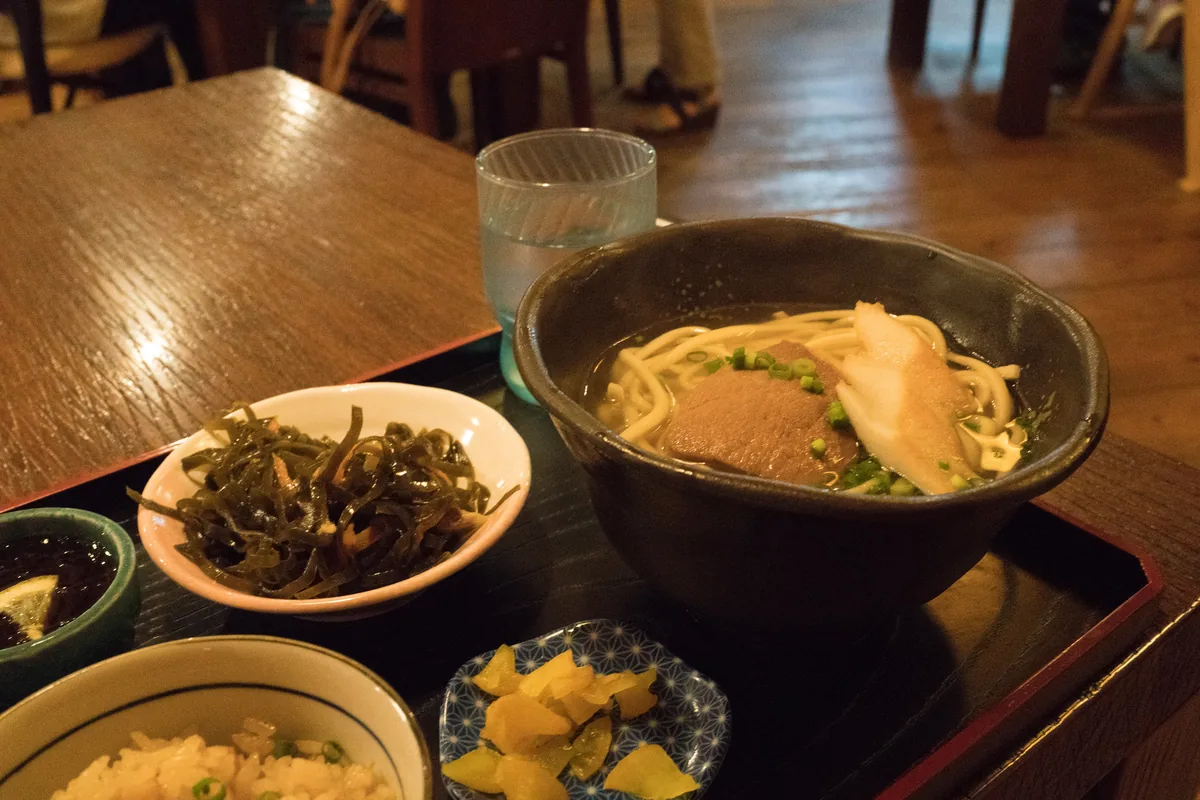
| Shima no Eki Miyako | Lunch and souvenirs | Tourist-friendly rest station | Soft bread with Yukishio salt, Miyako soba, bottled sauces |
| Miyakojima City Public Market | Traditional atmosphere | Historic downtown Hirara | Miki smoothies, handmade tofu, crafts |
| Irabu Ohashi Sea Station | Seafood and bridge views | Scenic roadside stop on Irabu Island | Dried bonito, skipjack tuna products |
Atarasu Market: Where Locals Shop First
Atarasu Market, officially JA Okinawa Farmers Market Miyako, sits about a 5-minute drive from Miyako Airport. It opened in December 2005 as an agricultural training center and was rebranded Atarasu Market in December 2006. In the Miyako dialect, atarasu means beloved or precious, and locals treat the market as a daily grocery stop rather than only a tourist attraction. Farmers affiliated with JA bring in produce that shifts with the seasons, including Miyako pumpkins and winter melon. During the colder months, shelves lean toward those items instead of the summer mango stacks. The JA women's group also presses miso from domestically grown soybeans and sells island tofu alongside prepared dishes like sata andagi doughnuts and juushi rice balls. Sugarcane stalks and other packaged Miyako specialties round out the souvenir shelves near checkout. Bento boxes and fish tempura are sold ready-to-eat, useful for travelers heading straight to a beach or the airport gate. Because Atarasu sits so close to the runway, treat it as a last stop for perishable souvenirs before a flight. For the wider dining scene beyond the market stalls, the Miyakojima food guide covers restaurants and specialty dishes across the island.
- Address: 1442-1 Hirara Nishizato, Miyakojima City
- Hours: 9:00 to 19:00, closed during the New Year holidays
- About a 5-minute drive from Miyako Airport
Shima no Eki Miyako: Lunch, Bread, and Souvenirs
Shima no Eki Miyako, sometimes called Island Station, doubles as a farmers market and a food court. Vendors restock the produce section daily, so shelves change from morning to morning. Chojiya serves Miyako soba and draws a steady lunch crowd of locals. See the Miyako Soba Guide: Best Restaurants & Hidden Topping Secrets for more on the dish itself. Shokupan no Nishizato bakes a soft raw bread made with the island's Yukishio salt, and Hisamatsu Tempura fries snacks meant for eating on the spot. Because the food court sits beside the produce shelves, a bowl of soba works well as a break between rounds of shopping. The site functions as both a rest station and a market, so it covers lunch, produce, and souvenirs in one stop.
- Address: 870-1 Hirara Kugai, Miyakojima City
- Hours: 9:00 to 19:00 in summer, 9:00 to 18:00 in winter
Miyakojima City Public Market: Hirara's Old-Town Kitchen
Miyakojima City Public Market sits at the intersection of Market Street and Shimozato Main Street in downtown Hirara. More than a dozen shops operate inside, mixing decades-old stalls with newer vendors. Magotofu Public Market Store presses tofu on site and has a reputation locally as one of the island's most respected tofu makers. Natural Protein blends drinks from Miyako-grown fruits and vegetables. Kurima Island Miki serves a smoothie version of miki, a traditional fermented rice and sweet potato beverage most visitors overlook. Newer shops in the same block lean toward packaged, gift-ready versions of the same local ingredients. Because the market sits inside a working downtown block rather than a standalone building, adjoining streets hold additional small shops and eateries worth a walk. Hours vary by individual shop, so check signage or call ahead if a specific vendor is the goal.
- Address: 1 Shimozato, Hirara, Miyakojima City
- Hours vary by store
Irabu Ohashi Sea Station: Bonito, Tuna, and Bridge Views
Irabu Ohashi Sea Station sits at the foot of Irabu Ohashi Bridge, on the Irabu Island side of the crossing. The ground floor holds a shop stocked with Irabu and Miyako specialty products, and the second floor is a restaurant. Bonito and tuna define the lineup, sourced from Irabu's fishing fleet. Local boats land much of what later becomes dried flakes and simmered tsukudani at the Sea Station. Dried bonito flakes and bonito tsukudani are the top picks to bring home. For background on the island's fish culture, see the Miyakojima Seafood Guide: From Fishing Ports to Island Plates. Classic souvenirs, handicrafts, and awamori round out the shop's shelves. Bottled goods like these travel more easily than the fresh bonito case near the register. Upstairs, the restaurant serves home-style island dishes such as soki soba, aasa soba, and butadon, with a direct view of the Irabu Ohashi Bridge from the dining room. Because Irabu Island sits across the bridge from Hirara, build extra drive time into a visit here rather than treating it as a quick stop.
- Address: 1092-1 Ikemazoe, Irabu, Miyakojima City
- Shop hours: 9:00 to 18:00
- Restaurant hours: 11:00 to 17:00, last order 16:00
Yukishio Salt and Other Specialty Stops
Yukishio salt, mined from seawater and used in the soft bread at Shima no Eki Miyako, is worth a detour if a specific gift is the priority. Specialty counters around Hirara stock it alongside other salt-based snacks, though inventory and hours shift by season. Confirm current availability locally before building a special trip around it. Pair a small bag of Yukishio with the soft bread from Shima no Eki Miyako for a single souvenir that ties two stops together. Treat this stop as a bonus rather than a must, since the four main markets and stations above cover most of what shoppers need.
A Seasonal Guide to Miyako Island Produce
What is available at any given market depends heavily on the calendar. Mango season runs roughly June through August, with Irwin and Keitt varieties both showing up on market tables alongside pineapple. Winter and spring bring winter melon, Miyako pumpkins, and purple sweet potatoes instead. Atarasu Market and Shima no Eki Miyako both source directly from local farmers, so their shelves shift with the season fastest. The public market and Irabu Ohashi Sea Station change more slowly, since they lean more on prepared and processed goods. A handful of staples show up year-round regardless of season.
Farm-market stock changes with harvests and deliveries. Go earlier if a specific item matters, but do not assume a fixed restocking or sell-out time; ask the individual vendor.
| Season | What's in Season |
|---|---|
| June–August | Mango (Irwin, Keitt varieties), pineapple |
| Winter–Spring | Winter melon, Miyako pumpkins (nankou), purple sweet potato |
| Year-round | Island tofu, Miyako beef (frozen or processed), sea grapes, awamori |
- Island tofu (shima-doufu), often pressed fresh in the morning
- Miyako beef, typically sold frozen or processed rather than fresh-cut. The Miyako Beef Restaurants: 6 Best Spots for Authentic Island Wagyu covers where to eat it prepared.
- Sea grapes (umi budo), sold chilled at seafood-focused stops
- Awamori, Okinawa's distilled spirit, sold at Irabu Ohashi Sea Station and other stops. The Miyakojima Awamori Guide: Distilleries, Kusu, and Otori Etiquette has tasting and buying details.
Self-Catering: Shopping Miyako Markets for a Rental Kitchen
Many stays on Miyako Island are vacation rentals or condos with kitchens, and the island's markets suit that kind of stay. Atarasu Market and the public market both sell produce by the piece rather than in prepackaged multi-item trays. A simple dinner for two does not mean buying more than needed. Island tofu, seasonal vegetables, and bottled sauces from Shima no Eki Miyako cover a full meal without a separate grocery run. For protein beyond what the markets sell fresh, Miyako beef and seafood are usually easier to find already prepared at a restaurant than raw at a market stall. None of the four stops function as a full supermarket, so pair a market run with a convenience store or supermarket visit in Hirara for staples like rice, oil, or coffee. A cooler bag or insulated tote makes a meaningful difference if produce needs to survive a drive back to Hirara from Irabu Island before refrigeration. Pack a reusable ice pack, since not every stop sells ice for a cooler.
Logistics for Market-Hopping on Miyako Island
Timing determines what is left on the shelves. Fresh tofu, warm bread, and the best fruit selections often sell out by late morning, so arrive before 11:00 if a specific item matters. A rental car is close to mandatory for covering more than one stop in a day. Atarasu Market sits near the airport in Hirara, while Irabu Ohashi Sea Station is a longer drive away on Irabu Island, connected by the Irabu Ohashi Bridge. Plan a single loop that starts at Atarasu Market or the public market in Hirara. From there, continue to Shima no Eki Miyako, then end at Irabu Ohashi Sea Station before doubling back over the bridge. Combining all four stops in a single day is possible with an early start. Doing so leaves little room for beach time or diving, so spreading the list across two days is more realistic for most itineraries. Larger stops like Shima no Eki Miyako and Irabu Ohashi Sea Station generally accept cards, but smaller stalls at Atarasu Market and the public market often prefer cash in yen. Carry small bills for the market stalls specifically. Prices at farmer-run stalls like Atarasu Market and the public market tend to run lower than at the tourist-facing stations, though neither publishes a fixed price list.
Irabu Ohashi's restaurant operates 11:00 to 17:00 with final orders at 16:00. Given the longer drive to Irabu Island, plan lunch there carefully to avoid arriving after closing.
Mistakes to Avoid: Season, Packing, and Biosecurity
Two mistakes come up often. One is expecting fruit out of season, such as looking for fresh mangoes in December. Another is packing restricted produce without checking the exact rule. MAFF plant-quarantine guidance prohibits untreated sweet potatoes, including beni-imo, from movement from Okinawa to mainland Japan; officially treated products may qualify. Rules for other produce and international destinations differ. Processed goods are often simpler, but still follow the destination's rules. For bottled items, check the airline and airport security limits for liquids and alcohol before deciding between carry-on and checked baggage, and protect glass from breakage.
How This Guide Was Verified
Food availability, access details, seasonal rules, and the time-sensitive claims in this guide were checked on August 22, 2026 against the official sources below. Independent restaurant menus, prices, opening days, and sell-outs can change, so confirm the operator's same-day notice before making a special trip.
Frequently Asked Questions
Which Miyakojima market is best for fresh produce?
Atarasu Market is the top pick for fresh produce, since it is stocked directly by JA-affiliated farmers and sits about a 5-minute drive from Miyako Airport. Shima no Eki Miyako is a close second, with the added benefit of an on-site food court.
When is mango season on Miyako Island?
Mango season runs roughly June through August, with Irwin and Keitt varieties appearing on market tables during that window. Outside those months, expect winter melon, Miyako pumpkins, and purple sweet potatoes instead.
Do Miyakojima markets and food stations accept credit cards?
Larger stops such as Shima no Eki Miyako and Irabu Ohashi Sea Station generally take cards. Smaller stalls at Atarasu Market and the public market often prefer cash in yen, so carry small bills.
Can you bring Miyakojima produce back to mainland Japan or overseas?
Untreated sweet potatoes, including beni-imo, cannot be moved from Okinawa to mainland Japan; officially treated products may qualify. Other produce and international destinations have different rules, so check the relevant plant-quarantine authority before packing.
What time should you arrive to get fresh tofu and bread?
Earlier shopping can improve selection, but there is no verified island-wide 11:00 cutoff or next-morning restock promise. Ask the specific vendor about that day's delivery and sell-out pattern.
Is a rental car necessary to visit Miyakojima's food markets?
Yes, a rental car is close to mandatory for covering more than one market in a day. Atarasu Market, the public market, and Shima no Eki Miyako sit in or near Hirara. Irabu Ohashi Sea Station is a longer drive across the Irabu Ohashi Bridge.
Free guide: Japan's Hidden Gems
12 under-the-radar places beyond Tokyo & Kyoto — with the best season to visit each and a local tip you won't find in the guidebooks.
You might also like


Continue reading
More guides you'll find useful


