

Miyako Soba Guide: Best Restaurants & Hidden Topping Secrets
Plan a Miyako soba guide crawl around Hirara: the Big Three shops, hidden-topping history, condiment etiquette, and 2026 prices, hours, and sold-out timing.
On this page
Last updated August 2026, this Miyako soba guide covers what separates Miyakojima's noodle bowl from the rest of Okinawa's soba scene. It walks through the straight wheat noodles, the light bonito broth, and the toppings once hidden beneath the noodles. It also maps where to eat around Hirara and when shops tend to run out for the day.
Miyako Soba Guide Basics: Noodles, Broth, and Toppings
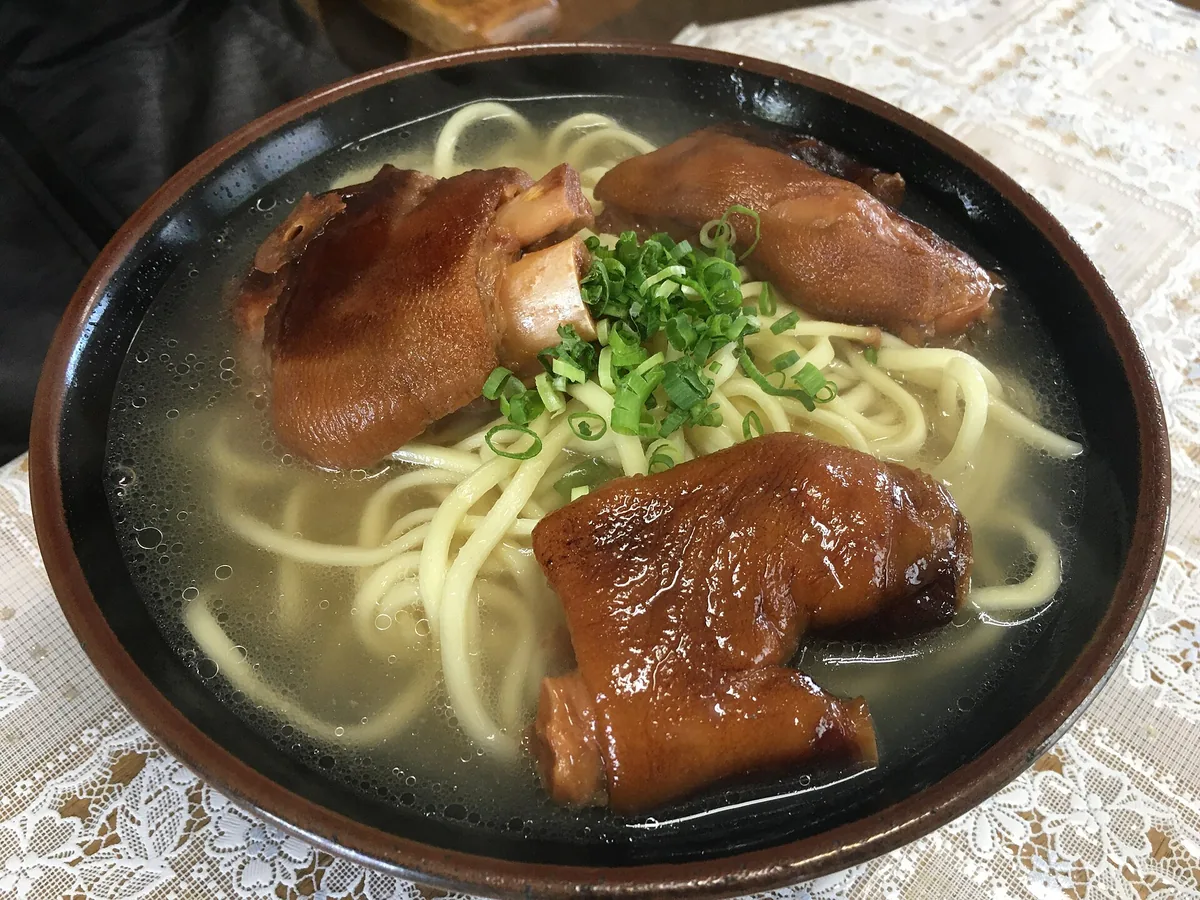
Miyako soba starts with wheat flour, not buckwheat, so the texture stays soft even for young eaters. Traditional noodle-makers skip kansui, the alkaline water used in most Okinawan noodles, keeping the strands flat and straight instead of curly. Broth stays light, built on bonito stock with a clear pork base rather than the heavier, cloudier soups found around Naha. Two toppings define a classic bowl. Sanmainiku brings layered cross-sections of pork belly with skin, meat, and fat. Kamaboko, a wave-shaped fish cake, rounds out the plate. Bowls turn up on breakfast, lunch, and late-night menus alike, more a daily habit than a special-occasion dish. Most of the shops in this guide sit in or near Hirara, part of the wider Miyakojima food scene.
The Hidden Toppings: History and Meaning Behind the Bowl
Older bowls of Miyako soba bury pork and fish cake underneath the noodles, topped only with chopped scallions. Local accounts give two explanations for the style. One holds that burying the toppings kept them from drying out. Another says diners hid pork, once a luxury item, so the bowl looked plain to neighbors and tax collectors. Either way, food writers on the island treat the hidden-topping method as the original Miyako soba presentation. In a traditional bowl, only a scattering of green onion breaks the surface of pale broth and noodles. In a modern bowl, pork, fish cake, and greens sit stacked visibly on top, closer to how Okinawa soba is usually served. Several kitchens around Hirara still serve the traditional style on request, including Yamato Shokudo and Maruyoshi Shokudo.
Miyako Soba vs. Okinawa Soba: What's Actually Different
Both dishes trace back to Chinese wheat noodles reshaped over generations across Okinawa Prefecture. Differences show up mainly in the noodles, the broth, and how kitchens plate the toppings. Soki soba, a close cousin, swaps sliced pork belly for bone-in pork ribs and tends to run heavier. Yaeyama soba, from the Ishigaki area, uses thin round noodles in a slightly sweet broth topped with thin pork and fish cake. This table lines up the core differences.
| Feature | Miyako Soba | Okinawa Soba (Naha-style) |
|---|---|---|
| Noodles | Flat, straight, no kansui | Thicker, curly, made with kansui |
| Broth | Light, bonito-forward, clear pork base | Richer, cloudier pork bone and bonito broth |
| Toppings | Sanmainiku pork belly and kamaboko, traditionally hidden under the noodles | Sliced pork belly and kamaboko piled on top |
| Local seasoning habit | Curry powder stirred into the broth | Koregusu chili-awamori sauce |
The Big Three (and More): Best Places to Eat Around Hirara
Hirara and its surrounding districts hold most of the shops worth planning a stop around. Broth style, price, and hours vary enough that a quick comparison helps before setting out.
Set meals range from Jinkuya's ¥550 to Koja Soba Shop's ¥800. Despite this variation, all shops keep prices modest, staying within the ¥550-¥800 bracket for set meals.
| Shop | Broth Profile | Signature Order | Hours | Closed |
|---|---|---|---|---|
| Koja Soba Shop | Clear, light pork bone | Set meal, about ¥800, with soba, Juicy rice, mozuku, and pickles | 11:00 AM-4:00 PM | Wednesday |
| Maruyoshi Shokudo | Garlicky pork bone | Large Miyako soba, ¥500, plus a free brown sugar ice pop after the meal | 10:30 AM-6:00 PM, later in summer | Irregular |
| Yamato Shokudo | Mild, gentle bonito | Vegetable soba, ¥600, curry powder available on request | 9:30 AM-7:00 PM | Tuesday |
| Jinkuya | Clear, noodle-factory direct | Soba and fried rice set, ¥550 | 11:00 AM-3:00 PM | Monday and Tuesday |
| Sumubari | Light broth, octopus toppings | Sumi-ink octopus soba or octopus stir-fry soba | 11:00 AM-5:00 PM | Wednesday |
- Koja Soba Shop is widely described as the island's oldest noodle factory turned restaurant. It dates to 1932 and sits about 10 minutes by car from Miyako Airport.
- Maruyoshi Shokudo sits in Sunagawa, within reach of sights covered in the Miyakojima attractions guide.
- Yamato Shokudo has run for 34 years and gets crowded enough that a table is not guaranteed at peak lunch hours.
- Jinkuya operates next to the Shimozato public market. It is run directly by the Hisamatsu Seimenjo noodle factory, so its yakisoba made from Miyako soba noodles draws a following too.
- Sumubari sits about 24 minutes by car from the airport, in Karimata. It stands out for octopus-based bowls, a departure from the standard pork-topped format covered in the Miyakojima Seafood Guide: From Fishing Ports to Island Plates.
Other Shops Worth Seeking Out
A few more names come up often enough on Miyakojima to mention beyond the core five.
Kaimirai lies 28 minutes by car from the airport. Since shops span three districts with no walkable cluster, a rental car becomes close to mandatory for a proper soba pilgrimage.
- Miyako Soba 'Straight': flat noodles in a clear bonito broth, in Ueno, about 8 minutes by car from Miyako Airport.
- Kikuei Shokudo: open from morning in Nishisato, suited to an early, gentle-flavored bowl.
- Kaimirai: a sea-view spot in Ikema, about 28 minutes by car from the airport.
- Haru Oba Shokudo: Miyako soba paired with homemade island tofu, in Shimozato, the same district as Koja Soba Shop.
Quick Bites: Miyako Soba at the Airport and Local Izakayas
Paipai no Mura, on the second floor of Miyako Airport, serves Miyako soba for travelers short on time. An A&W location at the airport also lists Miyako soba on its menu. Both spots have Wi-Fi, useful for a layover meal before or after a flight. Izakayas around the island frequently serve a light bowl as a closing dish after drinks. Some izakaya kitchens also turn the noodles into yakisoba, mirroring what noodle-factory shops like Jinkuya do.
How to Eat Like a Local: The Condiment Guide
Curry powder is a condiment associated with Miyako soba at some traditional shops. Many diners eat part of the bowl plain, then add a little for contrast. Koregusu is island chili infused in awamori, so it adds alcohol as well as heat. Add only a few drops, and avoid it if driving, under 20, pregnant or nursing, or otherwise avoiding alcohol. Chopped scallion, shichimi, red pickled ginger, and local salt may also appear, depending on the shop.
Planning a Soba Pilgrimage: Timing, Transport, and Budget
A rental car is close to mandatory for this itinerary. These shops sit across Hirara, Gusukube, and Karimata, three separate districts with no walkable cluster between them. Most kitchens run a lunch-only schedule, roughly late morning to mid-afternoon, and several close earlier than posted once the broth runs out. Arriving around 30 minutes before opening is a common strategy for skipping a wait. One visitor reported a 40-minute line arriving near 1:30 PM on a Saturday at Koja Soba Shop, well before its posted 4:00 PM close. Budgets stay modest across every shop on this list.
- Small bowl: about ¥400-¥580 at Jinkuya or Koja Soba Shop
- Large bowl: about ¥500-¥550 at Maruyoshi Shokudo or Yamato Shokudo
- Soki soba upgrade: about ¥730-¥900 depending on the shop
- Set meal with rice and sides: about ¥550-¥800
After the Bowl: A Heartier Follow-Up
After a light lunch, save the bigger appetite for dinner. A heavier, meat-forward meal is covered separately in the Miyako Beef Restaurants: 6 Best Spots for Authentic Island Wagyu.
Souvenirs: Taking Miyako Soba Home
AEON and MaxValu locations across Okinawa, including branches on Miyakojima, stock both instant Miyako soba packs and fresh vacuum-packed noodles. Fresh packs suit gifting, and boxed sets that combine several soba styles work well for side-by-side tasting. Pre-packaged toppings need only reheating at home. Rafute (braised pork belly), soki (spare ribs), and tebichi (stewed pig's trotters) are the three most common packs, letting travelers rebuild a full bowl. Koregusu and dried asa seaweed pack easily and store well in a suitcase. Broader grocery and produce finds beyond soba are covered in the Miyakojima markets guide.
Common Mistakes to Avoid
A handful of avoidable mistakes come up often enough to flag directly.
- Assuming soba means buckwheat: Miyako soba is 100 percent wheat flour, unlike soba on mainland Japan.
- Showing up mid-afternoon: several shops sell out of broth before their posted closing time.
- Skipping the set meal: the Juicy seasoned rice included in many sets is often as memorable as the noodles.
- Ordering only the modern-style bowl: ask for the traditional hidden-topping presentation to see the dish's original form.
- Avoiding curry powder entirely: it is a Miyako-only habit worth testing on at least half a bowl.
How This Guide Was Verified
Food availability, access details, seasonal rules, and the time-sensitive claims in this guide were checked on August 22, 2026 against the official sources below. Independent restaurant menus, prices, opening days, and sell-outs can change, so confirm the operator's same-day notice before making a special trip.
Frequently Asked Questions
Is Miyako soba kid-friendly?
Yes. Broth stays mild rather than spicy, and wheat noodles are soft enough for young eaters. Ask staff to serve Koregusu and curry powder on the side so children can skip them.
Can travelers find vegetarian Miyako soba?
It is difficult. Traditional broth is built on pork bone and bonito stock, and the default toppings are pork-based. Ask directly about a meat-free broth, since most standard menus do not list one.
What is the difference between Miyako soba and Soki soba?
Soki soba swaps sliced pork belly for bone-in pork ribs, making for a heartier, more filling bowl. Miyako soba stays lighter, built around sanmainiku and kamaboko in a clear broth.
Do you need a rental car to try Miyako soba properly?
Effectively yes. Well-known shops sit in different districts around Hirara, Gusukube, and Karimata, and none of them cluster within walking distance of each other.
How much does a bowl of Miyako soba cost?
Small bowls start around ¥400 to ¥580, and larger bowls or soki soba versions run ¥730 to ¥900. Set meals with rice and sides land around ¥550 to ¥800.
Is Miyako soba the same as Okinawa soba?
No. Miyako soba uses flat noodles without kansui and a lighter, bonito-forward broth. Okinawa soba uses thicker, curly noodles in a richer pork bone and bonito broth.
What is the best time of day to eat Miyako soba?
Late morning, ideally right at opening, gives the best odds of a full menu and a short wait. Arriving after 2:00 PM risks a shop already out of broth for the day.
Free guide: Japan's Hidden Gems
12 under-the-radar places beyond Tokyo & Kyoto — with the best season to visit each and a local tip you won't find in the guidebooks.
You might also like


Continue reading
More guides you'll find useful


