

Ishigaki Awamori Tasting Guide
Plan an Ishigaki awamori tasting: which distilleries welcome walk-ins, what a hands-on tour involves, and where to buy bottles before you fly out.
On this page
Last updated August 2026. Ishigaki awamori tasting breaks into three practical choices: a booked distillery experience, a shorter facility visit with tasting, or comparing bottles at retail before you buy. Ishigaki Island holds several family-run breweries, while producers on Yonaguni and Hateruma sit a separate inter-island trip away. This guide covers which stop fits your schedule, which access rules to confirm, and where to buy a bottle.
What Is Awamori, and Why Taste It on Ishigaki
Awamori is Okinawa's own distilled spirit, not a variant of sake or mainland shochu. Sake is brewed from short-grain rice at a lower strength; shochu is usually distilled from barley, sweet potato, or buckwheat on Japan's main islands. Production relies on long-grain rice fermented with black koji mold, then a single pot-still distillation. Standard bottles run 25%-30% ABV, and aged or premium releases climb past 40%; Yonaguni's hanazake reaches around 60°. The craft traces back roughly 600 years to trade contact with Siam during the Ryukyu Kingdom, when distillation know-how reached the islands via regional trade routes. Production stayed limited to licensed distillers supplying the royal court in Shuri for much of that period, with bottles serving as gifts to visiting dignitaries. Bottles aged three years or more earn the label kusu, and it mellows the longer it rests.
Ishigaki Awamori Tasting: Tour vs. Tasting Room vs. Retail Sampling
Tour formats differ sharply, so book the experience rather than assuming every brewery offers the same activities. Ikehara Distillery offers a reservation-based facility visit of about 30 minutes, including its product range tasting, for groups of up to five. It is not advertised as a rice-steaming, koji-making, or bottle-labeling workshop. Yaesen offers a separate booked experience of about 150 minutes, including backstage explanation, moromi-related activity, blending or cocktail work, and tasting, with a maximum of four participants per day. Retail browsing is the simplest option if time is short or no one in the group can taste alcohol.
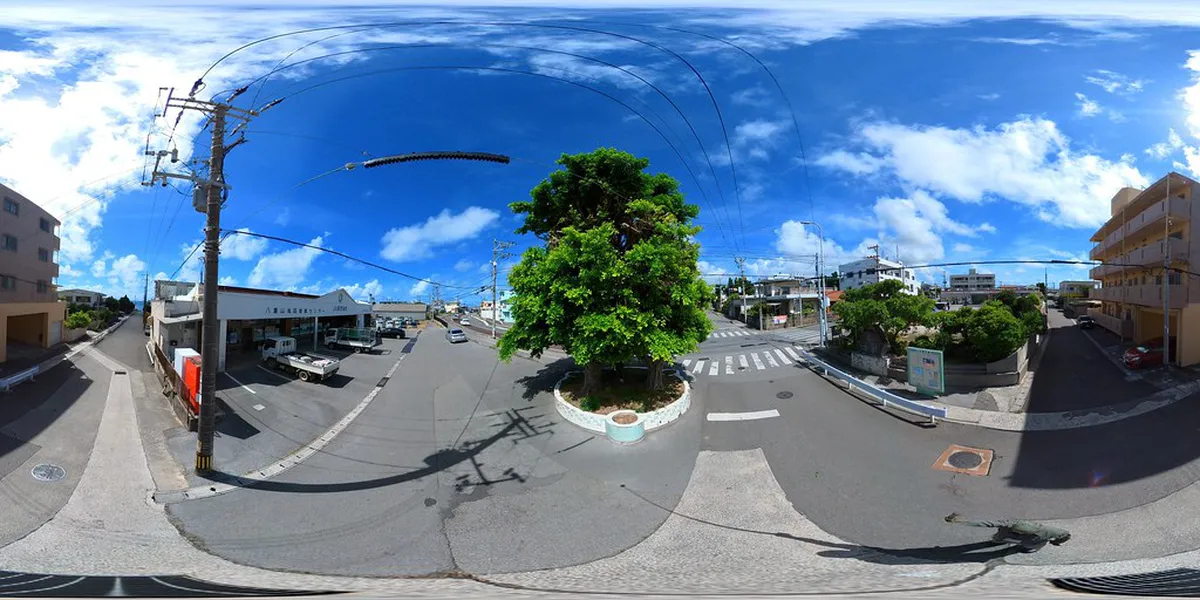
- Hands-on brewing tour (Ikehara Distillery-style): multi-step, likely reservation-only, a longer commitment.
- Tasting-room stop: walk-in at a distillery's own shop counter, a few pours, buy on the spot.
- Retail sampling: no formal pour, but a place to compare labels or find a multi-bottle set.
Ishigaki's Distilleries at a Glance
Sources differ on exactly how many awamori distilleries operate on Ishigaki Island itself versus across the wider Yaeyama region. One count puts six established distilleries on Ishigaki Island; broader roundups list nine breweries once Yonaguni and Hateruma island producers are folded in, which explains the mismatch you'll see across guides. The table below covers producers physically located on Ishigaki, plus Seifuku, a small hand-run distillery near Ikehara. Confirm hours directly before visiting, since family-run breweries close for holidays without much notice.
| Distillery | Signature bottle | Location | Hours | Closed | Best fit |
|---|---|---|---|---|---|
| Kitefuku Shuzo | Kitefuku 30 | 959 Miyara, Ishigaki City | 10:00am-5:00pm | Sat, Sun, holidays | Full-bodied, open-flame style |
| Yaesen Shuzo | Yaesen 30 / Kusu Yaesen | 1834 Aza-Ishigaki, Ishigaki City | Booked experience, about 150 minutes | Check available dates | In-depth experience; maximum four per day |
| Tamanaha Brewery | Tamano-Dew | 74 Ishigaki, Ishigaki City | 8:30am-5:00pm | Sat, Sun | Traditional direct-distillation style |
| Takamine Brewery | Omoto 30 | 930-2 Kabira, Ishigaki City | 8:30am-5:00pm | Sat, Sun | Pairing with a Kabira Bay stop |
| Ikehara Distillery | Shirayuri 30 | 175 Okawa, Ishigaki City | Shop Tue-Sun, 1:00pm-5:00pm | Monday | Reserved ~30-minute facility tour and tasting; max five |
| Nakama Brewery | Miyanotsuru | 956 Miyara, Ishigaki City | 1:00pm-6:00pm | Sunday | Connoisseurs; small production run |
| Seifuku | Seifuku Vintage 43 | Ishigaki City, near Ikehara Distillery | Confirm directly | Confirm directly | Hand-built jikabi still, small-batch |
Planning Your Visit: Time, Cost, and Access Rules to Confirm
None of the distilleries covered here publish a fixed tour price in their own materials, so confirm current rates directly with each distillery or through a booking platform before you go. Bottle prices are a more reliable comparison. Buying directly at a distillery costs roughly what you'd pay for the same label at a supermarket, but only the distillery shop stocks its limited or vintage releases. Browsing a distillery shop doesn't carry a separate entrance fee in any of the sources reviewed for this guide. The cost variable to plan around is which bottles you take home, not an admission charge. Access rules matter as much as cost. Yaesen Shuzo's own site lists a tasting restriction that's worth planning around:
Ikehara's official visit is a short, reservation-based facility tour and tasting, while Yaesen's booked experience is much longer. Reserve through each operator's current channel and do not assume either is a walk-in.
- No tasting for guests arriving by car, e-vehicle, or bicycle.
- No tasting for guests under 20.
- No tasting for guests who are pregnant or nursing.
Where to Buy Ishigaki Awamori
Where you buy trades off against what you're after. Distillery shops carry the rarest bottles, including small-batch and vintage labels that never reach general retail, and you're buying with the tasting notes still fresh. Euglena Mall and the shops at Ishigaki Airport carry the widest side-by-side selection, useful if you're comparing several distilleries' bottles at once or buying on your way out. Supermarket chains including MaxValu, Sanei, and Kanehide tend to be the cheapest option, but only if you already know which label you want; their awamori sections aren't set up for browsing. For a more local buying stop that also covers snacks and prepared food to take home, the public market is worth combining with a bottle run.
When comparing bottles at a shop or supermarket, check the label for strength: standard 25%-30% ABV bottles pair best with Ishigaki's seafood, while aged releases above 40% complement heavier local dishes like grilled beef.
How to Drink It Like a Local
Awamori shows up on the table as often as in a glass. Standard pairings lean on local Okinawan dishes such as tofuyo (fermented tofu), umibudou (sea grapes), goya champuru, and mozuku. It's typically served with ice and a side of water, so you can dilute it to taste. Common serving styles include: Start with a soda split if it's your first time, since it softens the aroma without masking the rice-forward base. Once you've settled on a style, aged kusu bottles pair well with heavier dishes such as grilled Ishigaki beef. Lighter 25%-30% bottles sit better alongside Ishigaki's seafood dishes such as umibudou and mozuku. It also flavors food directly, instead of just sitting in a glass beside it. Koregusu is a condiment made from island chili peppers steeped in awamori, and it's the standard seasoning for a bowl of Yaeyama soba. A few drops go a long way, so add it gradually rather than pouring it on at once. Between the food pairings and the seasoning, awamori sits inside Ishigaki's food culture rather than functioning as a separate souvenir category.
- On the rocks, for the clearest read on aroma.
- Mizuwari (with water) or oyuwari (with hot water), the everyday way to soften the alcohol.
- Soda-wari, the easiest starting point for a first-time taster.
- Shikwasa-wari (with local citrus) or a coffee split, both common flavored variations.
Mistakes to Avoid
A few avoidable missteps come up again and again when travelers plan an Ishigaki awamori tasting.
- Assuming every stop is a walk-in tasting — Ikehara and Yaesen publish reservation-based experiences, so book through the current official channel.
- Ignoring the driver and age restrictions — Yaesen's own site rules out tastings for drivers, cyclists, guests under 20, and pregnant or nursing visitors.
- Skipping a direct hours check — most of these breweries are family-run and close Saturday, Sunday, or both.
- Treating Yonaguni or Hateruma distilleries as an Ishigaki-day add-on — both sit on separate outer islands reached by inter-island transport, not a stop you fold into one afternoon.
- Buying only at the airport — distillery shops stock limited-label bottles that never reach general retail.
- Assuming a favorite bottle will still be there next trip — some labels are small-batch and mostly sold to the local community, so buy it on the day you find it.
How This Guide Was Verified
Food availability, access details, seasonal rules, and the time-sensitive claims in this guide were checked on August 22, 2026 against the official sources below. Independent restaurant menus, prices, opening days, and sell-outs can change, so confirm the operator's same-day notice before making a special trip.
Frequently Asked Questions
What is awamori and how is it different from sake or shochu?
Awamori is Okinawa's own distilled spirit, made from long-grain rice fermented with black koji mold. Sake is brewed rice wine at a lower ABV, and mainland shochu is usually distilled from barley, sweet potato, or buckwheat rather than rice.
Can you tour an Ishigaki distillery without a reservation?
Do not assume so. Ikehara's approximately 30-minute facility tour and tasting is reserved through its official channel, and Yaesen's longer experience is also booked in advance. A shop visit is not the same as a tour.
Is awamori tasting available if you're driving or renting a car?
Not always. Yaesen Shuzo's own site states tastings aren't offered to guests arriving by car, e-vehicle, or bicycle, or to guests under 20, pregnant, or nursing. Confirm the same rule at any other distillery before you plan a driving day around tastings.
Where can you buy awamori on Ishigaki Island?
Distillery shops carry the rarest and small-batch labels. Euglena Mall and Ishigaki Airport offer the widest side-by-side selection, and supermarkets such as MaxValu, Sanei, and Kanehide tend to be cheapest if you already know the bottle you want.
Which Ishigaki distillery suits a first-time taster?
Choose by format rather than an unsupported flavor ranking: Ikehara offers a short reserved facility visit and product tasting, while Yaesen's booked experience is substantially longer and more participatory. Anyone who cannot drink can still join only if the operator confirms an appropriate non-tasting option.
How long does an awamori distillery visit take?
Ikehara advertises about 30 minutes for its facility tour and tasting. Yaesen's full booked program is about 150 minutes. Confirm the current duration when reserving because programs can change.
Can awamori be enjoyed without drinking it straight?
It can be diluted with water or soda, but koregusu is not an alcohol-free substitute: the condiment is chilies infused in awamori. Drivers, people under 20, and anyone avoiding alcohol during pregnancy, nursing, or medication use should avoid alcoholic tastings and condiments unless a product is explicitly confirmed alcohol-free.
Free guide: Japan's Hidden Gems
12 under-the-radar places beyond Tokyo & Kyoto — with the best season to visit each and a local tip you won't find in the guidebooks.
You might also like


Continue reading
More guides you'll find useful


