

Ishigaki Beef Restaurants and Ordering Guide
A practical 2026 guide to Ishigaki beef restaurants: top yakiniku spots, steak houses, Tokusen vs Meisan grading, and how to book before tables sell out.
On this page
Last updated August 2026, this guide ranks the best Ishigaki beef restaurants by budget, cut, and booking difficulty. Ishigaki Beef comes from Kuroge Wagyu cattle raised in the Yaeyama District. It appears on local menus under two distinct quality labels, and knowing them changes what lands on your plate.
What Makes Ishigaki Beef Different From Ordinary Wagyu
Ishigaki Beef is Japanese Black cattle, known as Kuroge Wagyu, bred and raised in the Yaeyama District of Okinawa. Most visitors reach the island by air, about an hour's flight from Naha on Okinawa's main island, landing at New Ishigaki Airport. Warm temperatures, open grassland, and abundant water give the cattle ideal raising conditions. The result is a lean-leaning marbling with a notably sweet fat, distinct from heavier mainland wagyu styles. Production stays small, at roughly 600 to 800 head per year. Most of it never leaves the island. The beef gained national attention when it was served as the main course at the 2000 G8 Summit banquet in Nago, Okinawa. That exposure built the brand recognition that now anchors Ishigaki's food scene, alongside the wider dishes covered in the Ishigaki food guide.
Tokusen vs Meisan: Decoding the Grading Labels
Ishigaki Beef ships under two official labels, and telling them apart matters before you order. Premium-grade meat carries a Tokusen Ishigaki Gyu label, marked with the characters 特選. It requires a meat quality grade of 4 or higher and a Beef Marbling Standard of 5 or above. Ordinary-grade meat carries a Meisan label, marked 沖縄銘産, covering quality grades 2 and 3. Higher grades generally cost more, so a Tokusen dish on a menu explains a higher price tag rather than a markup without reason. Both labels come from JA Okinawa Ishigaki Gyu, the certifying association. Only cattle raised in the Yaeyama District for at least 20 months qualify for either grade. Cattle must also reach 24 to 40 months of age for cows, or 24 to 35 months for steers, before the beef qualifies. Travelers who want to cook their own cuts can buy graded beef at Ishigaki's public market stalls.
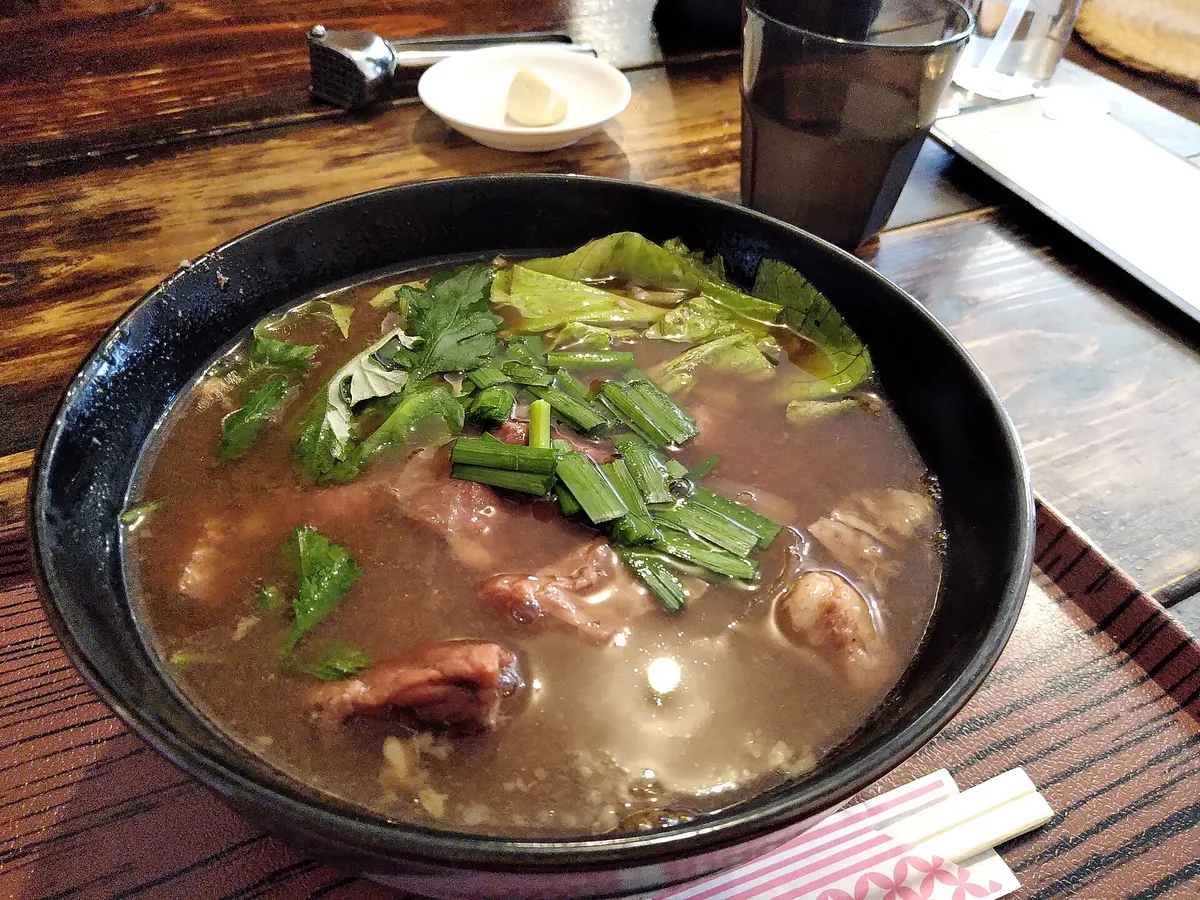
- A JA Okinawa Ishigaki Gyu certification sticker at the entrance
- 特選 (Tokusen) on the menu for Premium-grade cuts, grade 4 or higher
- 沖縄銘産 (Meisan) on the menu for Ordinary-grade cuts, grade 2 to 3
- Staff confirmation if the grade isn't posted anywhere visible
Top Ishigaki Beef Restaurants by Category
Expect three broad formats across Ishigaki's beef restaurants: self-grill yakiniku, chef-plated steak courses, and, less commonly, a beef sushi starter. Six spots define the scene downtown, each suited to a different kind of trip. This table compares style, price range, and how hard each is to book. Yakiniku Yamamoto, near Ishigaki Port, is the local legend for high-grade Kalbi and ribeye. It's known for closing once the meat runs out, sometimes by 8:00 PM. The restaurant seats groups in semi-private horigotatsu rooms and solo diners at a 12-seat counter. Ishigaki Wagyu Beef MARU specializes in A5-rank cuts and takes reservations through a 24-hour online booking system. MARU recently announced a 4:00 PM opening starting June 1, 2026, so confirm current hours before you go. Toraichi Seinikuten pairs a working butcher shop with a small yakiniku dining room, and its counter service delivers strong value for the grade. Sumiyakiniku Ishidaya, near the 730 Court landmark, is the high-end pick, with premium quality and prices to match. Wagyu Yakiniku Horumon Aigo serves both Ishigaki Beef and Misaki Beef, plus horumon cuts for diners who want the fuller yakiniku experience. Its signature Aigo Bulk Red Meat is grilled in a single block, then cut tableside. Ishigakiya operates from a 300-year-old traditional house downtown, with self-grill set menus built for sharing.
| Restaurant | Style | Price Range | Reservation Difficulty |
|---|---|---|---|
| Yakiniku Yamamoto | Self-grill yakiniku, counter and semi-private rooms | ¥6,000 average dinner | High — sells out some nights by 8:00 PM |
| Ishigaki Wagyu Beef MARU | A5-rank yakiniku, modern dining room | Dinner-only course pricing | Very high — book via 24-hour online system |
| Toraichi Seinikuten | Butcher shop plus yakiniku dinner | Value-priced cuts | Moderate — dinner reservation needed |
| Sumiyakiniku Ishidaya | Self-grill yakiniku near 730 Court | Higher-end pricing | High — online reservation advised in season |
| Wagyu Yakiniku Horumon Aigo | Yakiniku and horumon, smokeless grills | ¥8,999 average dinner | Moderate |
| Ishigakiya | 300-year-old house, self-grill sharing sets | Set-menu pricing | Moderate — needed in season |
- Yakiniku Yamamoto — 2-5-18 Hamasaki-cho, Ishigaki; about a 10-minute walk from the bus terminal; closed Wednesdays.
- Ishigaki Wagyu Beef MARU — 26-4 Tonoshiro, Ishigaki; tel 0980-87-9829; dinner only, with 24-hour online reservations.
- Toraichi Seinikuten — 204-68 Maezato, Ishigaki; tel 0980-87-6029; yakiniku dinner service, with a butcher counter open through the day.
- Sumiyakiniku Ishidaya — 1 Okawa, 3F 730 Court Minami-kan, Ishigaki; tel 0980-87-9882; lunch and dinner, online reservation recommended.
- Wagyu Yakiniku Horumon Aigo — 278 Okawa, TAMA Bldg. II, Ishigaki-shi; dinner 17:00–22:00, closed Thursdays.
- Ishigakiya — 547-7 Maesato, Ishigaki; tel 0980-82-4400; lunch and dinner, reservation necessary in season.
Choosing Cuts: Kalbi, Ribeye, Sirloin, and Beyond
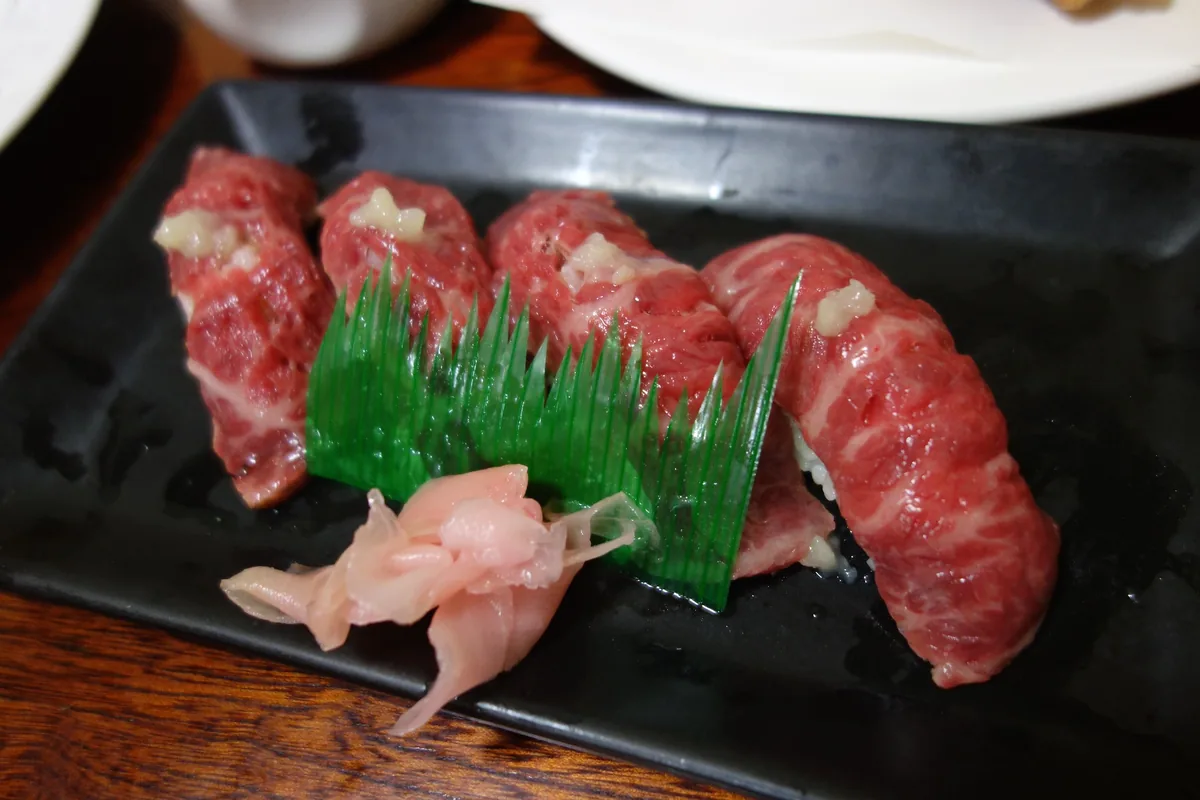
Cut choice changes both price and how rich a meal feels. Kalbi, a short-rib cut, is a common entry point, marbled but not overwhelming. Ribeye brings more fat and a stronger flavor, best ordered in smaller portions given wagyu richness. Sirloin and other leaner cuts round out a meal without the same fat load. At Yakiniku Yamamoto, the High-Grade Kalbi and Ribeye plate runs ¥1,800, a straightforward way to taste both in one order. The Yaki-Shabu preparation there, at ¥1,900, lightly grills ribeye before wrapping it with onion and dipping it in ponzu, a lighter format for the same high grade. At Wagyu Yakiniku Horumon Aigo, the Aigo Bulk Red Meat runs ¥3,580 for 200 grams and is cut into bite-size pieces tableside after grilling. Horumon, or offal cuts, show up on the same menu for diners who want the fuller range of a traditional yakiniku restaurant. Steak-format restaurants plate a single thick cut rather than small grilled pieces, usually at a higher price point. Beef sushi appears occasionally as a starter on some menus, pairing a thin slice of wagyu with vinegared rice, though it remains a smaller part of the scene than yakiniku or steak.
Reservations, Timing, and Cost Trade-Offs
Reservations are the norm, not the exception, especially from March through October. Yamamoto and MARU both sell out on busy nights, and walk-ins risk an empty counter. If you can't book ahead, arrive right at opening, either 16:00 or 17:00 depending on the restaurant. Lunch sets also stretch a budget further than dinner courses, often for similar meat quality. Average dinner spend lands near ¥6,000 at Yamamoto and closer to ¥8,999 at Wagyu Yakiniku Horumon Aigo. A cold glass of Ishigaki awamori pairs well with the richer cuts and is worth budgeting for separately.
Annual production of just 600 to 800 head per year makes Ishigaki Beef genuinely scarce; reservations are essential precisely because the supply cannot absorb casual walk-in traffic, especially during March through October peak demand.
Pairing Beef Night With Ishigaki Sightseeing
Kabira Bay makes a natural stop before a beef dinner, especially after a glass-bottom boat tour over the coral. Swimming isn't allowed in the bay itself due to strong tides, but the boats run close to shore. The Ishigaki Ferry Terminal area doubles as the district's dinner hub, close to several yakiniku counters. From there, ferries to Taketomi Island take just 10 to 15 minutes. Boats to Iriomote Island take about an hour, landing at either Ohara or Uehara Port. Taketomi's white sand lanes and red-tile-roofed houses make it a popular half-day trip before or after dinner in town. Iriomote's mangrove rivers are usually explored by kayak, a longer add-on for a full sightseeing day. Torinji Temple, a 400-year-old Zen temple built with Ryukyu limestone walls, makes a short pre-dinner walk in the city center. Beef isn't the only reason to eat well on Ishigaki. Round out a trip with the noodle bowls at Yaeyama soba. The seafood guide covers the day's catch as an alternative. For a full day plan, check the Ishigaki attractions guide.
Mistakes to Avoid When Booking Ishigaki Beef
A few missteps repeat often enough to flag directly.
Ishigaki Beef earned national prominence at the 2000 G8 Summit, a prestige that now creates booking pressure so intense that skipping a reservation is the most expensive mistake a diner can make.
- Skipping the reservation — Yamamoto and MARU both sell out, sometimes weeks ahead in peak season.
- Confusing any Okinawa wagyu with certified Ishigaki Beef — check for the JA Okinawa Ishigaki Gyu sticker and the 特選 or 沖縄銘産 characters before ordering.
- Ordering only marbled cuts — mix in leaner pieces like sirloin so richness doesn't wear you out mid-meal.
- Assuming lunch and dinner menus match — lunch sets often use the same grade beef at a lower price.
- Booking only for dinner — Sumiyakiniku Ishidaya and Ishigakiya also serve lunch, usually at a lower price for similar quality.
How This Guide Was Verified
Food availability, access details, seasonal rules, and the time-sensitive claims in this guide were checked on August 22, 2026 against the official sources below. Independent restaurant menus, prices, opening days, and sell-outs can change, so confirm the operator's same-day notice before making a special trip.
Frequently Asked Questions
What's the difference between Tokusen and Meisan Ishigaki beef?
Tokusen is the premium grade, requiring a meat quality grade of 4 or higher and a Beef Marbling Standard of 5 or above, marked with 特選. Meisan covers quality grades 2 and 3, marked 沖縄銘産, and is still certified Ishigaki Beef at a lower grade.
Do Ishigaki beef restaurants require reservations?
Most do, especially from March through October. Yakiniku Yamamoto closes once the meat runs out, sometimes by 8:00 PM. Ishigaki Wagyu Beef MARU takes bookings through a 24-hour online system. Arriving right at opening is the fallback if you can't book ahead.
Is Ishigaki beef the same as Okinawa beef?
No. Ishigaki Beef is a specific certified brand raised in the Yaeyama District for at least 20 months, under JA Okinawa Ishigaki Gyu rules. Other Okinawa beef doesn't carry that certification or the Tokusen and Meisan labeling, even when it's served on the same island.
Which Ishigaki beef restaurant works best for solo travelers?
Yakiniku Yamamoto has a 12-seat counter built for single diners, alongside its semi-private rooms for groups. Toraichi Seinikuten's small butcher-shop dining room also suits a solo counter meal.
How much should you plan to spend on Ishigaki beef?
Average dinner spend runs about ¥6,000 at Yakiniku Yamamoto and closer to ¥8,999 at Wagyu Yakiniku Horumon Aigo. Lunch sets generally cost less than dinner courses for similar meat quality, so a midday visit stretches a budget further.
Do any Ishigaki beef restaurants serve steak or beef sushi?
Sumiyakiniku Ishidaya leans toward steak-style courses at higher prices, while most other spots focus on self-grill yakiniku. A few menus add a beef sushi starter, though it remains a smaller part of the scene than yakiniku.
Can you buy Ishigaki beef to cook yourself instead of eating out?
Yes. Toraichi Seinikuten runs a butcher counter alongside its dining room. Ishigaki's public market also sells graded cuts for travelers with kitchen access.
Free guide: Japan's Hidden Gems
12 under-the-radar places beyond Tokyo & Kyoto — with the best season to visit each and a local tip you won't find in the guidebooks.
You might also like


Continue reading
More guides you'll find useful


