

Miyakojima Seafood, Port and Market Guide
Explore Miyakojima seafood, including bonito, tuna, turban shell and seasonal lobster, with practical guidance for ports, markets and restaurants.
On this page
Last updated August 2026. This Miyakojima seafood guide tracks the catch from fishing port to plate, starting with Irabu Island's bonito boats and Ikema Island's turban shell grounds. Expect port-canteen lunches under ¥1,500 and spiny lobster that vanishes from tanks for part of the year.
Why Miyakojima Seafood Tastes Different
Miyakojima's coral geology shapes what ends up on the plate. Rainwater filters through the island's limestone rather than running off into rivers, and locals call the resulting water clarity Miyako Blue. The island has no rivers or mountains, just a flat coral-reef plateau, which keeps the surrounding reef water unusually clear. Offshore, the Yabiji reef system off Ikema Island's northeast side feeds much of the marine life behind that catch. In our editorial assessment, that water quality is part of why Miyako's reef fish and shellfish stand out from catch elsewhere in Okinawa. Irabu Island carries the real weight of this Miyakojima seafood guide. Its boats land bonito daily. Residents eat it as sashimi rather than the seared tataki style common on mainland Japan. Tuna fishing runs alongside the bonito boats out of Irabu, so both species often appear on the same menu. Catch moves fast here. A fish landed at Irahama or Sarahama Fishing Port can reach a counter that same afternoon. For the island's wider dining scene beyond seafood, see the Miyakojima food guide.
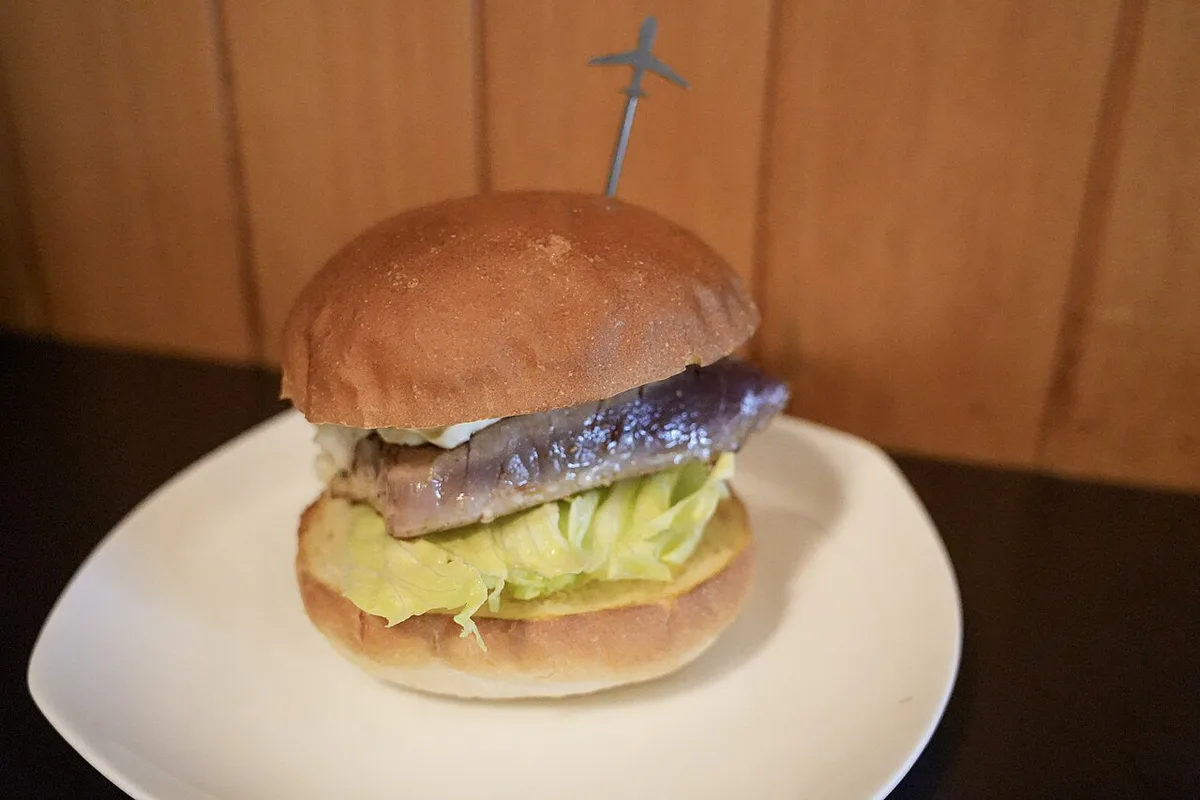
The Essential Miyakojima Catch: Bonito, Tuna, Turban Shell, and Spiny Lobster
Four species anchor most seafood meals on Miyakojima, alongside a rotating cast of reef fish. Order depends on the season and the day's landing, so a menu can look different from one visit to the next. Treat shifting availability as a feature, not a flaw. It usually means the fish came off a boat that morning, not out of a freezer. Ordering whatever is seasonal, rather than requesting a species that is out of season, keeps demand aligned with what local boats can sustainably supply.
- Bonito (katsuo): Irabu Island's signature catch, usually served as sashimi rather than seared tataki, often as the base of a rice bowl at port canteens.
- Tuna (maguro): landed alongside bonito at Irabu's ports; a popular order is Gomazukedon, tuna marinated in a homemade sesame sauce.
- Turban shell (sazae): grilled whole or sliced over Miyako soba at Ikema Island restaurants.
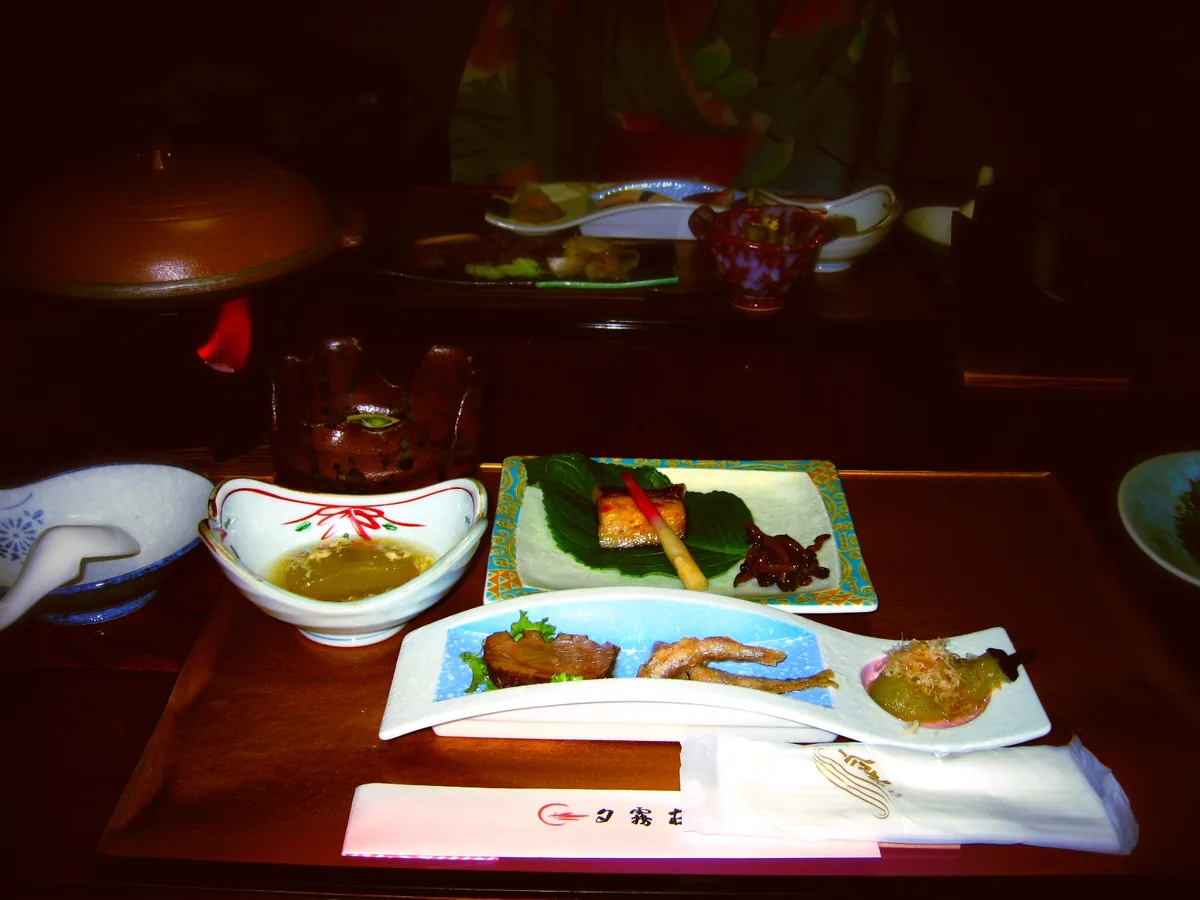
- Spiny lobster (ise ebi) and blue crab: seasonal catch kept live in tanks and cooked to order. Availability depends on the season and the day's fishing.
- Seasonal reef fish: catch varies with the season and the day's landing, so ask at the counter for what's freshest rather than relying on a printed menu.
- Coconut crab: tightly regulated, not universally prohibited. Capture is banned citywide June 1-August 31 and year-round in designated reserves; outside those restrictions, size and egg-bearing rules still apply.
Best Seafood Restaurants and Fishing Port Canteens
Three areas cover most of the seafood worth planning a route around. Irabu and Shimoji islands hold the working fishing ports. Ikema Island pairs a turban shell specialty with open water views. Hirara, the main town, runs the after-dark izakaya scene. Expect a working-port atmosphere rather than a polished restaurant setting at any of the three hubs. Use the comparison below to pick a stop before deciding how many bridges to cross in one day. Obanmai Shokudo runs as a directly managed restaurant at Irahama Fishing Port, about a 20-minute drive from central Miyako. Bonito sculptures and wall art fill the dining room, and orders go through a self-service counter. Ichiwa Fish Market sits right beside Irabu Fishing Port and serves its tuna-and-bonito bowl with an instruction card explaining four ways to eat it. Kaisui keeps spiny lobster and blue crab alive in a tank until an order comes in. It also runs simpler set meals, such as fried chicken or pork cutlet, for anyone who wants a break from seafood. Local free papers on Miyakojima reportedly feature Kaisui often, a sign it draws a steady local crowd, not just visitors. Hirara's dining scene is often described as a moderate range of restaurants and bars, enough for an easy night out without an after-dark bridge crossing. Many izakayas pour a matching bottle from the Miyakojima Awamori Guide: Distilleries, Kusu, and Otori Etiquette alongside a sashimi platter.
| Spot | Where | Known For | Typical Price | Notes |
|---|---|---|---|---|
| Obanmai Shokudo | Irahama Fishing Port, Irabu Island | Bonito sashimi bowl, tuna Gomazukedon | around ¥1,500 | Self-service counter; closed on days boats don't go out |
| Ichiwa Fish Market | beside Irabu Fishing Port | Tuna-and-bonito rice bowl, eaten four ways | around ¥1,500 | Order card at the table explains the four eating methods |
| Kaimeeru (Umikurai) | across Ikema Bridge, Ikema Island | Turban shell, turban-shell-topped Miyako soba, Goya chanpuru | mid-range | Bench seating outside overlooking the water |
| Kaisui | Hirara area | Live-tank spiny lobster, blue crab, grilled and boiled seafood sets | ¥1,500 set meals up to ¥8,000+ à la carte | Open lunch and dinner; lobster depends on season |
How Ordering Works at Port Canteens
Most port canteens run self-service. Order and pay at a counter, then carry the tray to a table. Obanmai Shokudo posts its menu near the counter, heavy on bonito and tuna bowls. Ichiwa Fish Market goes a step further. A card on the table walks through four different ways to eat its tuna-and-bonito bowl, turning one order into four distinct tastes. Sashimi, raw and sliced, and tataki, seared then sliced, are the two main formats for bonito across Japan. On Irabu, sashimi is the local default. Elsewhere in Japan, tataki is more common, so a menu built around sashimi is a sign the fish came from nearby waters. Tipping isn't expected at any of these spots, port canteen or izakaya alike.
Where to Buy Seafood and Local Produce for Self-Catering
Miyakojima has no large tourist fish market, so self-caterers rely on a mix of farm stalls and port shops. Atarasu Farmers Market, near the airport, is the island's largest produce market. It sells dried bonito and other preserved seafood alongside fruit, vegetables, and pre-made snacks, usually cheaper than supermarket prices. Roadside honesty stalls, called mujin hanbai, sell fresh produce on a drop-a-coin-in-the-jar system near individual farms. Dried and preserved seafood packs better for travel than fresh sashimi-grade cuts, so save that shopping for the day before departure. For sea salt and other island seasonings to go with a home-cooked catch, check the Miyakojima markets and island produce guide.
Budget Tiers: Port Lunch vs Resort-Style Dinner
Two price tiers cover most of the island's seafood. Port canteen lunches, such as the rice bowls at Obanmai Shokudo and Ichiwa Fish Market, run around ¥1,500 and use whatever the boats landed that morning. Resort-style à la carte dinners cost more, especially once spiny lobster or blue crab enters the order. Full à la carte dinners with spiny lobster or blue crab at a restaurant such as Kaisui can climb past ¥8,000 per person once sides and drinks are added. A port lunch reflects whatever the boats caught that morning. Resort-style dinners let you order from the tank on demand, generally at a higher price. Either way, prices are quoted and paid in yen, so plan cash or card access before heading out to the ports.
Okinawa's official spiny-lobster closed season runs from April 1 through July 31, and egg-bearing lobster may not be taken at any time. Menu availability can be narrower than the legal season.
Planning a Seafood Itinerary: Timing and Season
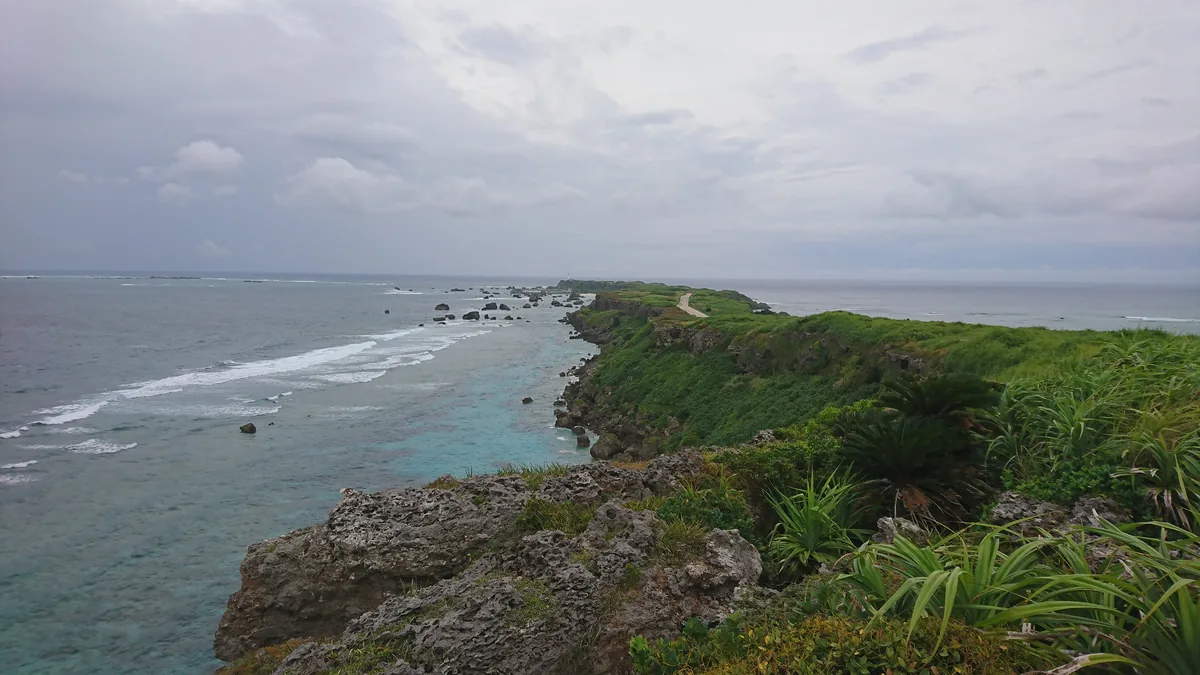
Lunch service, not dinner, is when many port restaurants operate, though each business sets its own hours. Under Okinawa's fishing regulations, spiny lobster may not be taken from April 1 through July 31, and egg-bearing lobster is protected year-round. Restaurant availability also depends on catch and stock, so confirm before building a trip around it. Pair the food stop with sightseeing at Cape Higashi-Hennazaki, covered in the Miyakojima attractions guide, and check the attraction's current hours separately.
Essential Logistics: Getting Around the Islands
A rental car is close to essential for a Miyakojima seafood tour. Bus service runs too infrequently to chain multiple port stops in one day. Book a car well ahead of the trip. Fewer rental companies operate on the island than before the pandemic, and an International Driving Permit or JAF translation of a home license is required. Miyako's main island measures roughly 25 km north to south and 15 km east to west, small enough that no seafood stop sits far from another. Three bridges connect the main island to its seafood-producing neighbors.
- Irabu Bridge: 3.5 km, Japan's longest toll-free bridge, reaching Irabu and Shimoji islands.
- Ikema Bridge: 1.4 km, reaching Ikema Island to the north.
- Kurima Bridge: 1.7 km, reaching Kurima Island to the southwest.
Mistakes to Avoid: When There's No Catch
The biggest planning risk on a Miyakojima seafood trip is arriving to an empty tank. Port canteens close their kitchens, not just their doors, on days when boats don't go out. Obanmai Shokudo, for one, skips service entirely on non-fishing days. Kaisui's spiny lobster likewise disappears from the tank if the season hasn't opened yet. Typhoon season, mainly August and September, can shut down fishing for several days at a stretch. Handwritten sold-out signs are common once the day's popular bowls run out, so an early lunch improves the odds. Calling ahead, or checking a restaurant's same-day social media post, avoids a wasted drive across the bridges. Each crossing runs about 20 to 30 minutes by car from central Hirara, and parking at each port canteen is informal and limited, so arriving close to the 11:00 opening avoids the tightest lunch-hour squeeze. Skymark also flies into Shimojishima Airport on the Irabu side of the island group, with one-way fares recently listed from around ¥27,750 out of Tokyo's Haneda Airport, and the same route connects to Kobe Airport. ANA and JAL fares from Tokyo to Miyako Airport have recently started from about ¥28,500 and ¥28,176 respectively, both close to Skymark's Shimojishima fares. One closed canteen shouldn't strand a lunch plan when Hirara's izakayas are a short drive back for the evening. If a specific catch such as spiny lobster is unavailable, canteens and izakayas often pivot to the island's other signature protein, covered separately in the Miyako Beef Restaurants: 6 Best Spots for Authentic Island Wagyu.
How This Guide Was Verified
Food availability, access details, seasonal rules, and the time-sensitive claims in this guide were checked on August 22, 2026 against the official sources below. Independent restaurant menus, prices, opening days, and sell-outs can change, so confirm the operator's same-day notice before making a special trip.
Frequently Asked Questions
What seafood is Miyakojima known for?
Bonito and tuna from Irabu Island lead the list, alongside turban shell from Ikema Island and seasonal spiny lobster and blue crab caught by local boat owners. Bonito is typically served as sashimi rather than the seared tataki style more common elsewhere in Japan.
Is spiny lobster available year-round in Miyakojima?
No. Okinawa's official closed season is April 1 through July 31, and egg-bearing spiny lobster is protected year-round. Legal season does not guarantee restaurant stock, so confirm directly.
Do you need a rental car for a Miyakojima seafood tour?
Yes, a rental car is close to essential. Bus service is too infrequent for chaining port visits in one day. The seafood hubs on Irabu and Ikema islands sit 20 to 30 minutes from Hirara by car.
Are the fishing port restaurants open for dinner?
Most run lunch only, roughly 11:00 to 15:00, and close once the day's catch runs out. Hirara's izakayas are the better bet for an evening seafood meal.
How much does a seafood meal cost in Miyakojima?
A rice bowl at a port canteen like Obanmai Shokudo or Ichiwa Fish Market runs around ¥1,500. Full à la carte dinners with spiny lobster or blue crab at a restaurant such as Kaisui can climb past ¥8,000 per person.
What's the best time of day to eat seafood in Miyakojima?
Late morning to early afternoon, since most port canteens serve lunch only and close once the day's catch sells out. Arriving close to the 11:00 opening gives the widest choice.
How do you get to Miyakojima's seafood islands from Tokyo?
JAL and ANA fly into Miyako Airport, and Skymark flies into Shimojishima Airport on the Irabu side of the island group, with one-way fares recently listed from roughly ¥27,750 to ¥28,500. From either airport, Irabu and Ikema islands are a short, bridge-linked drive away.
Free guide: Japan's Hidden Gems
12 under-the-radar places beyond Tokyo & Kyoto — with the best season to visit each and a local tip you won't find in the guidebooks.
You might also like


Continue reading
More guides you'll find useful


