

Budget and Vegetarian Food in Amanohashidate (2026 Guide)
A 2026 guide to budget and vegetarian food in Amanohashidate: typical costs, where to save money, and how to avoid hidden fish stock.
On this page
Last updated August 2026. Amanohashidate is a seafood and scenic destination first, so budget and vegetarian food in Amanohashidate takes planning rather than luck. Convenience stores, noodle counters, and station-area cafes cover the inexpensive end, but vegetarian diners still need to ask about dashi and bonito stock before ordering. This guide breaks down realistic costs, where to save money, and what to confirm before you sit down.
Quick Answer: Budget and Vegetarian Food in Amanohashidate
Amanohashidate rewards budget travelers more easily than vegetarian ones. Convenience stores near Amanohashidate Station sell rice balls, sandwiches, and hot snacks for well under ¥500. Casual noodle counters keep a full meal close to ¥900. Vegetarian options exist, but they take more effort to find than in a larger city, since the area's signature dishes center on seafood. This guide focuses on realistic budget and vegetarian options rather than a full restaurant list, since verified local venue details for Amanohashidate are limited. For a fuller overview of the local dining scene, see the Amanohashidate food guide. Expect to ask staff about ingredients at almost every counter-service stop, especially for broths and sauces.
Casual counters and convenience stores anchor a typical day to roughly ¥2,000 to ¥2,500 per person—a figure that shows how the quick-answer item prices scale across three meals.
Typical Costs for Budget Meals in Amanohashidate
Budget eating in Amanohashidate follows the same tiers as most small Japanese towns. Convenience stores, casual counters, and sit-down set meals each occupy a different price band. These are general 2026 price ranges for Japan's convenience-store and casual-dining tiers, since exact menus vary by shop and should be checked on site. The table below groups typical costs so a day of eating can be planned around sightseeing instead of menu by menu. Staying within these ranges for three meals keeps a full day of eating under roughly ¥3,000 per person, before snacks. A typical low-cost day might combine a convenience-store breakfast, a noodle-counter lunch, and a slightly larger dinner, rather than three restaurant meals in a row. Building in one vending-machine or convenience-store drink between meals adds only about ¥150 to ¥160 to the total. Menu prices can shift year to year, so treat these as planning ranges rather than fixed numbers.
| Meal or Item | Typical Price (2026) | Vegetarian Note |
|---|---|---|
| Rice ball (onigiri) or sandwich, convenience store | ¥120–¥350 | Check the wrapper for fish flakes or mayo fillings |
| Prepared bento or noodle cup, convenience store | ¥500–¥700 | Some contain fish stock or meat; read the label or ask |
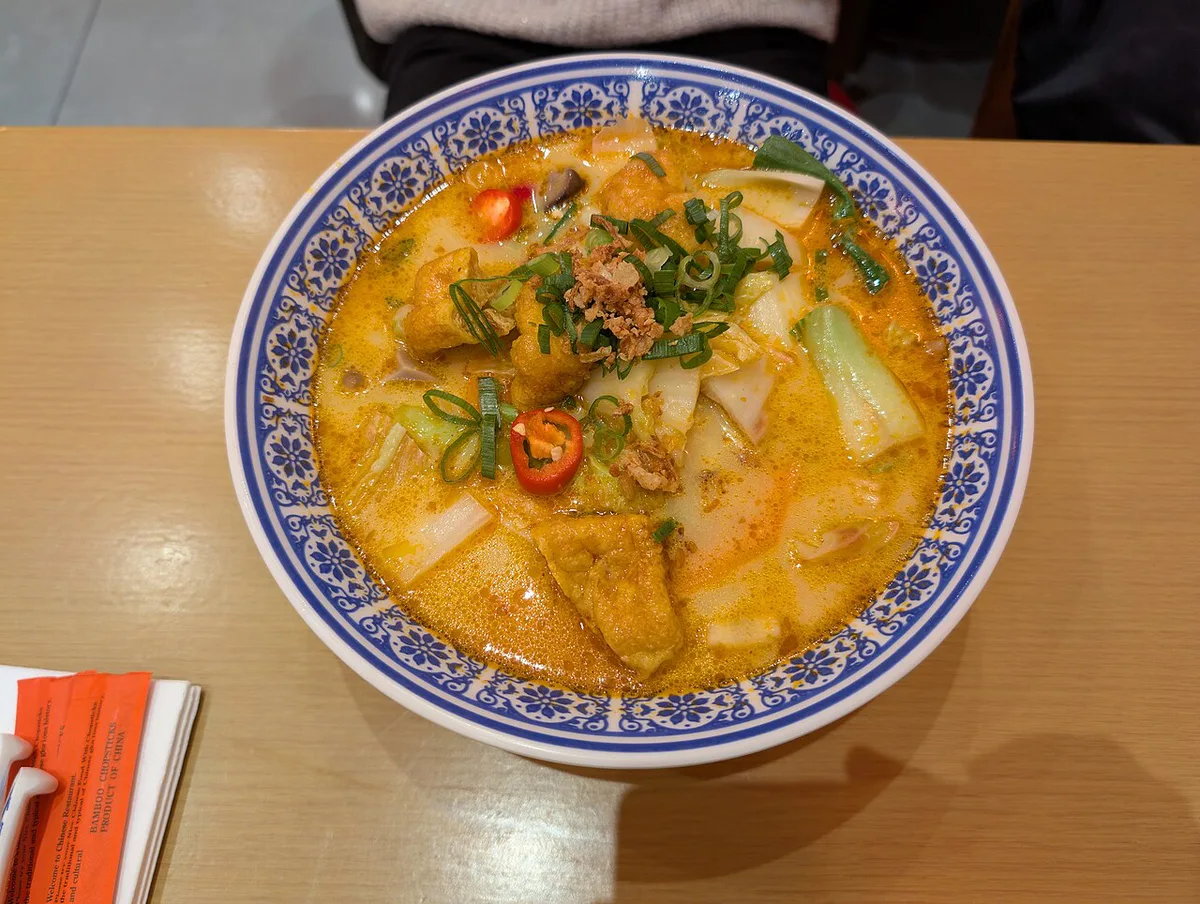
| Bowl of noodles at a casual counter | ¥600–¥900 | Broth is often fish- or meat-based by default; ask for a vegetable broth |
| Curry rice at a casual counter | ¥700–¥900 | Sauce may contain meat stock; confirm before ordering |
| Set meal (teishoku) at a sit-down restaurant | ¥1,200–¥1,800 | Usually served with miso soup made from fish stock unless requested otherwise |
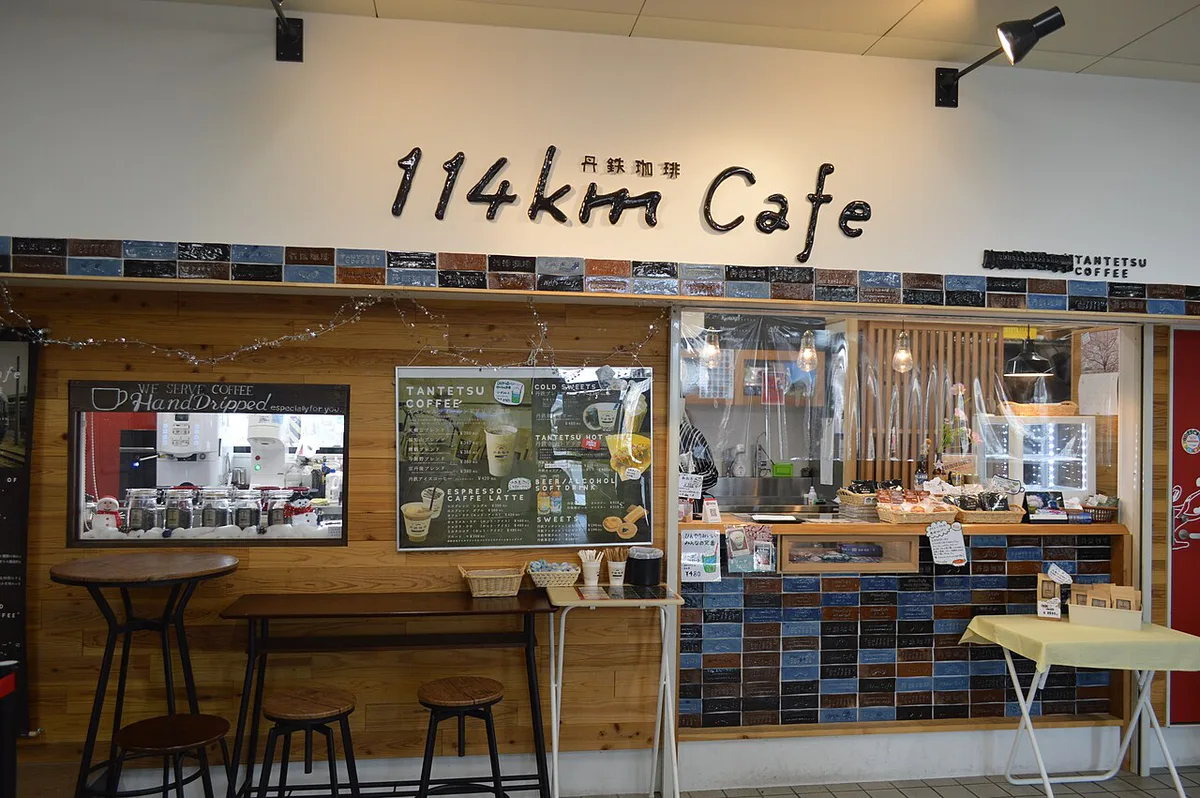
| Coffee or tea at a café | ¥400–¥550 | Good rest stop between attractions |
| Bottled tea or water, convenience store | ¥130–¥160 | Safe default; no ingredient concerns |
Vegetarian Realities in a Seafood Town
Amanohashidate's signature dishes are built around seafood, so vegetarian food in Amanohashidate requires more label-reading than menu-browsing. Barazushi, the region's local specialty, is traditionally made with seafood scattered over sushi rice. If barazushi is on your list, the Tango barazushi guide explains the dish and where substitutions are realistic. Ask before ordering, since staff may not default to a vegetable version unless you request one. Travelers set on a seafood meal instead should compare options in the Amanohashidate seafood restaurants guide. Dashi, a fish-based stock, is the single biggest hidden risk for vegetarians in this region. It shows up in miso soup, many noodle broths, and countless sauces. Bonito flakes (katsuobushi) also turn up as a garnish on dishes that otherwise look meat-free, including some vegetable and tofu preparations. Shojin ryori, the Buddhist tradition of meat-free cooking, is well known elsewhere in Japan. Its local availability in Amanohashidate isn't confirmed, so treat it as background rather than a specific recommendation. Plain steamed rice, pickles, and edamame are reliable fallback side dishes almost anywhere, since they rarely involve hidden stock. Many udon and soba counters will make a broth-free or vegetable-broth bowl if asked directly, even without a listed vegetarian menu. When in doubt, a simple description works well. Say you eat vegetables, rice, and tofu, but not fish or meat, then ask staff to suggest something. A short question at the counter helps. Ask whether a dish contains dashi or bonito before you order, not after.
Even basic noodle bowls costing ¥600–¥900 at casual counters require asking about fish or meat stock in the broth, since the vegetarian-friendly preparation option isn't automatic.
Where to Save Money Near Amanohashidate Station
Station-area convenience stores are the fastest way to control costs between train connections or before a cable car ride. Casual noodle and curry counters near the station cost less than sit-down restaurants and still deliver a full meal. For a fast, inexpensive local dish, the Miyazu Curry Yakisoba Guide: Where to Eat Amanohashidate's Local Soul Food covers the option in detail. Vegetarian status still needs to be checked bowl by bowl. Splitting a sit-down set meal into one meal a day keeps costs down. Fill the remaining meals with convenience-store food without skipping a proper restaurant meal entirely. Bottled tea and water from a convenience store run about ¥130–¥160, which is cheaper than most café drinks. Buying convenience-store food to eat at an outdoor viewpoint or along the sandbar avoids paying for table service. It also pairs naturally with the walking or cycling route across Amanohashidate. The comparison below pairs each option with a rough vegetarian-friendliness rating and its distance from the station. Use it to match a stop to how much time and effort you have.
| Option | Cost Tier | Vegetarian Friendliness | Distance from Station |
|---|---|---|---|
| Convenience store (rice balls, salads, drinks) | ¥ (lowest) | Moderate — check labels for fish flakes and mayo | Inside or beside the station |
| Casual noodle or curry counter | ¥¥ | Low by default — ask for a vegetable broth or sauce | Short walk from the station |
| Café (coffee, light food) | ¥¥ | Moderate — salads and bread options are common | Near the station and viewpoint approach |
| Sit-down restaurant (set meals, seafood) | ¥¥¥ | Low by default — most menus are seafood-focused | Varies; some near the boat pier |
What's Worth Paying For
Not every meal needs to be the cheapest option available. A sit-down seafood meal captures Amanohashidate's specialty, even ordered only once during a short stay. Local sweets and mochi are usually a better splurge for vegetarian travelers, since many are plant-based. It's still worth confirming there's no gelatin or animal-derived glaze. The Chie-no-mochi sweets guide lists the specific treats and where ingredients might vary. Upgrading from a plain rice ball to a boxed lunch (bento) for a boat crossing or cable car ride is a small splurge. It usually buys more variety for a modest difference in price. Vegetarian bento options are less common than mixed ones, so checking the contents before buying still matters. Paying a little more for a sit-down set meal near the viewpoint areas also buys a place to rest. That works well between walking, cycling, or a cable car ride.
Budget Itinerary Ideas: Pairing Food with Sightseeing
Pairing food stops with sightseeing keeps a budget day efficient instead of backtracking across town. The Amanohashidate attractions guide covers the cable car, viewpoints, and walking or cycling routes across the sandbar, which helps with timing meals around them. Confirm restaurant closing times locally, since small-town dining hours can end earlier than in a larger city, especially outside peak season.
- Morning: pick up a convenience-store rice ball or sandwich near the station before an early cable car or chairlift ride to the viewpoint.
- Midday: eat noodles or curry rice at a casual counter after crossing or cycling the sandbar, when a full sit-down meal would eat into daylight.
- Snack break: pick up onigiri or a canned drink at a convenience store before a longer walk section, so you're not searching for food mid-route.
- Afternoon: stop for coffee or tea near the station to rest before a second viewpoint or a boat crossing.
- Evening: save the sit-down seafood or set-meal splurge for after the main attractions close, when convenience stores stay open later than most restaurants.
Booking Tips and Logistics
Reservation habits vary between counter-service spots and formal restaurants in Amanohashidate. Casual noodle and curry counters typically take walk-ins, similar to convenience-store ordering, so no advance booking should be needed. Formal sit-down restaurants, especially seafood-focused ones, are more likely to expect a reservation on weekends or during peak sightseeing season. Weekends, national holidays, and peak cherry blossom or autumn foliage periods bring the most demand for restaurant seating. Book ahead during those windows if a specific restaurant matters to you. Groups of four or more should call ahead even at casual counters, since seating is limited at small local restaurants. Confirm current reservation and hours policy directly with a restaurant before visiting, since small local operators can change opening days without much notice. A simple, direct phrase works at the counter. State that you don't eat meat or fish, then ask what on the menu is safe. English-language menus aren't guaranteed at every counter, so a written note or translation app removes most of the friction around ordering safely.
Mistakes to Avoid: Hidden Fish and Meat Stock
The single biggest mistake vegetarian travelers make in Amanohashidate is assuming a dish is meat-free because it looks that way. Miso soup, curry sauce, tempura batter, and many noodle broths can all be made with fish or meat stock as the default preparation. A dish built from vegetables and rice can still be finished with bonito flakes or a dashi-based sauce. Asking two or three short questions before ordering costs nothing and can prevent a wasted meal in a town where vegetarian substitutions aren't automatic.
- Miso soup: commonly made with fish-based dashi unless a vegetable or kelp-only broth is requested.
- Curry sauce: may contain meat stock even when the visible ingredients are all vegetables.
- Noodle broth (udon, soba, ramen): fish or meat stock is the common default, so ask for a vegetable-based broth.
- Okonomiyaki-style batter and similar dishes: often finished with bonito flakes on top, which staff can usually leave off if asked.
- Barazushi and other rice dishes: don't assume a vegetable-topped version exists without asking, since seafood is the standard preparation.
- Fried tempura, including vegetable tempura, may be cooked in oil shared with meat or seafood items.
- Rice bowls and salads sometimes come with a fried egg, bonito flakes, or a fish-based dressing as the standard preparation.
Frequently Asked Questions
Is it easy to eat vegetarian in Amanohashidate?
It's possible, but it takes more effort than in a larger Japanese city. Amanohashidate's signature dishes are seafood-based, so vegetarian diners should expect to check ingredients at most counters, especially for broths and sauces.
What should vegetarians watch out for in Japanese food broths and sauces?
Dashi, a fish-based stock, is the most common hidden ingredient in miso soup, curry sauce, and noodle broths. Bonito flakes (katsuobushi) also appear as a garnish on dishes that look meat-free. Asking staff directly before ordering is the most reliable way to avoid both.
How much should a budget meal cost in Amanohashidate?
A convenience-store rice ball or sandwich runs roughly ¥120–¥350. A bowl of noodles or curry rice at a casual counter typically costs ¥600–¥900. A full day of three budget meals can stay under about ¥3,000 per person, before snacks.
Are local specialties like barazushi vegetarian-friendly?
Barazushi is traditionally made with seafood scattered over sushi rice, so it isn't vegetarian by default. Ask staff whether a vegetable-only version is available before ordering, since substitutions aren't guaranteed.
What are the cheapest ways to eat well in Amanohashidate?
Convenience stores near the station offer the lowest prices, followed by casual noodle and curry counters. Splitting a sit-down set meal into one meal a day keeps costs down. Fill remaining meals with convenience-store food without skipping a proper restaurant meal entirely.
Should vegetarian travelers book restaurants in advance in Amanohashidate?
Casual counters typically take walk-ins without a reservation. Formal sit-down restaurants, especially seafood-focused ones, are more likely to expect advance booking on weekends or during peak season. Confirm current policy directly with the restaurant before visiting.
Where can you eat after Amanohashidate's attractions close?
Convenience stores near the station tend to stay open later than local restaurants, making them the most reliable option once sightseeing wraps up. Confirm restaurant closing times locally, since small-town dining hours can end earlier than expected, especially outside peak season.
What's a realistic one-day food budget in Amanohashidate?
A convenience-store breakfast, a noodle-counter lunch, and a casual dinner typically total somewhere around ¥2,000 to ¥2,500 per person. Adding one sit-down restaurant meal instead of a casual dinner raises that total closer to ¥3,000 to ¥3,500.
Free guide: Japan's Hidden Gems
12 under-the-radar places beyond Tokyo & Kyoto — with the best season to visit each and a local tip you won't find in the guidebooks.
You might also like


Continue reading
More guides you'll find useful


