

What to Eat in Amanohashidate: 7 Dishes to Try in 2026
What to eat in Amanohashidate: 7 signature dishes, Monju vs. Fuchu dining picks, seasonal specialties, and 2026 hours and budget tips for planning meals.
On this page
Last updated August 2026, this guide answers what to eat in Amanohashidate with dish-by-dish, side-by-side detail. Three dishes define the area: clam rice bowls (asari-don), Miyazu's soupy curry yakisoba, and Tango barazushi scattered sushi. Restaurants split across two shorelines, the Monju side near the station and the Fuchu side near Kasamatsu Park, and most kitchens close by early evening.
7 Dishes to Eat in Amanohashidate
These seven dishes cover the range of Amanohashidate's food scene, from casual lunch counters to seasonal specialties available only a few months a year.
- Asari Clam Rice Bowl (Asari-don)
- Amanohashidate's littleneck clams go into a soy-simmered rice bowl that appears on nearly every casual menu on both sides of the sandbar.
- Hashidate Chaya, on the Monju side near Amanohashidate Station, built its reputation on this dish and serves it with izushi soba and miso soup.
- Spring is peak clam season, so expect the fullest, most tender bowls between April and June.
- Miyazu Curry Yakisoba
- Miyazu's take on yakisoba swaps dry noodles for a soupy, curry-spiced broth, and locals treat it as everyday comfort food rather than a novelty.
- It's found at diners around Miyazu city rather than directly on the sandbar, so budget a short detour if it's a priority.
- The full curry yakisoba guide covers its origins and lists specific shops.
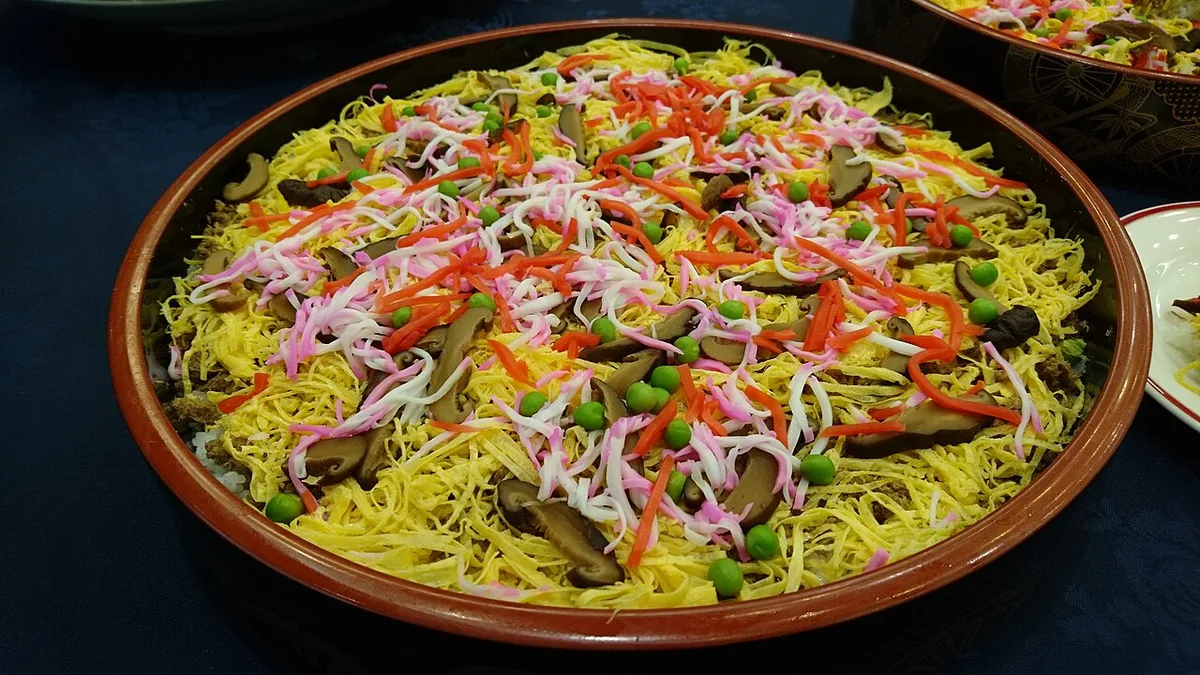
- Tango Barazushi
- This scattered sushi mixes vinegared rice with minced mackerel (saba oboro), egg, and vegetables, and Tango households traditionally serve it at festivals.
- It shows up less often on everyday menus than clam rice or curry yakisoba, so look for it at set-lunch spots or ask directly.
- The Tango barazushi deep dive covers the dish's regional history.
- Matsuba Crab (Winter)
- Matsuba crab is the winter headline dish around Miyazu Bay, typically served November through March at ryokan dinners and select restaurants.
- Buri shabu, a yellowtail hot pot, runs the same winter window and often pairs with a crab course at half-board ryokan meals.
- Zuishoen at the Hashidate Kaisen Center also runs a limited seko-don, made with seko crab, from mid-November to late December.
- Iwagaki Rock Oysters (Summer)
- Tango's rock oysters are a summer specialty, listed by the Hashidate Kaisen Center as available roughly mid-April through mid-August.
- They're larger and milder than winter oysters found elsewhere in Japan, usually served raw or lightly grilled.
- Pair a plate with a kaisendon (seafood rice bowl) for a full seafood lunch on a hot-weather visit.
- Kaisendon and Fresh Seafood Bowls
- Beyond the three signature dishes, straightforward kaisendon piled with tuna, squid, and whatever came in that morning is available at seafood-focused restaurants on both sides.
- Fumiya, Namiji, and Kanemasu in Miyazu, plus Matsui Bussan near Kasamatsu Park, all run seafood-heavy menus worth comparing before you settle on a favorite.
- The Amanohashidate seafood restaurant guide ranks the strongest kaisendon and grilled-seafood spots by area, and a seafood set lunch typically runs roughly ¥1,500–¥2,500.
- Chie-no-mochi (Mochi of Wisdom)
- Soft rice cakes sold near Chionji Temple carry a wisdom legend tied to the temple's Monju Bosatsu, and travelers eat them before exams or big decisions.
- Several long-running teahouses along the temple approach serve their own versions, though hours and lineups shift by season, so confirm before you go.
- The Chie-no-mochi and sweets guide lists which teahouses are currently open and what else to order there.
Casual Teahouses vs. Ryokan Kaiseki: Two Dining Styles
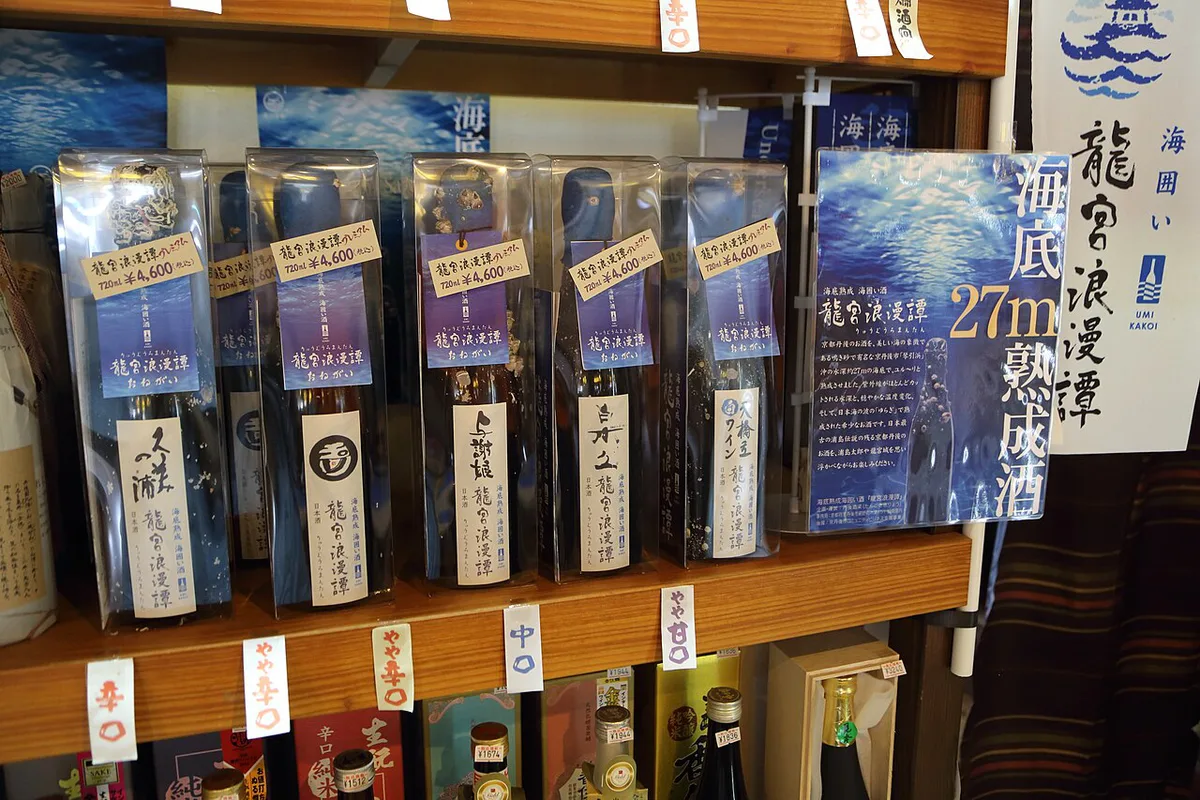
Amanohashidate's food scene runs on two tracks that rarely overlap, and knowing which one applies changes how a day gets planned. Casual teahouses and shokudo (diners) handle lunch, built around single rice-bowl specialties like asari-don, curry yakisoba, and quick seafood sets finished in under an hour. Ryokan dining takes over in the evening, with half-board kaiseki courses built around whatever's in season, from winter Matsuba crab to summer rock oysters, served across several courses rather than one bowl. Picking a track is mostly about timing. Daytime sightseeing calls for the fast, casual side, since a viewpoint or temple visit is usually next on the schedule. An overnight stay calls for the ryokan's set-course side instead, since half-board pricing already bundles dinner and breakfast. On the seafood-forward end of the casual scene, Namiji pairs dishes with a sake flight, while Zuishoen and Matsui Bussan near Kasamatsu Park round out the Fuchu side's seafood options if Tsuruya Shokudo has a wait. For a coffee or dessert break between meals, Cafe du Pin and Genmyoan Cafe near Amanohashidate serve organic coffee, sandwiches, and desserts. Hamakaze Cafe in Miyazu runs as a lunch cafe by day and a bar with sake flights by night, useful if evening plans fall outside a ryokan's dinner service.
Where to Eat: Monju Side vs. Fuchu Side
Amanohashidate Station, Chionji Temple, and the cable car up to Amanohashidate View Land anchor the Monju side. It suits anyone arriving by train or planning to walk the sandbar right after lunch. Kasamatsu Park, Nariaiji Temple, and Motoise Kono Shrine anchor the Fuchu side instead, and it tends to draw fewer day-trip crowds. Both sides sit along the same 3.6 km sandbar, so neither is far from the other, but treating meal planning as two separate zones avoids unnecessary backtracking mid-afternoon. Choose Monju if a train or the sandbar walk is next on the schedule. Choose Fuchu if Kasamatsu Park or the boat pier is the priority instead.
Nariaiji Temple on the Fuchu side reaches peak foliage in mid-to-late November, when nearby restaurants offer seasonal Koshihikari rice, matsutake mushrooms, and guji (tilefish) specialties.
- Hashidate Chaya (Monju)
- Known for its asari-don and roasted mochi, this teahouse-style spot near the station has operated for more than 70 years.
- Outdoor tables let you eat facing the pines instead of sitting inside.
- Chitose Teahouse (Monju)
- A traditional teahouse near Chionji Temple, suited to a slower coffee-and-sweets stop between the temple grounds and the station.
- It pairs well with a walk through the temple grounds just before or after.
- JouJou (Monju)
- A small cafe right by the station serving coffee and bread, useful for a quick breakfast before an early train or boat.
- Tsuruya Shokudo (Fuchu)
- Set along the back approach to Motoise Kono Shrine, its signature Tango Otakara-don piles local squid, akamoku seaweed, and seasonal fish over rice.
- It gets busy at lunch, so arrive close to opening if you're set on a table.
- Amanohashidate Winery (Fuchu)
- A restaurant and buffet attached to a working winery, with locally grown wine, bakery bread, and morning-harvest vegetables sold on-site.
- Its wine shop and market sell bottles and produce to take home as a food souvenir.
- Yoshinoya (Fuchu)
- Positioned in front of Kasamatsu Park's cable car station, this is the easiest stop right before or after the ride up.
- It runs a straightforward seafood-and-rice-bowl menu, useful for something quick rather than a sit-down course.
- Zuishoen (Fuchu)
- A Kasamatsu Park restaurant with a wide seafood menu, and one of the spots to watch for the seasonal rock oyster and seko-don windows.
- Its menu leans heavily on whatever came off the boats in Miyazu Bay that morning.
Seasonal Food Calendar for Amanohashidate
Amanohashidate's kitchen calendar shifts sharply by season, so timing a visit around one dish changes what's realistic to order. Zuishoen at the Hashidate Kaisen Center runs two of the tightest seasonal windows on this list. Rock oysters run from roughly mid-April to mid-August. A limited seko-don with seko crab runs from mid-November to late December, capped at a small number of servings a day. Zuishoen also runs a chef's-special Tokujo Tango Umyaa Don, capped at 10 servings a day regardless of season, so it's worth asking about on arrival rather than saving for last. Autumn brings Tango-grown Koshihikari rice, matsutake mushrooms, guji (tilefish), and Yura mandarins onto local menus, alongside peak leaf-viewing at Nariaiji Temple in mid-to-late November. Spring's asari clams overlap with cherry blossom season at Kasamatsu Park and Amanohashidate Shrine, so a late-April lunch often lines up with both. Summer's longer daylight hours mean a few restaurants near the beaches stay open a little later than the typical mid-afternoon cutoff, though it's worth confirming before planning a late lunch.
| Season | Months | Signature Dish |
|---|---|---|
| Winter | November–March | Matsuba crab and buri shabu (yellowtail hot pot) at ryokan dinners |
| Spring | April–June | Peak asari clam season, best for asari-don |
| Summer | Mid-April–August | Iwagaki rock oysters, plus casual sea-bathing snacks |
| Autumn | Mid-to-late November peak | Tango Koshihikari rice, matsutake mushrooms, guji (tilefish), Yura mandarins |
Snacks and Souvenirs to Eat Along the Sandbar
A few portable snacks are worth grabbing between viewpoints rather than saved for a sit-down meal. Hashidate Chaya sells a handmade black chikuwa (fish cake) to go, good for eating while walking the pine-lined path. At the Hashidate Kaisen Center, Zuishoen's souvenir counter stocks tai chikuwa (sea bream fish cake) and Amanohashidate kuromame senbei (black soybean rice crackers), both suited to a snack break or a food souvenir to take home. Soft-serve ice cream in seasonal flavors shows up at several of the same teahouses that serve chie-no-mochi, a lighter option if a full sweet isn't what you're after. These snacks work well as a bridge between a Monju-side lunch and a Fuchu-side dinner, or the other way around, without committing to a second full sit-down meal.
Chie-no-mochi and Sweets Near Chionji Temple
Chie-no-mochi, or 'mochi of wisdom,' is the signature sweet of the Monju side, tied to the temple's role as one of Japan's three Monju (wisdom) temples. Soft, filled rice cakes sold along the temple approach are meant to sharpen the mind before an exam, a decision, or a long trip. Chionji Temple itself, home to the sanmon gate known as the Golden Pavilion and the Chie no Wa lantern, anchors this whole tradition, and its approach is where most of the mochi shops cluster. Several teahouses along that approach serve their own version, alongside black soybean sweets and soft-serve ice cream in seasonal flavors. For the current lineup, the Chie-no-mochi and sweets guide lists which shops are serving and how their versions differ. Hashidate Chaya also sells a handmade black chikuwa (fish cake), a savory snack to eat while walking the sandbar.
Restaurant Hours, Dinner, and Vegetarian Planning
Plan lunch as the main meal, since most restaurants around Amanohashidate are lunch-focused and close somewhere between 4:00 PM and 6:00 PM, well before a typical dinner hour. This early-closing pattern surprises visitors used to cities where dinner service runs late, so treat lunch, not dinner, as the meal to build a schedule around. Only a handful of listings on the official Amanohashidate tourist information site are flagged as open after 17:00. Everything else runs a standard lunch service. For dinner, most travelers book half-board at a ryokan, where a kaiseki-style set replaces the need to find a restaurant after dark. Travelers staying in Miyazu city itself have a slightly wider range of izakayas open into the evening. Right on the sandbar, the restaurant cluster thins out fastest after dark. Dedicated vegetarian or vegan menus are rare on either side of the sandbar. Dashi (fish stock) shows up in most soups, sauces, and noodle broths by default. Udon and soba shops, including Suginoya on the Fuchu side, are the easiest starting point. It's worth asking whether the broth is fish-based before ordering. For specifics, the budget and vegetarian food guide lists cafes and dishes that work for plant-based diets.
Getting to Amanohashidate and Between Its Two Sides
The JR Limited Express Hashidate connects Kyoto Station directly to Amanohashidate Station, with five departures a day: 8:38 AM, 10:25 AM, 12:25 PM, 2:25 PM, and 8:36 PM, as of May 2026. The ride takes roughly two hours and ten minutes, so the two morning departures are the ones that land in time for a normal lunch service. A highway bus from Kyoto Station's Karasuma Exit bus terminal covers similar ground in a similar window, useful as a backup if a train is full. If neither direct option fits, the local-train routing via Sonobe, Fukuchiyama, and Miyazu on the Kyoto Tango Railway takes roughly three hours and ten minutes. Once there, crossing between the Monju and Fuchu sides is straightforward. A sightseeing boat covers Miyazu Bay in a few minutes between the two piers. Rental bikes let you ride the length of the 3.6 km sandbar at your own pace instead, useful if you want to eat on one side and walk back through the pines. Budget-wise, a casual seafood or clam-rice lunch runs roughly ¥1,500–¥2,500, while a ryokan kaiseki dinner with crab or premium seafood costs considerably more.
Morning trains arrive around midday, but most restaurants close between 4:00 PM and 6:00 PM, leaving only a few hours for a lunch visit. Plan accordingly if dining is a priority.
Explore food in other cities
Frequently Asked Questions
What should you eat first in Amanohashidate?
Start with asari-don, the clam rice bowl that appears on almost every casual menu near the station and Kasamatsu Park. It's the fastest way to taste the area's signature ingredient without committing to a full seafood set.
Do restaurants take reservations for lunch?
Most casual shokudo and teahouses run on a walk-in basis, though popular spots like Tsuruya Shokudo get crowded at lunchtime. Arriving close to opening during cherry blossom season, summer, or peak autumn foliage cuts the wait considerably.
How much does a seafood lunch cost?
A casual seafood or clam-rice set typically runs about ¥1,500–¥2,500. Add crab, premium cuts, or a multi-course kaiseki dinner at a ryokan, and the price climbs well beyond that range.
Is there a convenience store near Amanohashidate Station?
Right around the station, the Monju side has the highest concentration of casual restaurants and small shops in the area. Confirm the current location of any specific convenience store with a map app before relying on it, since small rural shops change.
When is Matsuba crab in season?
Matsuba crab runs from November through March, mostly served at ryokan dinners and select restaurants around Miyazu Bay. Zuishoen's more limited seko-don, made with a different, smaller crab, runs mid-November through late December.
How do you get from one side of the sandbar to the other?
A sightseeing boat crosses Miyazu Bay in a few minutes between the Monju and Fuchu piers. Rental bikes are the other option, covering the 3.6 km sandbar at your own pace if you'd rather ride than take the boat.
What's the best season to visit for food specifically?
Winter brings Matsuba crab and yellowtail hot pot, spring brings peak asari clams, and summer brings rock oysters, so the best season depends on which dish matters most. Autumn is the most balanced option, combining Koshihikari rice, matsutake mushrooms, and guji (tilefish) with foliage season at Nariaiji Temple.
Explore Amanohashidate Food and Dining
Use these guides to compare local dishes, dining areas and practical food experiences in Amanohashidate.
Food and Dining Guides
- Amanohashidate attractions hub: tickets, hours & maps
- Amanohashidate Seafood Restaurants: A 2026 Guide by Season and Style
- Miyazu Curry Yakisoba Guide: Where to Eat Amanohashidate's Local Soul Food
- Tango Barazushi in Amanohashidate
- Chie no Mochi & Amanohashidate Sweets
- Budget and Vegetarian Food in Amanohashidate
Free guide: Japan's Hidden Gems
12 under-the-radar places beyond Tokyo & Kyoto — with the best season to visit each and a local tip you won't find in the guidebooks.
You might also like


Continue reading
More guides you'll find useful


