

Miyazu Curry Yakisoba Guide: Where to Eat Amanohashidate's Local Soul Food
Miyazu Curry Yakisoba is Amanohashidate's local soul food. This guide covers wet vs dry styles, top restaurants, and prices from ¥600 to ¥1,500.
On this page
Last updated August 2026, this guide explains Miyazu Curry Yakisoba, the local soul food dish that Miyazu City restaurants have served since the postwar years. Restaurants near Amanohashidate Station and Miyazu Station serve it in wet, dry, and seafood-topped versions, with set prices generally running ¥600 to ¥1,500. Use this guide to pick a style, a restaurant, and a walking route before lunch near Amanohashidate.
What Is Miyazu Curry Yakisoba?
Miyazu Curry Yakisoba is a stir-fried noodle dish that blends Chinese-style noodles, curry spice, and Japanese yakisoba sauce. The combination pairs a mild Indian-style curry spice with a Japanese sauce base most travelers already know from festival-stall yakisoba. Locals in Miyazu City treat it as soul food, and food writers file it under B-grade gourmet, a term for cheap, unpretentious regional dishes. Cooks developed the dish after World War Two at Heiwaken, a Chinese restaurant run by Mr. Wang, a Taiwanese-born cook who settled in Miyazu. Heiwaken operated from the 1950s until the start of the Heisei era in 1989 and has since closed. Other restaurants noticed the demand and added their own versions, so Chinese diners, set-meal shokudo, and izakaya each developed a separate take. No single recipe was ever standardized, so kitchens still cook their own versions today. In 2009, the Miyazu Chamber of Commerce and Industry surveyed local restaurants for a gourmet map and found curry yakisoba already on many menus. The Chamber branded the dish Miyazu Curry Yakisoba and gave it a dedicated section on the map. A 2011 stamp booklet sent visitors to twelve member restaurants. A 2015 tie-up with a convenience store chain put a Miyazu Curry Yakisoba Dog on shelves across the Kinki region. The Miyazu Curry and Yakisoba Association now runs the dish's official website and restaurant map, useful for confirming which locations currently serve it. Food-focused travelers and self-described B-grade gourmet enthusiasts now plan lunch stops in Miyazu specifically to compare versions, rather than treating the dish as a footnote to an Amanohashidate sightseeing day. This dish anchors the wider Amanohashidate food scene beyond the seafood bowls most visitors expect.
Wet vs Dry: How to Order Miyazu Curry Yakisoba
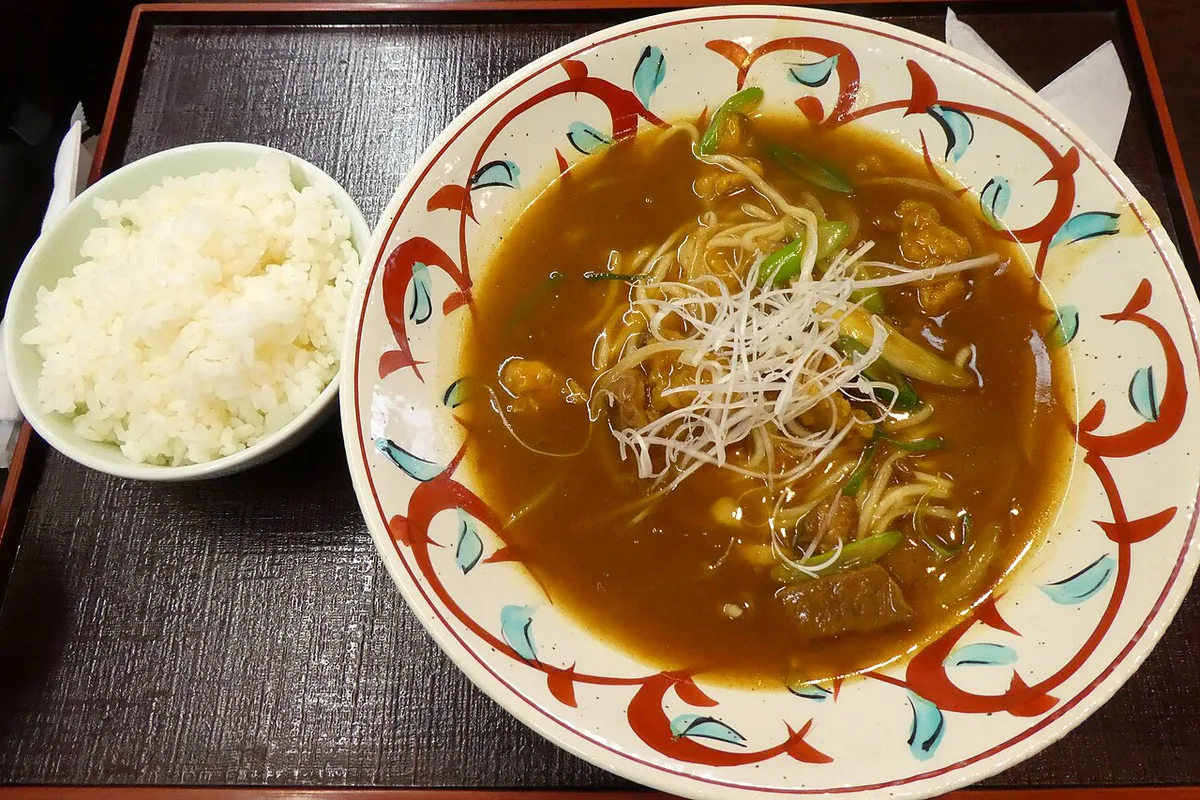
Miyazu Curry Yakisoba is not one fixed recipe. The dish's promotional map includes a dry-and-wet chart rating each member restaurant by broth level, and the difference changes how each order eats. Wet-style versions carry a curry-spiced broth similar to curry ramen, with soft noodles that soak up the sauce. Dry-style versions look closer to standard yakisoba, stir-fried with curry powder and sauce until barely any liquid remains. Heiwaken, the dish's originator, reportedly used a generous soup stock, and some current restaurants still lean toward that wetter style. Noodle texture shifts with the style. Wetter bowls use noodles that turn slippery and soft as they absorb the broth. Dry versions keep a firmer, springier bite, closer to standard stir-fried yakisoba. A third category sits outside the original chart: HAMAKAZE Cafe's evolutionary version stacks shrimp, clams, and squid onto a spicy, soy-based yakisoba. That version looks closer to a Western seafood noodle plate than a typical B-grade dish. Decide whether a soupy bowl or a firmer stir-fry sounds better before ordering, since menus rarely spell out which side of the spectrum a kitchen sits on.
| Style | What to Expect | Where It Shows Up |
|---|---|---|
| Wet | Curry-spiced broth similar to curry ramen; soft, sauce-soaked noodles | Heiwaken's original style; some current member restaurants lean this way |
| Dry | Stir-fried noodles with curry powder and yakisoba sauce; little liquid | Common B-grade texture across several member restaurants |
| Evolutionary / Seafood | Shrimp, clam, and squid added to a spicy soy-based yakisoba | HAMAKAZE Cafe |
Where to Eat Miyazu Curry Yakisoba: Four Restaurants to Know
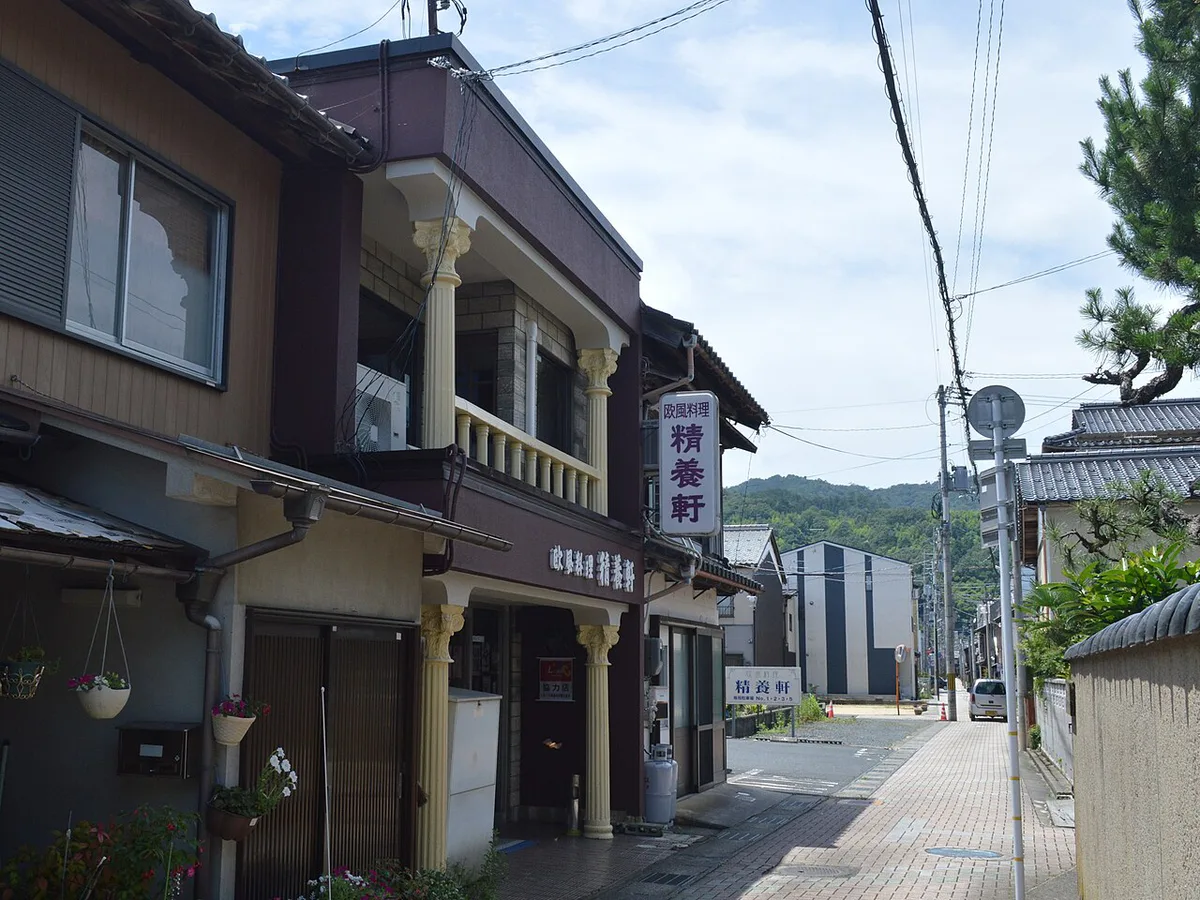
Twelve restaurants once carried the stamp-booklet listing, but four cover the range most travelers need. Restaurant Itonaka, in the Tsuruga area, sits about a five-minute walk north of Miyazu Station's north exit along National Route 178. Reviewers describe Itonaka's set as the official map's slightly wet style, though some visitors report a drier bowl on a given day. Expect some inconsistency between visits, since recipes are not standardized even within one kitchen. Solo diners can sit at the counter or in a sunken-kotatsu tatami area, and the restaurant draws local workers at lunch plus general customers in the evening. Itonaka's menu extends well beyond curry yakisoba. Regulars also order kashiwa stir-fry sets, pickled-herring fried rice, and clam miso soup. First-time visitors are not limited to one dish if curry yakisoba does not appeal. Chinese Cuisine Pork Chin Kan, known locally as Butachinkan, sits in the Shinhama area and functions more like a local secret than a tourist stop. You'll usually hear about Butachinkan from residents rather than guidebooks. Butachinkan is one of the restaurants where the rice hack applies. Order a side of rice, then stir it into the leftover curry broth once the noodles are gone. That turns one order into two courses, curry noodles first and curry rice second. Amanohashidate Shogin sits on the second floor of a souvenir shop about a one-minute walk from Amanohashidate Station, roughly 200 meters from the sandbar, next to the rotating bridge. Its dining room seats about ninety people across tatami and table seating, with private-use bookings available for groups. That location makes Shogin the easiest stop for anyone short on time between the station and the viewpoints. HAMAKAZE Cafe, a roadside-station restaurant in Hamacho, serves an evolutionary seafood version and doubles as the most convenient stop for souvenirs, since it also sells an instant-noodle version of the dish.
| Restaurant | Area | Access | Price Band | Payment |
|---|---|---|---|---|
| Restaurant Itonaka | Tsuruga, Miyazu City | About a 5-minute walk north of Miyazu Station | Around ¥600-¥1,999 per set | Confirm on-site |
| Butachinkan (Pork Chin Kan) | Shinhama | Local landmark; confirm directions locally | Not listed in official sources | Confirm on-site |
| Amanohashidate Shogin | Bunju, next to the rotating bridge | About a 1-minute walk from Amanohashidate Station | Around ¥1,000-¥1,999 average | Electronic money accepted; no credit cards |
| HAMAKAZE Cafe | Hamacho roadside station | Short walk or drive from Amanohashidate | Confirm on-site | Confirm on-site |
Other Restaurants on the Miyazu Curry Yakisoba Map
The Miyazu Curry and Yakisoba Association's roster has included restaurants beyond the four above, spread across several Miyazu neighborhoods. Membership and hours shift over time, so confirm current status before building a route around any one location. Each restaurant sets its own spice level and broth ratio, so comparing two or three on one trip is the most reliable way to find a favorite. Restaurants that have appeared on the group's map and stamp booklet include the following:
The 2011 stamp booklet formalized the dish nationally, yet individual kitchens deliberately set their own spice levels and broth ratios—the association never enforced standardization, just created a network of intentionally varied regional versions.
- Sake Cellar Tamura, in the Shinhama area
- Cafe Rest Erina, in the Bannen area
- Hashidate Daimaru Main Store, in the Bunju area
- Zuishoen, in the Kokubu area
- Restaurant Ryoren, near the fishing port
Getting There and Timing Your Visit
Two train stations anchor a Miyazu Curry Yakisoba trip, and each serves a different purpose. Miyazu Station sits closer to everyday, working-town restaurants like Itonaka, reached by the Kyoto Tango Railway. Direct trains such as the Hashidate limited express connect Kyoto and Miyazu Station, cutting out a transfer for day-trippers coming straight from central Kyoto. Amanohashidate Station sits at the tourist center, a short walk from the sandbar, the rotating bridge, and restaurants such as Shogin. Most member restaurants open around 10:30 to 11:00 in the morning. Amanohashidate Shogin's listed hours run 8:30 AM to 5:30 PM. Restaurant Itonaka's listed hours run 11:00 AM to 2:30 PM and 5:00 PM to 8:30 PM, with an earlier close on Saturdays and holidays. Drivers will find space for about five cars directly in front of Itonaka, with additional informal parking nearby during busy periods. Closed days vary by restaurant and change without much notice. Shogin lists its closed days as not fixed, and Itonaka's listed rest day is Sunday, though hours shift seasonally at both locations. Check the current status of any specific restaurant before building a schedule around it, since Miyazu kitchens are known for irregular holidays. Cash is the safer default. Shogin does not accept credit cards, though it takes electronic money. Several smaller diners nearby are cash-only.
Itonaka opens at 11:00 AM, but avoid between noon and 1:00 PM when local workers fill the counter during lunch—choose an earlier or later slot for a quieter meal.
The Rice Hack and Other Ordering Tips
Ask for the curry-flavored yakisoba by name if a menu lists both plain yakisoba and a curry version, since not every kitchen defaults to curry. At restaurants with a wetter style, order a small side of rice if the broth looks generous. Pour the leftover curry sauce over the rice once the noodles are finished. This rice hack is common practice at Butachinkan and similar broth-heavy kitchens, turning one order into two courses. Some kitchens will adjust spice level on request, though this varies by restaurant and is worth confirming when ordering. Avoid Restaurant Itonaka between noon and 1:00 PM if you want a quiet counter seat, since that window fills with local workers on a lunch break. The Miyazu Curry and Yakisoba Association's stamp booklet and map list which restaurants currently participate. Checking that map before setting out saves a trip to a location that has dropped the dish or closed for the day. Completing the twelve-restaurant stamp booklet earns a gold card with extra perks at participating locations, though this rewards repeat visits more than a single lunch stop. Because the recipe was never standardized, spice level, broth quantity, and toppings shift from one kitchen to the next, even within the same wet or dry category.
Pairing Curry Yakisoba With an Amanohashidate Food Day
Miyazu Curry Yakisoba works best as a lunch course, leaving dinner open for the sandbar's seafood specialties. Save the seafood restaurants nearby for the evening. Set menus built around local catch make more sense at dinner than a second noodle plate. Splitting the day this way keeps one meal built around inland comfort food and the other around the bay's fresh catch. Travelers building a full food itinerary around Amanohashidate often add Tango barazushi, a layered pressed-sushi dish. See the Tango barazushi guide for where to find it. Dessert options sit within walking distance of most curry yakisoba restaurants near the station. Save room for chie no mochi on the same walk. Because the dish is built on pork, cabbage, and a sauce base, vegetarian travelers should treat it as a skip rather than a modification. Check the budget and vegetarian food guide for alternatives that fit stricter diets. Budget-focused travelers can treat curry yakisoba as the cheaper anchor of the day, since ¥600 to ¥1,500 per set undercuts most seafood-rice-bowl lunches nearby. Pair the meal with a walk through 8 Best Things to Do in Amanohashidate (2026) like the sandbar crossing and the rotating bridge.
Frequently Asked Questions
What does Miyazu Curry Yakisoba taste like?
Miyazu Curry Yakisoba tastes like yakisoba noodles seasoned with curry powder and a standard sauce base, landing between a curry dish and a classic noodle stir-fry. Wetter versions add a curry-spiced broth similar to curry ramen. Dry versions taste closer to standard sauce yakisoba with a curry kick layered on top. Portion sizes are usually generous enough to skip a side dish, though a rice or miso soup set remains common.
Is Miyazu Curry Yakisoba spicy?
Most versions carry mild-to-moderate spice rather than sharp heat. Restaurant Itonaka's owner describes the dish as slightly spicy and a good match for beer. HAMAKAZE Cafe's seafood-based version also runs spicy, since it builds on a soy-sauce base with added heat.
How much does Miyazu Curry Yakisoba cost?
Expect to pay roughly ¥600 to ¥1,500 for a standard set at most member restaurants. Amanohashidate Shogin's average runs ¥1,000 to ¥1,999 per person, based on reviewer spending data. Prices shift by portion size and by whether the set includes rice, miso soup, and a side dish. Card payments are not guaranteed at every location, so carrying cash covers most stops.
Which restaurant works best for a short layover near Amanohashidate Station?
Amanohashidate Shogin is the fastest option, about a one-minute walk from Amanohashidate Station and roughly 200 meters from the sandbar. Its second-floor dining room sits above a souvenir shop, next to the rotating bridge. That location suits you if only one stop fits the schedule between the train and the viewpoints.
Can vegetarians order Miyazu Curry Yakisoba?
Standard versions are not vegetarian, since the base recipe includes pork along with cabbage, onion, and carrot. Seafood-based versions at HAMAKAZE Cafe are not vegetarian either. If you keep a vegetarian diet, treat curry yakisoba as a dish to skip, and check dedicated vegetarian dining guides for the area instead.
Where can travelers buy Miyazu Curry Yakisoba to take home?
HAMAKAZE Cafe's roadside station sells an instant-noodle version of the dish. Roughly 6,600 bags reportedly sold in one recent summer season, according to the roadside station's own count. That makes it a practical souvenir option, though current sales figures are worth confirming on-site.
Do Miyazu restaurants take reservations for Miyazu Curry Yakisoba?
Amanohashidate Shogin accepts reservations directly, according to its own listing. Smaller diners such as Restaurant Itonaka typically run on a walk-in basis, especially at lunch. Calling ahead matters more on weekends and around midday, when local demand peaks.
Free guide: Japan's Hidden Gems
12 under-the-radar places beyond Tokyo & Kyoto — with the best season to visit each and a local tip you won't find in the guidebooks.
You might also like


Continue reading
More guides you'll find useful


