Okinawa with Kids: The Perfect 4-Day Family Itinerary
Plan an unforgettable Okinawa family trip with our 4-day itinerary. Discover kid-friendly attractions, best places to stay, and practical travel tips for a smooth adventure.
On this page
Okinawa is Japan's only tropical island prefecture and one of the best family destinations in Asia. Warm seas, ancient cave systems, world-class aquariums, and a distinct Ryukyuan culture make it endlessly interesting for children of all ages. This guide covers the main island end to end, from the big family draws in the north to the cultural sites in the south, plus everything you need to know before you arrive in 2026.
A rental car is non-negotiable here. Public buses exist but routes are sparse outside Naha, and loading a stroller plus beach gear onto a packed bus adds stress you don't need. With a car, you can drive the full length of the island and still be back at your resort before the kids' bedtime. Every itinerary day below assumes you have wheels.
Why Okinawa is Perfect for Families with Kids
Okinawa consistently ranks among Japan's safest prefectures, with low crime and a relaxed pace that is a genuine relief after mainland cities. The island is just over 100 km from north to south, so no destination is more than two hours from Naha — you're never locked into a base camp for long. Most major attractions have dedicated parking, nursing rooms, and stroller-accessible paths as standard.
The climate is subtropical, meaning real beach swimming from roughly late April through October. Even in February the temperature is mild enough for outdoor sightseeing in a light jacket — though actual swimming in February is chilly. Cherry blossoms appear in late January or early February, making winter a quieter, cheaper time to visit if beach swimming isn't the priority.
Food is another advantage. Okinawan cuisine leans toward mild, rice-based dishes that children tend to accept easily — taco rice, Okinawan soba, curry rice, and conveyor-belt sushi chains are everywhere. Major malls like Aeon Rycom offer baby food, high chairs, and family restrooms on every floor. You will rarely be stuck for a kid-friendly meal. For a deeper look at what to eat, see our Okinawa Food Guide: 11 Must-Try Dishes & Best Restaurants (2026).
Getting to Okinawa: Flights, Naha Airport, and Car Rentals
Naha Airport (OKA) is the main gateway. Direct international flights operate from South Korea, Taiwan, Hong Kong, and a handful of Chinese cities. Travelers from further afield — Europe, North America, Australia — typically connect through Tokyo Haneda or Narita, Osaka Kansai, or Nagoya Centrair. The flight from Tokyo is around 2 hours 30 minutes; from Osaka about 2 hours. Budget carriers Peach and Jetstar offer frequent and competitive fares on the domestic routes.
At the airport, immigration is efficient for a smaller facility. Fill out your Visit Japan Web (VJW) registration before departure to generate a single QR code covering both immigration and customs — most families clear the whole process in around 40 minutes. The domestic terminal is a 5-minute walk from the international terminal. Car rental offices are off-site: shuttle buses from the domestic terminal take you to the rental lots, typically a 10–30 minute ride depending on traffic.
Book your rental car as early as possible, particularly for peak season (July–August, Golden Week in late April–May, and the New Year period). Japanese law requires a child safety seat for children under six, and seats must be reserved in advance — they sell out. Specify the exact seat type for your child's weight at booking. OTS and Toyota Rent a Car are reliable operators with English-language booking systems. Budget for an ETC card for expressway tolls: the Okinawa Expressway (58 yen per km roughly) connects Naha to the Motobu Peninsula, where the aquarium is located. For full car-rental logistics, see our guide to Renting a Car in Okinawa: Your Essential Guide & Tips.
Where to Stay in Okinawa with Kids: Regions Compared
The island divides cleanly into three zones for accommodation purposes. Your choice shapes the entire trip, so it's worth thinking through before booking.
Central Okinawa (Ginowan, Chatan, Onna Village) is the default base for most families. Moon Ocean Ginowan sits 30–40 minutes from the airport and roughly equidistant from the northern aquarium and the southern cultural sites. Onna Village is further north and places you closer to the beaches and resorts. The ANA Intercontinental Manza Beach at Manza sits on its own peninsula with a heated pool and direct ocean access — excellent for a beach-focused trip, though it adds driving time to the southern sights. Central Okinawa is the right base if you want to cover the full island without changing hotels.
Southern Okinawa (Naha, Itoman) suits families who want the cultural circuit — Shuri Castle, Okinawa World, Kokusai Street — without long drives. Naha hotels are cheaper and more central for city logistics, but you'll feel the distance on days heading north to the aquarium. The Novotel Okinawa Naha is a solid family pick in this zone, with a kids' pool and a breakfast buffet.
Northern Okinawa (Nago, Motobu) is best for families who are making Churaumi Aquarium and the beaches of the Motobu Peninsula the centerpiece of the trip. Resorts here are quieter and the surroundings feel more rural. The trade-off is that Shuri Castle and Okinawa World are 90+ minutes south. If your kids are under five and beach time is the goal, the north is worth it. Budget families should also consider vacation rentals with kitchenettes in Nago — self-catering one or two dinners noticeably reduces costs on a week-long trip.
Okinawa with Kids: Day 1 — Southern Charm and Culture
Start in the south. Okinawa World in Nanjo is around 30 minutes from Naha and is the single best family attraction in the southern half of the island. The centrepiece is Gyokusendo Cave, a 5-km limestone cavern formed over 300,000 years; you walk an 850-metre lit path past stalactites, stalactites, and a vivid blue underground pool called the Blue Fountain. Children who can walk steadily manage it without difficulty — wear non-slip shoes and expect the path to be humid and slightly uneven. After the cave, the Ryukyu Kingdom Village section has craft demonstrations (pottery, glassblowing, weaving) and a short traditional dance show; the Habu Museum Park lets kids see live habu pit vipers safely behind glass. Admission for adults is around 2,000 yen; children under 4 enter free, 4–15 pay a reduced rate.

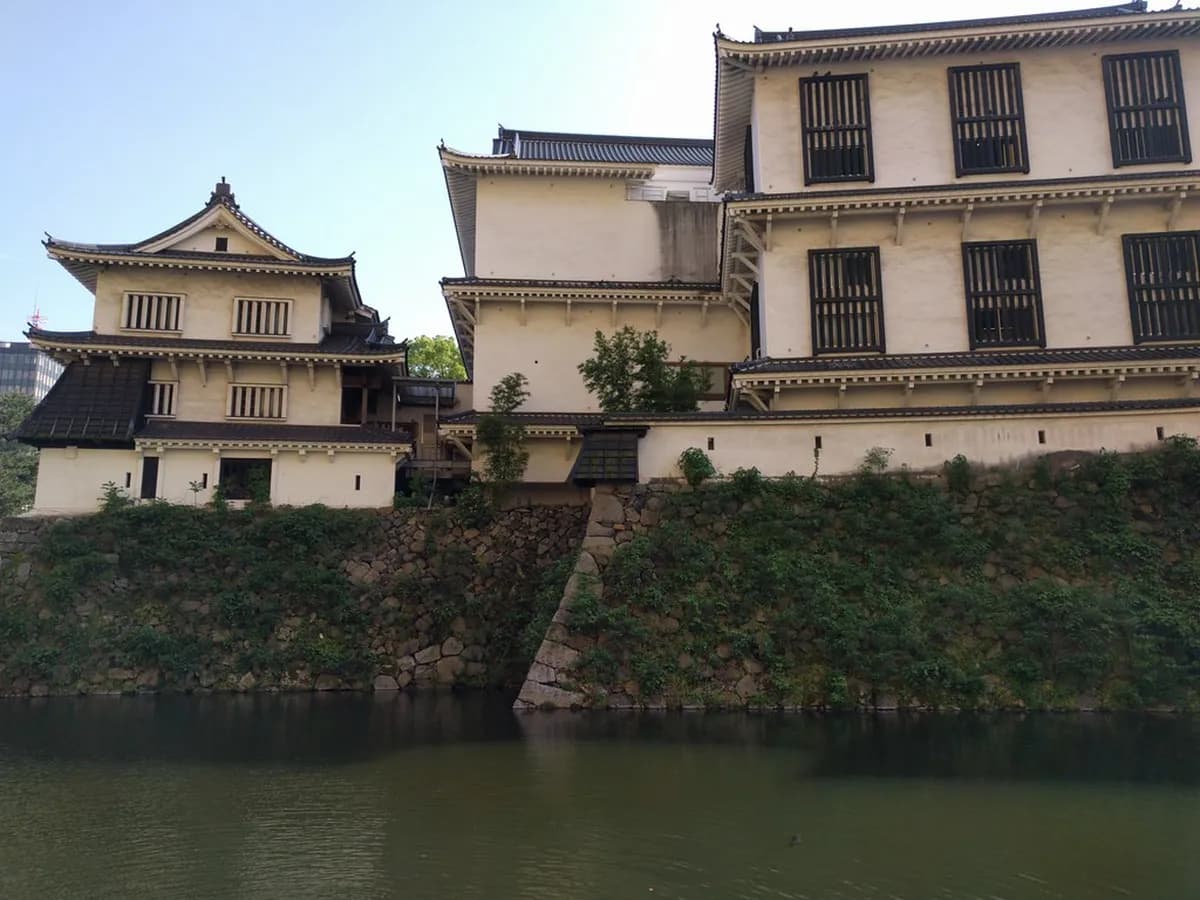
In the afternoon, drive 45 minutes north to Shuri Castle Park in Naha. The castle is the architectural symbol of the old Ryukyu Kingdom. It was rebuilt after a fire in 2019 and restoration is ongoing through 2026, though the main Seiden hall and surrounding grounds remain open to visitors. Stamp-collecting postcards for children are available at the entrance gate — kids collect stamps at each checkpoint and receive a small prize on completion. Allow 90 minutes here. Entry to the core areas costs around 400 yen for adults; children under 6 are free.
End the evening on Kokusai Street in central Naha. The 1.6-km strip has a dense cluster of restaurants, ice cream shops (Blue Seal is the local favourite — try the Okinawan salt cookie flavour), and the covered Makishi Public Market where live seafood is displayed in tanks. The street closes to traffic on Sundays, when street performers take over and the atmosphere is at its liveliest. For dinner, Kokusai Street Food Village on the side streets around the main strip has open-air stalls with taco rice, Okinawan soba, and grilled meats — easy for fussy eaters.
Okinawa with Kids: Day 2 — Churaumi Aquarium and Nago Pineapple Park
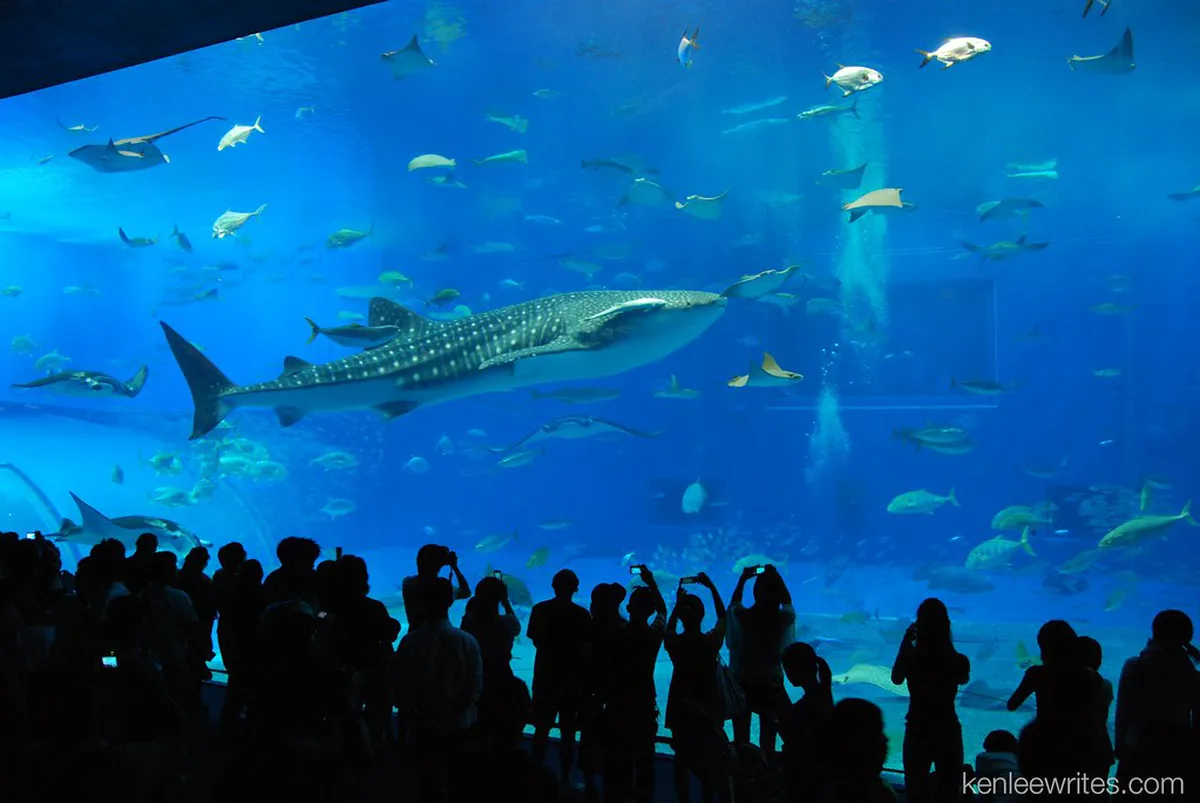
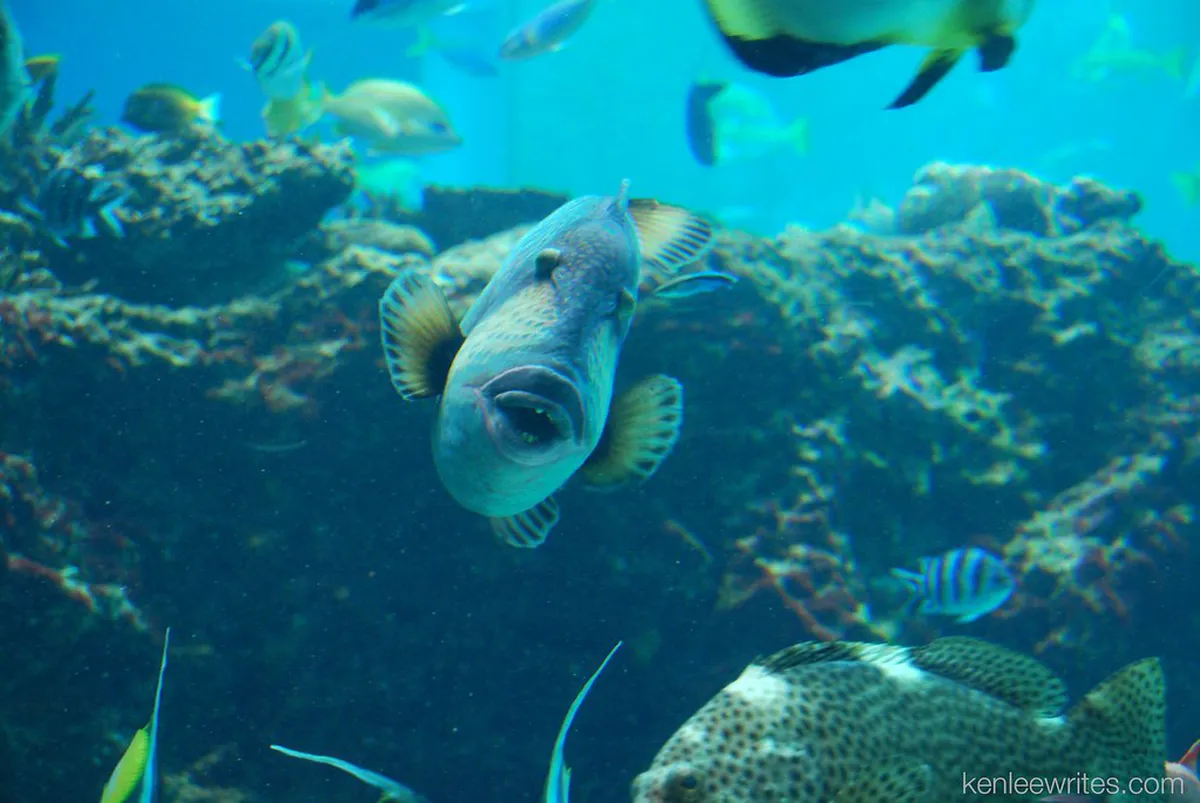
This is the long-drive day. Churaumi Aquarium at Ocean Expo Park in Motobu is about 90 minutes from central Okinawa, depending on traffic. Leave by 8:30 to reach the park when it opens at 8:00 and claim a spot for the 10:00 free dolphin show before the crowds build. The dolphin theater was under renovation in late 2024 and shows relocated to Okichan Theater; check the official site before visiting for the current setup. The main aquarium hall is built around the Kuroshio Sea Tank — one of the largest in the world — where whale sharks and manta rays circulate at close range behind a wall of glass. Children's faces at that tank make the drive worthwhile.
Admission to the aquarium is 2,180 yen for adults; children 15 and under pay 710 yen; under-6 are free. Discount options include the Okinawa FunPass, convenience store coupons (FamilyMart and Lawson typically have 100–200 yen off), and vouchers sometimes bundled with car rental packages. After the aquarium, Kids Adventure Land playground on the grounds is a good energy-burner before the drive south. Emerald Beach, a short walk from the aquarium, is calm and very shallow — an excellent swimming stop if the weather cooperates.
On the return drive, Nago Pineapple Park is a natural 90-minute pit stop roughly 30 minutes south of the aquarium. Self-driving pineapple-shaped carts carry the family through a plantation where 120 pineapple varieties grow; there's also a short walk-through garden (moving dinosaurs at the end surprise most young children). The souvenir shop has pineapple cake tasting and fresh pineapple on a stick. Finish the evening at Mihama American Village, a former US military base turned entertainment district in Chatan. The Ferris wheel, arcade games at GiGo, Sunset Beach, and a dense cluster of restaurants (from conveyor-belt sushi to NY pizza) keep everyone occupied until the kids run out of steam.
Okinawa with Kids: Day 3 — Beaches and Eastern Okinawa
Reserve the morning for the beach. Tropical Beach in Ginowan is a short drive from most central hotels and a reliable choice for families: lifeguards are on duty during the swimming season, the water is calm, and umbrella-and-sun-lounger rental runs 1,000 yen per set from the facility building (credit card accepted). The swimming area is enclosed with a safety net, which matters if you have small children. Pair this with onigiri from the Union supermarket next to most hotels and you have a cheap, low-logistics beach morning. For more beach options across the island, see our guide to the 9 Best Beaches in Okinawa: Ultimate Guide (2026).
In the afternoon, cross to the east coast via Route 329 to Hamahiga Island. The Hamahiga Island Salt Factory is a genuinely unusual stop: a family-run traditional saltworks at the end of a narrow coastal road. Staff hand you a printed explanation of the solar evaporation process, and a small shop sells beautiful hand-harvested sea salt — one of Okinawa's most distinctive souvenirs. The beach behind the factory is rocky but scenic, and on a sunny weekday you'll often have it almost to yourself. Budget 45–60 minutes here.
Head back via Aeon Rycom mall in Okinawa City for dinner. Aeon Rycom is the island's largest mall and a practical family hub: free stroller rental at the information desk, a Pokémon Center on the ground floor (with an Exeggutor statue at the entrance), and a visitor centre behind the Blue Seal ice cream shop that hands out a 500-yen coupon or a small gift on presentation of your boarding pass. The food court on the third floor has taco rice, ramen, udon, and sushi chains. Aeon Style items on floors 3–4 are all tax-free, making this a smart stop for last-minute shopping too.
Okinawa with Kids: Day 4 — Departure Day
Keep departure day light. Round One Ginowan (the Spo-Cha floor) is an easy morning option — 90-minute or 3-hour play passes cover bowling, table tennis, arcade games, a soft-play area, and roller skating. It's a 5-minute drive from Tropical Beach and the parking validates for 12 hours. For a quicker morning, a Coco Ichiban curry restaurant sits on the ground floor of the same Round One building: kids' meal sets come with a gacha voucher, which is worth the trip on its own.
Allow extra time for the car rental return. Rental lots are off-airport and require a shuttle back; budget 45–60 minutes from lot drop-off to checking in at the terminal, more on busy weekend mornings. Peach and other budget carriers recommend arriving 2 hours before departure for international flights; the check-in counter often doesn't open until 2 hours prior, so arriving 3 hours early mostly means waiting at the gate. Naha Airport has a UFO catcher area and a piano with a Pokémon display on the third floor — genuinely useful for killing 30–45 minutes with young children. Pork Tamago Onigiri on the third floor is the local breakfast institution before security.
Beach Safety for Families: Habu Jellyfish and Rip Current Rules
This is the practical safety briefing that most travel guides skip. Okinawa's waters are home to the habu jellyfish (also called box jellyfish or Chironex — unrelated to the habu viper, but named for a similar danger). Habu jellyfish season runs roughly May through October, peaking in summer. Their tentacles cause severe, burning stings; in rare cases with very young children, the reaction can be serious. Managed beaches like Tropical Beach, Emerald Beach at Ocean Expo Park, and the resort beaches at Onna Village have jellyfish-exclusion nets during the swimming season. Stay inside the roped-and-netted area with your children — it's not just a guideline, it's how the beaches are designed to protect swimmers.
Outside the nets, or at any unmanaged beach, sting risk increases significantly from June onward. If you're visiting in July or August and want to swim at a quieter or more remote beach, wear a rash guard or thin wetsuit — they provide meaningful protection. Okinawan surfwear shops sell lightweight 1mm suits designed for jellyfish conditions. If a child is stung, the immediate response is to rinse with sea water (not fresh water), carefully remove visible tentacles with a credit card or flat object (not bare hands), and apply vinegar if available; seek medical attention for any sting affecting a young child.
Rip currents are a secondary concern at open beaches, less so at the calm enclosed lagoons that are standard at family-oriented beaches. The rule applies everywhere in Japan: swim only at beaches with an active lifeguard station and within the designated swimming zone. The red flags on Okinawan beaches mean no swimming — enforce this with children even when the water looks inviting.
Practical Tips for Driving in Okinawa with Kids
Okinawa drives on the left, like the rest of Japan. If you're accustomed to driving on the right, expect the first day to be a genuine adjustment — the most common errors are activating the wipers instead of the turn signal (the stalks are mirrored), and drifting toward the left shoulder of the lane. Allow extra time on the first day and avoid major commuter roads before 9:00 or after 17:00, when traffic through Naha can roughly double journey times.
Google Maps works well throughout the island with a stable data connection (a pocket Wi-Fi or a local SIM is worth renting at the airport). The car's built-in navigation is more accurate for local road updates but operates in Japanese only — use it as a backup if Google routes you oddly. Some rental cars require a USB-A cable for CarPlay; check at the rental counter and bring a cable if you rely on phone navigation. Parking is widely available at major attractions and typically costs 300–500 yen; most beach facilities have free or low-cost lots.
One practical tip that saves grief: keep a sealed plastic bag in the car for sandy shoes after beach visits. Sand tracked into a rental car is difficult to clean fully; a few bags and a small towel on the floor mats prevents the main problem. Most rental companies do not charge for minimal sand if the car is otherwise clean, but a heavily sandy interior may incur a cleaning fee at return. Pack snacks and a small cooler for the car — the drive to the northern attractions is 90 minutes minimum and children's hunger and thirst doesn't wait for scenic turnoffs.
Essential Packing List for Okinawa Family Travel
Okinawa's subtropical climate means packing differently from mainland Japan. Summers are hot and extremely humid; UV index is high from April through September. Winters are mild and breezy — temperatures in January and February sit around 15–18°C, which feels cooler than the number suggests in the sea wind. Pack accordingly for your travel month rather than for a generic Japan trip.
- Reef-safe SPF 50+ sunscreen — local brands at drug stores work well and are cheaper than imported equivalents. The island enforces reef protection at several conservation beaches.
- Rash guards or lightweight wetsuits for children, especially for July–October visits (jellyfish protection as described above).
- Water shoes for rocky eastern-coast beaches like Hamahiga Island; Crocs or similar work for sandy beaches.
- A compact stroller — most major attractions are stroller-accessible. Aeon Rycom offers free stroller rental if yours is checked baggage.
- A reusable water bottle per person. Convenience stores are everywhere, but staying hydrated in summer heat without buying plastic every hour adds up fast.
- A portable rain cover or compact umbrella. Rain patterns in Okinawa are unpredictable even on sunny-forecast days — brief heavy downpours followed by full sun are normal. Indoor alternatives (Round One, Aeon Rycom, the aquarium) are better options than fighting rain with a stroller.
- A dry bag or waterproof phone case for beach days with young children who will get everything wet.
- Copies of passports and visas — useful for tax-free shopping at Aeon (required at checkout for non-Japanese residents).
One thing to source at home rather than on arrival: any specialist prescription medication or specific infant formula brand. Okinawan drug stores (Matsumoto Kiyoshi, drug Eleven) stock a wide range, but matching a specific foreign-brand formula is not guaranteed outside of Naha's larger stores.
Frequently Asked Questions
Which Okinawa with kids options fit first-time visitors?
First-time visitors to Okinawa with kids should prioritize the main island's key attractions. These include Okinawa Churaumi Aquarium, Okinawa World, and Mihama American Village. These sites offer a good mix of culture, nature, and entertainment.
How much time should you plan for Okinawa with kids?
A 4-day itinerary is a great starting point for Okinawa with kids, allowing you to see major highlights. If you wish to explore more deeply or visit outer islands, consider extending your trip to 5-7 days. This provides a more relaxed pace.
What should travelers avoid when planning Okinawa with kids?
Avoid over-scheduling your days and trying to cram too many activities. Also, avoid relying solely on public transport outside of Naha; a rental car is essential. Do not forget to book popular attractions in advance, especially during peak season.
Is Okinawa with kids worth including on a short itinerary?
Yes, Okinawa with kids is definitely worth including, even on a short itinerary of 3-4 days. Focus on one region, like Central Okinawa, to minimize travel time. Prioritize 2-3 major attractions that best suit your family's interests.
Okinawa rewards families who come prepared. The combination of great aquariums, calm swimming beaches, cultural sites, and genuinely child-friendly infrastructure makes it a destination you'll want to return to — most families who visit once start planning a second trip before they leave. The key is to anchor around a car, pick the right region for your home base, and leave room in the schedule for the beach days that will become the trip's defining memories.
For the broader picture of what the island offers beyond this itinerary, start with our Okinawa attractions guide. Pack the sunscreen, book the child seat early, and enjoy one of the finest family destinations in Asia.
Free guide: Japan's Hidden Gems
12 under-the-radar places beyond Tokyo & Kyoto — with the best season to visit each and a local tip you won't find in the guidebooks.
You might also like

Continue reading
More guides you'll find useful