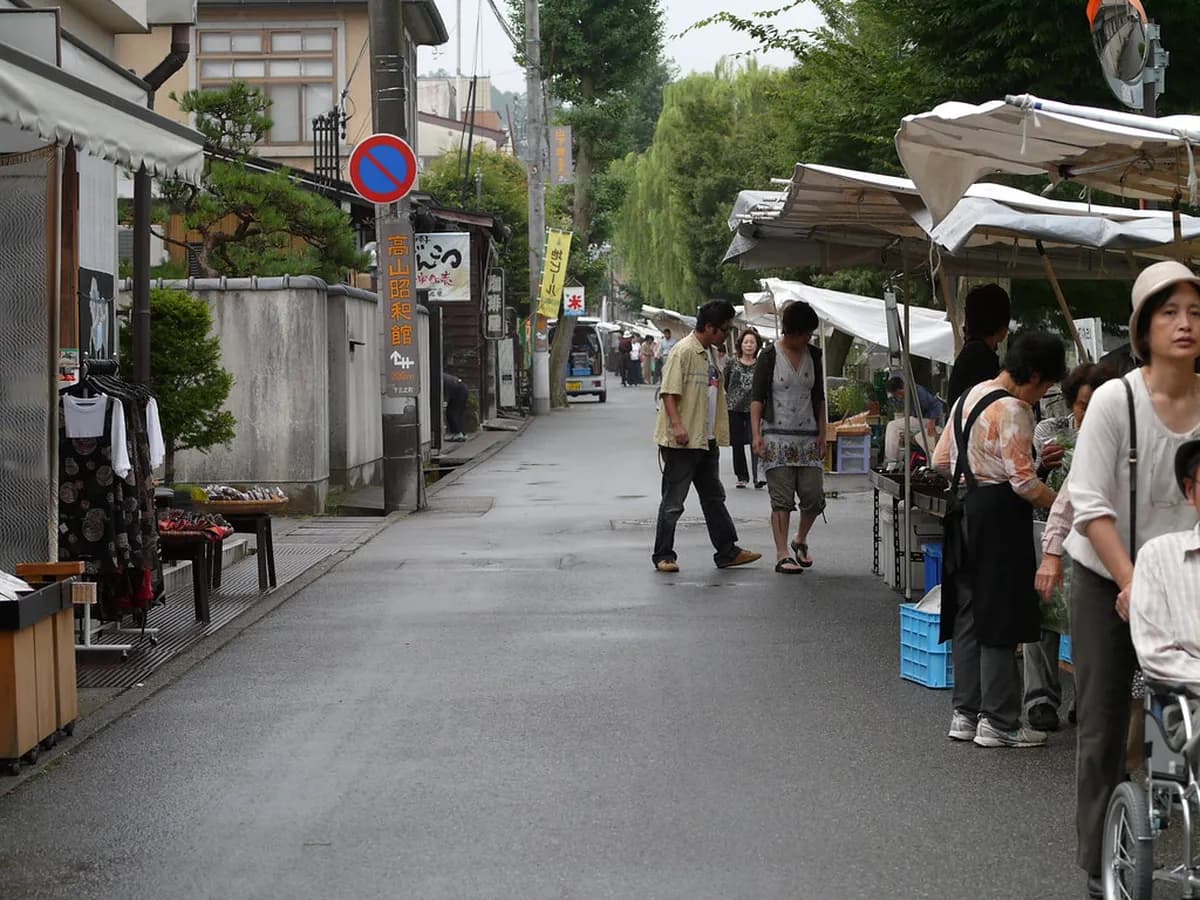
Takayama in Autumn Koyo: 7 Essential Tips for Your Trip
Plan your Takayama autumn koyo trip with our 2026 forecast, top viewing spots like Hida no Sato, festival dates, and local food recommendations.
On this page
I visited Takayama in late October and the maple leaves were breathtakingly bright. Mid-October to mid-November is the best window for most travelers seeking the peak colors. Updated May 2026 from my autumn visit to ensure current accuracy.
Late spring and early fall are the true shoulder seasons for this mountain town. These months offer a perfect balance of mild weather and manageable crowds. You will find the crisp air refreshing as you walk through the historic streets.
Our late-October trip hit a sudden cold snap in the mountains. I recommend bringing a thick scarf for the chilly evenings. This guide will help you navigate the vibrant takayama in autumn koyo season effectively.
Best Time to Visit: Takayama Autumn Foliage Forecast
The timing for autumn leaves depends heavily on the elevation of the Hida region. Peak colors arrive in the higher surrounding mountains as early as mid-October, when the ridgelines turn copper and gold. The town center typically sees its deepest reds between late October and mid-November, sometimes stretching to November 21–23 in warmer years — a window confirmed by travelers who have chased koyo across all of Honshu.
Visitors should check the Japan Meteorological Corporation for the latest foliage dates. Their first forecast releases in early September, but don't lock in hotel cancellation-free bookings based on that alone — the predictions tighten considerably by late October. Weather patterns can shift the peak window by a week or more in either direction each year.
Temperatures usually range from 8–16°C / 46–61°F during the day at peak season. These cool conditions make long walks through the Sanmachi Suji old town genuinely pleasant. Evenings drop sharply, especially after rain, so pack accordingly.
The terms koyo and momiji are often used interchangeably on travel sites, but they carry a distinction worth knowing before you read local event listings. Koyo is the broad practice of viewing the full autumn color spectrum — ginkgo yellows, beech golds, and maple crimsons all qualify. Momiji specifically refers to Japanese maple (Acer palmatum) leaf-viewing, and the intense carmine-red that defines Takayama's most iconic photography is precisely what momijigari (maple-leaf hunting walks) points toward. When local shops advertise momijigari events in late October, they are directing you to the red maples in Shiroyama Park and along the Higashiyama temple route — not the earlier ginkgo season, which fades by mid-October.
One critical distinction most guides blur: the Takayama Autumn Festival happens in early October, while the deepest koyo colors come three to six weeks later. Arriving on October 9–10 for the festival means you will miss the fiery peak foliage entirely. Plan for both only if you have a full two-week window.
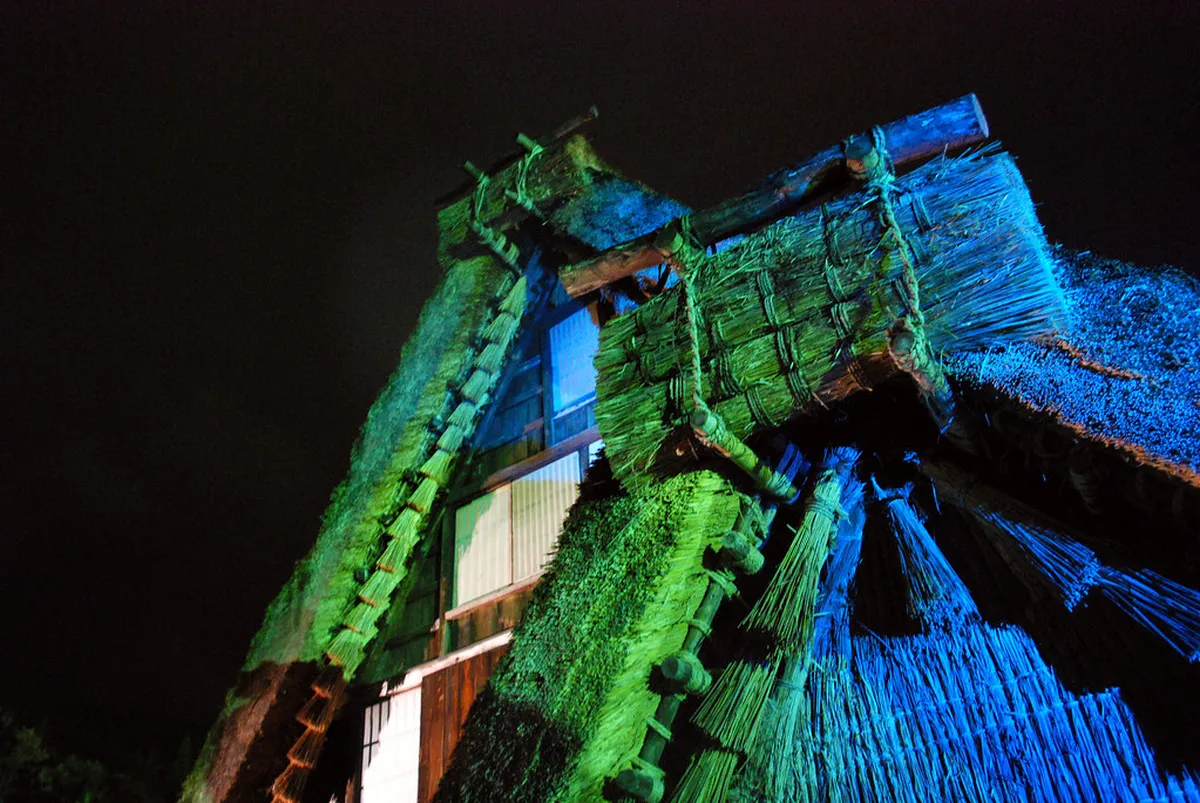
The Hida Folk Village holds special evening illuminations during peak koyo weeks (late October to mid-November) — check the official Hida Tourism schedule as these events sell out quickly. Arriving at blue hour (30 minutes before sunset) gives you both the illuminations and the best snow-free foliage photography.
Takayama vs. Kyoto: Autumn Timing and Crowds
Many travelers face a direct choice between these two destinations for a koyo trip. The key difference is timing: Takayama peaks in early-to-mid November while Kyoto's famous maples don't hit their stride until late November or even December. Visiting Takayama first and moving south toward Kyoto two to three weeks later is a logical Honshu foliage route. You can extend this into a longer journey by pairing it with Kanazawa, which lies just west along the same rail corridor.
Crowd dynamics also differ sharply. Kyoto draws millions during koyo season and queues at temples like Tofuku-ji can run two hours. Takayama is busy — very busy on festival weekends — but the Higashiyama Walking Course and Shiroyama Park stay comparatively calm even at peak. If you want a slower, more intimate experience of Edo-period streetscapes without the shoulder-to-shoulder density of Kyoto, Takayama delivers it.
| Factor | Takayama | Kyoto |
|---|---|---|
| Peak koyo window | Late Oct – mid-Nov | Late Nov – early Dec |
| Festival dates | Oct 9–10 (Hachiman Matsuri) | Various, late Nov |
| Crowd level (peak) | High, manageable with timing | Paralyzing on weekends |
| Temperature (Nov) | 4–12°C / 39–54°F | 10–18°C / 50–64°F |
| Ryokan availability | Books out 3–4 months ahead | Books out 6+ months ahead |
Top Koyo Viewing Spots in Takayama and Hida
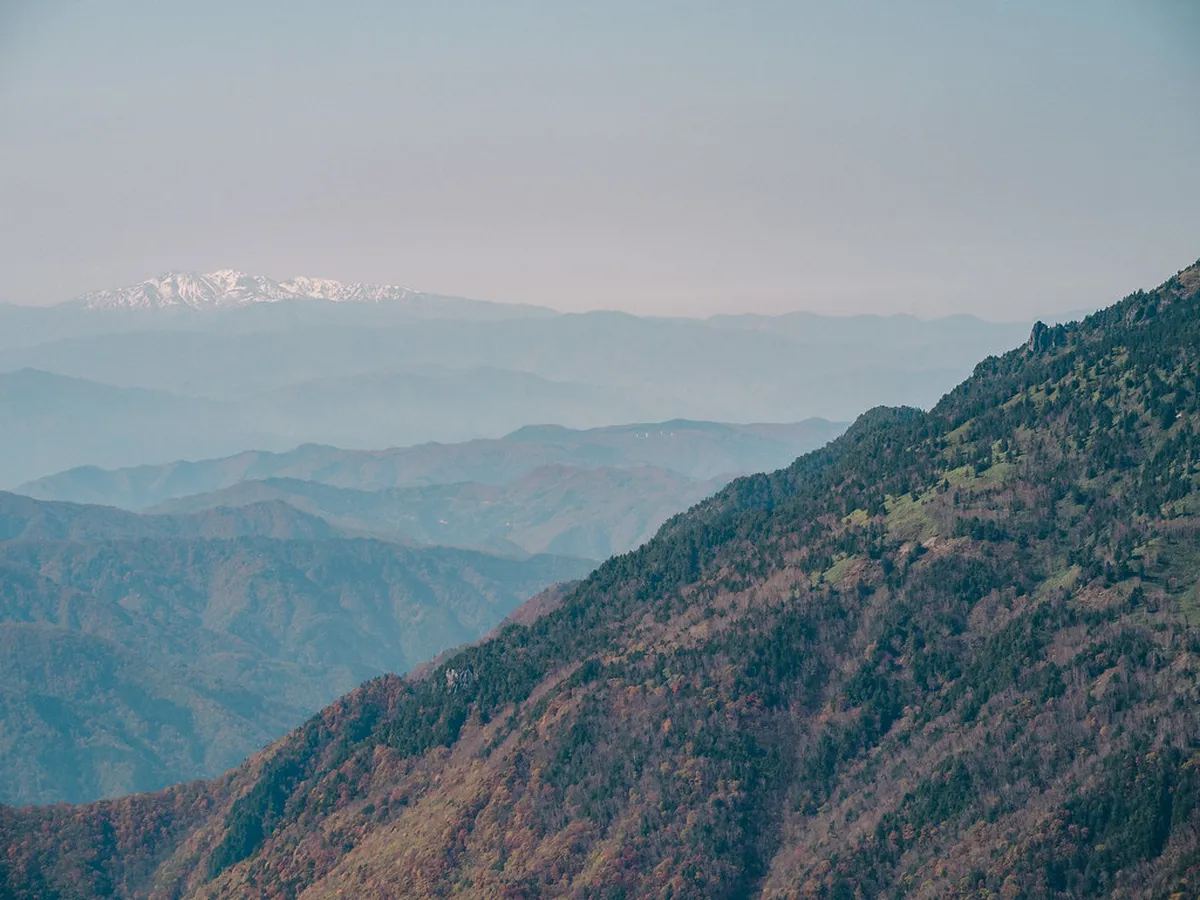
Locals and longtime Japan travelers refer to Takayama as "Hida no Kyoto" — the Little Kyoto of Hida — a nod to its preservation of Edo-period merchant townhouses that rivals anything in more famous cultural capitals. That living architecture becomes most photogenic in autumn, when the dark latticed facades of Sanmachi Suji sit behind curtains of red and gold foliage.
Shiroyama Park offers some of the best panoramic views of the city below. The walking trails here are lined with hundreds of maple and cherry trees that turn brilliant crimson in late October. It is a great place for a quiet morning stroll before the tour groups arrive on the old town streets.
The Hida Folk Village is another essential stop for foliage lovers. This open-air museum features traditional thatched-roof farmhouses surrounded by fiery maples, with stunning reflections on the central pond. They often hold special evening illuminations during the peak koyo weeks — check the official schedule at Hida Tourism as these events sell out quickly.
The Higashiyama Walking Course provides a peaceful route through local temples and small shrines. You can see beautiful ginkgo trees that turn a brilliant gold in November. This path is quieter than the main Sanmachi Suji streets even on busy weekends, making it the smartest move if you are visiting during the October festival or a holiday Monday.
The red Nakabashi Bridge over the Miyagawa River is an iconic photography spot. The contrast between the vermilion wood and the surrounding autumn maples is striking. Arrive before 08:00 to shoot without crowds — by mid-morning the riverbank fills steadily.
Experience the Takayama Autumn Festival (Hachiman Matsuri)
The Takayama Autumn Festival takes place every October 9 and 10. It is considered one of the most beautiful festivals in all of Japan. Massive, ornate floats — some featuring mechanical karakuri puppets — are paraded through the streets during the day.
Night festivities include hundreds of paper lanterns lighting up the traditional floats. This creates a magical atmosphere that feels like stepping several centuries back in time. Be prepared for very dense crowds on these specific two days; accommodations within walking distance of the old town fill months in advance.
You should consult the Official Takayama Tourism site for exact schedules. Weather can sometimes cause the cancellation of the outdoor float processions. Always have a backup plan — the Takayama Festival Floats Exhibition Hall displays the floats year-round, rain or shine.
When You Miss Peak: The Abscission Backup Plan
Koyo is fleeting. A single hard frost can strip the mountain slopes within 48 hours, leaving bare branches where there were vivid canopies the week before. Experienced koyo chasers call this "abscission" — the moment the leaves detach — and it can arrive without warning even within a forecast window. If you reach Takayama and the higher elevations have already shed, all is not lost.
The town center maples tend to hold color a full week to ten days longer than the surrounding hills. Walk the Sanmachi Suji in the morning light when a low mist sits in the valley — the bare mountain backdrop and the remaining mid-elevation reds produce a starkly beautiful scene that is genuinely different from peak-color photography, not inferior to it. This is also the moment when the onsen ryokans become the most compelling reason to stay: soaking in a hinoki bath while the last leaves drift past the window is the quiet reward for arriving slightly late.
For a structured fallback, consider a day trip toward Shirakawa-go, which sits at a slightly lower elevation and often holds color a week after the Takayama hills have dropped. Or head toward Kanazawa (roughly 2.5 hours by limited express), where Kenroku-en garden's maples frequently peak in mid-to-late November — ideal if you have budget for an extra night.
Where to Stay: Machiya Guesthouses and Onsen Ryokans
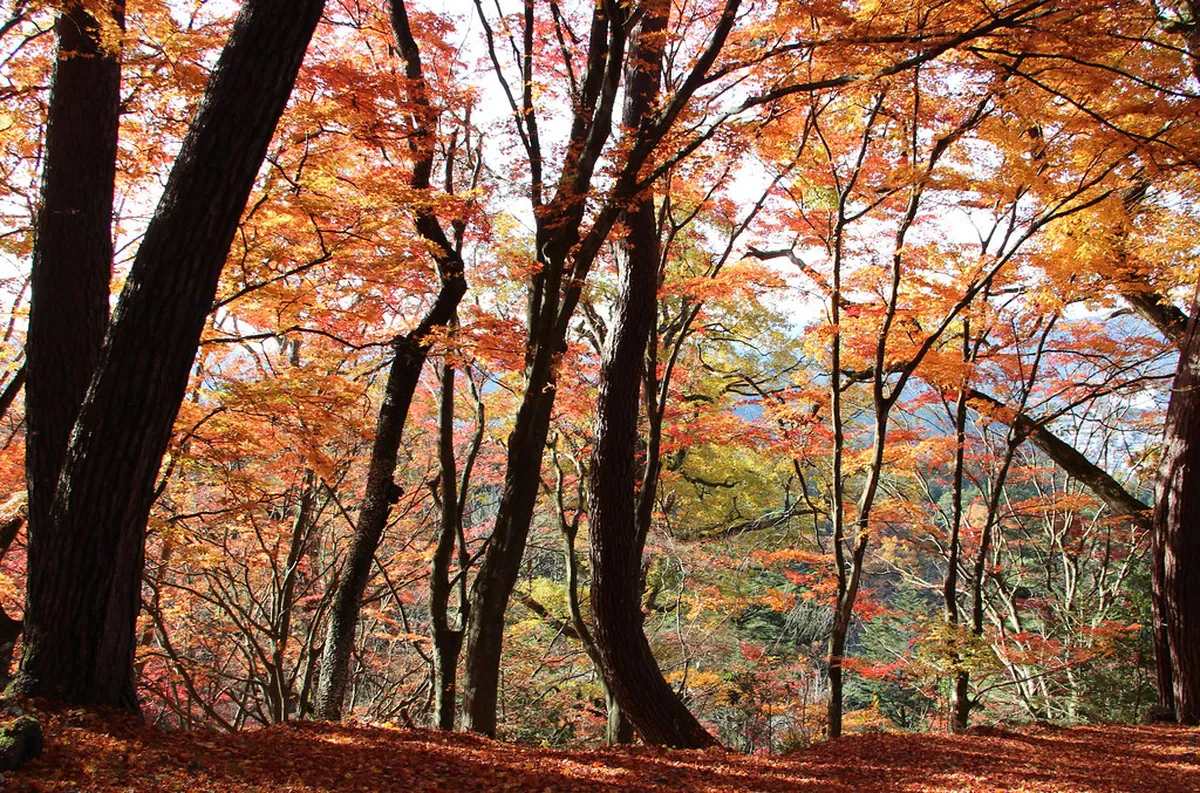
Staying in a traditional machiya — a narrow wooden townhouse — is the defining Takayama accommodation experience. These renovated merchant houses sit within or immediately adjacent to the Sanmachi Suji district. Waking up to the soft scent of aged cedar and stepping directly onto the lantern-lit alley at dawn puts you in the old town before the day-trippers arrive from Nagoya.
Machiya properties that offer full-house rentals with private hinoki (Japanese cypress) baths are worth the premium in autumn. After a day of walking stone temple paths in the cold, a cedar-scented soak is genuinely restorative in a way that a hotel bathroom is not. Book these properties 3–4 months in advance for the late October to mid-November window, or you will be pushed to business hotels near the station.
Higher-end ryokans on the outskirts of town offer kaiseki dinners featuring seasonal mushrooms, chestnuts, and local Hida beef alongside their onsen facilities. These make more sense if your itinerary includes a rest day — the ryokan experience moves slowly, which is either its appeal or its drawback depending on your travel style. Budget travelers do well with the cluster of guesthouses along the Miyagawa riverbank, which provide clean tatami rooms at reasonable rates and are easy walking distance from all major sights.
Extending Your Trip: Honshu Koyo Highlights (Hakone to Kanazawa)
If you are routing from Tokyo, Hakone makes a natural first stop before heading to Takayama. Its ryokan district in Gora typically peaks in mid-November and the area's privately funded art gardens — including the Hakone Open-Air Museum — pair sculpture with mountain foliage in a way unique to Japan. From Hakone, the Tokaido Shinkansen to Nagoya and then limited express to Takayama is a straightforward 4–5 hour journey westward into the Alps.
Takayama sits naturally within a broader Honshu autumn loop that lets you follow the color front south as November progresses. From Takayama, the standard westward move is to Kanazawa (Kenroku-en garden peaks in mid-to-late November) via limited express — about 2.5 hours. Eastward, the limited express to Matsumoto takes roughly 2 hours and pairs foliage walks with a visit to Matsumoto Castle's striking black keep.
More adventurous travelers on a 10–14 day itinerary often route from Tokyo through Nikko (early-to-mid November peak), west to Takayama, then south through Shirakawa-go and on to Kyoto. One practical warning for this loop: the Irohazaka Winding Road into Nikko National Park has 48 switchback hairpins. At peak foliage weekend it can take three to four hours to drive those curves in traffic. Building in a weekday for that section, or using the bus, saves considerable frustration.
Travelers interested in combining art and landscape can detour to Tokamachi in Niigata prefecture, where James Turrell's House of Light uses controlled apertures to frame the sky as a living canvas — striking in any season but especially evocative against autumn cloud. Pair it with the Matsumoto City Museum of Art, which holds a permanent Yayoi Kusama collection. Neither stop takes more than a half-day and both sit close enough to the main Honshu rail corridors to add without major rerouting.
Seasonal Flavors: Hida Beef, Hoba Miso, and Autumn Street Food
Autumn is the perfect time to enjoy hearty local dishes. Hida beef is the most famous specialty in the entire Gifu prefecture. You can find it served as steak, sushi skewers at the morning market, or in slow-cooked savory stews that are only offered in the colder months.
Hoba miso is another must-try dish during the autumn season. This involves grilling miso paste with mushrooms and vegetables on a dried magnolia leaf over a small charcoal fire at your table. The earthy aroma is a hallmark of the Takayama dining experience and impossible to replicate elsewhere.
Don't leave Takayama without trying gohei mochi — skewered balls of glutinous rice coated in walnut-miso paste and grilled over charcoal until the edges char. Vendors at the morning market and near the Sanmachi Suji alleyways sell them for around ¥200–¥300 per stick. In the cool autumn air, the warm savory sweetness makes them an ideal on-the-go snack between temple walks.
Autumn also brings freshly harvested local mushrooms — nameko, maitake, and shiitake — plus roasted chestnuts sold from stalls near the morning market. Pair your meal with a cup of local sake brewed from Hida mountain water; the autumn cold makes a warm ceramic cup feel especially right. Check our Takayama Food Guide: What to Eat and Where to Eat for specific restaurant recommendations.
Practical Logistics: Weather, Clothing, and Transport
Two days is a workable minimum for koyo-focused visitors — one day for the Sanmachi Suji and Shiroyama Park, one for Hida Folk Village and the Higashiyama Walking Course. If your itinerary overlaps with the October 9–10 festival, budget at least three nights: festival-day crowds are substantial and a recovery morning before tackling the foliage trails is genuinely useful. Four days lets you add a Shirakawa-go day trip without feeling rushed.
Dressing in layers is the key to staying comfortable in Takayama. Mornings are often frosty — sometimes below 4°C / 39°F by early November — while afternoons can feel relatively warm in the sun. A light down vest under a windproof shell covers the full daily range without weighing down your bag.
Walking shoes with good grip are necessary for the temple stone paths. Some areas become slippery when covered in fallen wet leaves after rain. A small umbrella is useful for sudden mountain showers, which arrive and clear quickly in the Hida highlands.
Two transport closures affect late-season visitors. The Norikura Skyline bus route typically stops operating in late October, cutting off access to the higher alpine viewpoints. Some mountain huts and remote trails also close by early November. Check local transport schedules before planning any day trips into the surrounding highlands, and verify restaurant hours for smaller family-run establishments in the old town, which sometimes reduce hours after the festival peak passes.
A single hard frost can strip the mountain slopes within 48 hours. If you arrive and peak foliage has passed, the town center maples hold color a full week to ten days longer than the surrounding hills — the Sanmachi Suji in morning mist with bare mountain backdrops is still a compelling scene.
Frequently Asked Questions
When is the best time to see autumn leaves in Takayama?
The best time is usually from late October to early November. Peak colors hit the town center during this window. Higher elevations see colors earlier in October.
Is Takayama colder than Tokyo in autumn?
Yes, Takayama is significantly colder than Tokyo. It is located in the Japanese Alps at a higher altitude. Expect temperatures to be 5-10 degrees lower than Tokyo.
What should I wear for autumn in the Japanese Alps?
You should wear multiple layers including a warm jacket. Mornings and evenings are very chilly in the mountains. Sturdy walking shoes are also highly recommended for sightseeing.
Takayama in autumn is a magical experience that rewards careful planning. By following the foliage forecast and booking early, you will see the best colors. Don't forget to try the local Hida beef and hoba miso after a day of exploring the Sanmachi Suji.
Whether you visit for the festival or the quiet trails, the scenery is unforgettable. If you prefer spring, explore Takayama during the cherry blossom season instead. Consider visiting Shirakawa-go from Takayama to see more traditional autumn landscapes at a slightly lower elevation. Use our Takayama Itinerary for First-Timers to make the most of your seasonal trip.
For the wider city context, see our complete Takayama attractions guide.
Free: The Takayama Essentials guide
Top things to do, where to stay, a perfect day plan, getting around, and the best time to go — a Takayama mini-guide you can take offline.
You might also like


Continue reading
More guides you'll find useful