Autumn Day Trips from Tokyo: 2026 Koyo Season Guide
Plan autumn day trips from Tokyo for 2026: Nikko, Karuizawa, Kamakura, and Mount Takao, with travel times, prices, and peak foliage windows for each route.
On this page
Last updated September 2026. Autumn day trips from Tokyo turn a single free day into mountain foliage, coastal temples, or a quiet river gorge, each reachable before dinner. The 2026 koyo season moves from Karuizawa's mid-October highland color to Kamakura's early-December lowland peak, so timing the trip matters as much as picking the destination.
Planning Autumn Day Trips from Tokyo: Passes and Timing
Elevation drives Tokyo's koyo calendar. Highland stops such as Karuizawa and Nikko's Lake Chuzenji change color first, typically peaking from mid-October to early November, when midday temperatures there hover around 14°C (57°F) while Tokyo itself still feels close to 24°C (75°F). Lowland gardens and temples in Kamakura and Tokyo's own suburbs wait until late November or into mid-December, the same slow shift covered citywide in the Tokyo in Autumn 2026: Best Spots, Timing & Itineraries overview. The Japan National Tourism Organization publishes nationwide foliage tracking that follows this same elevation pattern every year. For planning fundamentals on shoulder-season crowds and weather, the Best Time To Visit Tokyo Month By Month 2026 guide breaks down the trade-offs by month. A JR Tokyo Wide Pass covers three consecutive days of unlimited rides on JR lines across a wide swath of the greater Tokyo region. That pencils out only if you stack two or more of the pricier trips below into one visit. For a single Nikko run at roughly ¥6,100 round trip, buying point-to-point tickets is simpler.
Season Comparison: Cost, Time, and Peak Foliage Windows
The matrix below sorts nine day trips by travel time, round-trip cost, and peak foliage window, so you can weigh crowd risk against how far you're willing to travel. Cost varies more than distance does. Yokohama runs about ¥980 round trip, while the Shinkansen run to Karuizawa costs roughly ¥11,000 round trip, more than ten times as much for a highland upgrade. Effort tracks a similar curve, from an easy direct train to a trip that rewards a rental car or a guided tour.
Karuizawa's Shinkansen trip costs ~¥11,000 for mid-October peak color, while Yokohama's 30-minute JR ride runs roughly ¥980—a 10-fold price gap reflecting early-season premiums versus late-season access.
| Destination | Travel Time | Round-Trip Cost | Peak Foliage Window |
|---|---|---|---|
| Karuizawa | ~1 hr (Shinkansen) | ~¥11,000 | Mid-Oct – Early Nov |
| Nikko | ~2 hrs (Limited Express) | ~¥6,100 | Mid-Oct (lake) – Early Nov (town) |
| Kawaguchiko | ~2 hrs (Highway Bus) | ~¥4,400 | Early – Mid Nov |
| Hakone | ~2 hrs (Romancecar) | ¥7,100 (Free Pass) | Early – Mid Nov |
| Chichibu | ~2 hrs local / 80 min Laview | ~¥1,600 / ¥3,400 | Mid Nov |
| Mount Takao | ~1 hr (Keio/JR) | ~¥1,000 | Mid-Nov – Early Dec |
| Kamakura | ~1 hr (JR) | ¥1,640 – ¥1,900 | Late Nov – Mid Dec |
| Enoshima | ~1 hr (Odakyu) | ~¥1,300 | Late Nov – Mid Dec |
| Yokohama | ~30 min (JR) | ~¥980 | Early – Mid Dec |
Tier 1: Mountain and Lake Scenery for Early Color
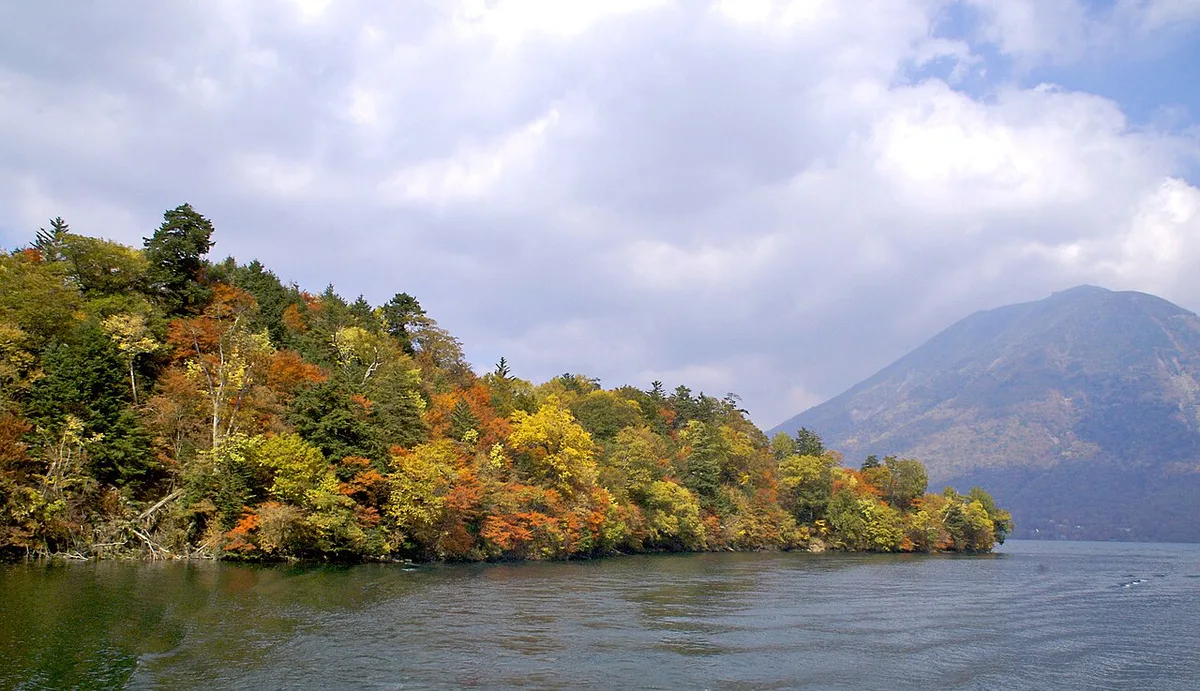
These three routes sit at higher elevation, so their leaves turn first and reward an early-season visit. Expect crisper air, longer travel times, and, for Nikko and Kawaguchiko, schedules built around limited bus departures.
Catching the 6 a.m. bus at Nikko beats crowds, but rural schedules mean the last return departs before 6 p.m. in November—a full-day time squeeze that demands advance planning.
- Nikko (Tochigi): Tobu Railway limited express trains run from Asakusa, about 2 hours each way for roughly ¥6,100 round trip. Kegon Falls draws heavy crowds, so catch the 6 a.m. bus from Nikko Station for a quiet view on weekends. Arriving before 9 a.m. also means starting at Lake Chuzenji instead of fighting Toshogu Shrine's midday crowds. Lake Chuzenji peaks earliest, typically mid-October. The temple district around Toshogu Shrine colors up later, by early November. For a full breakdown of both windows, the Nikko Fall Foliage When To See: 10 Essential Tips & Spots has the week-by-week detail.
- Karuizawa (Nagano): The Hokuriku Shinkansen covers the trip in about 1 hour, for roughly ¥11,000 round trip. Kumoba Pond, a short walk from the station, is the easiest photo stop, with maples and reflections peaking mid-October to early November. Rent a bike to reach Karuizawa Prince Shopping Plaza and Church Street's bakeries in the same afternoon. This is the pick for travelers who want mountain scenery paired with genuine shopping and dining options, not just a trailhead.
- Mount Fuji and Kawaguchiko (Yamanashi): Highway buses from Shinjuku or Shibuya take about 2 hours and run roughly ¥4,400 round trip. Fuji hides behind cloud cover often enough that a single afternoon is not guaranteed to include a clear view. The convenience store near Kawaguchiko Station has its own view of Fuji over the rooftops, a common stop even for travelers short on time. Staying one night improves the odds substantially, but a day trip still works if you build in slack around Chureito Pagoda and Lake Kawaguchiko rather than chasing a strict itinerary. Peak color around the lake runs early to mid-November.
Tier 2: Coastal Temples and Gardens for Late Color
Coastal temples and gardens sit at sea level, so they hold color longest into December. All three routes here run on frequent direct trains, no rural bus schedule to plan around.
- Kamakura: JR trains from Tokyo Station take about 1 hour to Kamakura. Standard round-trip fare runs ¥1,900, or the Enoshima-Kamakura Freepass costs ¥1,640 and bundles the ride with unlimited local Enoden trains. Meigetsuin Temple frames its garden through a round window, while Hasedera Temple pairs red maples with its pagoda. Hasedera sometimes extends hours for a night illumination during peak color, so check current dates before planning an evening visit. Peak color runs late November into mid-December, later than the highland routes above. For a temple order that avoids backtracking, the Kamakura Autumn Leaves Guide: 10 Best Spots & Tips lays out a route.
- Enoshima: Odakyu Line trains reach Katase-Enoshima in about 1 hour for roughly ¥1,300 round trip. The Iwaya Caves at the island's western cliffs charge ¥500 entry and reward visitors with tidal echoes through the tunnels. By sunset, the island's western side looks out over Sagami Bay, with Mount Fuji visible on clear days. Enoshima pairs naturally with Kamakura on the same Freepass, so one ticket covers both stops. Expect the same late-November-to-mid-December window as Kamakura, since both sit near sea level.
- Yokohama: JR Tokaido or Keihin-Tohoku trains take about 30 minutes from Tokyo Station, for roughly ¥980 round trip, the shortest ride on this list. Sankeien Garden gathers historical buildings from Kyoto and Kamakura around ponds lined with maple and ginkgo, peaking early to mid-December. Its golden ginkgo canopy plays a similar role to the Meiji Jingu Gaien Ginkgo Avenue: 2026 Peak Season & Festival Guide back in central Tokyo, just later in the season and with fewer crowds. Visit in the morning, since the garden draws steadier crowds by early afternoon on weekends. Minato Mirai's harbor promenade and Chinatown make an easy add-on before the train back.
Tier 3: Local Hiking Escapes Inside Greater Tokyo
Local hiking escapes stay inside the greater Tokyo area, so trains run more often and cost less than the routes above. Crowds still build fast on weekends, especially on the most famous trail here.
- Mount Takao: The Keio Line reaches the base in about 1 hour from Shinjuku, for roughly ¥1,000 round trip. A cable car climbs about 1,000 meters (3,280 feet) from Kiyotaki Station in around 6 minutes, cutting most of the climb for anyone short on time. Trail 6 follows a stream past small waterfalls for a quieter route than the main paved path. Tororo soba, buckwheat noodles topped with grated mountain yam, is the trail's signature dish at food stalls near the base. Color peaks mid-November into early December, later than the highland routes covered above. For trail-by-trail detail, the Best Time To Climb Mount Takao Travel Guide guide breaks down each option.
- Okutama and Mitake: Trains run from central Tokyo on the JR Chuo and Ome Lines to Okutama Station, where a 4-kilometer (2.5-mile) trail follows Hatonosu Valley. A suspension bridge partway along gives an elevated view over the gorge, with far fewer visitors than Mount Takao draws on a weekend. Mitake Gorge, further along the same Tama River in western Tokyo, offers a gentler riverside walk for anyone who wants color without a climb. Color at both spots peaks mid-to-late November, overlapping Takao's own window. Anyone who found Takao's summit crowded should treat this pair as the direct swap.
- Chichibu (Saitama): Local Seibu Line trains reach Seibu-Chichibu Station in about 2 hours, for roughly ¥1,600 round trip. A reserved-seat Laview limited express covers the same route in about 80 minutes for ¥3,400. Hodosan Shrine sits inside a forest of turning maples, with a ropeway to the mountaintop for anyone who wants the view without a full hike. Nagatoro's river boats add a lower-effort way to see the same colors from the water. Peak color arrives around mid-November, matching Mount Takao's window.
Family Picks and Seasonal Events for Autumn 2026
Showa Kinen Park in Tachikawa stays inside Tokyo's city limits but feels like a countryside escape, with a ginkgo avenue and maple groves that the park's official site lists among its autumn highlights. Moominvalley Park in Hanno, Saitama, suits travelers with young children better than any hiking trail on this list. Its grounds include a Moomin-themed house and a theater program, landscaped for a slow half-day rather than a steep climb. Ibaraki's Prefectural Museum of History pairs a ginkgo-lined approach with nearby Fukuroda Falls, an elevator-accessible waterfall viewing that peaks in early-to-mid November. For pop-culture itineraries, 2026 events include a citywide Pokémon program with more than 100 Pokémon placed across Tokyo and a Dark Arts-themed Halloween run at the Harry Potter Studio Tour. Check the Tokyo events calendar for exact 2026 dates before booking around either one.
Mistakes to Avoid: Last Buses, Layers, and Booking Windows
Nikko and Kawaguchiko both run on rural bus schedules, with the last return departure earlier than visitors expect, sometimes before 6 p.m. in November. Missing it means an expensive taxi or an unplanned overnight, so confirm the last bus time before leaving Tokyo, not after arriving. Temperature swings compound the timing risk. Tokyo itself runs a mild 16°C (61°F) afternoon high in late November. Karuizawa and Nikko's highlands can sit closer to 8°C (46°F) at the same hour, dropping toward 2°C (36°F) after sunset. Pack a layer that works from a warm train carriage to a windy ropeway platform. Limited express seats on the Romancecar to Hakone and the Laview to Chichibu sell out weeks ahead on autumn weekends, so reserve those specific seats as soon as dates are fixed.
Choosing the Right Autumn Day Trip
Match the trip to the traveler, not the ranking. Nature-focused travelers who don't mind a rural bus schedule should start with Nikko or Karuizawa. Photographers chasing the best single frame do best at Kamakura's round window at Meigetsuin or Yokohama's Sankeien reflections. History-minded travelers get more from Kamakura's temples than from a mountain trailhead. When the koyo window closes, the season doesn't end travel options. The Tokyo in November 2026: Weather, Foliage, and Festival Guide guide covers the tail end of the color season. Its companion Winter Day Trips From Tokyo Travel Guide guide picks up once the leaves are down. For color still inside the city limits, several municipal gardens post their own seasonal updates. Teien gardens tracked by the Tokyo Metropolitan Park Association are one place to check conditions. Its best in-city foliage spots guide rounds up which ones peak first before venturing further out. Travelers planning around Japan's other color season should also check the Cherry Blossom Day Trips From Tokyo Travel Guide guide, which runs the same logistics playbook for spring.
Hakone: Foliage, Hot Springs, and the Classic Sightseeing Loop
Hakone is the best choice when you want autumn color with hot springs and a structured day out. Take the Odakyu Romancecar from Shinjuku to Hakone-Yumoto, then use the Hakone Freepass for the local transport network. The pass is especially useful when you complete more than one leg of the sightseeing loop.
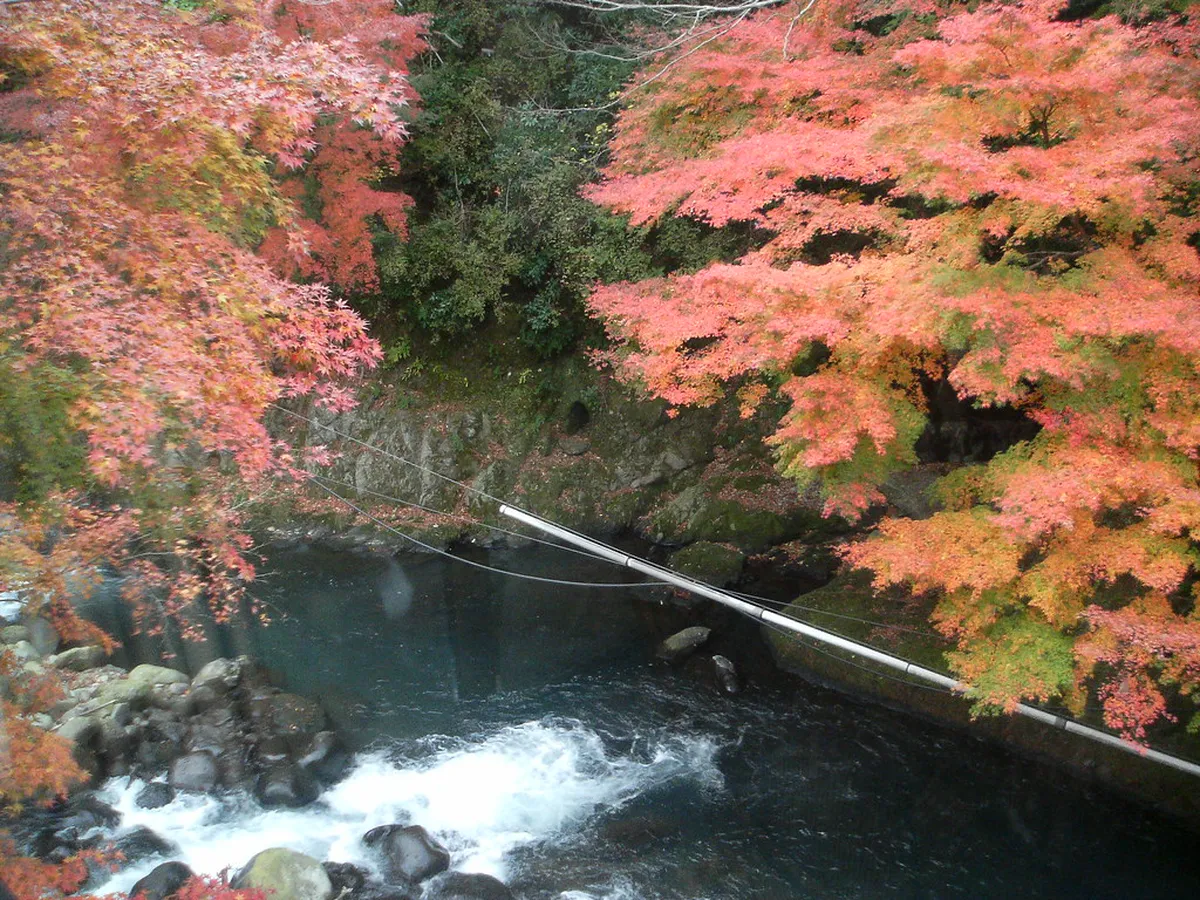
Foliage usually develops from early to mid-November, although higher areas color first. Start early, because the cable car and ropeway queues grow quickly on clear autumn weekends. A practical route links several landscapes without retracing your steps.
- Ride the Hakone Tozan Railway from Hakone-Yumoto toward Gora for wooded valley views.
- Continue by cable car and ropeway over Owakudani, where volcanic steam rises beside the mountain slopes.
- Cross Lake Ashi on the sightseeing boat, then visit Hakone Shrine’s lakeside torii before returning.
On clear days, Lake Ashi can also provide Mount Fuji views. Check ropeway operating notices before departure, as volcanic conditions can affect service.
Frequently Asked Questions
When is peak koyo season for day trips from Tokyo in 2026?
Highland spots turn first. Karuizawa and Lake Chuzenji in Nikko typically peak mid-October to early November. Lower elevations follow next. Mount Takao and Chichibu usually peak mid-November. Kamakura, Enoshima, and Yokohama peak latest, from late November into mid-December.
Is the JR Tokyo Wide Pass worth it for a fall day trip?
It only pays off across multiple trips. The pass covers three consecutive days of unlimited JR rides across the wider Kanto region. A single Nikko round trip costs about ¥6,100 on its own, so buying point-to-point tickets is usually cheaper for one outing.
Which autumn day trips from Tokyo need a tour instead of DIY?
Nikko and the Kawaguchiko area both run on limited rural bus schedules, so a tour or rental car removes the risk of a missed connection. Kamakura and Enoshima run on frequent direct trains. Yokohama and Mount Takao do too, so all four work well as self-guided trips.
What is the closest autumn day trip from Tokyo?
Yokohama is the shortest ride, about 30 minutes and roughly ¥980 round trip on JR Tokaido or Keihin-Tohoku trains. Sankeien Garden there peaks later than the mountain routes, typically early to mid-December.
How much colder is it in the mountains than in central Tokyo during autumn?
The gap is real enough to plan around. Tokyo afternoons in late November often sit near 16°C (61°F). Karuizawa and Nikko's highlands can be closer to 8°C (46°F) at the same hour. Pack a layer that works from a warm train car to a windy mountain platform.
Free: The Tokyo Essentials guide
Top things to do, where to stay, a perfect day plan, getting around, and the best time to go — a Tokyo mini-guide you can take offline.
You might also like


Continue reading
More guides you'll find useful