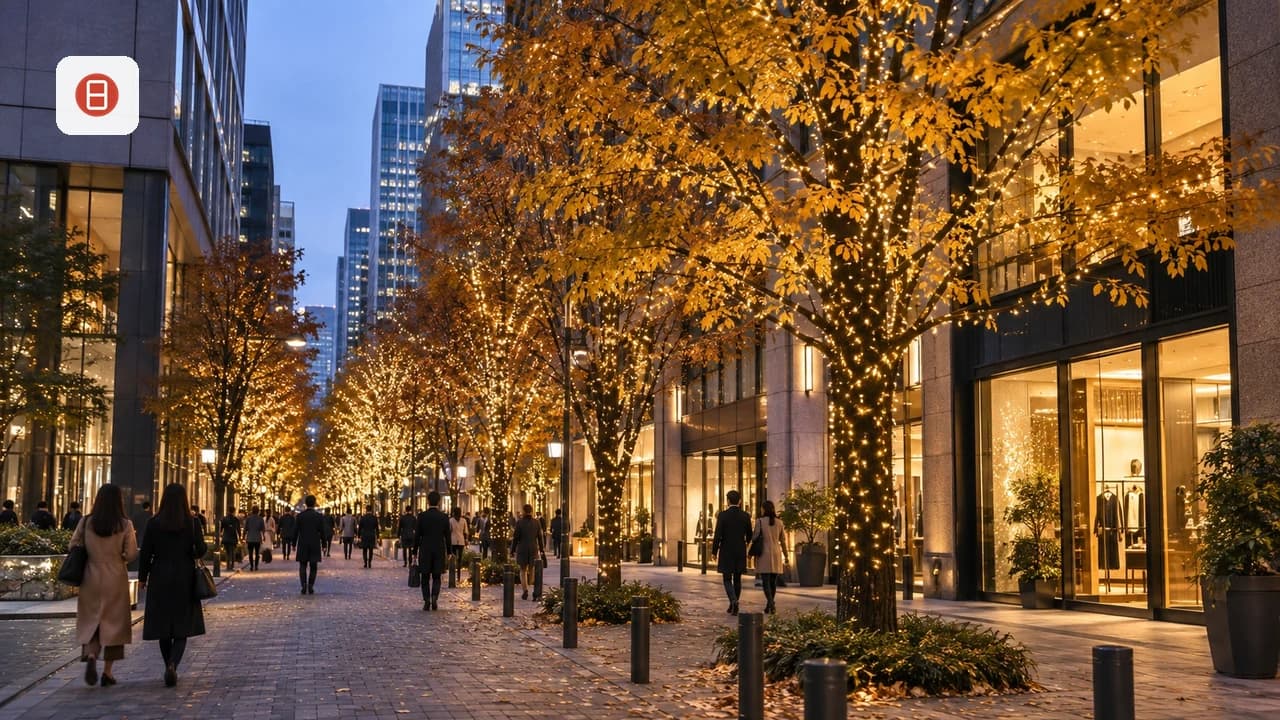
Tokyo Autumn Leaves 2026: Best Spots by Neighborhood
Tokyo autumn leaves peak from mid-November to early December 2026. Compare Rikugien, Meiji Jingu Gaien, Mount Takao, and quieter spots by cost and access.
On this page
Last updated September 2026, Tokyo autumn leaves season stretches from late October in the mountains to early December in the city center. This guide ranks the gardens, avenues, and day-trip trails by crowd level, photography value, and access. Central gardens and outlying peaks color at different times, so the right stop depends on when you land.
When Tokyo's Autumn Leaves Peak in 2026
Central Tokyo gardens usually peak from mid-November through early December. Mountain areas near Okutama and Mount Takao turn two to three weeks earlier, starting in late October. GO TOKYO's official autumn leaves guide lists mid-November through early December as the typical window for the city's parks and gardens. Japan Meteorological Corporation's first 2026 forecast points to yellow ginkgo around November 26 and red maple around November 29 in central Tokyo. Yellow ginkgo tends to color slightly before red maple within that window, so gardens heavy on ginkgo trees often peak first. Daytime highs in late October still run about 20°C (68°F), dropping toward 12°C (54°F) by late November. Weekday mornings are calmer than weekend afternoons at nearly every spot in this guide, echoing general seasonal advice from Go Tokyo's own autumn tips. For a full month-by-month overview, see the Tokyo autumn overview. Travelers arriving before the mid-November rush can check October week-by-week notes for early color at elevation. Those visiting during the busiest stretch should read the November peak-week breakdown for day-by-day timing. For a broader seasonal comparison across the year, see the citywide seasonal comparison.
Mountain areas peak two to three weeks earlier than central Tokyo; since elevation runs several degrees cooler, pack an extra warm layer for Takao or Okutama.
- Central Tokyo gardens (Rikugien, Shinjuku Gyoen, Meiji Jingu Gaien): mid-November to early December
- Mountain areas (Mount Takao, Lake Okutama): mid-October to mid-November
- 2026 forecast (Japan Meteorological Corporation): yellow ginkgo around November 26, red maple around November 29
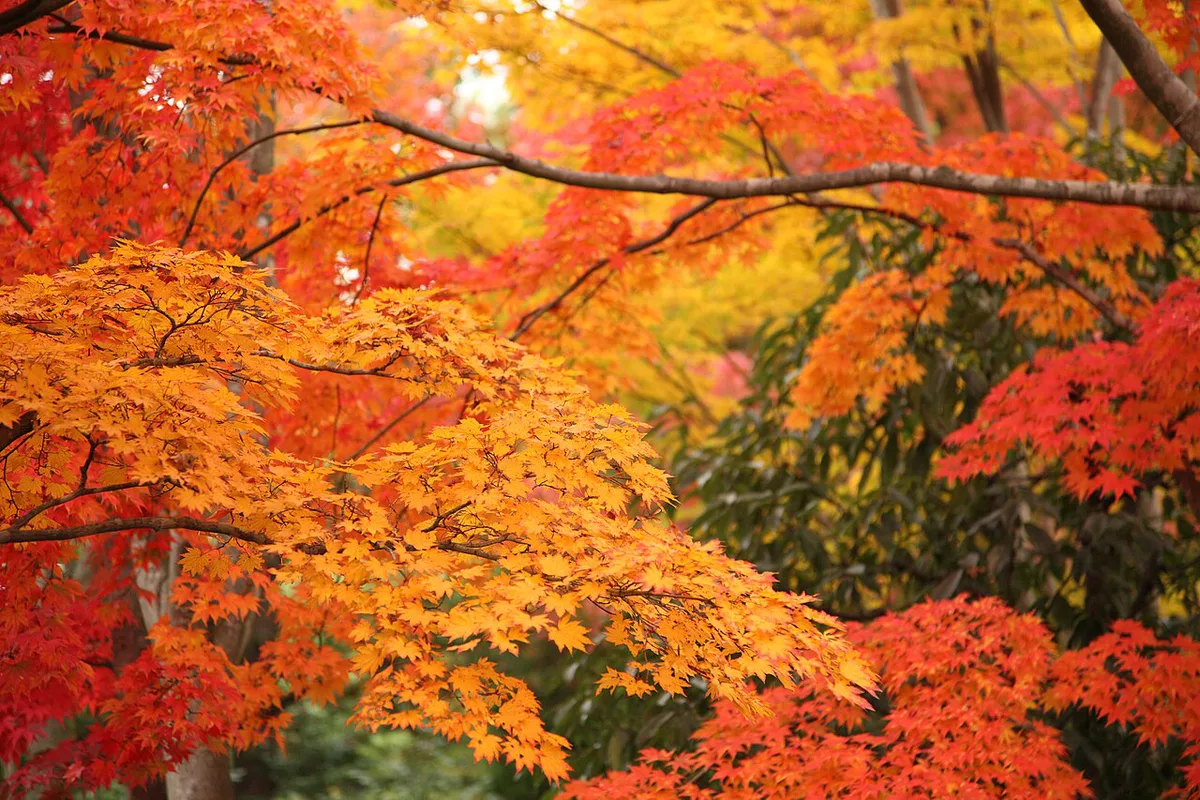
Season Comparison: Early, Peak, and Late Koyo
Three broad windows define koyo season across the Tokyo area, each with a different crowd and cost profile. Booking early or late in the season, rather than during the mid-November peak, is a simple way to trade some color intensity for shorter lines and easier transport. This side-by-side comparison also flags where one price choice, like the Rikugien illumination ticket, saves money if you book ahead.
| Period | Foliage Stage | Typical Daytime High | Crowd Level | Booking Tip |
|---|---|---|---|---|
| Early (mid-to-late October) | Mountain color starting; city trees still green | 18-21°C (64-70°F) | Low | Good window for Okutama and Takao before city crowds arrive |
| Peak (mid-November to early December) | Ginkgo gold and maple red across most of the city | 10-15°C (50-59°F) | High, especially weekends | Book Rikugien's evening ticket online (¥1,000) instead of at the gate (¥1,200) |
| Late (mid-to-late December) | Colors fading in gardens; evergreens still scenic | 6-10°C (43-50°F) | Low | Best for budget travel and short-notice trips |
Central Tokyo's Signature Gardens and Avenues
Rikugien, Koishikawa Korakuen, and Hama-rikyu all belong to the Tokyo teien garden network, which sets shared seasonal hours across the group. Meiji Jingu Gaien's ginkgo avenue sits under separate management, detailed on the Meiji Jingu official site. Weekday mornings noticeably thin the queues at Meiji Jingu Gaien, the busiest ginkgo spot in this guide. Pair any of these stops with the wider citywide attractions list for nearby museums and neighborhoods.
- Meiji Jingu Gaien: a 300-meter ginkgo avenue near Aoyama-Itchome Station, gold from mid-November to early December. See the ginkgo avenue deep dive for photo timing and evening illumination hours.
- Shinjuku Gyoen National Garden: entry costs ¥500, and it's a ten-minute walk from Shinjuku Station. Alcohol, smoking, and musical instruments are not allowed inside.
- Rikugien Garden: an Edo-period strolling garden near Komagome Station Exit 7, with about 560 maple and ginkgo trees. Evening illuminations have historically run 6:00 PM to 8:30 PM in late November and early December.
- Koishikawa Korakuen Garden: one of Tokyo's two major Edo-period gardens, pairing maple color with a Chinese-style landscape near Iidabashi Station.
- Ueno Park: maple and ginkgo color mixed with museums, a zoo, and temple grounds a short walk from Ueno Station.
- Hama-rikyu Gardens: a tidal pond framed by skyscrapers and Tokyo Bay, near Shiodome Station, pairing autumn color with a modern skyline.
Quieter Neighborhood Spots Away From the Crowds
A few Tokyo neighborhoods offer koyo color without the tour-bus crowds of the central gardens.
- Todoroki Valley: Tokyo's only natural ravine, in Setagaya, with ginkgo leaves covering the paths around Todoroki Fudoson Temple. Color typically arrives later than the central gardens, often into mid-December.
- Mizumoto Park: a metasequoia forest lines the water in Katsushika Ward. Reach it from Kanamachi Station on the JR Joban Line, then walk about 20 minutes or take a local bus.
- Otaguro Park: a former private estate turned public garden near Ogikubo Station's south exit, with a row of ginkgo trees believed to be over 100 years old. Its colors are illuminated in the evening, reflected across the pond's surface.
Autumn Day Trips from Tokyo
Several day trips extend koyo season by weeks in either direction. For a coastal alternative south of the city, the Kamakura temple grounds guide covers a different pace than the mountain routes below. Additional routes and transport notes are in the regional day-trip notes. If you're also planning a spring visit, the spring day-trip counterpart covers similar routes under cherry blossoms instead of maple leaves.
- Mount Takao: about an hour from Shinjuku via the Keio Line to Takaosanguchi Station, with color running mid-November to early December. See the Mount Takao trail timing guide for trail options by difficulty.
- Lake Okutama: roughly two hours from central Tokyo via the JR Ome Line, with foliage peaking earlier, from mid-October to mid-November.
- Mitake Gorge: a 4-kilometer riverside promenade from JR Mitake Station, with maple color typically running mid-to-late November.
- Nikko: a UNESCO World Heritage site about two hours from Tokyo Station. Color starts in early October at elevation and reaches the town center by late October or early November. Lodging near Nikko tends to book up and cost more during peak koyo weekends, so a day trip avoids that squeeze. See the Nikko color timing guide for shrine access and lodging notes.
- Sayama Hills: the wooded setting behind the animated Totoro forest, northwest of the city, with a quieter pace than the mountain routes above.
Which Spot Fits Your Trip
Matching a spot to your priorities saves time when the season window is short.
- Photography: Meiji Jingu Gaien's ginkgo avenue, best in early morning light before crowds build.
- Night atmosphere: Rikugien's evening illuminations, reflected across the garden's central pond.
- Picnics and families: Shinjuku Gyoen's open lawns, or Yoyogi Park near Harajuku and Shibuya.
- Hiking: Mount Takao's graded trails, suitable for most fitness levels.
- Fewer crowds: Todoroki Valley or Mizumoto Park, both light on tour groups even on weekends.
- Budget-conscious visits: Shinjuku Gyoen and the Jindai Botanical Gardens, both ¥500 to enter, cost less than Rikugien's evening ticket.
Getting Around: Trains, Buses, and Passes
A Suica or Pasmo IC card covers trains, subways, and most buses to every spot in this guide. Komagome Station's Exit 7 on the JR Yamanote Line puts you closest to Rikugien, about a seven-minute walk. Sengoku Station on the Toei Mita Line offers a ten-minute-walk backup route to the same garden. Reaching Jindai-ji and its botanical gardens means taking the Keio Line to Chofu Station, then bus #34, #56, or #66. Mizumoto Park needs a similar combination: the JR Joban Line to Kanamachi Station, then a 20-minute walk or local bus. Japan Rail Passes cover the JR Ome Line toward Okutama and Mitake, but not the private Keio Line to Mount Takao or the Tobu Line to Nikko. Check the seasonal events calendar for festival dates that overlap with illumination season.
Entrance Fees and Advance Booking
Most central gardens charge a modest entrance fee, while evening illuminations need a separate ticket. Advance online tickets typically move faster through the gate than same-day purchases during peak illumination nights. Showa Kinen Park's official site lists current hours and seasonal illumination dates for its canal-side ginkgo avenue.
- Shinjuku Gyoen: ¥500 per adult
- Jindai Botanical Gardens near Jindai-ji: ¥500 per adult
- Rikugien evening illumination: historically about ¥1,000 booked online, or ¥1,200 at the gate
- Showa Kinen Park: ¥450 per adult, for a park roughly the scale of 40 Tokyo Domes
What to Pack for Koyo Season
Layer for daytime highs near 15°C (59°F) in mid-November, dropping fast once the sun sets. Evening temperatures can drop near 5°C (41°F) once illuminations start in late November, so bring a warm layer for garden walks after dark. Mountain trails like Takao and Okutama run several degrees cooler than central gardens on the same date, so pack an extra layer for elevation.
- A warm layer for evenings, since temperatures can fall to 5°C (41°F) once illuminations begin
- Comfortable, closed-toe shoes for uneven paths at Todoroki Valley or trail sections on Mount Takao
- A light rain layer, since fall weather in Tokyo shifts quickly between clear and showery days
Common Mistakes to Avoid During Koyo Season
A few planning slips repeat every koyo season. If leaves finish before your trip dates, the cold-season day-trip ideas guide covers alternatives instead. Spring brings a similar crowd pattern around the cherry blossom season, so the same weekday strategy applies then too.
- Arriving after illumination hours end: Rikugien's evening viewing has historically closed at 8:30 PM, so plan to enter well before then.
- Ignoring updated forecasts: peak dates shift by a week or more year to year, so recheck timing close to your trip rather than relying on last year's dates.
- Skipping weekday visits: weekends and national holidays bring the heaviest crowds to Meiji Jingu Gaien and Shinjuku Gyoen, so weekday mornings are calmer.
- Underestimating travel time: Okutama and Nikko both take about two hours each way, which can eat a full day if you also want time in central Tokyo.
Showa Kinen Park: A Large-Scale Ginkgo Escape
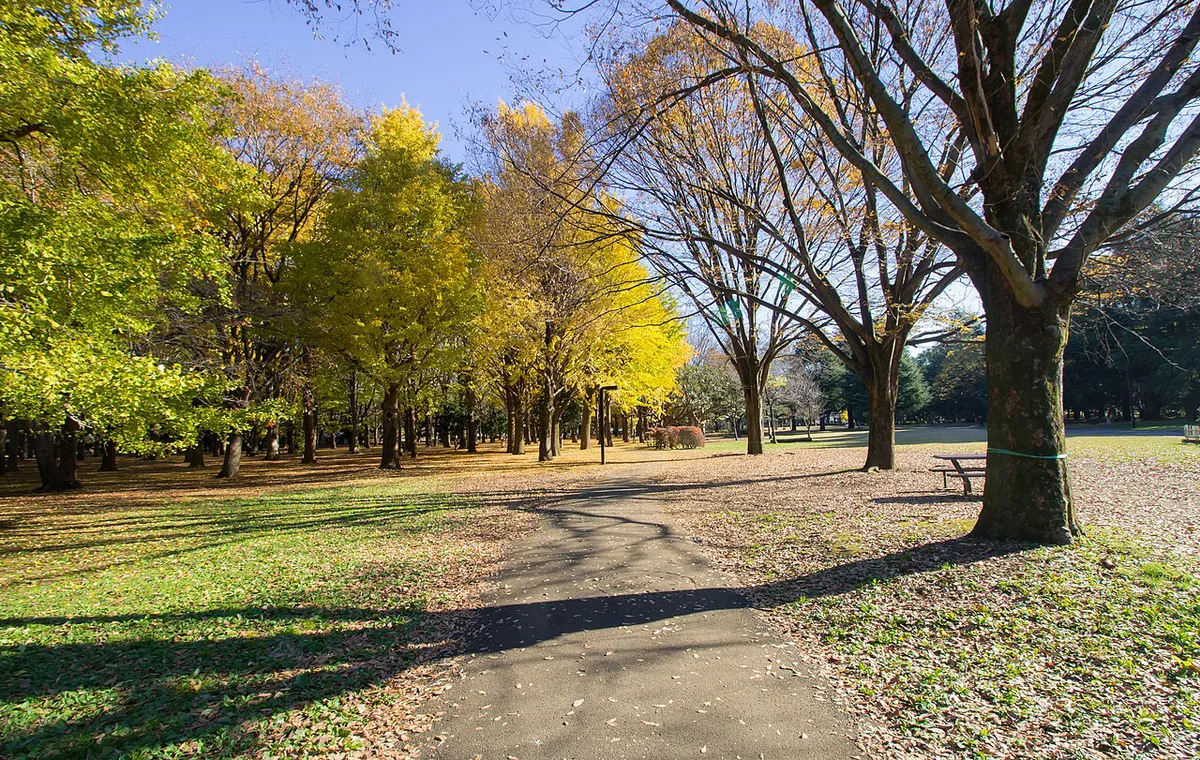
Showa Kinen Park is a useful alternative when central Tokyo’s gardens feel too crowded. Its wide paths and open lawns make it easier to spend several hours outdoors. The park is especially known for its canal-side ginkgo avenue, where tall yellow trees form a bright corridor in late autumn.
Use the Nishi-Tachikawa Gate for the shortest approach from JR Nishi-Tachikawa Station. The entrance is only a few minutes from the station. The Tachikawa Gate is another practical option if you are arriving from the JR Tachikawa Station area.
- Best for: long walks, family visits, and wide-angle foliage photos
- Typical timing: ginkgo color usually develops from mid-November into early December
- Adult entry: ¥450, with separate seasonal event details published by the park
Arrive near opening time on weekends for quieter paths. The park covers a huge area, so wear comfortable shoes and allow extra time if you want to combine the ginkgo avenue with its Japanese garden and other wooded sections.
Frequently Asked Questions
When do Tokyo's autumn leaves peak in 2026?
Central Tokyo's gardens are expected to peak from mid-November through early December in 2026. Mountain areas near Okutama and Mount Takao turn about two to three weeks earlier, from mid-October into November. Japan Meteorological Corporation's first 2026 forecast points to yellow ginkgo around November 26 and red maple around November 29 in the city center.
Do you need advance tickets for Rikugien's illumination?
A separate nighttime ticket has historically been required during Rikugien's illumination dates, priced around ¥1,000 booked online or ¥1,200 at the gate. Buying ahead online also helps you skip the entry queue on crowded evenings.
What is the closest major koyo spot to central Tokyo?
Meiji Jingu Gaien's ginkgo avenue and Shinjuku Gyoen National Garden both sit within a short walk of Aoyama-Itchome and Shinjuku stations. Shinjuku Gyoen's entrance fee is ¥500, and both spots are easy to reach without a day-trip transfer.
How many days should you plan for a Tokyo koyo trip?
Two to three days covers the main central gardens along with one day trip, such as Mount Takao or Nikko. Add an extra day if you also want Todoroki Valley or Mizumoto Park away from the main routes.
Which spots require advance booking?
Rikugien's evening illumination is the main ticketed event, priced around ¥1,000 online versus ¥1,200 at the gate. Daytime entry to gardens like Shinjuku Gyoen and the Jindai Botanical Gardens is pay-on-arrival, at ¥500 each, with no advance booking needed.
What if you only have one day in Tokyo during koyo season?
A single day works best with one central garden and one nearby stop, such as Meiji Jingu Gaien in the morning and Shinjuku Gyoen in the afternoon. Skip the day trips entirely if your schedule is that tight, since Okutama and Nikko both need at least half a day of transit alone.
Roughly how much should you budget for entrance fees?
Garden entry alone runs ¥450 to ¥500 per stop at spots like Showa Kinen Park, Shinjuku Gyoen, and the Jindai Botanical Gardens. Rikugien's evening illumination adds roughly ¥1,000 to ¥1,200 on top of that if you stay for the lights.
Free: The Tokyo Essentials guide
Top things to do, where to stay, a perfect day plan, getting around, and the best time to go — a Tokyo mini-guide you can take offline.
You might also like


Continue reading
More guides you'll find useful