Meiji Jingu Gaien Ginkgo Avenue: 2026 Peak Season & Festival Guide
Plan your 2026 visit to Meiji Jingu Gaien Ginkgo Avenue: peak color timing, festival dates, station access, and photography tips for Icho Namiki.
On this page
Last updated September 2026, this guide covers Meiji Jingu Gaien Ginkgo Avenue, Tokyo's 300-meter Icho Namiki walkway lined with 146 ginkgo trees. Leaves turn from green to gold each mid-November, drawing Koyo (autumn foliage) hunters and photographers chasing the golden-tunnel view. This guide covers peak-color timing, the festival calendar, station access, and how to beat the mid-morning crowds.
Meiji Jingu Gaien Ginkgo Avenue: When to See Peak Color
Meiji Jingu Gaien Ginkgo Avenue sits inside the Meiji Jingu Gaien outer garden in Minato City, close to Aoyama-dori. Icho Namiki holds 146 ginkgo trees spaced roughly 9 meters apart along a 300-meter stretch. Color moves through three stages before the leaves drop, shown below. Peak usually holds for one to two weeks, so a mid-November to early-December trip covers most years' color window. Meiji Jingu Gaien had not posted official 2026 festival dates as of this writing. Check the official Meiji Jingu site in early November for confirmation. For a citywide comparison of when other neighborhoods peak, see the November foliage planning guide. Other citywide options appear in the list of Tokyo's autumn-leaf spots. Full-season planning beyond just ginkgo timing sits in the broader autumn planning guide.
- Green: through most of October, foliage still summer-toned.
- Lime-green transition: typically early November.
- Full gold: mid-to-late November, the peak photography window.
Inside Meiji Jingu Gaien: A Quick History
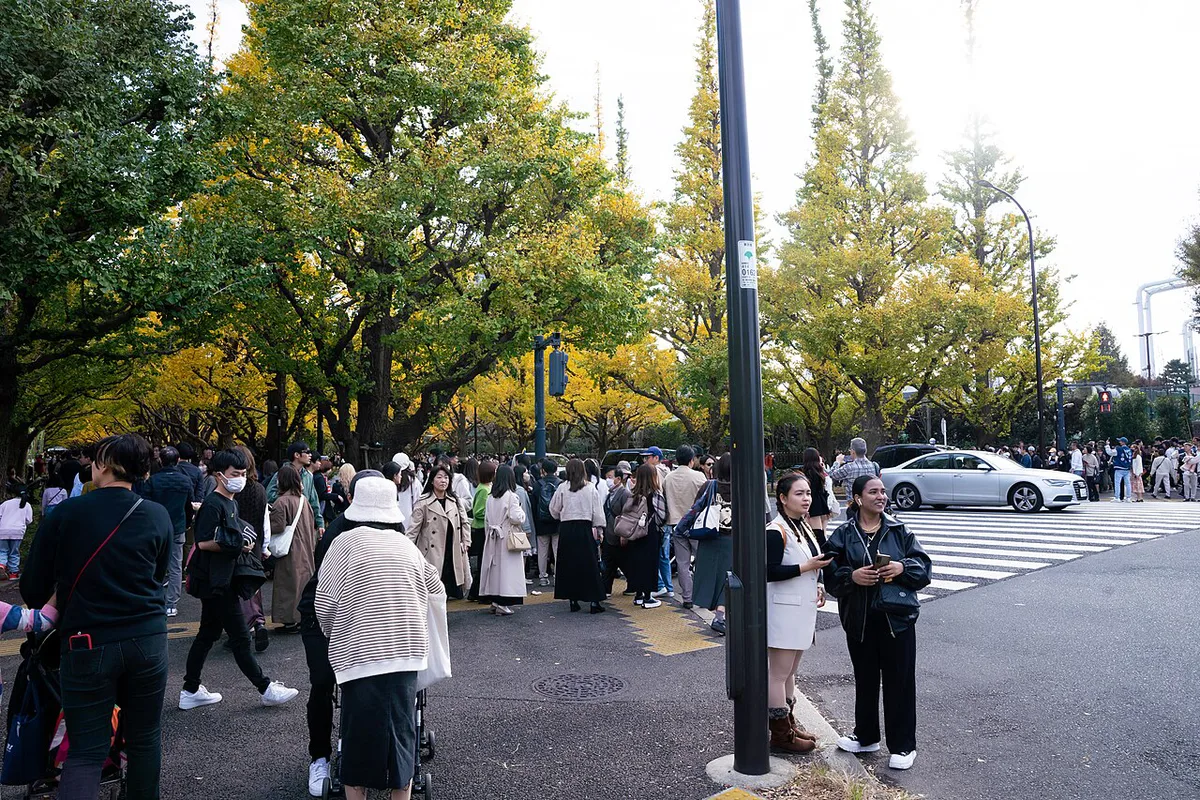
Meiji Jingu Gaien was created by private volunteers to honor Emperor Meiji and Empress Shoken. It was consecrated in 1926 as the outer garden of Meiji Shrine, built in a Western style that contrasts with the shrine's Japanese-style inner grounds. The wider Outer Garden spans roughly 580,000 square meters, or about 140 acres, straddling Shinjuku and Minato wards. Icho Namiki itself sits on the Minato City side, addressed at Kita-Aoyama, close to Aoyama-dori. Beyond the ginkgo trees, the grounds hold the Meiji Memorial Picture Gallery, Meiji Jingu Stadium, and Nikoniko Park, along with smaller facilities like an ice rink and a golf range. Route 246, known locally as Aoyama-dori, runs along part of the ginkgo-lined stretch, which is how the avenue got its boulevard-like feel despite sitting inside a park.
Icho Namiki's Forced-Perspective Design
Landscape architect Yoshinobu Orishimo planned Icho Namiki using forced perspective. He calculated the ground's gentle slope and graduated the trees' height toward the far end. That combination makes the avenue appear to funnel toward a single point. Minato City's tourism association describes the same design principle in its listing for the avenue. Four rows of ginkgos frame the walkway, two along each side, closing overhead into a tunnel shape by peak season. Matching rows on both sides keep the sightline centered no matter which side of the avenue you stand on. At the far end sits the Meiji Memorial Picture Gallery, known in Japanese as Seitoku Kinen Kaigakan, the building the sightline was designed around. Walking from the Aoyama-dori end toward the gallery delivers the framing most photographers are chasing.
Getting to Icho Namiki: Station-by-Station Access
Three stations serve Meiji Jingu Gaien Ginkgo Avenue, each landing you at a different point along the walkway. Aoyama-itchome Station puts you at the classic entrance view. Take Exit 1 for the shortest route. Gaienmae Station drops you closest to the avenue's mid-section. Shinanomachi Station works best when arriving from the Shinjuku side of the city. Every option involves a walk of roughly 5 to 10 minutes to the trees. Japan's national tourism site lists Aoyama-itchome's Exit 1 as the most direct approach from that station. The Aoyama-itchome approach threads past boutique storefronts and cafes before the trees come into view, giving the walk an upscale feel. Arriving via Shinanomachi instead means passing Meiji Jingu Stadium and open sports fields first, a more park-like lead-in. Match the approach to the rest of the day: shopping before or after, or a quieter walk through green space first.
| Station | Line(s) | Best For | Walk Time |
|---|---|---|---|
| Aoyama-itchome (Exit 1) | Hanzomon, Oedo, Ginza | Classic entrance view | 5-10 min |
| Gaienmae | Ginza Line | Mid-avenue access | 5-10 min |
| Shinanomachi | JR Chuo-Sobu Line | Arriving from Shinjuku | 5-10 min |
Jingu Gaien Ginkgo Festival: Dates, Stalls, and Illumination
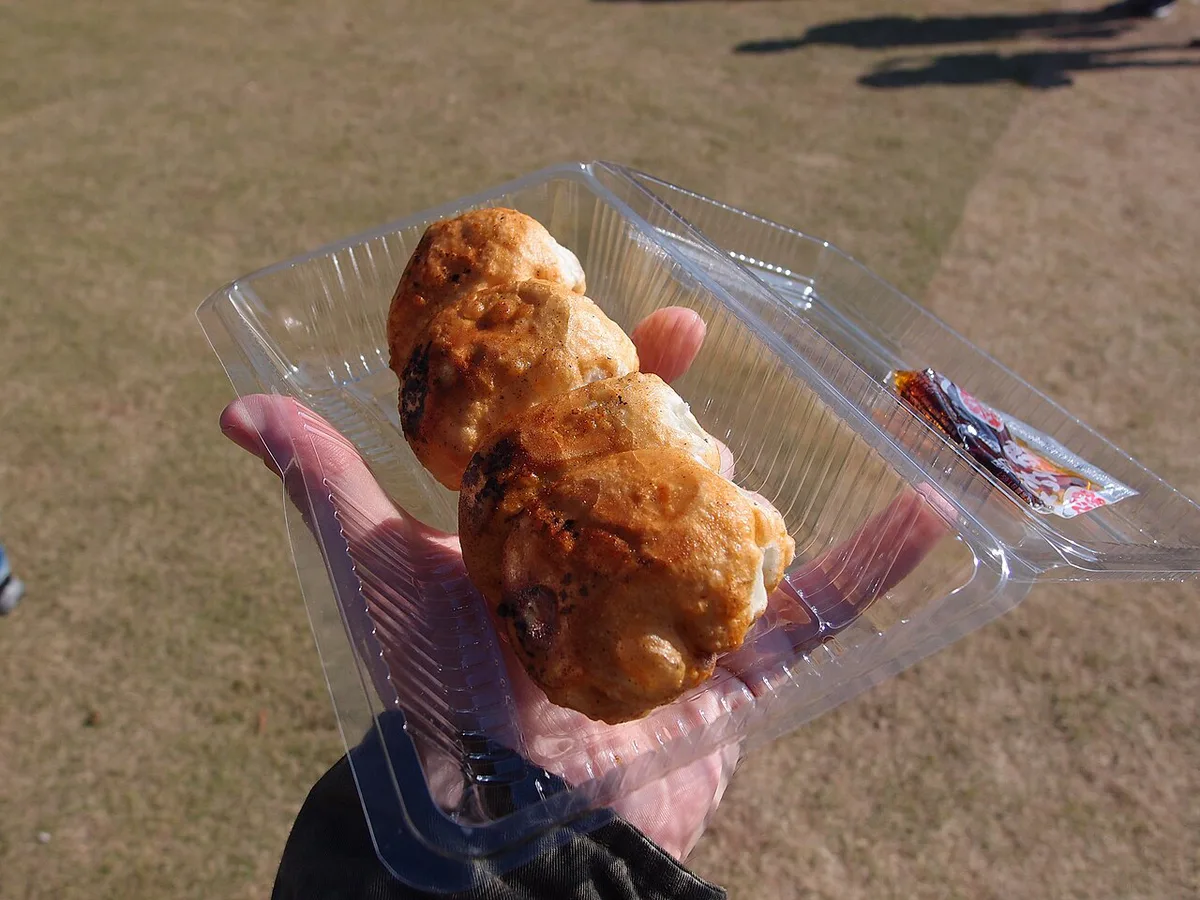
Meiji Jingu Gaien hosts the Jingu Gaien Ginkgo Festival each year, timed to the avenue's peak color. Its most recently published run covered November 15 through December 1. Evening illumination ran from 4:30 PM to 7:30 PM nightly between November 23 and December 1. Around 32 food stalls set up along the avenue, serving regional specialties from across Japan, with tables and chairs provided for visitors. Walking the avenue itself costs nothing. Budget cash only for festival food and drinks. Ginkgo nuts, called ginnan, show up on some stalls' menus and in dishes like chawanmushi at nearby restaurants. Confirm 2026 dates and hours on the Meiji Jingu official site once they're announced, typically in early November. For a broader look at what else is running that week, check Tokyo's seasonal events calendar.
Peak color holds one to two weeks mid-to-late November, while the festival runs the full November 15 through December 1, so plan your visit within that narrower peak.
Nearby Things to Do Around Meiji Jingu Gaien
Royal Garden Cafe sits right along the avenue and has become the best-known spot for viewing the ginkgo tunnel with a drink in hand. Expect long waits for window seating during peak weekends. Arrive well before the lunch rush if a table matters to you. Meiji Jingu Stadium and Nikoniko Park sit inside the wider Outer Garden complex, giving families and baseball fans something to do before or after the avenue walk. Aoyama's shopping streets and cafes start just beyond the garden's edge, so the walk shifts quickly from park paths to boutiques. Travelers building a longer day around the avenue can fold in other stops using the citywide attractions list.
Photography Tips, Crowds, and the Ginnan Smell
Weekdays before 10:00 AM offer the clearest shot at tripod-free photography, before tour groups and lunch crowds arrive. Stand at the Aoyama-dori crossing for the classic angle, looking straight down the avenue toward the Meiji Memorial Picture Gallery. Traffic management closes sections of the road to vehicles during peak festival days, which changes where you can stand for a clean frame. Barriers sometimes route pedestrians onto side paths during the festival's busiest hours, so plan flexible timing rather than a fixed shot list. One week past peak color, fallen leaves carpet the ground, creating a different but equally strong shot: gold underfoot instead of overhead. Fallen ginkgo seeds, called ginnan, produce a strong smell that surprises first-time visitors. Expect it most heavily directly under the trees rather than in the middle of the walkway. Ginkgo seeds are edible once prepared, but the raw scent is the tradeoff for walking under 146 fruiting trees in one place.
Icho Namiki vs. Showa Kinen Park: Which Fits Your Trip
Icho Namiki wins on convenience: three train stations sit within a 10-minute walk, and the avenue sits inside central Tokyo. Showa Kinen Park, detailed on its official site, trades that convenience for scale, with open lawns and more space around its ginkgo plantings. Travelers short on time or without a car generally do better at Icho Namiki. Those chasing open-sky compositions, or already planning stops outside central Tokyo, may prefer Showa Kinen Park instead. Either way, pair the visit with a same-season trip. Nikko's autumn color peaks on a similar calendar. Kamakura's fall foliage runs on the same general timing. Other options beyond those two show up in the roundup of autumn day trips.
| Factor | Icho Namiki (Meiji Jingu Gaien) | Showa Kinen Park |
|---|---|---|
| Location | Central Tokyo (Minato City) | Outside central Tokyo — check official site for directions |
| Scale | 300-meter avenue, 146 trees | Larger park-wide ginkgo plantings |
| Access | 3 train stations, 5-10 min walk | Check official site for current transit details |
| Setting | Urban backdrop near Aoyama | Open parkland setting |
Frequently Asked Questions
When does Meiji Jingu Gaien Ginkgo Avenue reach peak color in 2026?
Peak gold typically arrives mid-to-late November, based on past seasons' timing. Exact 2026 dates depend on weather, so check conditions as the season approaches. Citywide tracking through the season lives in the November color guide.
Which station is best for Meiji Jingu Gaien Ginkgo Avenue?
Aoyama-itchome Station's Exit 1 gives the classic entrance view and works for most first-time visitors. Gaienmae Station lands you closer to the avenue's mid-section if that's your target shot. Shinanomachi Station suits travelers arriving from the Shinjuku side of the city. All three involve a walk of roughly 5 to 10 minutes to the trees.
Is the Jingu Gaien Ginkgo Festival free to attend?
Walking the avenue and viewing the festival itself costs nothing. Budget separately for food, since roughly 32 stalls sell regional specialties during the event's run. Evening illumination, usually 4:30 PM to 7:30 PM on select nights, is also free to view.
What else is there to do near Meiji Jingu Gaien besides the ginkgo trees?
Royal Garden Cafe sits along the avenue for a sit-down view, though expect a wait on weekends. Meiji Jingu Stadium and Nikoniko Park sit inside the wider Outer Garden for sports fans and families. Aoyama's shopping streets and cafes start just beyond the garden's edge. A fuller list of stops for the day sits in the citywide attractions list.
How does Icho Namiki compare to Showa Kinen Park's ginkgo avenue?
Icho Namiki sits inside central Tokyo with three train stations nearby, making it the faster option. Showa Kinen Park, detailed on its official site, trades that convenience for open, park-wide plantings and fewer surrounding buildings. Pick Icho Namiki for a short city visit, and Showa Kinen Park for a slower day trip.
Should you visit in October instead of November for fewer crowds?
October foliage at the avenue is still green, so it is not worth an early trip for color alone. General Tokyo trip timing, independent of the ginkgo calendar, is covered in the overall Tokyo trip-timing guide. If your dates are fixed for October, the October Tokyo highlights cover what else is worth doing that month.
What should travelers plan around the same trip as the ginkgo avenue?
Cherry blossom season and ginkgo season bookend Tokyo's most photographed months. Spring visitors can check the spring cherry blossom timing for dates months apart from autumn. Hikers chasing color outside the city sometimes add a Mount Takao autumn hike. Once ginkgo season ends, attention shifts to the cold-season day-trip options.
How long does it take to walk the length of the avenue?
Walking the full 300-meter stretch takes only a few minutes at a normal pace. Photo stops usually stretch a visit well beyond that, especially near the crowded Aoyama-dori end. Visiting during the festival, with stalls and illumination, fills an hour or more without trouble.
Is the smell near the ginkgo trees really that bad?
Fallen ginkgo seeds do produce a noticeably strong, sour smell once they start dropping. It concentrates directly beneath the trees rather than across the whole avenue. Staying to the center of the path, away from fallen seeds, usually avoids the worst of it.
Free: The Tokyo Essentials guide
Top things to do, where to stay, a perfect day plan, getting around, and the best time to go — a Tokyo mini-guide you can take offline.
You might also like


Continue reading
More guides you'll find useful