Tokyo in Autumn 2026: Best Spots, Timing & Itineraries
Plan Tokyo in autumn 2026 with peak foliage timing, crowd-avoidance tips for Shinjuku Gyoen and Rikugien, walking routes, and day trips to Mt. Takao and Nikko.
On this page
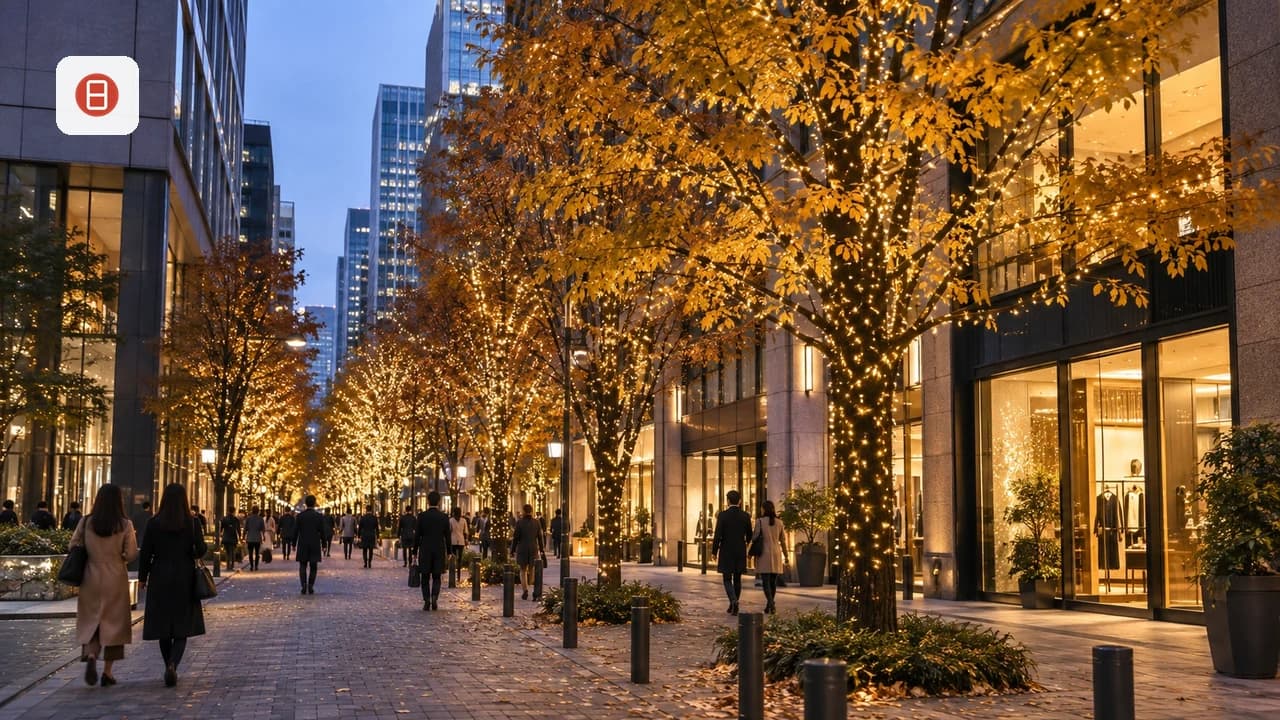
Last updated September 2026, this guide covers exactly when to chase Tokyo in autumn and how to dodge its crowds. Koyo season runs roughly four weeks from mid-November into early December, far longer than cherry blossom week each spring. Ginkgo at Meiji Jingu Gaien usually turns gold before maples at Rikugien flush red, and that gap decides peak color versus bare branches.
Why Tokyo in Autumn Beats the Crowds of Spring
Autumn in Tokyo lasts three full months, but the transformation happens in stages. Early September still carries summer humidity, with afternoon highs near 27°C (81°F) and heavy, damp air. By mid-October, humidity breaks and mornings turn crisp, setting up the dry stretch that makes walking tours comfortable. Highs settle near 14°C (57°F) by late November, with morning lows dropping to about 6°C (43°F) at the coldest viewing spots. The Japan National Tourism Organization lists koyo among the country's signature seasonal draws, alongside spring's cherry blossoms. Duration is the bigger advantage over cherry blossom season. Koyo color holds for three to four weeks across the city, versus roughly one week for sakura. Ginkgo and maple peak at different times, and elevation differences extend the window even further. A trip booked six weeks out can still land inside peak color somewhere in the region, even if central Tokyo has already passed its best week. Beyond foliage, the Tokyo attractions guide covers year-round sights worth pairing with an autumn visit.
The 2026 Foliage Forecast: Ginkgo Gold Before Maple Red
Forecasters group Tokyo's koyo season into three windows, and each rewards a different itinerary. Early autumn, from late September through October, is flower season more than leaf season. Showa Kinen Park's cosmos fields peak in this stretch, with adult entry priced at ¥450 according to the Showa Kinen Park official site. Peak autumn arrives mid-November through early December and is the golden window for central Tokyo. Ginkgo trees typically turn first. Icho Namiki at Meiji Jingu Gaien and the ginkgo groves in Showa Kinen Park often peak one to two weeks before the maples at Rikugien and Koishikawa Korakuen catch up. Late autumn, through mid-December, belongs to sheltered spots like Todoroki Valley, where color lingers after central parks have dropped their leaves. Treat the ginkgo-then-maple sequence as a built-in extension. If the ginkgo avenues have already peaked, nearby maple gardens likely still have another week or two left. The comparison table below lines up typical temperatures, foliage status, and price notes for each window. For week-by-week detail, check the Tokyo in October 2026: Weather, Food, and Festival Guide weather guide. The Tokyo in November 2026: Weather, Foliage, and Festival Guide guide covers peak-week specifics in more depth. Once koyo fades by mid-December, the Winter Day Trips From Tokyo Travel Guide guide picks up where autumn itineraries leave off.
| Period | Typical Temps | Foliage Status | Price Notes |
|---|---|---|---|
| Early Autumn (Late Sept-Oct) | 22-27°C (72-81°F) daytime | Green leaves; cosmos and bush clover in bloom | Showa Kinen Park entry ¥450 |
| Peak Autumn (Mid-Nov-Early Dec) | 12-16°C (54-61°F) daytime, near 6°C (43°F) mornings | Ginkgo gold peaks first, maple red follows | Rikugien night ticket ¥1,000 online, ¥1,200 at the gate |
| Late Autumn (Mid-Dec) | 9-12°C (48-54°F) daytime | Todoroki Valley and sheltered maples still colorful | Most illuminations ended; daytime garden entry unchanged at ¥500 |
Top 5 Central Tokyo Spots for Autumn Color
Five spots cover most first-time itineraries; the table below breaks down color, purpose, and one time-saving access tip for each.
| Spot | Primary Color | Best For | Access Tip |
|---|---|---|---|
| Shinjuku Gyoen | Mixed maple and ginkgo | Families and picnics | Enter via Sendagaya Gate to skip the main Shinjuku crowds; entry is ¥500 |
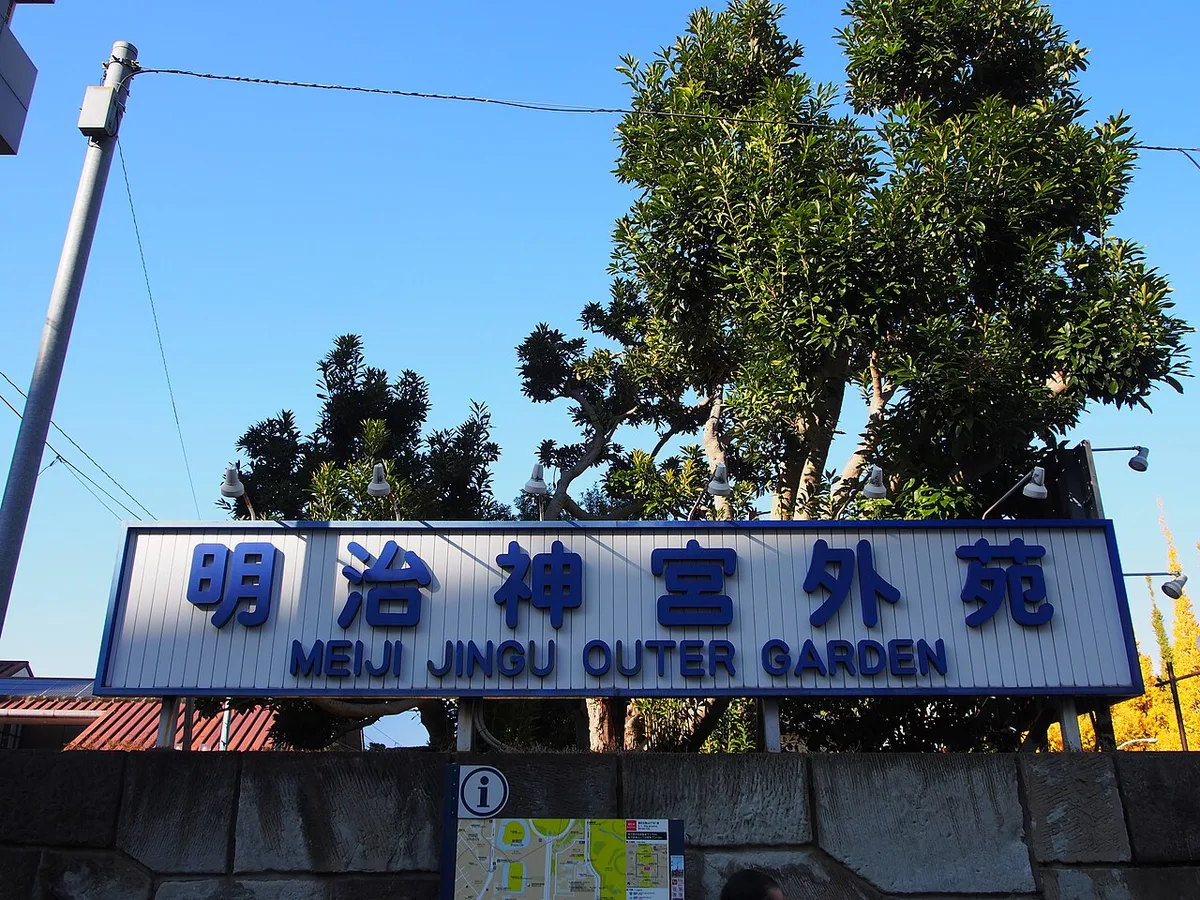
| Meiji Jingu Gaien | Golden ginkgo | Photography | Arrive by 8:00 AM, before the avenue closes to cars for illumination hours |
| Rikugien Gardens | Crimson maple | Night illumination | Book the ¥1,000 online ticket ahead to skip the gate queue |
| Koishikawa Korakuen | Deep red maple | Traditional garden scenery | 10-minute walk from Iidabashi Station |
| Yoyogi Park | Gold and orange | Local, low-key strolls | A few minutes from Harajuku Station; best on weekday mornings |
Crowd-Avoidance Logic: When to Visit Each Spot
Meiji Jingu Gaien draws the heaviest weekend traffic of any spot on this list, and Aoyama-Itchome Station puts visitors right at the entrance. Weekend crowds peak between 11 AM and 3 PM, when the avenue is walkable but photography gets difficult. Arriving by 8:00 AM avoids both the crowds and the period when the road closes to cars for illumination setup. Rikugien and Koishikawa Korakuen are both managed by the Tokyo Metropolitan Park Association's Teien Gardens network, which posts current hours and any illumination schedule changes. Rikugien's daytime garden stays calm most weekdays. Evening illumination pulls a line that can run past an hour without an advance ticket. For shrine-side visiting hours near the ginkgo avenue, check Meiji Jingu's official site directly. For a fuller list of central spots beyond these five, the best autumn leaves in Tokyo roundup adds nine more options. The Meiji Jingu Gaien ginkgo guide covers exact tree counts and photo angles for that avenue specifically.
Book Rikugien's night illumination online for ¥1,000—the gate queue without advance booking can stretch past an hour on weekends.
- Meiji Jingu Gaien: go before 8:00 AM or after 4:00 PM on weekends; avoid 11 AM to 3 PM Saturday and Sunday.
- Rikugien night illumination: go on a weeknight with a ticket booked online; avoid Friday and Saturday evenings without one.
- Shinjuku Gyoen: go right at opening via the Sendagaya Gate; avoid early afternoon on clear weekends, when the main Shinjuku entrance backs up.
Three Walking Itineraries for Tokyo's Autumn Colors
Three self-guided routes link the parks above without much backtracking. Each takes roughly three to four hours end to end, including stops for photos and a coffee break. Public transit covers every stage, so none require a car or private tour.
- Route A, the modern classic: start in Yoyogi Park near Harajuku Station, cross through Meiji Jingu's grounds, then finish at Shinjuku Gyoen via the Sendagaya Gate.
- Route B, the imperial path: begin at Koishikawa Korakuen near Iidabashi Station, pass Yasukuni Shrine's ginkgo trees, then end at the Imperial Palace East Gardens, where sawtooth oak and wax trees join the maples.
- Route C, the hidden valley: walk Todoroki Valley, Tokyo's only natural ravine, past Todoroki Fudoson Temple's ginkgo-lined paths and the Nihon Teien teahouse, from Todoroki Station on the Tokyu Oimachi Line to Futako-Tamagawa Station.
Best Autumn Day Trips Beyond the City
Central Tokyo's parks are convenient, but the mountains and valleys outside the city produce sharper color and more open space. The trade-off is time and cost, and the four main options below sit at different points on that scale. Sayama Hills, known locally as the Totoro Forest, stays far quieter than Mt. Takao on weekends. For a full route breakdown of the easier hike, see the Best Time To Climb Mount Takao Travel Guide guide. Nikko rewards a full overnight stay more than a rushed day trip. The dedicated Nikko Fall Foliage When To See: 10 Essential Tips & Spots covers a slower multi-day itinerary. Kamakura offers a shorter, coastal alternative; the Kamakura Autumn Leaves Guide: 10 Best Spots & Tips covers its temple routes. Many of these regions double as spring destinations too, and the cherry blossom day trips guide covers the same areas during sakura season. For a broader shortlist across all of these, the Autumn Day Trips from Tokyo: 2026 Koyo Season Guide guide ranks them by season.
Mt. Takao's 50 minutes from Shinjuku tempts a day trip, but those peak reds you see in photos belong to elevation—central Tokyo lags by several weeks.
| Day Trip | Travel Time | Cost Profile | Best For |
|---|---|---|---|
| Mt. Takao | About 50 minutes from Shinjuku via the Keio Line | Low-cost; cable car and lift are optional extras | Easy hiking and the Momiji-dai maple platform |
| Lake Okutama | Further out via JR Chuo and Ome Lines, plus a local bus | Low-cost; bus fares only | Longer hikes, including the 10km Okutama Mukashi Michi trail |
| Sayama Hills (Totoro Forest) | Via Seibu lines to Seibu-Kyojo-mae Station | Low-cost, no entry fee | A quieter alternative to Mt. Takao's weekend crowds |
| Nikko | About 2 to 2.5 hours via the Tobu line from Asakusa | Higher-cost; the Tobu line isn't covered by the Japan Rail Pass | Temples plus Lake Chuzenji's fall scenery in one trip |
- Jindai-ji: one of Tokyo's oldest temples, paired with the Jindai Botanical Gardens (¥500 entry) via the Keio Line to Chofu, then a short bus ride.
- Mizumoto Park: Tokyo's largest park, known for a metasequoia forest that turns red and gold, reached via Kanamachi Station.
- Inokashira Park: a Kichijoji lakeside walk that pairs with the Ghibli Museum, which requires an advance reservation.
Autumn Festivals and Seasonal Eats
September opens with Nezu-jinja Shrine's Grand Festival, a multi-day event with taiko drumming and dance across the shrine grounds, per the official Tokyo travel guide. Bush clover takes over Mukojima-Hyakkaen Gardens for the Hagi Matsuri, where a 30-meter bamboo tunnel gets threaded with clover blooms. Cosmos flowers fill the fields at Showa Kinen Park through the Cosmos Festival, timed to the same early-autumn window as the park's ¥450 entry. November brings the illumination season proper, when Rikugien, Meiji Jingu Gaien, and Showa Kinen Park all light their trees after dark. Seasonal menus shift with the leaves. The Tokyo events guide tracks exact festival dates as they get confirmed each year.
- Shinmai: the year's first-harvest rice, served simply to showcase its texture.
- Sanma: grilled mackerel, a classic autumn fish.
- Roasted chestnuts, sold hot from street carts.
- Yaki-imo: roasted sweet potatoes sold from trucks and stalls citywide.
Essential Logistics: What to Pack and Mistakes to Avoid
Pack in layers. Tokyo mornings in November can sit near 6°C (43°F) while afternoons climb to a comfortable 16°C (61°F), so a jacket that comes on and off easily beats one heavy coat. A Suica or Pasmo IC card covers trains, subways, and most buses without a paper ticket for every transfer. That includes the buses connecting JR Okutama Station to the lake and the buses from Chofu Station to Jindai-ji. Two mistakes account for most disappointed visits. First, showing up to Rikugien's night illumination without a ticket booked in advance risks a queue that eats an hour or more of the visit. Second, expecting the mountain-peak reds seen in early photos while standing in central Tokyo in October misreads the calendar. Those colors belong to elevation, not the calendar month, and central Tokyo's koyo doesn't match Mt. Takao's until several weeks later. Autumn planning also has a longer lead time than cherry blossom season allows. Sakura forecasts shift by days, while koyo forecasts shift by weeks. That gap gives autumn travelers far more room to adjust dates. For a broader seasonal comparison across the whole year, the Best Time To Visit Tokyo Month By Month 2026 guide lines up all four seasons side by side.
A Practical Sayama Hills “Totoro Forest” Half-Day Plan
Sayama Hills is better treated as a quiet rural half-day than a single viewpoint. Its coppice woods, farm lanes, and small conservation plots are associated with the landscapes that inspired My Neighbor Totoro. The appeal is the slower pace, not a dramatic summit panorama.
Start at Kotesashi Station on the Seibu Ikebukuro Line. Take a Seibu bus toward Miyadera Nishi or Waseda University, get off at Dainichido, then walk about five minutes to Kurosuke’s House. This restored traditional farmhouse is managed by the Totoro Hometown Foundation.
- Reserve Kurosuke’s House ahead; visits require advance booking.
- Bring insect repellent and shoes suited to unpaved, potentially muddy paths.
- Use public transport, since the house has no visitor parking.
Allow extra time to explore nearby lanes and woodland rather than trying to cover every protected plot. This is a strong choice for travelers who want autumn texture and local landscapes after Tokyo’s formal gardens, especially on a weekend when Mt. Takao feels too busy.
Explore in autumn in other cities
Frequently Asked Questions
When is peak autumn foliage in Tokyo?
Peak color usually lands mid-November through early December, with ginkgo turning gold before maple turns red. Central Tokyo spots like Rikugien and Meiji Jingu Gaien track this window most closely. Check current-year forecasts closer to your trip, since timing shifts by up to two weeks year to year.
Is Shinjuku Gyoen or Meiji Jingu Gaien better for photos?
Meiji Jingu Gaien's Icho Namiki avenue suits photographers chasing one striking shot of gold ginkgo. Shinjuku Gyoen suits a longer, more relaxed visit, with mixed maple and ginkgo across 144 acres of Japanese, French, and English gardens. Arrive at Gaien by 8:00 AM on weekends to beat both the crowds and the car-free road closure.
How much time should I plan for Tokyo's autumn season?
Plan at least three to four days to cover central parks plus one day trip. Koyo lasts three to four weeks across the city, so a single week of flexibility is usually enough to catch peak color somewhere nearby. Travelers pairing Tokyo with Nikko should budget closer to a week.
Do you need a reservation for Rikugien's night illumination?
Booking an online ticket in advance is strongly recommended for Rikugien's evening illumination. Online tickets have run ¥1,000 versus ¥1,200 at the gate in past seasons, and the gate line can run past an hour on weekends. Confirm exact 2026 illumination dates and hours through the Tokyo Metropolitan Park Association before finalizing an evening visit.
What should you pack for Tokyo in autumn?
Pack layers rather than one heavy coat, since mornings can sit near 6°C (43°F) while afternoons reach a comfortable 16°C to 18°C (61-64°F). Comfortable walking shoes matter more than in other seasons, given how many itineraries involve several hours on foot. A light scarf covers the coldest early-morning and evening stretches.
Is Mt. Takao or Nikko the better autumn day trip?
Mt. Takao is the faster, cheaper option at about 50 minutes from Shinjuku, with an easy hike and the Momiji-dai maple platform near the summit. Nikko takes about 2 to 2.5 hours each way and costs more, but adds UNESCO-listed shrines and Lake Chuzenji's mountain scenery. Choose Takao for a half-day add-on, and choose Nikko when a full day or overnight is available.
Explore Tokyo in Autumn
From golden ginkgo avenues to koyo day trips beyond the city, here is every angle on planning an autumn visit to Tokyo.
Peak Foliage Spots
- Tokyo attractions hub: tickets, hours & maps
- Tokyo Autumn Leaves 2026
- Meiji Jingu Gaien Ginkgo Avenue: 2026 Peak Season & Festival Guide
- Nikko Fall Foliage When To See
- Kamakura Autumn Leaves Guide: 10 Best Spots & Tips
- Best Time To Climb Mount Takao Travel Guide
Month-by-Month Guides
Day Trips Beyond the City
- Autumn Day Trips from Tokyo: 2026 Koyo Season Guide
- Winter Day Trips From Tokyo Travel Guide
- Cherry Blossom Day Trips From Tokyo Travel Guide
Plan Your Visit
Free: The Tokyo Essentials guide
Top things to do, where to stay, a perfect day plan, getting around, and the best time to go — a Tokyo mini-guide you can take offline.
You might also like


Continue reading
More guides you'll find useful