

Hokkaido in Autumn: Best Time, Regions & Travel Guide
Plan Hokkaido in autumn: regional foliage timing, weather by city, festivals, costs, and where to base yourself for your 2026 trip.
On this page
Last updated September 2026, Hokkaido in autumn spans mid-September's first color to late November's last leaves and early snow up north. Foliage begins around Asahidake and Sounkyo Gorge in Daisetsuzan National Park, then rolls south through Furano and Jozankei before reaching Hakodate weeks later. This guide breaks down the timing by region, the weather to pack for, and which base city fits your trip.
Hokkaido in Autumn: Fast Answer
Early-to-mid October is the safest single window for a first autumn trip to Hokkaido, since koyo typically peaks then across the central prefecture. Travelers chasing the earliest color should aim for mid-September around Daisetsuzan National Park. Those who prefer city comfort and shorter travel days can wait until November and still find color in Hakodate to the south. Hokkaido in autumn suits hikers, onsen travelers, and photographers who want cooler air and fewer crowds than cherry-blossom season. It also demands layered clothing and flexible regional planning rather than one fixed itinerary.
Autumn Timing by Region: Where Koyo Starts First
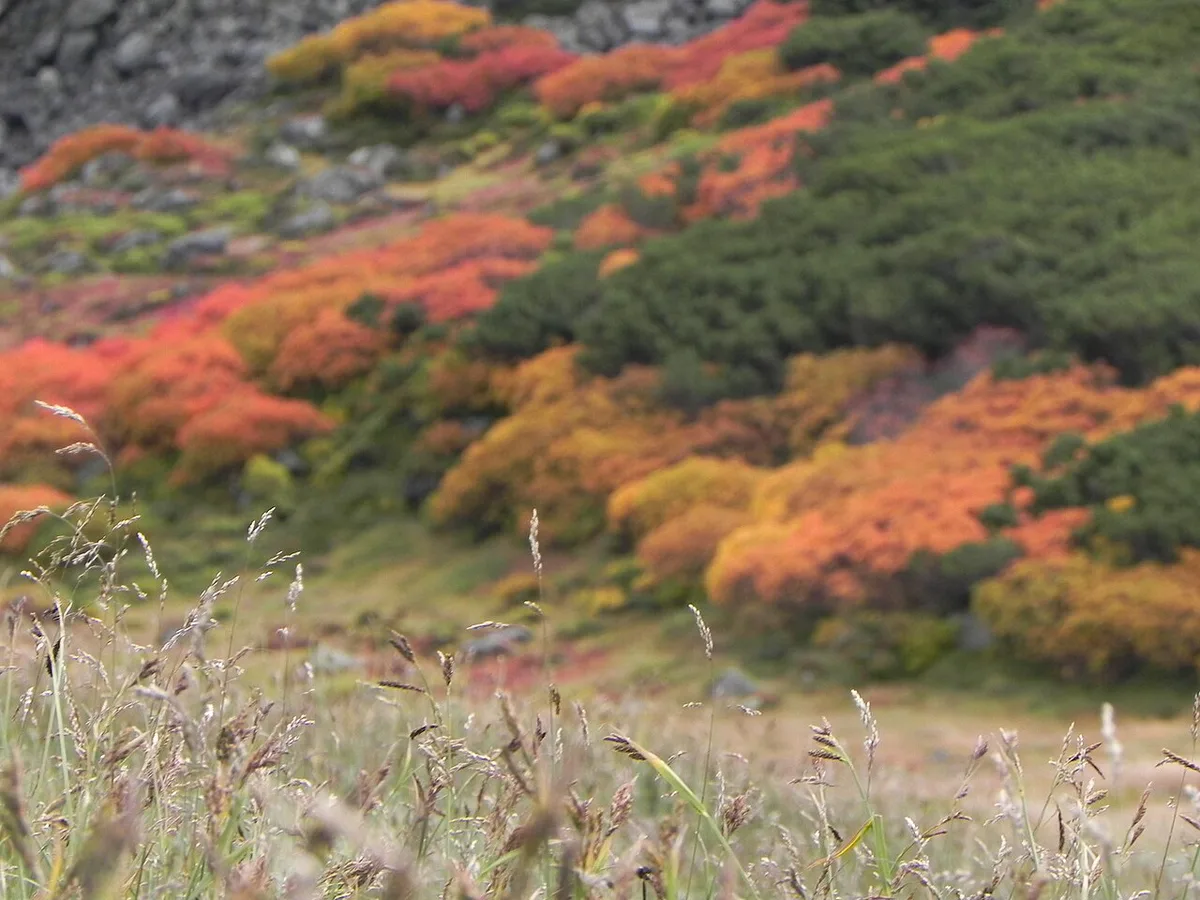
Koyo begins in Hokkaido's high country before it reaches the coast. Color typically appears first around Asahidake and Sounkyo Gorge in Daisetsuzan National Park in mid-September, then spreads through Furano's hills and Jozankei's onsen valley over the following weeks. Sapporo and the Ishikari Plain usually turn in mid-to-late October, and Hakodate in the south often peaks last, into early November. For week-by-week detail, see the Hokkaido in October: Foliage, Weather, and Festival Guide guide. Late-season color is covered in the Hokkaido in November 2026: Weather, Snow Timing, and Travel Guide page. For exact viewing locations, check the autumn leaf viewing spots guide.
| Region | Typical Foliage Window |
|---|---|
| Daisetsuzan (Asahidake, Sounkyo Gorge) | Mid-September to early October |
| Furano and Jozankei | Late September to mid-October |
| Sapporo and the Ishikari Plain | Mid-to-late October |
| Hakodate (south) | Mid-October to early November |
Weather in Hokkaido in Autumn and What to Pack
Sapporo's October daytime highs typically run 15–18°C (59–64°F), with evenings dropping to 7–9°C (45–48°F). Hakodate stays slightly warmer, with daytime highs near 16–19.5°C (61–67°F) and similar evening lows. Rain is occasional rather than heavy, and light snow is possible in colder inland areas late in the month. Pack a base layer, a warm mid-layer, and a windproof or waterproof outer shell to add or remove as the day cools. Bring closed shoes with grip for wet leaves, and pack layers that come off quickly if visiting an onsen town. For broader seasonal outlooks closer to a trip, check forecasts from the Japan Meteorological Agency.
Where to Base Yourself: Sapporo, Furano, Asahikawa, Noboribetsu, or Hakodate
Sapporo suits travelers who want maximum access and minimal planning, with direct trains from the airport and day trips in every direction. Furano fits travelers comfortable with a rental car who want scenic, rural surroundings over city convenience. Asahikawa works best as a gateway for anyone prioritizing the earliest foliage in Daisetsuzan National Park. Noboribetsu suits travelers who want an onsen-centered trip with lighter sightseeing. Hakodate fits travelers combining Hokkaido with mainland Japan, since it connects directly to the Hokkaido Shinkansen.
Sapporo requires 2-3 nights to combine city sightseeing with day tours ranging from ¥19,800 to ¥28,900 depending on destination.
| Base City | Best For | Time Needed |
|---|---|---|
| Sapporo | First-time visitors wanting easy access | 2-3 nights |
| Furano | Scenic countryside, rental-car travelers | 1-2 nights |
| Asahikawa | Early Daisetsuzan foliage seekers | 1-2 nights |
| Noboribetsu | Onsen-focused travelers | 1-2 nights |
| Hakodate | Combining with mainland Japan via shinkansen | 1-2 nights |
- Sapporo attractions: urban base with the most transit options.
- 12 Best Things to Do in Furano (2026): scenic countryside, best reached by car.
- 11 Best Things to Do and See in Asahikawa: closest base to Daisetsuzan's early color.
- 12 Best Things To Do In Noboribetsu: The Ultimate Onsen Guide (2026): onsen-focused stopover.
- Things To Do In Hakodate Travel Guide: southern base with shinkansen access.
Autumn Festivals and Seasonal Food
Sapporo Autumn Fest typically runs from mid-September into early October in Odori Park, with food stalls covering ramen, seafood, and Hokkaido's harvest produce. Hakodate's MOMI-G Festa usually follows from mid-October into early November at Kosetsuen Garden, with maple trees typically lit nightly from 16:00 to 21:00 during the festival window. For the latest confirmed dates, check the official Hokkaido tourism guide before booking. Autumn also brings a distinct seasonal food lineup, tied to the harvest and to salmon returning upstream to spawn. For more on festival-season Sapporo, see the Sapporo in Autumn 2026: Peak Foliage Weeks, Top Spots, and Day Trips guide.
MOMI-G Festa's maple tree illumination runs 16:00 to 21:00, when evening temperatures drop to 7–9°C (45–48°F), making a warm layer essential.
- Autumn salmon and ikura, as fish return upstream to spawn
- Kabocha pumpkin, sweeter after a post-harvest ripening period
- Shishamo, a Pacific-coast smelt found only in Hokkaido, typically available mid-October into November
National Parks and Day Trips in Autumn
Hokkaido's national parks carry their own autumn character, led by Daisetsuzan's early alpine color in the north. Onuma Park, reachable as a day trip from Hakodate, adds lake and volcanic scenery to the season without requiring an overnight stay. For a prefecture-wide overview, see the 6 Best Hokkaido National Parks: A Complete Travel Guide (2026) guide. The Onuma Park guide covers logistics for a single day out from Hakodate.
Costs, Booking, and Logistics for Hokkaido in Autumn
Most autumn visitors fly into New Chitose Airport and connect to Sapporo Station by direct bus or train. Travelers coming from Tokyo can instead ride the Hokkaido Shinkansen, which crosses from Shin-Aomori Station to Hakodate in the south. Guided day tours from Sapporo give a sense of relative cost for a fully organized outing. One operator's 2025 season listings ranged from ¥19,800 to ¥28,900 depending on length and destination, though current listings should be checked before booking. Weekend dates near Sapporo Autumn Fest and MOMI-G Festa tend to book up faster and can carry higher rates, so reserve accommodation and tours earlier for those windows.
- ¥19,800 — half-day dam-and-onsen tour from Sapporo
- ¥26,400 — cultural and onsen day tour from Sapporo
- ¥28,900 — full-day scenic tour to rural color spots outside Sapporo
Autumn vs Other Seasons in Hokkaido
Early autumn favors comfort, since September and early October days stay mild while koyo is only starting in the mountains. Peak autumn, roughly mid-October, combines the widest color with the year's two signature festivals, so it also draws the largest crowds. Late autumn trades color for quiet and cold, with daytime highs dropping toward single digits Celsius and light snow possible in the north by November. Compared with winter, autumn keeps roads and hiking trails clear and lets travelers skip snow-driving logistics entirely. See the Hokkaido in Winter: 10 Essential Experiences and Itinerary Guide guide for that season's specifics. For a broader comparison across the full year, the Best Time To Visit Hokkaido: 10 Essential Seasonal Insights guide lines up every season side by side.
| Period | Weather | Foliage Status | Crowds and Events |
|---|---|---|---|
| Early Autumn (mid-to-late September) | Sapporo daytime highs near 15–18°C (59–64°F) | Starting in Daisetsuzan | Sapporo Autumn Fest underway, moderate crowds |
| Peak Autumn (mid-October) | Sapporo highs 15–18°C (59–64°F), evenings 7–9°C (45–48°F) | Widest color across the region | MOMI-G Festa begins, higher crowds and rates |
| Late Autumn (late October-November) | Colder, light snow possible inland | Fading, holding longest in Hakodate | Fewer crowds, transition toward winter |
Mistakes to Avoid When Visiting Hokkaido in Autumn
A few planning mistakes repeat every autumn in Hokkaido, and most come from underestimating how large and regionally varied the prefecture is.
- Underestimating the evening temperature drop: daytime highs near 15–18°C (59–64°F) can fall to 7–9°C (45–48°F) after dark.
- Assuming foliage timing is uniform statewide, when color can be weeks apart between Daisetsuzan and Hakodate.
- Treating Hokkaido as a single day-trip-sized region, when moving between cities like Sapporo and Hakodate takes real travel time.
- Booking peak-weekend or festival dates without checking crowd impact, since Sapporo Autumn Fest and MOMI-G Festa weekends fill up fastest.
Planning Your Trip to Hokkaido in Autumn
Use the regional timing table above to pick a rough window, then match it to a base city that fits the trip's pace. Layer clothing for daily swings between mild afternoons and cold evenings, and confirm festival dates before locking in accommodation. For a day-by-day framework that strings these bases together, see the Hokkaido Itinerary: 9 Essential Sections for Your Trip guide. A wider look at sights across the prefecture is available in the 25 Best Things to Do in Hokkaido: The Ultimate Guide (2026) overview.
Getting Around Hokkaido in Autumn
Choose transport based on the places you want to see, not just your arrival airport. Rail works well for city-to-city travel between Sapporo, Asahikawa, Noboribetsu, and Hakodate. It is less flexible for rural viewpoints and trailheads.
A rental car is the practical choice for Furano, Biei, Jozankei, and many Daisetsuzan access points. Reserve early for October weekends, especially if you need an automatic vehicle. Mountain roads can be wet with fallen leaves, and early snow is possible at higher elevations.
- Use Sapporo as a rail-connected base for urban sightseeing and organized day trips.
- Pick up a car for a Furano or Biei segment rather than driving across the whole island.
- Check the final return times for rural buses before hiking or visiting an onsen.
Allow more travel time than a map suggests. Hokkaido is large, and changing bases often makes more sense than attempting long return day trips.
Explore in autumn in other cities
Frequently Asked Questions
When is autumn foliage best in Hokkaido, and does the timing vary by region?
Foliage typically peaks from mid-September in Daisetsuzan National Park through mid-October to early November in Hakodate. Timing varies by elevation and latitude, so color moves roughly north-to-south and mountain-to-coast across several weeks. Check the autumn leaf spots guide for a location-by-location breakdown.
Which city works best as a base: Sapporo, Furano, Asahikawa, Noboribetsu, or Hakodate?
Sapporo suits travelers who want the most transit options and the shortest planning time. Furano and Asahikawa suit travelers focused on scenery and early foliage near Daisetsuzan National Park. Noboribetsu fits an onsen-first trip, and Hakodate works well for anyone combining Hokkaido with a mainland Japan itinerary via the Hokkaido Shinkansen.
How cold does Hokkaido get in October and November, and what should visitors pack?
October daytime highs in Sapporo typically run 15–18°C (59–64°F), falling to 7–9°C (45–48°F) in the evening. November turns colder still, with light snow possible in inland areas. Pack a base layer, a warm mid-layer, and a windproof or waterproof shell that can come off as the day warms.
What autumn festivals and seasonal foods are worth planning a trip around?
Sapporo Autumn Fest and Hakodate's MOMI-G Festa are the two signature autumn events, typically running mid-September to early October and mid-October to early November. Seasonal food follows the harvest: autumn salmon and ikura, kabocha, and shishamo all become available between mid-October and November.
How do you get between Hokkaido's cities in autumn?
Most trips start at New Chitose Airport, connecting to Sapporo Station by direct bus or train. From Sapporo, regional trains and buses reach Furano, Asahikawa, and Noboribetsu within a few hours. Travelers arriving from Tokyo can take the Hokkaido Shinkansen to Hakodate via Shin-Aomori Station instead of flying.
Is early autumn better than late autumn for a first Hokkaido trip?
Early autumn suits travelers who prioritize mild weather over peak color, since koyo is only starting in the mountains. Late autumn suits travelers chasing the deepest color who don't mind cooler temperatures and shorter days. Most first-time visitors do best around mid-October, when color is widest and festivals are still running.
Explore Hokkaido in Autumn
Dig deeper into Hokkaido's koyo season — where the colour peaks first, how to plan month by month, and which cities pair best with a foliage trip.
Where to See the Colour
- Hokkaido Autumn Leaves
- 6 Best Hokkaido National Parks
- Onuma Park Travel Guide
- 12 Best Things To Do In Noboribetsu
Plan by Month
- Hokkaido in October: Foliage, Weather, and Festival Guide
- Hokkaido in November 2026
- Best Time To Visit Hokkaido: 10 Essential Seasonal Insights
Sapporo & Cities in Autumn
- Sapporo in Autumn 2026
- Sapporo attractions
- 11 Best Things to Do and See in Asahikawa
- Things To Do In Hakodate Travel Guide
- 12 Best Things to Do in Furano
Plan Your Trip
Free guide: Japan's Hidden Gems
12 under-the-radar places beyond Tokyo & Kyoto — with the best season to visit each and a local tip you won't find in the guidebooks.
You might also like


Continue reading
More guides you'll find useful


