
Hokkaido in October: Foliage, Weather, and Festival Guide
Plan Hokkaido in October with regional temperatures, koyo foliage timing by elevation, Sapporo and Hakodate festival dates, seasonal food, and transit options.
On this page
Last updated September 2026, this guide explains what Hokkaido in October actually looks like, from cooling temperatures to shifting foliage. Sapporo's harvest festival wraps by early October, and color keeps moving downhill from the Daisetsuzan range toward Jozankei and Hakodate. Cold-averse travelers get most of Hokkaido's scenery this month, without the snow or the crowds of peak winter.
Is Hokkaido in October Worth the Trip?
Hokkaido in October delivers foliage and harvest food without winter's ice or crowds. Skip this month for snow sports or lavender fields, since both belong to other seasons entirely. Sapporo's Autumn Fest in Odori Park typically wraps by early October. Travelers arriving after the first week miss the food stalls but find quieter parks instead. According to the Hokkaido Official Tourism Guide, the island's autumn stretch is short, often overlapping color and the season's first frost. October also draws fewer crowds than February's Snow Festival period, a useful data point when weighing when to book. The month suits first-time Japan visitors, foliage photographers, and travelers avoiding sub-zero cold. Weekday visits to the most popular sights help avoid the weekend crush that builds around peak color. October trades winter's snow sports for milder temperatures and open hiking trails. For context on the opposite extreme, Hokkaido's winter season brings snow but closes many of the trails used in autumn. General sightseeing across the island is covered in the 25 Best Things to Do in Hokkaido: The Ultimate Guide (2026) overview, useful for building a first-time list.
Weather and What to Pack by Region
Temperatures drop steadily through October, though the range differs by region. Sapporo highs run 15–18°C with lows near 7–9°C, per seasonal data from the Japan Meteorological Agency. Hakodate runs a few degrees warmer, with highs near 16–19.5°C and similar overnight lows. Sunset arrives early, typically between 16:30 and 17:00, which shortens both photography windows and evening drives. Crisp air also produces sharper long-distance mountain photos than summer's haze. Midday warmth can make a single layer enough near noon, even as mornings and evenings need a jacket. Pack a windproof shell for coastal walks in Otaru and Hakodate. Add light gloves for evening strolls once temperatures drop after dark. A compact umbrella is worth packing too, since October showers are occasional but rarely heavy.
| Region | Daytime High | Overnight Low |
|---|---|---|
| Sapporo | 15–18°C | 7–9°C |
| Hakodate | 16–19.5°C | 7–9°C |
Autumn Foliage by Elevation: Daisetsuzan to Sapporo
Hokkaido's koyo color moves downhill through October rather than arriving everywhere at once. Peaks in the Daisetsuzan mountain range and around Furano already fade by early October, past their brightest point. Lowland parks in and around Sapporo and Jozankei approach peak color through mid-to-late October as the gradient descends. Hakodate, in southern Hokkaido, often peaks last, sometimes stretching into early November. Colder pockets at elevation can see brief, light snowfall on the coldest nights late in the month, even while lowland parks still show color. Weekday visits to Daisetsuzan's viewpoints also see lighter crowds than weekend color-viewing traffic. A spot-by-spot ranking by elevation and week appears in the dedicated autumn leaves guide. The broader seasonal context, including how October compares with September and November, sits in the Hokkaido autumn overview.
Sapporo Autumn Fest and Hakodate's MOMI-G Festa
Two events frame the shoulder-season month. Sapporo Autumn Fest fills Odori Park with food stalls, typically running from mid-September into early October. Odori Park itself stays open as a public green space long after the festival tents come down. Hakodate's MOMI-G Festa follows, held in the Kosetsuen Garden inside Miharashi Park from mid-October into early November. Maple-lined paths there are illuminated nightly from 16:00 to 21:00 during the festival run. Confirm the current-year dates before booking, since both events can shift by a week or so annually. The two festivals do not overlap, since one wraps in the city before the other begins farther south. For the city's fuller shoulder-season pattern, the Sapporo autumn season guide covers the fest's timing year to year.
Hakodate's MOMI-G Festa illumination runs 16:00 to 21:00, overlapping sunset between 16:30 and 17:00 for dual natural and lit foliage views.
- Sapporo Autumn Fest, Odori Park: typically mid-September to early October, food stalls only
- Hakodate MOMI-G Festa, Kosetsuen Garden: typically mid-October to early November, nightly illumination 16:00–21:00
Onsen Season in Jozankei and Noboribetsu
Autumn suits outdoor rotenburo baths well, since crisp air against hot water is the appeal itself. Jozankei's hot spring village sits inside a valley that colors early in the season. Near Jozankei, the Ainu Cultural Center adds a cultural stop between soaks, and several onsen streets offer free public footbaths. Noboribetsu, known for its sulfur-streaked Hell Valley landscape, draws visitors chasing both foliage and baths. Both towns are reachable as day trips from Sapporo or as overnight stays for a fuller onsen experience. Guided day tours from Sapporo to onsen towns and dam-lake areas list around ¥19,800 to ¥28,900 depending on route, based on 2025 published rates. Popular ryokans in both towns book out months ahead for foliage weekends, so reserve well before the mid-October peak. Detailed lodging and sightseeing options around the valley appear in the 12 Best Things To Do In Noboribetsu: The Ultimate Onsen Guide (2026) guide.
Evening lows of 7–9°C create the ideal contrast for outdoor rotenburo soaking, where crisp air meets hot spring water for peak seasonal appeal.
Regional Highlights: Otaru, Furano, Biei, and Hakodate
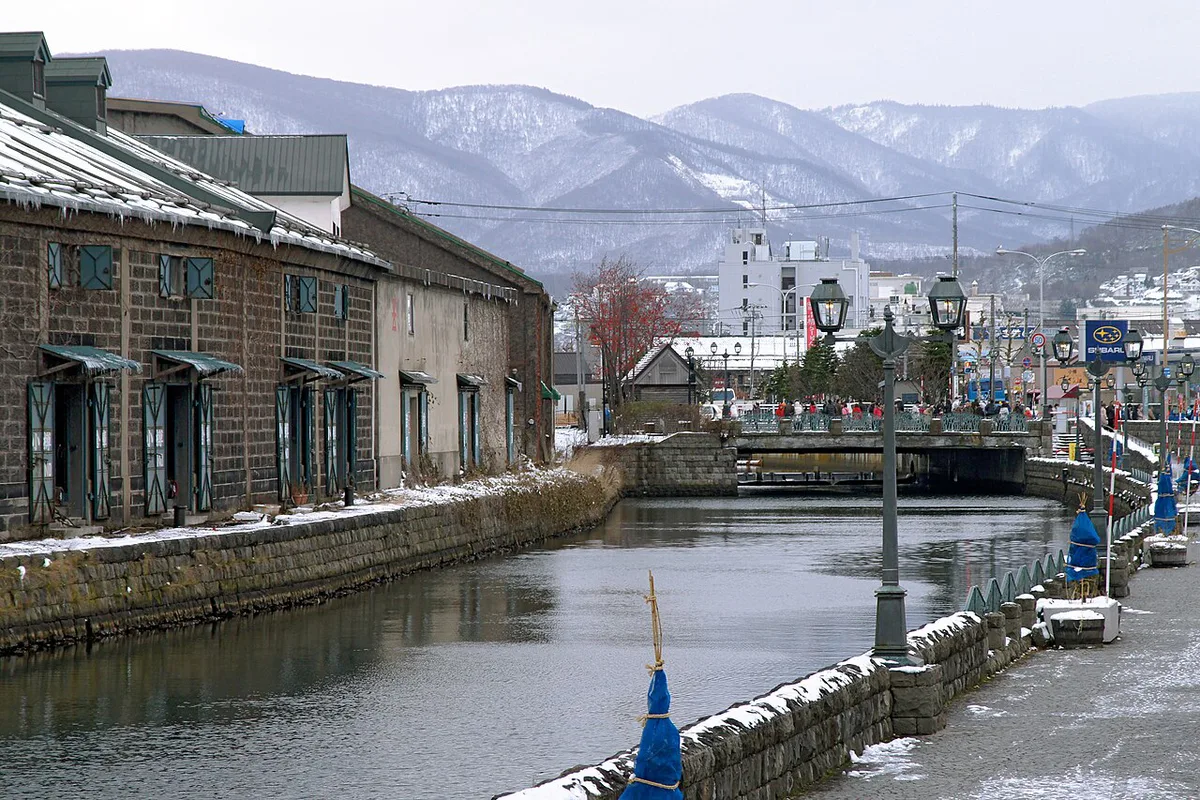
October highlights spread across the island beyond the onsen towns. In Sapporo, the Sapporo city attractions guide covers Shiroi Koibito Park and the covered Tanukikoji shopping arcade, useful on a rainy afternoon. Sapporo's beer museum offers another indoor option for the same kind of afternoon. Otaru's canal district is a short rail trip from Sapporo and suits an evening walk once the lamps come on. Otaru also holds a music box museum near the canal, a reliable stop if a shower rolls through. Central Hokkaido's Furano sights include the Shirogane Blue Pond, where cobalt water sits against yellow birch trees through October. A seasonal tractor ride there tours the surrounding hillside at a walking pace, weather permitting. A small on-site farm also keeps alpacas, a stop popular with families. The 11 Best Things to Do and See in Asahikawa guide covers the city's stops for travelers extending the trip into northern Hokkaido. Farther south, Hakodate's landmarks include Goryokaku Tower and the Red Brick Warehouses along the harbor. Near Hakodate, Onuma Park makes a worthwhile half-day stop for lake views framed by early color. The National Ainu Museum and Park, known as Upopoy, adds a cultural stop for travelers with time for one more attraction.
The October Harvest: Shishamo, Salmon, and Soup Curry
October in Hokkaido is a harvest month first and a foliage month second. Shishamo, a smelt found only along Hokkaido's Pacific coast, comes into season from mid-October through November. It is unavailable elsewhere in Japan during this window. Returning salmon runs bring both fresh ikura and autumn salmon fillets to their most abundant point of the year. Festival food stalls and city restaurants both serve these dishes throughout the month.
- Kabocha pumpkin, potatoes, and corn from the harvest markets
- Kegani hairy crab and kaisendon seafood rice bowls at harbor restaurants
- Sapporo soup curry, Obihiro butadon pork bowls, and Ishikari nabe salmon hot pot
- Jingisukan grilled lamb, served tableside at dedicated restaurants
Getting Around: Flights, Shinkansen, and Driving
Two main routes reach Hokkaido from Tokyo. Flying into New Chitose Airport near Sapporo takes about 90 minutes, per Japan's official tourism site. From New Chitose, connecting buses and trains reach central Sapporo Station directly, per the same source. The Hokkaido Shinkansen instead reaches Shin-Hakodate-Hokuto Station in roughly 4 hours. A Japan Rail Pass covers this Shinkansen leg. Long-distance ferries also connect Honshu ports such as Niigata, Sendai, and Maizuru to Hokkaido, a slower option for travelers bringing a vehicle. October roads stay snow-free, which keeps rental-car routes to Biei and Furano open at your own pace. Car rental counters at both New Chitose and Hakodate airports operate through the shoulder season. Set an early return time regardless, since sunset near 16:30–17:00 limits mountain-road visibility after dark.
| Route | Approx. Journey Time |
|---|---|
| Flight, Tokyo to New Chitose | About 90 minutes |
| Hokkaido Shinkansen, Tokyo to Shin-Hakodate-Hokuto | About 4 hours |
Sample 6-Day October Itinerary
A one-week trip fits Hokkaido's main October highlights without excessive backtracking. The full day-by-day version, including lodging notes, sits in the complete Hokkaido Itinerary: 9 Essential Sections for Your Trip guide. Book Jozankei or Noboribetsu lodging before finalizing flights, since the best onsen rooms sell out first for foliage weekends. Skipping a rental car, a single guided day tour can substitute for the Jozankei or dam-lake stop on Day 3. Travelers arriving in the back half of the month, once color has shifted south, may prefer the timing notes in the Hokkaido in November 2026: Weather, Snow Timing, and Travel Guide guide instead. Before locking dates, the Best Time To Visit Hokkaido: 10 Essential Seasonal Insights guide lines up October against the other shoulder months.
- Day 1-2: Sapporo, including Odori Park and Shiroi Koibito Park, with an evening in Susukino
- Day 3: Otaru's canal district, plus a half-day onsen stop in Jozankei
- Day 4: Noboribetsu's Hell Valley and a rotenburo soak before dark
- Day 5: Biei and Furano for the Blue Pond and the flower-tractor hillside route
- Day 6: Hakodate for Goryokaku Tower, the Red Brick Warehouses, and a stop at Onuma Park before departure
Mistakes to Avoid in October
A few planning errors repeat every October. Arriving after the first few days of the month means missing Sapporo's Autumn Fest, since it wraps by early October most years. Assuming the Sapporo and Hakodate festivals overlap is another mix-up, since the two run in different weeks and different cities. Mountain passes near Daisetsuzan can see early frost or brief closures late in the month. Check road status before driving up on any morning with a hard chill. First-time visitors often underestimate Hokkaido's size, treating Sapporo-to-Hakodate as a short hop when it runs several hours by road or rail. Booking onsen ryokans at the last minute is another common miss, since Jozankei and Noboribetsu rooms fill for foliage weekends months out. Arriving at Kosetsuen Garden after 21:00 also means missing the illuminated maple path, since the lighting ends on schedule.
See Salmon Runs and Migratory Birds
October also offers a chance to see Hokkaido’s autumn wildlife, especially returning salmon. Chum salmon move up rivers across the island in fall, linking the seasonal seafood on menus with a visible natural cycle.
Near New Chitose Airport, the Chitose River is the most practical stop. Salmon Hometown Chitose Aquarium has an underwater observation area beside the river. Conditions and visibility vary, but it can be an easy addition before or after a flight.
For birdwatching, wetlands and coastal areas become more useful as migratory birds pass through. Bring binoculars if this is a priority, and allow extra time outside major cities.
- Chitose: combine the river and aquarium with an airport arrival or departure.
- Lake Utonai: a wetland stop near New Chitose with walking paths and bird habitat.
- Nemuro: a better choice for dedicated birders, but far from the main Sapporo–Hakodate route.
Keep a respectful distance from spawning fish and nesting or resting birds. Riverbanks can be slippery after rain, particularly during the cooler mornings.
Frequently Asked Questions
Is October too cold to visit Hokkaido?
No, Sapporo's daytime highs run 15–18°C through October, cooling toward evening. Hakodate stays a few degrees warmer at roughly 16–19.5°C. A midweight jacket and a windproof shell cover most days comfortably.
When does autumn foliage peak in Hokkaido in October?
Color moves downhill through the month. Daisetsuzan and Furano fade by early October, past peak. Sapporo and Jozankei typically peak mid-to-late October. Hakodate often peaks last, sometimes into early November. The highest passes can mix fresh color with a first dusting of snow in the final week of the month.
What food is Hokkaido known for in October?
Shishamo smelt comes into season along the Pacific coast from mid-October through November. Returning salmon brings fresh ikura and autumn salmon fillets to menus. Kabocha, potatoes, and corn round out the harvest-season stalls. Festival stalls in Sapporo and Hakodate serve many of the same seasonal dishes during their respective events.
Should you fly into Sapporo or take the Shinkansen to Hakodate?
Flying to New Chitose Airport takes about 90 minutes from Tokyo, suited to a Sapporo-first trip. The Hokkaido Shinkansen instead reaches Shin-Hakodate-Hokuto in roughly 4 hours. Base the choice on whether Sapporo or Hakodate anchors more of the itinerary.
Do onsen ryokans need advance booking for October?
Yes, especially in Jozankei and Noboribetsu during foliage weekends. Popular ryokans there book out months ahead for the mid-to-late October peak. Reserve as soon as travel dates are confirmed.
What should you pack for Hokkaido in October?
Pack layers with a windproof shell for coastal spots like Otaru and Hakodate. Add light gloves for evening walks once temperatures drop after dark. A compact umbrella covers the occasional shower, and a warmer layer covers the 7–9°C evenings later in the month.
Free guide: Japan's Hidden Gems
12 under-the-radar places beyond Tokyo & Kyoto — with the best season to visit each and a local tip you won't find in the guidebooks.
You might also like


Continue reading
More guides you'll find useful


