

Sapporo in Autumn 2026: Peak Foliage Weeks, Top Spots, and Day Trips
Plan Sapporo in autumn 2026 with peak color dates, top city foliage spots, Jozankei day-trip logistics, and current seasonal pricing tips.
On this page
Last updated September 2026, this guide breaks sapporo in autumn down into the weeks that actually matter for planning. Peak city color usually lands mid-to-late October, roughly a month behind the high-altitude reds of Daisetsuzan further north. Use the week-by-week timing below alongside the broader Hokkaido autumn picture to pick the right week for a short Sapporo stay.
Timing Sapporo in Autumn: Early, Peak, and Late Season
Sapporo's color calendar runs about a month behind Hokkaido's high country. Early autumn runs mid-September through early October and favors mountain trips. Daisetsuzan's red leaf front starts near Asahidake while Sapporo's parks stay mostly green. Daisetsuzan sits within Hokkaido's national park system. Many travelers reach it via Asahikawa, worth a stopover at Asahikawa's own attractions. Peak city color lands mid-to-late October, when the Hokkaido University Ginkgo Avenue and Nakajima Park hit full color together. For a full month-by-month breakdown, see Hokkaido in October: Foliage, Weather, and Festival Guide. This north-to-south progression is often called the koyo front, with momiji (maple) color trailing the ginkgo gold by roughly a week in most years. By early November, color has moved south toward Hakodate and lower elevations, and Sapporo's own trees are largely bare. For the wider regional picture beyond city limits, see Hokkaido's best autumn viewing spots.
Peak mid-October Jozankei ryokan rates reach ¥25,000 per night, nearly double the ¥14,000 rate in early September, reflecting heightened seasonal demand.
| Period | Sapporo Highlight | Daytime High | Overnight Low | Crowds & Price |
|---|---|---|---|---|
| Early (mid-Sept to early Oct) | Daisetsuzan reds peak in the mountains; city parks still green | 20°C (68°F) | 10°C (50°F) | Lowest crowds, shoulder rates |
| Peak (mid to late Oct) | Hokkaido University Ginkgo Avenue and Nakajima Park at full color | 12°C (54°F) | 3°C (37°F) | Busiest week; Jozankei ryokans near capacity |
| Late (early Nov) | Color shifts toward Hakodate and lower elevations | 8°C (46°F) | -1°C (30°F) | Quiet again, coldest walking weather |
Top Fall Foliage Spots in Sapporo City
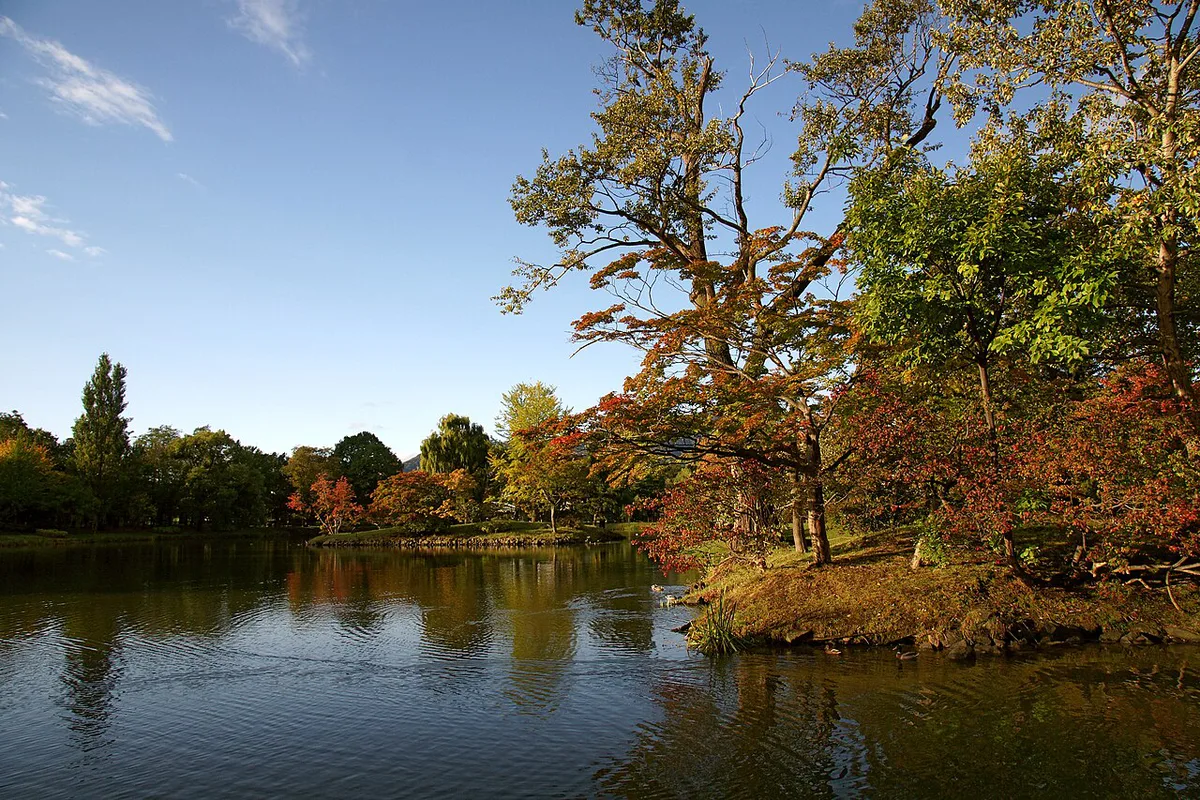
Five spots cover most of what independent travelers want inside city limits. Hokkaido University's Ginkgo Avenue lines the walk with roughly 70 ginkgo trees that turn gold together, usually by late October. Campus gates open at 8:30am, so an early weekday pass beats the densest midday crowds. Nakajima Park stays open 24 hours and sits on the subway's North-South Line. Get off at Nakajima Koen Station or Sapporo Horohirabashi Station for a short walk to the Iris Pond shoreline. Maruyama Park adds Hokkaido Shrine and a climb up 226-meter Mt. Maruyama, about 30 minutes by train from central Sapporo. Mt. Moiwa pairs a ropeway ride with sunset views over the city, reached by tram or bus. Hiraoka Park holds over 700 maple trees and stays the quietest option here. Plan about 30 minutes by taxi from downtown; public transit takes noticeably longer. For a broader rundown of the city beyond autumn, see Sapporo's attractions guide.
Mt. Moiwa's summit can feel close to 0°C (32°F) despite downtown readings of 13°C (55°F), so pack a windproof layer even on mild afternoons.
| Spot | Peak Window | Access | Crowd Level | Best For |
|---|---|---|---|---|
| Hokkaido University | Late October | Walk, city center | Very High | Ginkgo Avenue photos |
| Nakajima Park | Late October | Subway, North-South Line | Moderate | Morning walks, Iris Pond |
| Maruyama Park | Late October | About 30 min by train | Moderate | Shrine plus Mt. Maruyama climb |
| Mt. Moiwa | Mid-to-late October | Tram/bus plus ropeway | Moderate | Sunset views |
| Hiraoka Park | Late October | About 30 min by taxi | Low | Quiet maple walks |
Essential Autumn Day Trips from Sapporo
Three day trips extend a Sapporo autumn base without an overnight stay. Jozankei Onsen combines hot-spring soaking with valley color, best viewed from the Futami Suspension Bridge or Hoheikyo Dam. The onsen's foliage peaks mid-October into late October. Book the Kappa Liner bus in advance during that window, since seats sell out fast on weekends. Lake Shikotsu pairs deep blue water with red shoreline maples, best in late October. It works well as a half-day trip from Sapporo. Otaru adds canal-side color and views from Mt. Tengu, a reasonable add-on for travelers extending beyond Sapporo. Trip planning across the region is covered by the Hokkaido Official Tourism Guide. Travelers extending further can add late-season color south at Hakodate's harbor-side sights. The Onuma Quasi-National Park lake sits near Hakodate and pairs well with that side trip, covered in this day-trip guide. Noboribetsu's steaming Jigokudani valley is another early-November option, detailed at Noboribetsu's attractions guide. Combine these with wider planning through a full Hokkaido itinerary so day trips don't compete with city time.
Getting Around and Budgeting for a Sapporo Autumn Trip
Sapporo's subway covers Nakajima Park and central hotels well. A day pass usually costs less than four separate single fares, though check current pricing at ticket machines, since fares change periodically. Jozankei requires the Kappa Liner bus rather than the subway. That connection is the one worth booking ahead in peak weeks. Mt. Moiwa's ropeway charges a posted adult fare at the base station. Confirm October operating hours and the last-ascent time before you go, since days shorten fast through the month. Park entry is free at Nakajima Park, Maruyama Park, and Hiraoka Park, which keeps a foliage-focused day cheap even with a taxi ride added. Accommodation swings hardest around the peak. A standard twin room in a Jozankei ryokan often lists around ¥14,000 a night in early September. That same room commonly tops ¥25,000 once the mid-October color weekend hits. Book Jozankei lodging and the Kappa Liner together as soon as dates are set, rather than separately closer to the trip. Susukino suits travelers prioritizing food within walking distance of Nakajima Park. Sapporo Station suits travelers prioritizing transit, with direct access to the subway network.
Seasonal Food, Festivals, and Onsen Culture
Sapporo Autumn Fest typically turns Odori Park into a harvest food market, running September 12 to October 4 in recent editions. Expect Hokkaido produce like corn, potatoes, and salmon served from open-air stalls alongside beer tents. Hokkaido University's Ginkgo Avenue also hosts the Kon'yousai, a golden-leaf festival, in late October when the trees peak. Jozankei extends the seasonal appeal with koyo-buro, soaking in an outdoor onsen bath while looking out at colored slopes. Layer clothing for the walk between bath and change room, since outdoor temperatures drop fast once the sun sets.
Mistakes to Avoid in Sapporo in Autumn
Visiting Sapporo in September expecting red leaves is the most common miss. Daisetsuzan colors early, but city parks like Nakajima and Hokkaido University stay green until mid-October at least. Underestimating the temperature drop at elevation is the second mistake. Mt. Moiwa's summit can feel close to 0°C (32°F) once wind picks up, even on an afternoon reading about 13°C (55°F) downtown, so pack a windproof layer. Waiting to book the Kappa Liner is the third mistake, since Jozankei buses fill fast on October weekends. Reserve both the bus and any onsen stay as soon as travel dates are fixed. Once color fades in November, planning naturally shifts toward Hokkaido's winter season. Shoulder-week travelers should also check Hokkaido in November 2026: Weather, Snow Timing, and Travel Guide for the transition weeks.
Explore in autumn in other cities
Frequently Asked Questions
When is peak leaf season in Sapporo in 2026?
City peak typically lands mid-to-late October, about a month behind Daisetsuzan's mid-September start. Hokkaido University's Ginkgo Avenue and Nakajima Park usually hit full color in that same window. Check seasonal updates through the Hokkaido Official Tourism Guide a few weeks ahead.
Is Sapporo colder than other parts of Hokkaido in autumn?
Sapporo's October highs run roughly 12°C (54°F) with overnight lows near 3°C (37°F), milder than exposed mountain areas like Daisetsuzan. Layering still matters, since wind at elevated spots such as Mt. Moiwa's summit can make it feel colder than the forecast suggests. For sights beyond foliage season, see Hokkaido's top attractions.
How do you get to Jozankei Onsen from Sapporo?
Kappa Liner buses connect central Sapporo to Jozankei Onsen. Seats sell out on October weekends, so book ahead rather than showing up same-day. Pair the trip with valley color views from the Futami Suspension Bridge or Hoheikyo Dam.
What should you pack for Mt. Moiwa in October?
Bring a windproof layer even if the afternoon forecast looks mild. Summit temperatures can feel close to 0°C (32°F) once wind picks up, well below the 12°C (54°F) reading at street level. A hat and gloves are worth carrying for the ropeway platform and observation deck.
Is the Hokkaido University Ginkgo Avenue worth visiting despite the crowds?
Yes, and timing helps manage the crowd. Campus gates open at 8:30am, so an early weekday visit beats the densest midday crowds. Late October also brings the Kon'yousai golden-leaf festival, adding programming to the same walk. For the wider best-time context, see the best time to visit Hokkaido.
Free: The Sapporo Essentials guide
Top things to do, where to stay, a perfect day plan, getting around, and the best time to go — a Sapporo mini-guide you can take offline.
You might also like


Continue reading
More guides you'll find useful


