

Cherry Blossom Day Trips From Tokyo Travel Guide
Plan cherry blossom day trips from tokyo with top picks, neighborhood context, timing tips, and practical booking advice for a smoother trip.
On this page
Tokyo is already one of the world's great cherry blossom cities, but some of Japan's most memorable sakura experiences sit within 30 minutes to two hours of the capital by train. These day trips let you combine the blossom season with hot springs, UNESCO shrines, coastal towns, and mountain views — all without leaving your Tokyo base.
The window for cherry blossom day trips from Tokyo in 2026 runs roughly from late January (Atami's early Atami Zakura) through to early May (Chichibu's shibazakura). Each destination has its own peak, so smart planning lets you extend the season well beyond Tokyo's core late-March to early-April window. This guide covers the top destinations, how to reach them, what to expect on arrival, and practical details that help you decide which trips fit your schedule and budget.
When to Go and How to Plan
Cherry blossom season in the Tokyo area runs from late March to mid-April in most years. The Japan Meteorological Corporation releases annual forecasts from January onward — bookmark their sakura zensen (cherry blossom front) map and check it weekly as March approaches. In 2026, the Tokyo full-bloom date is projected for late March to early April, consistent with recent years.

Weekday mornings are far quieter than weekend afternoons at every destination on this list. At spots with boat rentals (Chidorigafuchi in Tokyo) or cable cars (Hakone), weekend queues can stretch two or more hours. If you can only travel on weekends, aim to arrive at your first stop before 9:00 AM. Early morning light also makes for better photographs before the crowds arrive.
Book Shinkansen or limited-express tickets in advance via the JR East booking site or a Japan Rail Pass, especially during Golden Week (late April to early May). For most destinations under 90 minutes from Tokyo, a SUICA card and standard JR trains are sufficient — no reserved seat required. Pack layers: spring temperatures around Tokyo swing between 5°C and 18°C, and mountain spots like Nikko and Hakone run 3–5°C cooler than the city.
Atami: Early Cherry Blossoms by the Sea
Atami blooms earlier than anywhere else on this list. The local variety, Atami Zakura, is a deep-pink single-petal cherry that flowers from late January through February — six to eight weeks before the Somei Yoshino peak in Tokyo. For travelers visiting Japan in mid-winter or early spring, this coastal town delivers genuine sakura when almost every other destination is bare.
The train ride from Tokyo Station takes about 45 minutes on the Tokaido Shinkansen (Kodama, around ¥3,550 one way) or roughly 95 minutes on the JR Tokaido Line (¥1,980). The best viewing spots are along the Itogawa River, where rows of Atami Zakura line both banks, and at Atami Baien Garden, which combines plum and cherry blossoms in the same visit. A leisurely riverside walk takes under an hour.
Atami also sits at the entrance to the Izu Peninsula and is one of the most famous onsen destinations near Tokyo. Several hot-spring hotels offer day-use bath plans for ¥1,000–¥2,000, making it straightforward to combine early blossom viewing with a soak before the return train. The trade-off: Atami Zakura is a different variety to the classic Somei Yoshino and the display is smaller in scale than Tokyo's major parks.
Kawagoe: Little Edo and Riverbank Sakura
Kawagoe is the closest major cherry blossom day trip from Tokyo, just 30 minutes from Ikebukuro on the Tobu Tojo Line (¥480 one way). The town preserves an unusual density of Edo-period clay-walled warehouses (kurazukuri), and the combination of historic streetscape and blossom makes it feel different from the garden-and-park format of most sakura spots.
The Shingashi River is the main draw during sakura season. Cherry trees line both banks for several hundred metres, and traditional wooden boats operate along the river during the bloom. The reflections of the pink canopy on the water are among the most photographed scenes in Saitama Prefecture. Arrive by 08:30 on weekdays to walk the riverbank before tour groups arrive around mid-morning.
Kita-in Temple, a short walk from the river, adds a genuine cultural layer. The temple grounds include a grove of cherry trees alongside the five-storey stone Buddha statues. The bell tower (Toki-no-Kane) and the sweet potato shops along Kashiya Yokocho candy lane complete a full half-day circuit — leaving time to catch a late-afternoon train back to Tokyo and still have the evening free.
Chichibu: Cherry Blossoms and the Shibazakura Extension
Chichibu offers two distinct pink spectacles across a six-week window — which makes it the single best destination for travelers who want to extend the season beyond Tokyo's main cherry blossom peak. Standard cherry trees around Chichibu Shrine and the town centre bloom in late March to early April, in step with Tokyo. But Hitsujiyama Park's famous shibazakura (moss phlox) hill peaks later, from late April into early May — long after Tokyo's sakura has fallen.
This calendar gap matters. If you arrive in Tokyo after the cherry blossom peak — or if you simply want a second pink outing — Chichibu's shibazakura gives you a carpet of vibrant pink across a hillside above the Chichibu basin, with the Chichibu mountains as backdrop. Admission to Hitsujiyama Park costs ¥300 for adults. The Seibu Chichibu Line runs direct from Ikebukuro in about 75–80 minutes (¥790); limited express Laview cuts this to 78 minutes with reserved seating.
Chichibu Shrine itself dates to at least the 2nd century CE and features elaborate, vividly painted carvings that rival Nikko on a smaller scale. The Meisen textile museum near the station covers the town's silk weaving history for those who want more than blossom viewing. Chichibu works as a full day if you combine the shrine, the town's old streetscape, and Hitsujiyama — or a comfortable half-day if you focus on the park alone.
Hakone: Fuji Views, Hot Springs, and Open-Air Art
Hakone is the most versatile cherry blossom day trip from Tokyo. A single loop using the Romancecar limited express (from Shinjuku, about 85 minutes, ¥2,470) and the Hakone Ropeway, lake cruise, and vintage mountain railway can take in five or six different modes of transport alongside the blossoms — which is part of why it remains the most popular day trip destination in the region.
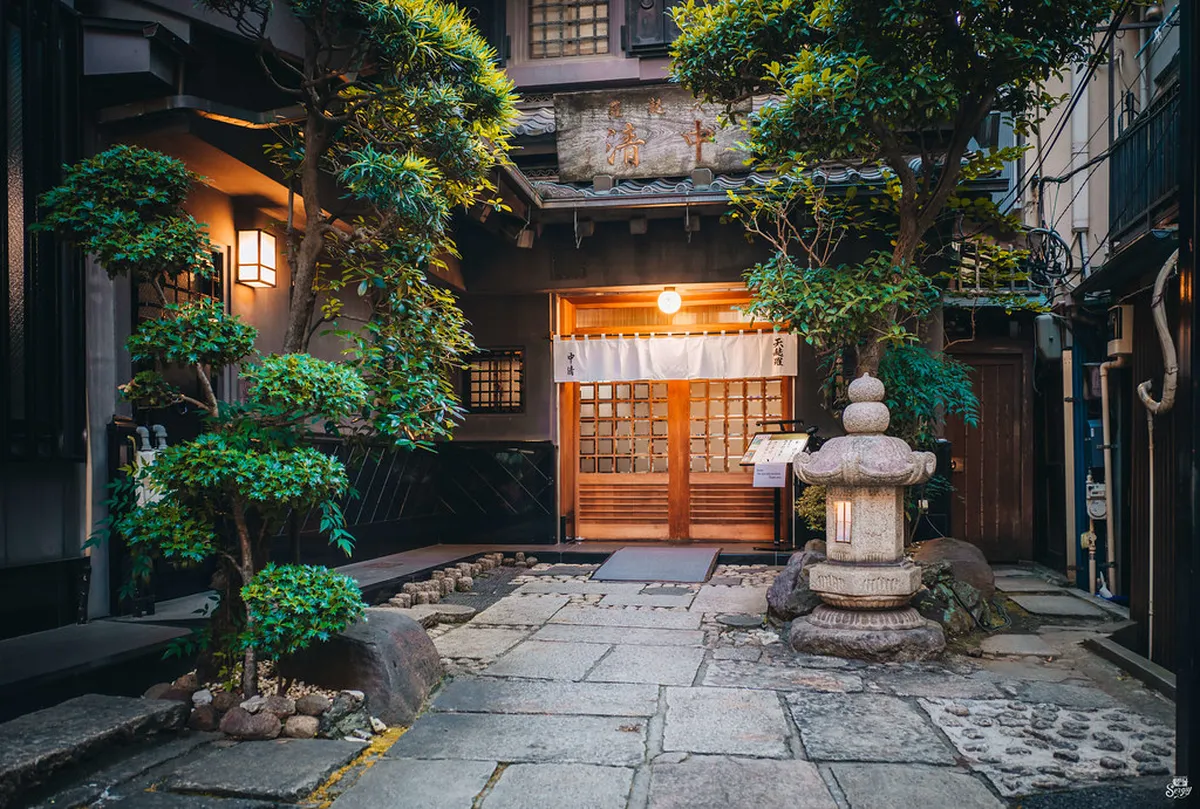
Cherry trees are scattered throughout the Hakone area: around the lakeside at Motohakone, along the approach to Hakone Shrine, and near the stations of the Hakone Tozan Railway. Lake Ashi's iconic orange torii gate framed against the blossoms — with Mount Fuji visible behind on clear mornings — is one of the most recognisable spring scenes in Japan. Morning clarity is the key; cloud tends to obscure Fuji views by midday.
The Hakone Open-Air Museum (entry ¥1,600 for adults) is worth two hours for its combination of outdoor sculpture gardens and cherry-lined paths. Owakudani volcanic valley, reachable by ropeway, adds a geothermal dimension — the famous kuro-tamago (eggs boiled black in sulphur springs, ¥600 for five) are sold only here. Day-use onsen plans at several hotels along the Tozan line cost ¥1,000–¥2,500 and are easiest to book by phone or at the hotel front desk on the day, outside peak weekends. Consider combining Hakone with nearby other day trips from Tokyo if you have more time in the region.
Kamakura: Temples, the Great Buddha, and Sakura
Kamakura is an hour from Tokyo on the JR Yokosuka Line from Tokyo Station (¥940 one way). The former medieval capital packs around 65 Buddhist temples and 19 Shinto shrines into a compact hillside town backed by the sea — and cherry trees fill almost every temple courtyard during the bloom.
Tsurugaoka Hachimangu Shrine is the central point. The stone-paved approach from Kamakura Station runs for about 1.8 km under a canopy of cherry trees, with rows of blooming yoshino flanking the path to the main shrine building. Hasedera Temple adds altitude: its garden terrace overlooks the sea and the surrounding hills, with blossom in the foreground and ocean behind. The garden entry costs ¥400.
The Great Buddha of Kotoku-in (entry ¥200) needs only 20–30 minutes and is an essential tick. The bronze figure has sat outdoors since 1498, and a short hiking trail from the temple grounds leads up through wooded hills with partial sea views. Kamakura is particularly well-suited to families because the main circuit — shrine, Hasedera, Great Buddha — covers about 6 km on mostly flat or gently sloped terrain and can be done without a guide. The coastal vibe makes it feel like a refreshing escape rather than a dense sightseeing push.
Mt. Fuji Area: Cherry Blossoms and the Iconic Pagoda View
The Fuji Five Lakes region, about two to three hours from Tokyo depending on route, is where cherry blossoms combine with Japan's most famous landscape. The classic view — Chureito Pagoda framed against cherry trees with Fuji rising behind — is taken from Arakurayama Sengen Park above Fujiyoshida City. Reaching the pagoda requires climbing around 400 stone steps from the shrine gate, but the view from the top is worth the effort on a clear morning.
The easiest access from Tokyo is by highway bus from Shinjuku Station to Kawaguchiko (about 1 hour 45 minutes, ¥1,750–¥2,000 each way) or by JR Chuo Line to Otsuki and transfer to the Fujikyuko Line (total 2 to 2.5 hours, ¥2,520). Lake Kawaguchi itself is lined with cherry trees along the northern shore, and a boat cruise on the lake costs around ¥1,000 for a 20-minute loop with Fuji views when visibility allows.
The key trade-off for the Fuji area is weather dependency. Mount Fuji is visible from the lake only about 30–40% of mornings in spring due to cloud and haze; afternoon visibility drops further. Check the Fujisan Telenet webcam the morning of your trip before committing to the journey. If you visit and Fuji is socked in, the blossom displays around the lake are still enjoyable — but the iconic photograph requires luck or multiple attempts.
Nikko: UNESCO Shrines and Mountain Blooms
Nikko sits about two hours from Asakusa Station on the Tobu Nikko Line (limited express Revaty, ¥1,360 one way) and is Japan's most ornate UNESCO World Heritage site. The Toshogu Shrine complex is famous for its gold-leaf carvings and lacquered gates — the 1,000-year-old cedar avenue leading up from the town centre is lined with cherry trees that bloom slightly later than Tokyo's, typically in early to mid-April due to the higher elevation.
Cherry blossoms in Nikko are secondary to the temples and waterfalls, which is actually useful: it means Nikko is worth visiting even if you miss peak bloom. Kegon Waterfall drops 97 metres into a gorge beside Lake Chuzenji (45 minutes by bus from Nikko Station), and the road up to the lake passes through forests that display mountain cherry varieties at their own pace. The red Shinkyo Bridge over the Daiya River is a classic foreground element for blossom photography in early spring.
Nikko is the longest day trip on this list and rewards an early start — aim for the first limited express at 07:00 from Asakusa. The combination of UNESCO architecture, mountain scenery, and a different bloom calendar makes it the best pick for travelers who have already done Hakone and Kamakura.
Mt. Takao and Yokohama: Two Shorter Options
Mount Takao is the closest mountain day trip from central Tokyo — about one hour on the Keio Line from Shinjuku (¥390 one way). Trail 1 to the summit takes two to three hours round-trip and passes through slopes of wild mountain cherry and other flowering trees in spring. The summit offers clear views of Mount Fuji on good days, and the Yakuo-in temple complex halfway up is genuinely interesting. Entry to the mountain is free; the cable car costs ¥500 one way. It's the best option for a half-day if time is short or if you want to combine a gentle hike with blossom.
Yokohama is only 30 minutes from Tokyo on the JR Tokaido Line (¥570) and works well as an afternoon add-on to a morning spent at a closer destination. Sankeien Garden (entry ¥900) is the standout cherry blossom spot — a landscape garden with traditional buildings moved from around Japan, set among mature cherry trees. Japan's largest Chinatown is a five-minute walk away for dinner. The Motomachi shopping street and Yamashita Park seafront complete a pleasant three-hour loop with little walking pressure.
Choosing the Right Trip for Your Dates and Budget
The cheapest round trips on this list are Kawagoe (¥960 return from Ikebukuro) and Mt. Takao (¥780 return from Shinjuku), both reachable on a SUICA card with no advance booking. Kamakura and Yokohama sit in the ¥1,900–¥2,000 return bracket. Hakone and the Fuji area cost ¥3,000–¥5,000 return depending on the route, and Nikko's limited express runs ¥2,720 return.
For families with children, Kawagoe and Kamakura offer the most manageable walking distances and the best mix of visual interest beyond the blossoms. For solo or couple travelers who want hot springs, Atami (early season) and Hakone (main season) are the strongest picks. Nikko and Chichibu reward travelers who have already covered the closer destinations and want somewhere less crowd-heavy.
Whichever destination you choose, check bloom forecasts weekly from February onward, book Shinkansen or limited-express seats at least a week in advance for weekend travel, and build in 20–30 minutes of buffer at each spot for queues and photography. The Winter Day Trips From Tokyo Travel Guide guide covers options for traveling before the sakura season begins.
Frequently Asked Questions
What is the best day trip out of Tokyo?
The 'best' day trip from Tokyo depends on your interests. For early cherry blossoms, Atami is excellent. Hakone offers hot springs and scenic views of Mount Fuji. Kamakura provides a mix of ancient temples and beautiful beaches. Each destination has unique charm.
Which city is best for cherry blossoms in Japan?
While Tokyo has many famous spots, Kyoto is often considered one of the best cities for cherry blossoms. Its traditional temples and gardens create stunning backdrops. Other top cities include Yoshino and Hirosaki for their sheer volume of trees. Many smaller towns also offer incredible views.
What are some hidden gems in Japan?
Japan has countless hidden gems beyond the major tourist routes. The rural landscapes of Shikoku offer serene beauty and traditional culture. The art islands of Naoshima provide unique contemporary art experiences. Exploring smaller towns like Hida-Takayama reveals authentic Japanese charm.
Is a Mt Fuji day trip worth it?
A Mount Fuji day trip is definitely worth it for its iconic views and natural beauty. Hakone offers some of the best vantage points for Fuji. The experience can be weather-dependent, so check forecasts before you go. It provides a stunning natural escape from city life.
Cherry blossom day trips from Tokyo span a season that runs from January to May if you choose destinations strategically. Atami catches the earliest bloom; Chichibu's shibazakura is the last. In between, Kawagoe, Kamakura, Hakone, Mt. Fuji, Nikko, Mt. Takao, and Yokohama each offer a different combination of scenery, culture, and access.
Plan around the bloom forecast, book trains early for weekend travel, and start each day before the crowds. Japan's transport network makes all of these destinations genuinely achievable in a single day from central Tokyo — leaving your evenings free in the city and your mornings open to some of the best sakura viewing in the world.
Free: The Tokyo Essentials guide
Top things to do, where to stay, a perfect day plan, getting around, and the best time to go — a Tokyo mini-guide you can take offline.
You might also like


Continue reading
More guides you'll find useful


