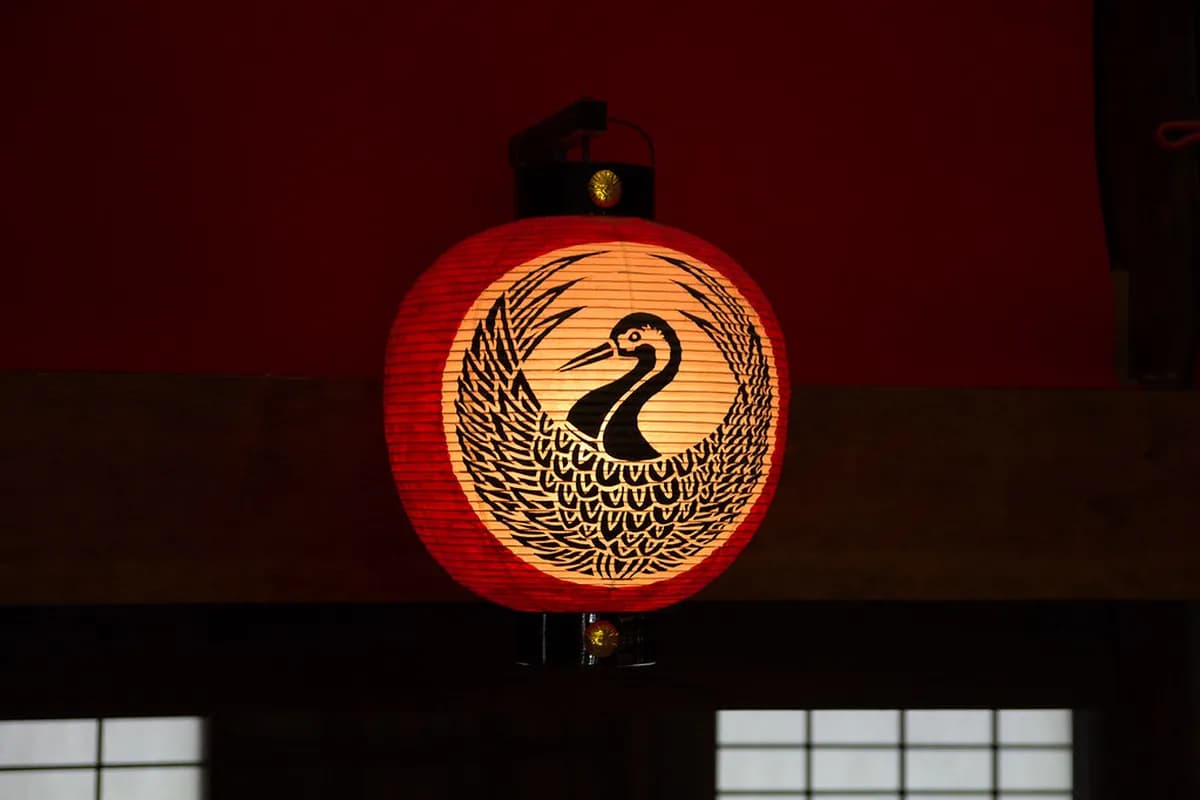
Kotohira Day Trip Travel Guide
Plan your kotohira day trip with top picks, timing tips, transport from Takamatsu or Okayama, and practical advice for a smoother 2026 visit.
On this page
Kotohira is a compact town in western Kagawa Prefecture that makes for one of Shikoku's most rewarding day trips. The town centers on Kotohira-gu (Konpira-san), a revered Shinto shrine complex reached by climbing 785 steep stone steps up Mt. Zozu. Trains from Takamatsu reach JR Kotohira Station in under an hour, making this one of Shikoku's most accessible inland excursions.
This guide covers the shrine climb, the cultural sights below, and the practical details that help you time the day well. Whether you have a half-day or a full day, Kotohira rewards visitors who arrive early and set a clear plan before starting the climb.
Must-See Kotohira Attractions
Good to know
Plan your visit to Kotohira with these useful official and local resources:
Kotohira's most famous draw is Konpira-san, but the town holds several cultural sights worth folding into your visit. The main things to do in kotohira span the shrine grounds, the historic sando approach street, and a cluster of museums within easy walking distance of the station. Allow at least three hours to cover the shrine climb and one or two sights at the base.
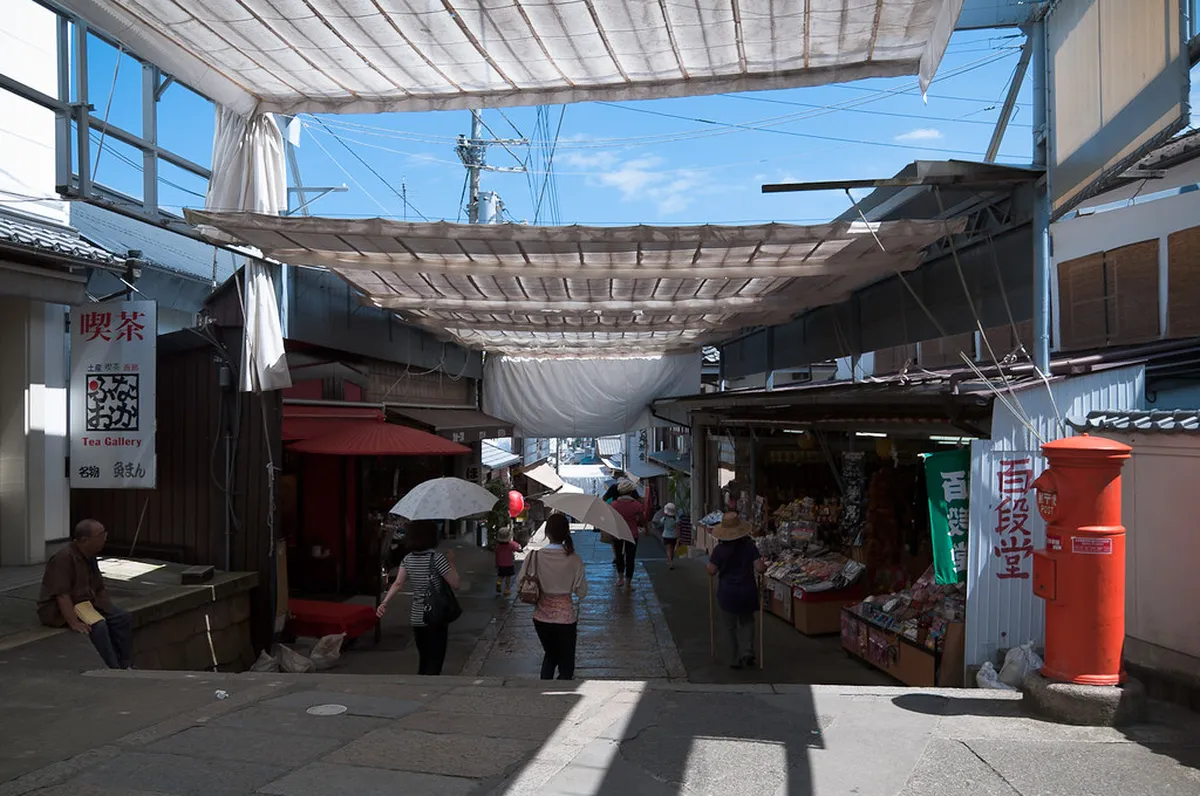
The Omotesando sando is the first stretch visitors encounter after leaving the station. For roughly the first ten minutes, shops on both sides sell lacquerware, wooden crafts, udon, and local sweets. Most sando shops open after 9am and close between 5 and 6pm, with some smaller stalls shutting as early as 2pm.
- Konpira-san Shrine (Kotohira-gu)
- This sacred mountain shrine draws pilgrims to its 785 stone steps and panoramic hilltop views.
- The main shrine closes at 6pm, with the goshuin stamp counter shutting at 5pm.
- Rental walking sticks are available from sando shops at the base of the staircase.
- Omotesando Sando Shopping Street
- A charming approach lined with souvenir shops, udon restaurants, and handcrafted woodwork stalls.
- Shop hours run roughly 9am to 5 or 6pm, with some smaller stalls closing around 2pm.
- Stop at Iwaza near the entrance for handcrafted goshuin books and decorative power stones.
- The Kanamaruza Kabuki Theater
- Japan's oldest surviving kabuki theater, built in 1835 and listed as a National Cultural Property.
- The theater hosts live kabuki performances each April during the annual spring festival season.
- Self-guided tours cover the preserved stage, dressing rooms, and tiered audience galleries.
- The Kinryo Sake Museum
- A free-entry museum tracing two centuries of Kinryo sake brewing history in Kagawa Prefecture.
- Located steps from the sando base, making it an easy add-on before or after the shrine climb.
- Visitors can sample award-winning sake varieties and view historic brewing equipment on display.
The Konpira-san Climb: 785 Steps to the Top
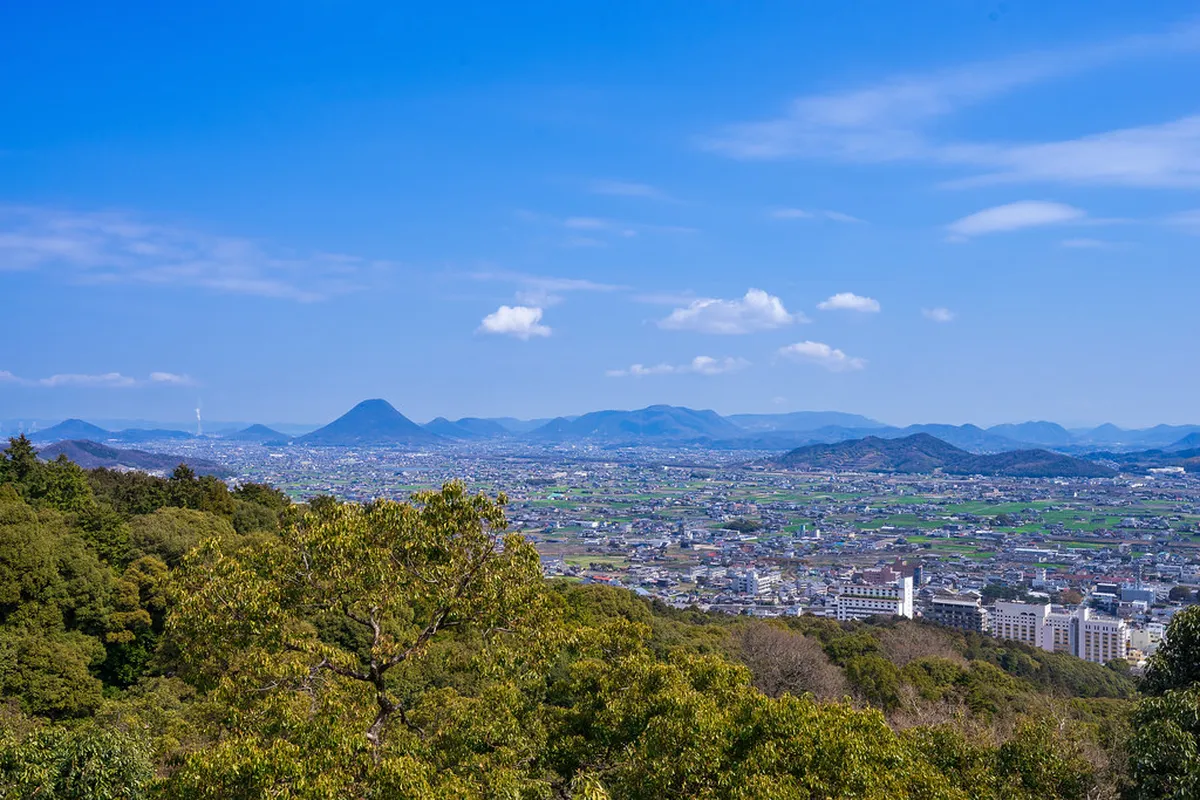
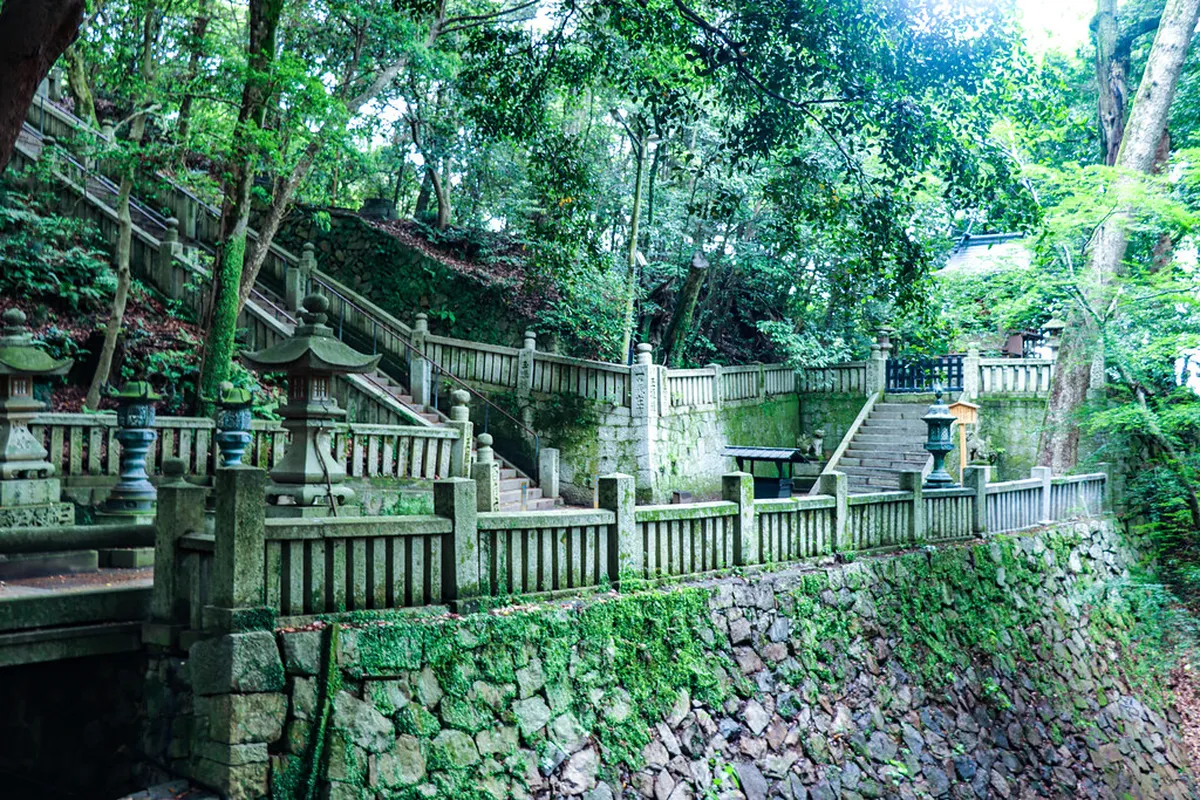
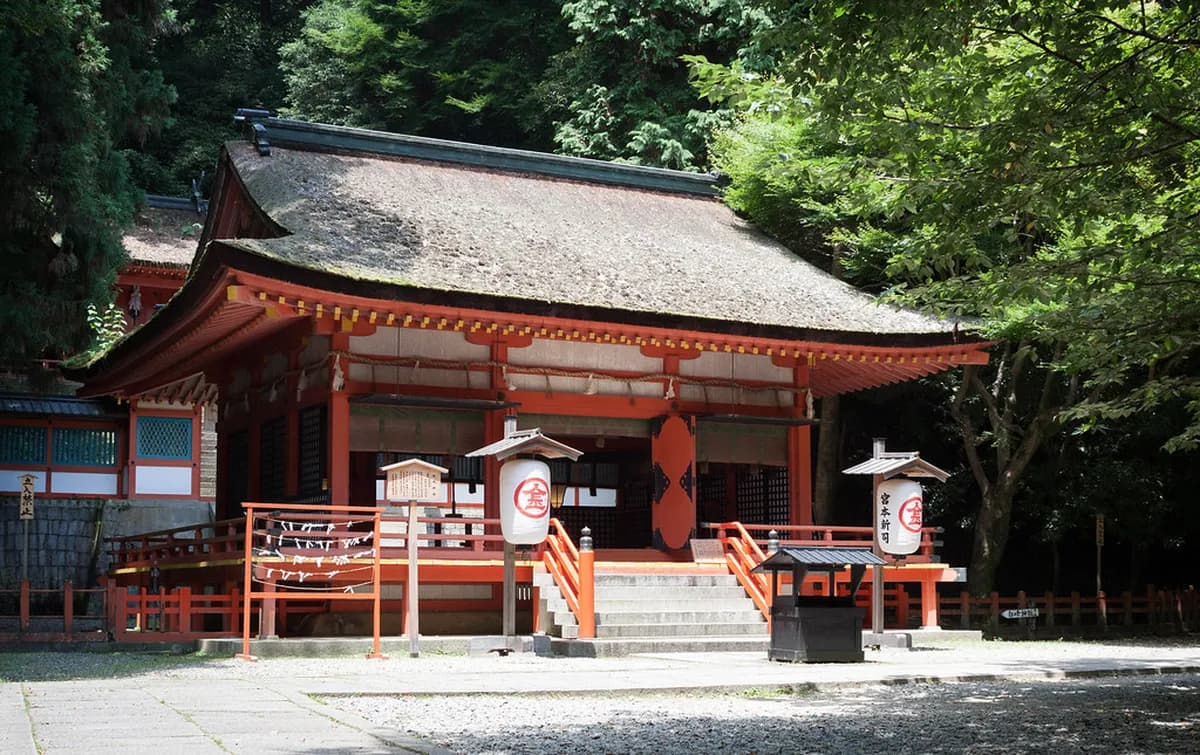
The stone staircase to Kotohira-gu's main shrine totals 785 steps, and the climb takes around 30 to 50 minutes one way. From the main shrine (Gohon-gu), panoramic views of the Sanuki Plain spread out far below the mountain. Most day-trippers treat Gohon-gu as the natural finish line, and for a half-day visit, that is the right call.
A further 583 steps past Gohon-gu lead to Izutama Shrine, the inner sanctum perched even higher on Mt. Zozu. The incline steepens noticeably on this second stretch, so budget an extra 45 to 60 minutes beyond the main shrine. The full round trip to the inner shrine and back takes most visitors three to four hours from the base.
Rental walking sticks are sold at sando shops near the entrance, and they make the descent considerably easier on the knees. Wear closed-toe shoes and carry water, especially in summer when the stone steps absorb heat quickly.
A detail many visitors miss: the goshuin seal counter at the main shrine closes at 5pm, a full hour before the shrine itself shuts. The shrine gates remain open until 6pm, but missing the 5pm window means leaving without a stamp. For the full Konpira-san 1,368 steps route guide with landmark stops and rest points, see our dedicated climb breakdown. Aim to start the ascent no later than 3pm if collecting a goshuin seal is on your list.
Culture and History Beyond the Shrine
Kotohira packs more cultural depth into a small footprint than its size suggests. The Kanamaruza Kabuki Theater is Japan's oldest existing kabuki venue, built in 1835 and designated a National Important Cultural Property. Entry covers a self-guided tour of the preserved stage, actor dressing rooms, and the tiered galleries where audiences once sat.
In April, the theater hosts its annual spring kabuki festival, drawing performers and audiences from across Japan. Visiting outside April still gives full access to the historic building, backstage areas, and rotating exhibit rooms.
A short walk away, the Kinryo Sake Museum is free to enter and traces two centuries of local brewing tradition. A tasting counter at the end lets visitors sample Kinryo varieties still produced in Kagawa Prefecture today. The adjacent Kotohira Maritime Museum covers the town's long-standing ties to seafarers and the sea deity enshrined at Konpira-san.
Both museums sit near the sando base, so they slot naturally into the first hour or the final stretch of your day. Budget around 30 minutes each for the theater and the sake museum, or a full hour if you prefer to explore at a relaxed pace.
Getting to Kotohira from Takamatsu or Okayama
From Takamatsu, the most direct route is the JR Kotoku or Dosan Line to JR Kotohira Station. Journey time ranges from around 45 minutes on a limited express to 1 hour 15 minutes on a local train. The private Kotoden Kotohira Line from Takamatsu Chikko Station is a slower but scenic alternative, taking about one hour.
From Okayama, take the JR Seto-Ohashi Line to Tadotsu, then transfer to the Dosan Line toward Kotohira. An hourly limited express on the Dosan Line completes the Okayama-to-Kotohira leg in approximately one hour. This route makes Kotohira a natural inland stop when moving west across Kagawa toward Kochi or Matsuyama.
Travelers covering multiple Shikoku cities can consider the JR All Shikoku Rail Pass for unlimited travel on JR lines and selected island buses. Once at either Kotohira station, the sando entrance is a flat 15-minute walk from the platform.
Kotohira also pairs naturally with nearby Marugame, just 20 minutes east by train. Marugame Castle is one of Japan's twelve surviving original castle keeps, with impressive stone-wall fortifications worth the brief stop. Adding Marugame on the way back to Takamatsu turns the Kotohira day trip into a fuller exploration of western Kagawa.
How to Plan Your Kotohira Day Trip
Arriving at Kotohira by 9am offers cooler temperatures and quieter shrine grounds before the mid-morning crowds build. The 8:25am train from Takamatsu arrives just after 9am, while the sando is still calm and uncrowded. Starting the climb early also means finishing at the main shrine well before the 5pm goshuin deadline.
A half-day plan covers the shrine climb to Gohon-gu, a sando browse, and a bowl of Sanuki udon for lunch. Full-day visitors can extend to the inner shrine, Kanamaruza Theater, and the Kinryo Sake Museum without rushing any one stop. For seasonal guidance, the Best Time To Visit Kotohira Travel Guide guide covers spring cherry blossom and autumn foliage windows in detail.
Budget travelers will be pleased that most of Kotohira is free to experience. Walking the sando, climbing to the main shrine, and visiting the Kinryo Sake Museum all carry no admission fee. Kanamaruza admission runs around 500 yen, making a full cultural day one of Shikoku's stronger value outings.
Overnight visitors can book Kotohira Kadan, a historic ryokan with private onsen baths and traditional kaiseki dining. A post-hike soak in a natural hot spring is one of the most compelling reasons to extend beyond a day trip. Budget travelers also have clean hostel options close to the station with private and dormitory room choices.
Frequently Asked Questions
How long does a Kotohira day trip take?
A half-day covers the main shrine climb and a sando browse, taking around three to four hours total. Full-day visitors can add the inner shrine, Kanamaruza Theater, and the Kinryo Sake Museum comfortably without rushing. Plan to finish your climb by 5pm to catch the goshuin stamp counter before it closes for the day.
How many steps are there at Kotohira Shrine?
Kotohira-gu has 785 stone steps to the main shrine (Gohon-gu) and a further 583 steps to Izutama, the inner shrine, totaling 1,368 steps. The main shrine is the realistic goal for most visitors, taking 30 to 50 minutes from the base of the staircase. Those with extra energy and time can continue upward to the inner sanctum.
Is Kotohira worth visiting as a day trip from Takamatsu?
Kotohira is one of the most satisfying short day trips in Shikoku, offering genuine cultural depth without the heavy crowds found at better-known destinations. The shrine climb, historic sando, and compact cluster of museums deliver strong value for a single day out. It suits travelers who enjoy combining outdoor activity with Japanese history, food, and traditional crafts.
What time do shops close on the Kotohira sando?
Most sando souvenir shops open after 9am and close between 5 and 6pm, though some smaller stalls may shut by 2pm. Arriving early gives the best selection and the quietest browsing conditions on the approach street. The goshuin stamp counter at the main shrine also closes at 5pm, so factor that cutoff into your climb timing.
Kotohira earns its place as one of Shikoku's most satisfying compact day trips. The shrine climb, lively sando, and cluster of cultural sights make it unusually complete for a small town. Arriving early and setting a clear endpoint — whether the main shrine or the inner sanctum — keeps the visit focused and genuinely rewarding.
For more ideas on planning your Shikoku itinerary, browse our Japan travel articles for regional day trip inspiration and route planning. Kotohira fits naturally alongside Takamatsu, Marugame, and the Iya Valley as a core stop on any Kagawa circuit. Give yourself permission to take the stairs slowly, and the day will reward you well beyond the summit.
Free guide: Japan's Hidden Gems
12 under-the-radar places beyond Tokyo & Kyoto — with the best season to visit each and a local tip you won't find in the guidebooks.
You might also like


Continue reading
More guides you'll find useful