
Visit Kanamaruza: Japan's Oldest Kabuki Theatre
Plan your Kanamaruza visit with entry prices, self-guided tour tips, the annual April kabuki festival, and practical advice for your Kotohira trip.
On this page
Kanamaruza — also called the Konpira Grand Theatre — is Japan's oldest surviving kabuki playhouse, located in Kotohira, Kagawa Prefecture. Built in 1835 during the late Edo period, the theatre still looks and operates much as it did nearly 200 years ago. Every rope, lever, and wooden roller inside runs by hand — no digital systems, no electric rigs during live performances.
On most days, Kanamaruza functions as a self-guided museum where visitors can walk the stage and explore the backstage. Those exploring the area will find the top Kotohira attractions pair naturally with a theatre stop. Together they make a full and rewarding day in this quiet Kagawa pilgrimage town.
Japan's Oldest Kabuki Playhouse
Good to know
Plan your visit to Kotohira with these useful official and local resources:
Kotohira grew as a pilgrimage town serving Kotohiragu Shrine, and travelers arriving in all seasons needed evening entertainment. Before 1835, temporary playhouses were set up several times a year to entertain these visitors. The permanent Kanamaruza was built to give performances a reliable, all-weather home with a proper roof and adjustable skylights.
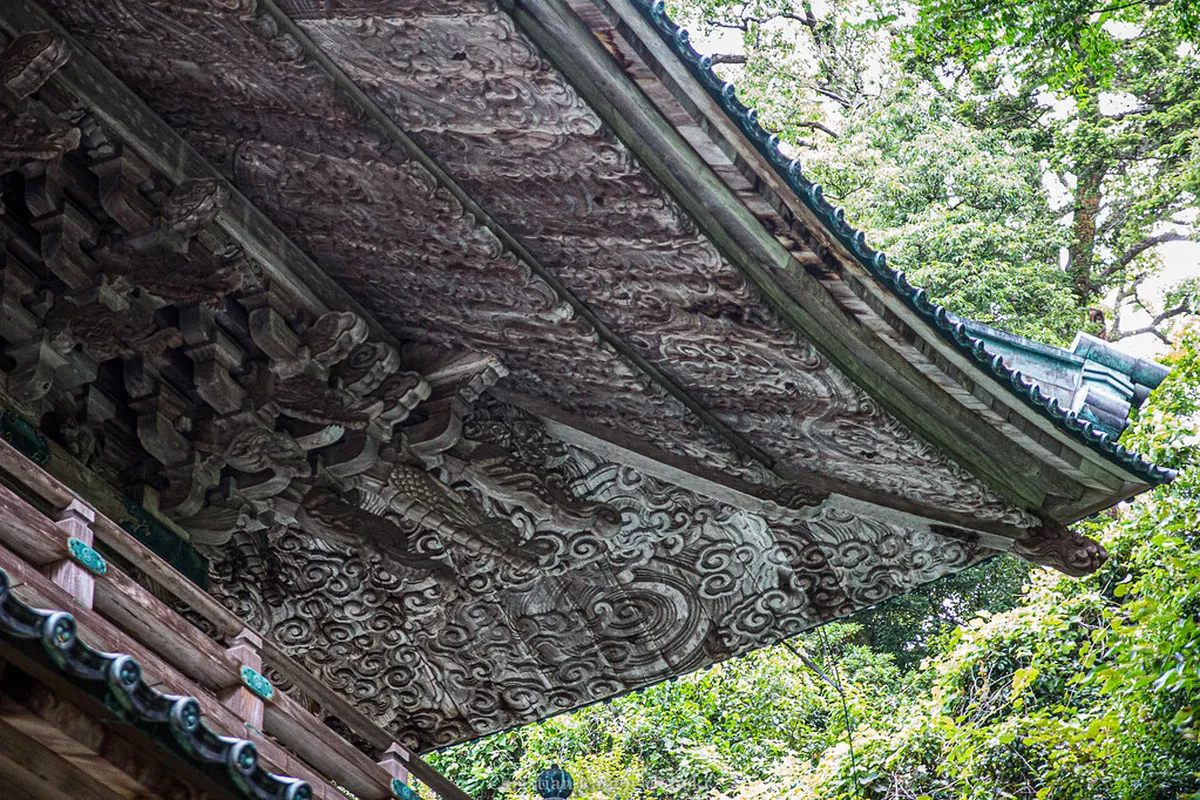
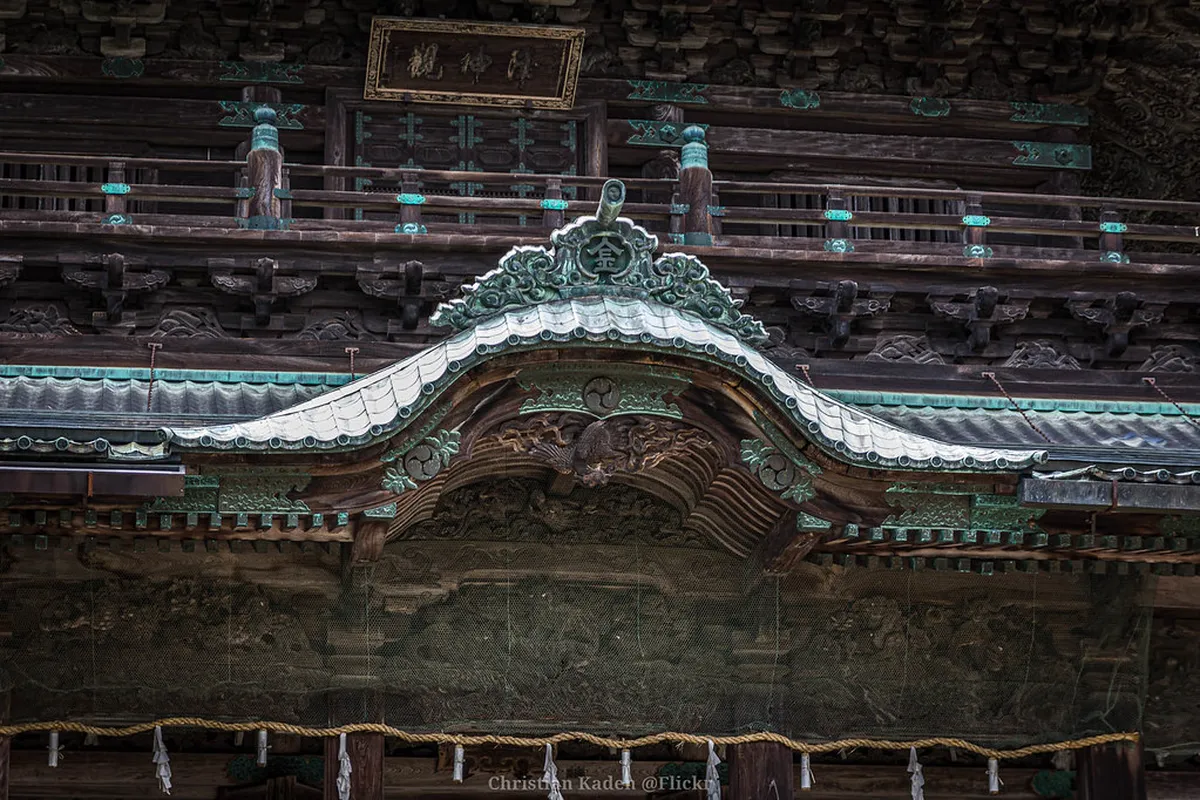
The building is registered as a National Important Cultural Property, and the interior has been restored to its original Edo-period appearance. Combining the Kotohiragu Shrine climb with a Kanamaruza visit covers both the spiritual and cultural heart of Kotohira. Few places in Japan let you experience both within a single afternoon.
What makes Kanamaruza exceptional is that nothing here is for show. The revolving stage still turns by human effort, and trapdoors rise and drop on rope rigs. The hanamichi runway still delivers actors through the seated audience, just as it did in the 1800s. When professional troupes perform in April, the same systems that moved scenery for Edo-period audiences carry the weight of the show today.
What to See on Your Self-Guided Tour
The self-guided route through Kanamaruza moves logically from entrance to stage to backstage and finally up to the balcony seating. The theatre provides an English-language flyer at the door, which covers the main features and explains the Japanese terms you will encounter. Photography is permitted throughout, so there is no need to rush.
Inside the main hall, the hanamichi runway bisects the tatami seating from right to left and connects the audience to the stage. A square trap lift called the suppon sits partway along the hanamichi, letting actors rise as spirits or vanish below the stage. The kari-hanamichi, a second narrower runway on the left, means the action can surround the audience on three sides simultaneously.
Backstage, the rooms are deliberately compact — quick costume changes happen in these tight corridors during live performances. Wig stands, open costume racks, and makeup tables line the backstage walls, serving a quick-change crew during performance days. A small waiting room off the hanamichi serves as the actor's final pause before each entrance. Even without a show in progress, the layout makes it easy to picture the controlled pace of a performance day.
- The hanamichi runway
- A raised walkway runs through tatami seating straight to the main stage.
- Actors enter through the audience along this runway for maximum dramatic impact.
- The suppon trap lift
- A square platform set into the hanamichi for dramatic actor entrances and exits.
- Spirits and ninja characters rise or vanish here during live kabuki performances.
- The revolving stage (mawari-butai)
- A circular rotating platform at centre stage that enables fast scene changes.
- Stagehands turn the entire platform by hand using wooden rollers underneath.
- The backstage rooms
- Tight corridors where actors change full costumes in seconds during quick transitions.
- Wig stands and open racks hold kabuki regalia ready for performance-day use.
- The upper seating balcony
- A raised gallery offering a clear overhead view of both runways and the stage.
- Once reserved for local lords and officials, this gallery is now open to all visitors.
Under the Stage: The Engine Room
Descending the stairs beneath the main stage is the most surprising part of the Kanamaruza tour. The basement has a compacted dirt floor and a low ceiling supported by heavy wooden beams. Circular footholds pressed into the dirt mark exactly where stagehands stand to push and turn the revolving platform above their heads.
The mawari-butai revolving stage rests on a ring of wooden rollers that trained volunteers push by hand during shows. The seri lift at centre stage rises and drops on a rope-and-lever rig, simple in design but precise in operation. Trapdoors at different points connect the floor above to the basement below, letting actors appear and vanish with no mechanical delay.
Most theatrical venues today hide their machinery behind steel and motors, so the Kanamaruza basement is genuinely unusual. Standing next to the wooden rollers and hemp ropes makes the scale of human effort behind each kabuki show very tangible. Unlike most heritage theatres, the Kanamaruza machinery is not preserved as a museum piece — it runs under a full cast every April.
The April Konpira Kabuki Oshibai
Each spring, usually in April, Kanamaruza hosts the Shikoku Konpira Kabuki Oshibai, drawing leading kabuki actors from across Japan. The theatre closes to self-guided visitors during the performance run as the entire building shifts into working-playhouse mode. The Japan National Tourism Organization lists this spring run as one of Japan's most authentic kabuki experiences.
Performance days typically offer two programs: a midday matinee and an evening show. Each program mixes a long period drama with a shorter dance piece, with an intermission between them. The hall holds only 740 seats and popular performance days sell out within hours of the booking window opening. Plan your timing carefully using our guide to the Best Time To Visit Kotohira Travel Guide, as April festival tickets disappear fast.
The town dresses for the occasion with actor banners hung around the theatre entrance and kimono brightening the streets between performances. Cafés near the theatre fill up in the hours before curtain, and the courtyard hums with anticipation before each show. Many visitors rent kimono for the day, which is optional but adds warmly to the shared atmosphere of the event.
Tickets, Hours, and Planning Tips
Kanamaruza opens for self-guided visits daily from 9:00 am to 5:00 pm on non-performance days, which covers most of the year. Admission is ¥500 for adults, ¥300 for junior and senior high school students, and ¥200 for primary school students. Verify current prices and any scheduled closures at Japan-Guide.com before your visit.
A relaxed self-guided visit takes 45 to 60 minutes, though the backstage and basement can push that to 90 minutes. Removing shoes at the entrance is required, and socks are strongly recommended for navigating the tatami and steep basement stairs. An audio guide is available from Konpirabunka.com if you want more detail on individual features during your walk. Pair the theatre with our Kotohira day trip guide to build a full, well-paced day in town.
- Adult admission
- Entry costs ¥500 per adult on non-performance, self-guided visit days.
- Confirm the latest pricing at the official Kagawa tourism website before visiting.
- Student admission (junior and senior high)
- Students in junior or senior high school pay ¥300 at the entrance.
- Bring a student ID or school card to confirm eligibility at the ticket booth.
- Children's admission (primary school)
- Primary school-age children enter for ¥200 on self-guided visit days.
- Supervise young children carefully in the under-stage area, which has steep stairs and low beams.
- Opening hours
- The theatre is open daily from 9:00 am to 5:00 pm throughout most of the year.
- It closes completely during performance periods, typically across several weeks each April.
Frequently Asked Questions
Is Kanamaruza really Japan's oldest working kabuki theatre?
Yes — Kanamaruza was built in 1835 during the Edo period and is widely recognized as the oldest surviving kabuki playhouse in Japan. It still hosts live performances during the annual April festival and operates with the same all-manual stagecraft — revolving stage, rope lifts, and trapdoors — that was in place at its opening.
How long does a visit to Kanamaruza take?
A self-guided visit typically takes 45 to 60 minutes at a comfortable pace. Spending extra time in the backstage rooms and the under-stage area can stretch the visit to around 90 minutes. Guided tours in Japanese add additional commentary and may run slightly longer than the self-guided route.
How do I buy tickets for the April Kabuki festival in Kotohira?
Festival tickets go on sale online through the official booking channels when the spring schedule is announced, usually a few months before April. The hall holds only 740 seats and popular performance days sell out quickly. Book as soon as dates go live and check for the matinee option if evening shows are already full.
Can foreigners enjoy Kanamaruza without speaking Japanese?
Absolutely — an English-language flyer at the entrance explains the main features and key Japanese terms. The stage machinery, hanamichi runway, and backstage rooms communicate their purpose without translation. During the April festival, kabuki's blend of movement, costume, and live music makes the performance accessible to any first-time viewer, regardless of language.
What should I combine with Kanamaruza for a full day in Kotohira?
Kanamaruza sits within a short walk of Kotohiragu Shrine and its famous 1,368-step approach. Combining the theatre with the Kinryo Sake Museum and the shrine makes for a well-rounded full-day visit without needing to rush. All three attractions cluster near the shrine approach and are easy to connect without a car.
Kanamaruza rewards visitors who linger beyond the obvious stage and look at the small details. The worn tatami and rope grooves in the wooden rollers speak to nearly two centuries of continuous use. It is one of the few places in Japan where the history of live performance is physically intact and genuinely touchable.
Planning a visit around the April festival is worth the extra effort if schedules allow. The town's shift into festival mode — banners, kimono, full houses — turns Kotohira into a different place for those spring weeks. Either way, Kanamaruza belongs on any Shikoku itinerary for travelers curious about Japanese culture, performance, or traditional craft.
Free guide: Japan's Hidden Gems
12 under-the-radar places beyond Tokyo & Kyoto — with the best season to visit each and a local tip you won't find in the guidebooks.
You might also like


Continue reading
More guides you'll find useful


