

Autumn Festivals in Japan: 2026 Dates, Costs, and Where to Go
See 2026 dates for autumn festivals in Japan, from Takayama and Nagasaki Kunchi to Jidai Matsuri and Kishiwada Danjiri, plus costs and booking tips.
On this page
Last updated September 2026. Autumn festivals in Japan run early September through mid-November, layering harvest rituals, float parades, and fire rites onto peak foliage season. Many trips are timed around the best autumn foliage spots, since several of the festivals below double as prime koyo viewing.
The Best Autumn Festivals in Japan for 2026
Five festivals anchor most autumn itineraries. Takayama Autumn Festival, Nagasaki Kunchi, Jidai Matsuri, Kishiwada Danjiri Matsuri, and Kurama Fire Festival top the list. Book lodging and any paid seating first. Build the rest of the trip around the best time to visit Japan for foliage and weather. Each entry below links to a full guide with access details and crowd tips. Unlike cherry blossom season, autumn's festival dates are fixed years in advance, which makes planning more predictable.
Reserve Takayama and Nagasaki lodging 6 or more months in advance; rooms for festival dates book out early, so plan lodging before flights.
- Takayama Autumn Festival (Oct 9-10, 2026) — Gifu: 11 ornate floats parade through the old town and roughly 100 lanterns light the night procession. See the 2026 festival guide for viewing spots.
- Nagasaki Kunchi (Oct 7-9, 2026) — Suwa Shrine: dragon dances and Dutch- and Chinese-influenced floats mark more than 400 years of tradition, and Sajiki seating sells out weeks ahead.
- Jidai Matsuri (Oct 22, 2026) — Kyoto: a roughly 2,000-person procession at Heian Jingu Shrine retraces eras of history. Read the full Jidai Matsuri guide.
- Kishiwada Danjiri Matsuri (Sept 18-20, 2026) — Osaka: teams of around 500 pull 4-tonne (8,800 lb) wooden floats through tight corners at speed.
- Kurama Fire Festival (Oct 22, 2026) — Kyoto: torch-bearers light the mountain path to the shrine starting around 18:00. See the Kurama Fire Festival 2026: Schedule, Transit & Crowd Guide.
September in Japan: Early Autumn Festivals and Events
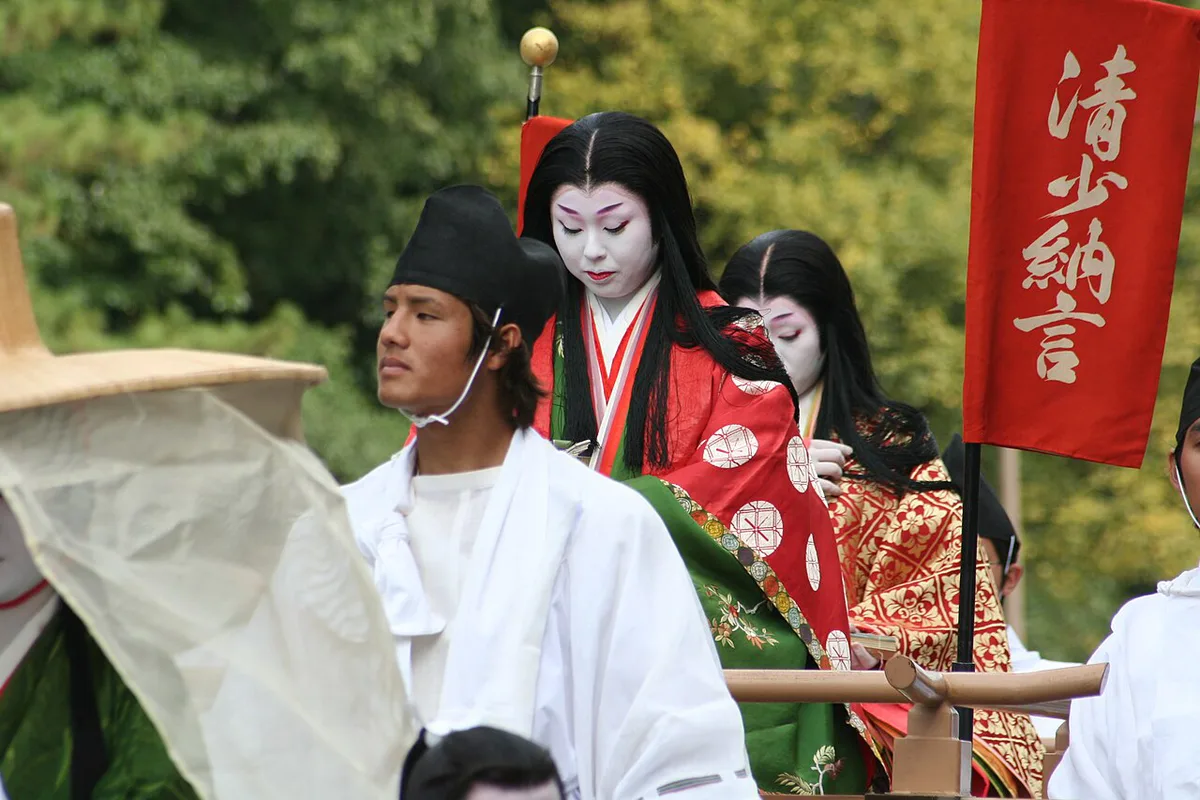
September opens autumn with a mix of quiet ritual and loud spectacle. Otsukimi, the moon-viewing festival, falls on September 25, 2026. The harvest moon is honored with dango and pampas grass at sites such as Daikaku-ji in Kyoto. Kishiwada Danjiri Matsuri runs September 18-20, 2026, in Osaka, and it is the wildest event on this list; confirm exact dates locally, since sources list slightly different weekends. Teams of around 500 pull 4-tonne (8,800 lb) danjiri floats around sharp corners in a maneuver called yarimawashi. Stand back from the turns and give the pullers room to swing wide. Tokyo also hosts the September Grand Sumo Tournament, running September 12-27, 2026, at Ryogoku Kokugikan. Single-day tickets move fast for weekend bouts, so check availability as soon as the schedule opens. September still carries summer heat, with Tokyo highs often near 28°C (82°F) early in the month. September also overlaps with Japan's typhoon season, and Japan's Meteorological Agency is the best source for real-time storm tracking. See the typhoon season travel guide for how storms can affect train and flight schedules.
October in Japan: Peak Festival Season
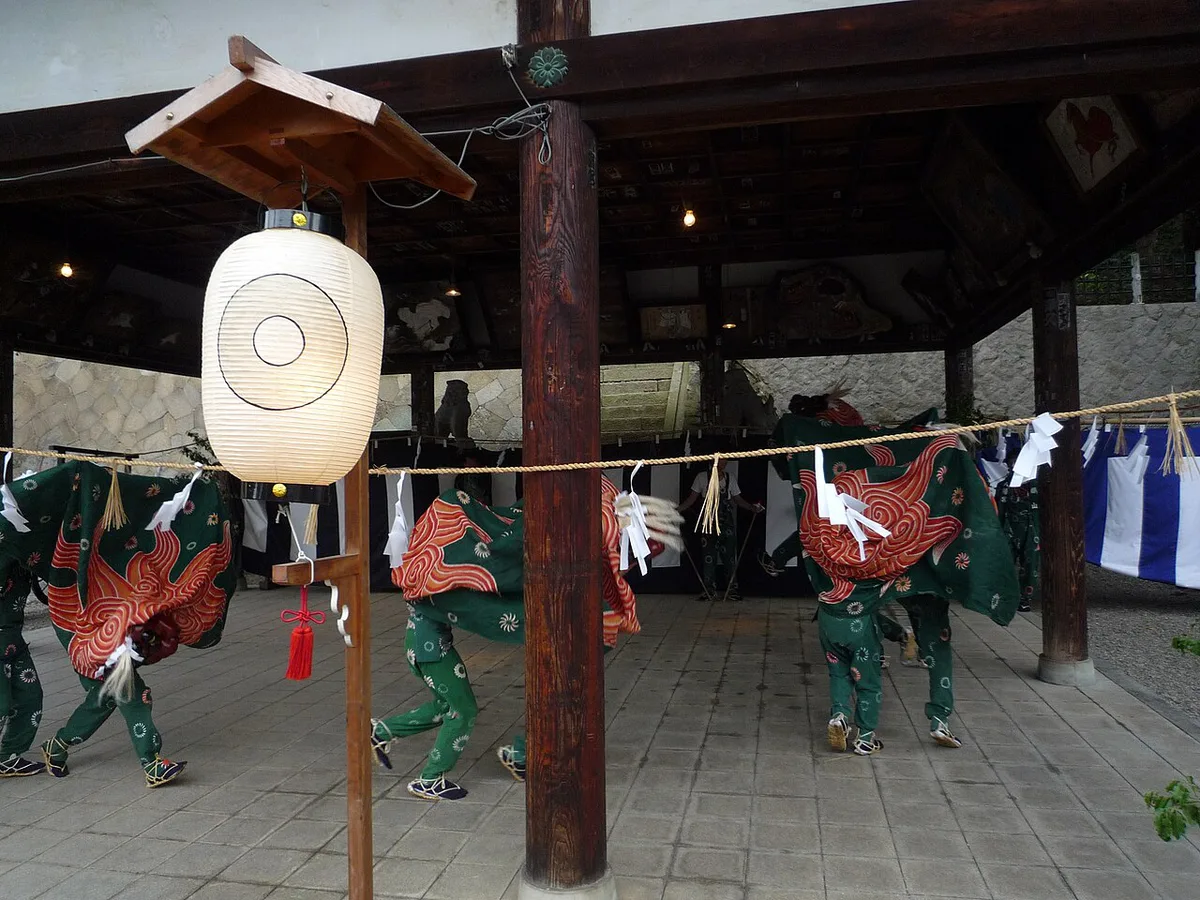
October packs the densest festival calendar of the year. Takayama Autumn Festival takes over the old town around Sakurayama Hachimangu Shrine on October 9 and 10, 2026. Eleven floats, recognized as Important Tangible Folk Cultural Assets, parade by day and glow under roughly 100 lanterns after dark. Some floats carry karakuri marionettes worked by hidden puppeteers. Plan around Takayama's autumn foliage timing for floats set against fall color. Festival-specific logistics, including viewing spots, are in the 2026 Takayama Autumn Festival guide. Nagasaki Kunchi runs October 7-9, 2026, at Suwa Shrine, with additional performances at Otabisho, Yasaka Shrine, and Chuo Park. Dragon dances and Dutch- and Chinese-influenced floats reflect the city's centuries as a trading port. Paid Sajiki seating often sells out weeks in advance through Japanese-language platforms, so street viewing is the realistic option for most overseas visitors. Jidai Matsuri, the Festival of Ages, fills central Kyoto on October 22, 2026, at Heian Jingu Shrine. The roughly 2,000-person procession represents Kyoto's history since the Meiji Restoration, and every costume and prop is made under specialist supervision. Full route and viewing advice are in the Jidai Matsuri Kyoto: A Complete Guide to the Parade of the Ages. Kurama Fire Festival happens the same evening, October 22, 2026, in the mountain village of Kurama. Bonfires and torches light outside homes from around 18:00, and torch-bearers carry the flame up the narrow street to the shrine above the village. Streets are narrow and crowds are heavy, so budget extra transit time; the Kurama Fire Festival 2026: Schedule, Transit & Crowd Guide covers train timing and safety notes. Kawagoe Festival, rooted in Hikawa Shrine tradition, runs October 17-18, 2026, with two-story dashi floats competing in musical contests called hayashi. The event dates back more than 370 years and works as an easy day trip from Tokyo. Kagurazaka's Bakeneko Cat Parade adds a lighter note on October 11, 2026, from 10:00 to 17:00. Participants dress as shape-shifting folklore cats and parade through the neighborhood's streets. October weather is milder than September, with Kyoto daytime highs typically near 20°C (68°F) and cooler evenings at outdoor events like Kurama. Nikko's maples usually reach peak color around the same weeks, per the Nikko Fall Foliage When To See: 10 Essential Tips & Spots. Weather and crowd patterns for the whole month are in the guide to Japan in October.
November in Japan: Late-Autumn and Spiritual Traditions
November slows the festival calendar but adds two deeply rooted traditions. Tori no Ichi, the Rooster Markets, take place at Otori Shrine in Asakusa and Hanazono Shrine in Shinjuku on November 7 and 19, 2026. Vendors sell kumade, decorated bamboo rakes bought as good-luck charms for the coming year. Shichi-Go-San ceremonies happen on or around November 15 at shrines nationwide, marking milestones for three-, five-, and seven-year-old children in formal dress. Children receive chitose ame, red-and-white candy sticks, after the shrine visit. Nara Park pairs deer-dotted lawns with deep red maples and gold ginkgo through November, alongside events such as the Kasuga Wakamiya Onmatsuri. Check Nara's autumn foliage guide for peak timing before booking a day trip. Kamakura's maples typically hold color into late November; the Kamakura Autumn Leaves Guide: 10 Best Spots & Tips has temple-by-temple timing. Momijidani Park on Miyajima runs a similar late-season window, covered in the Miyajima autumn foliage guide. Hiroshima's broader autumn color window is covered in this regional guide. Expect a real chill by mid-November, with morning lows in Kyoto and Nara commonly dropping to 5-8°C (41-46°F). Full weather and crowd patterns for the month are in the guide to Japan in November.
Modern and Niche Autumn Events
Not every autumn event in Japan is centuries old. Universal Studios Japan runs Halloween Horror Night from September 11 through November 8, 2026, its 15th edition. Daytime brings family-friendly character events; after dark, the park fills with zombie performers and dance numbers. Huis Ten Bosch in Nagasaki runs a Halloween festival from September 18 through November 3, 2026. The program adds a parade, trick-or-treating, and a lantern-lit night walk with projection mapping. Tokyo Disney Resort also runs seasonal Halloween programming each autumn; confirm current 2026 dates on the resort's official site before planning around it. Tokyo's Oedo Antique Market, one of the country's largest outdoor antique markets, includes a 2026 sitting around September 21 and runs most months at the Tokyo International Forum. Vintage kimono, ceramics, and imported goods fill the stalls. Nara's Shoso-in exhibition opens each autumn with a rotating display of Imperial treasures normally kept in storage. Dates shift year to year, so check the Shoso-in autumn exhibition guide before building a Nara trip around it.
Regional Autumn Festivals Beyond the Big Three Cities
Kyoto, Nagasaki, and Takayama draw most of the attention, but regional festivals reward the extra travel time. Niihama Taiko Festival in Ehime runs October 16-18, 2026. Fifty-four taiko-dai floats parade through downtown Niihama, each about 3 tons (6,600 lb) and 5.5 meters (18 ft) tall. Teams of about 150 men carry each float and compete in kakikurabe, lifting them as high as possible without wheels. Sendai Otsunahiki, a tug-of-war festival in Satsumasendai, Kagoshima, happens every September 22. Its hand-woven rope runs 365 meters (1,198 ft) long and weighs about 7 tons (15,400 lb). Roughly 3,000 people pull against each other on Mukoda Main Street. Karatsu Kunchi in Saga is a UNESCO-listed float festival that runs November 2-4, 2026. Fourteen lacquered, gold-leafed floats weigh more than 2 tons (4,400 lb) each. More Kyushu festival coverage is in the guide to Fukuoka's autumn festivals. Nada Fighting Festival at Matsubara Hachiman Shrine in Himeji runs October 14-15, 2026, and climaxes when three mikoshi are lifted and collided in a ritual called neriawase. Owara Kaze no Bon in Toyama's Yatsuo district runs September 1-3 and pairs a 400-year-old folk song with lantern-lit dancing through the hillside town. Kanuma Buttsuke Festival in Tochigi runs in mid-October, with 26 carved yatai clashing musically at intersections around Imamiya Shrine.
Season Comparison: September vs October vs November
Vibe, weather, and crowd pressure shift fast across the three autumn months. September still runs warm and overlaps with typhoon risk. October is the festival peak, with the heaviest hotel demand of the season. November trades matsuri density for spiritual ritual and late foliage.
| Month | Overall Vibe | Signature Festivals | Typical Temperatures | Crowd & Booking Note |
|---|---|---|---|---|
| September | Warm, transitional, typhoon risk | Otsukimi (Sept 25), Kishiwada Danjiri Matsuri (Sept 18-20), September Grand Sumo Tournament (Sept 12-27) | Highs near 28°C (82°F) early in the month | Typhoon season can disrupt outdoor plans; book Kishiwada-area lodging early |
| October | Peak festival density, mild and mostly dry | Takayama Autumn Festival (Oct 9-10), Nagasaki Kunchi (Oct 7-9), Jidai Matsuri and Kurama Fire Festival (Oct 22) | Highs around 20°C (68°F), cooler evenings | Takayama and Nagasaki lodging often books 6+ months ahead |
| November | Cool, spiritual, late foliage | Tori no Ichi (Nov 7 & 19), Shichi-Go-San (around Nov 15), Nara Park foliage season | Morning lows 5-8°C (41-46°F) | Fewer crowds than October; pack for cold mornings |
Costs, Tickets, and Getting There
Most traditional matsuri cost nothing to watch from the street. Free viewing covers Takayama's daytime parade, the Kishiwada danjiri runs, and the Jidai Matsuri procession route. Reserved Sajiki grandstand seats for events like Nagasaki Kunchi or Jidai Matsuri cost extra and are sold mostly through Japanese-language platforms, so budget time to sort out access before the trip. Modern events layered into the same weeks show the price range. The Kyoto International Manga & Anime Fair runs about ¥1,800 for entry. Ultra Japan's September 2026 tickets list at roughly ¥25,000. A JR rail pass covers most of the inter-city travel this itinerary needs, including runs to Takayama, Nagasaki, and Kyoto. Regional passes can be cheaper for single-region trips, such as a Kyushu-only pass for Nagasaki Kunchi or Karatsu Kunchi. Takayama and Nagasaki hotel rooms for festival dates often book out 6 or more months in advance. Reserve lodging as soon as 2026 dates are confirmed, especially for the Takayama Autumn Festival weekend. For visas, transit passes, and other trip basics, check the Japan National Tourism Organization site directly. Broader trip-planning basics are also in the Japan Travel Guide: Plan Your Trip with Expert Tips & Itineraries.
Mistakes to Avoid and Pro Tips
Standing too close to a danjiri corner is the most common visitor mistake at Kishiwada. Stay behind the rope lines and give the pullers room to swing wide. Photography rules tighten at Shinto ceremonies such as Jidai Matsuri and Shichi-Go-San. Flash photography and stepping into the procession path are generally discouraged, so check posted signage or ask event staff before shooting close-up. Layering matters more than any single jacket choice this season. Temperatures swing from near 28°C (82°F) in September to single digits Celsius by mid-November. The Japan Packing List: Seasonal & Essential Travel Guide breaks down what to bring for that swing from heat to chill. Weekday visits thin the crowds at Takayama and Jidai Matsuri without changing the festival dates. Arrive at least an hour before a parade start time to claim a curbside spot.
Kishiwada's 4-tonne (8,800 lb) floats require around 500 people per team navigating sharp corners, making rope-line safety essential.
Choose an Autumn Festival by Atmosphere and Crowd Level
Japan’s autumn festivals vary sharply in pace. Choose one that matches your tolerance for crowds, noise, and advance planning. Takayama and Jidai Matsuri suit travelers who want processions, historic detail, and predictable viewing. Kishiwada and Kurama are more intense. They reward preparation, but are less relaxed for families or travelers with limited mobility.
- Refined and accessible: Jidai Matsuri has a long central Kyoto route. Takayama offers daytime floats and a lantern procession in a walkable old town.
- High-energy: Kishiwada Danjiri centers on fast float turns. Watch from designated space and never stand near corners.
- Crowded and dramatic: Kurama Fire Festival fills one narrow village street after dark. Arrive early and expect a slow train journey back.
- Performance-focused: Nagasaki Kunchi combines dragon dances and elaborate float performances. Street viewing is practical when reserved Sajiki seats are unavailable.
For a first festival, Takayama or Jidai Matsuri is usually the easiest choice. Pick Kishiwada or Kurama when spectacle matters more than comfort.
For the wider city context, see our complete Japan tourism attractions guide.
Frequently Asked Questions
When do autumn festivals take place in Japan?
Early autumn brings Otsukimi moon viewing and the Kishiwada Danjiri Matsuri in mid-to-late September. October is the peak month, with the Takayama Autumn Festival, Nagasaki Kunchi, and Jidai Matsuri all landing within about two weeks of each other. November closes the season with Tori no Ichi and Shichi-Go-San.
Which autumn festival in Japan is best for first-time visitors?
Takayama Autumn Festival and Jidai Matsuri work well for a first trip, since both offer free street viewing and fixed, well-publicized routes. Takayama's eleven floats and Jidai Matsuri's roughly 2,000-person procession are easy to follow without advance tickets.
Do you need tickets for Nagasaki Kunchi or Jidai Matsuri?
Free street viewing is available for both, and it covers most of what a first-time visitor needs to see. Paid Sajiki grandstand seats exist for closer views but often sell out weeks in advance through Japanese-language platforms.
How far ahead should you book accommodation for Takayama or Nagasaki Kunchi?
Plan on booking 6 or more months ahead for festival-weekend dates in either city. Rooms near Sakurayama Hachimangu Shrine and central Nagasaki sell out first, so reserve as soon as 2026 dates are confirmed.
What should you pack for Japan's autumn festival season?
Pack layers that work for warm September afternoons and cold November mornings. The Japan Packing List: Seasonal & Essential Travel Guide covers the full range. Outdoor events like Kurama Fire Festival also call for closed-toe shoes and a flashlight for the walk back down.
Free guide: Japan's Hidden Gems
12 under-the-radar places beyond Tokyo & Kyoto — with the best season to visit each and a local tip you won't find in the guidebooks.
You might also like


Continue reading
More guides you'll find useful


