

Japan Fall Foliage Forecast 2026: JMC Dates for Tokyo, Kyoto, Osaka and Beyond
2026 Japan fall foliage forecast: JMC's city-by-city dates for Tokyo, Kyoto, Osaka, Sapporo and more, plus how to plan around a later-than-usual season.
On this page
Last updated September 2026, the Japan Meteorological Corporation's first japan fall foliage forecast for 2026 puts Tokyo's peak red leaves at November 29 and Kyoto's at December 11. Both dates run close to normal, but Hokkaido and Nagano are ten and nine days behind schedule after a hot summer delayed the drop to leaf-turning temperatures. Use the city dates below to book flights and one anchor hotel now, then confirm the exact week once JMC's early-October update narrows the window.
2026 Japan Fall Foliage Forecast: The Quick Answer
The Japan Meteorological Corporation, or JMC, released its first 2026 japan fall foliage forecast on September 2, covering roughly 700 viewing locations and about 3,000 mountains nationwide. Warm summer heat held nighttime temperatures up longer than usual this year, so most cities are tracking average to a few days late. Sapporo and Nagano are the clear outliers, both running nine to ten days behind their long-run averages. JMC's next update lands in early October, then roughly monthly through late November, so treat the table below as a planning baseline rather than a locked date. For the full seasonal picture beyond dates, the autumn in Japan guide covers weather, food and a complete route.
Lock flights now, but hold exact dates until the October update tightens the range. For month-specific weather, see traveling in Japan in October. Also check traveling in Japan in November for peak-window specifics.
| City | Red Leaves 2026 | vs. Average | Yellow Leaves 2026 |
|---|---|---|---|
| Sapporo | Nov 7 | +10 days (avg Oct 28) | Nov 6 |
| Tokyo | Nov 29 | +1 day (avg Nov 28) | Nov 26 |
| Nagano | Nov 21 | +9 days (avg Nov 12) | Nov 14 |
| Nagoya | Dec 2 | +4 days (avg Nov 28) | Nov 17 |
| Kyoto | Dec 11 | +6 days (avg Dec 5) | Nov 27 |
| Osaka | Dec 4 | +3 days (avg Dec 1) | Nov 24 |
| Hiroshima | Nov 28 | +6 days (avg Nov 22) | Nov 20 |
| Fukuoka | Dec 7 | +6 days (avg Dec 1) | Nov 27 |
How the Forecast Works: Latitude, Altitude and the 8°C Threshold
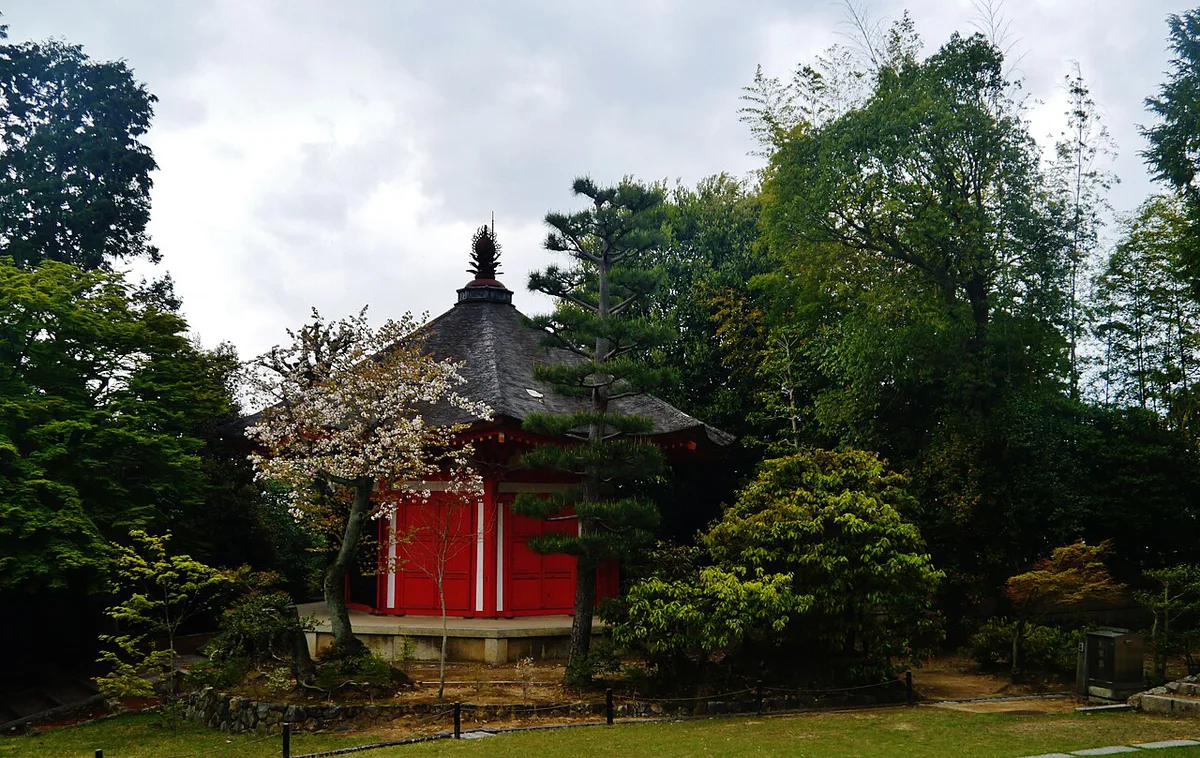
Leaves change color once nightly lows drop to about 8°C (46°F) and chlorophyll production slows down. That threshold holds true everywhere in Japan; what shifts from place to place is when each location actually reaches it. Japan Meteorological Agency sample-tree observation standards set JMC's baseline, and JMC layers its own predictive calculations on top to estimate dates for around 700 locations. JMC also publishes 'actual status' updates once a location has genuinely turned, so a late-season check can confirm color on the ground rather than relying on the forecast alone.
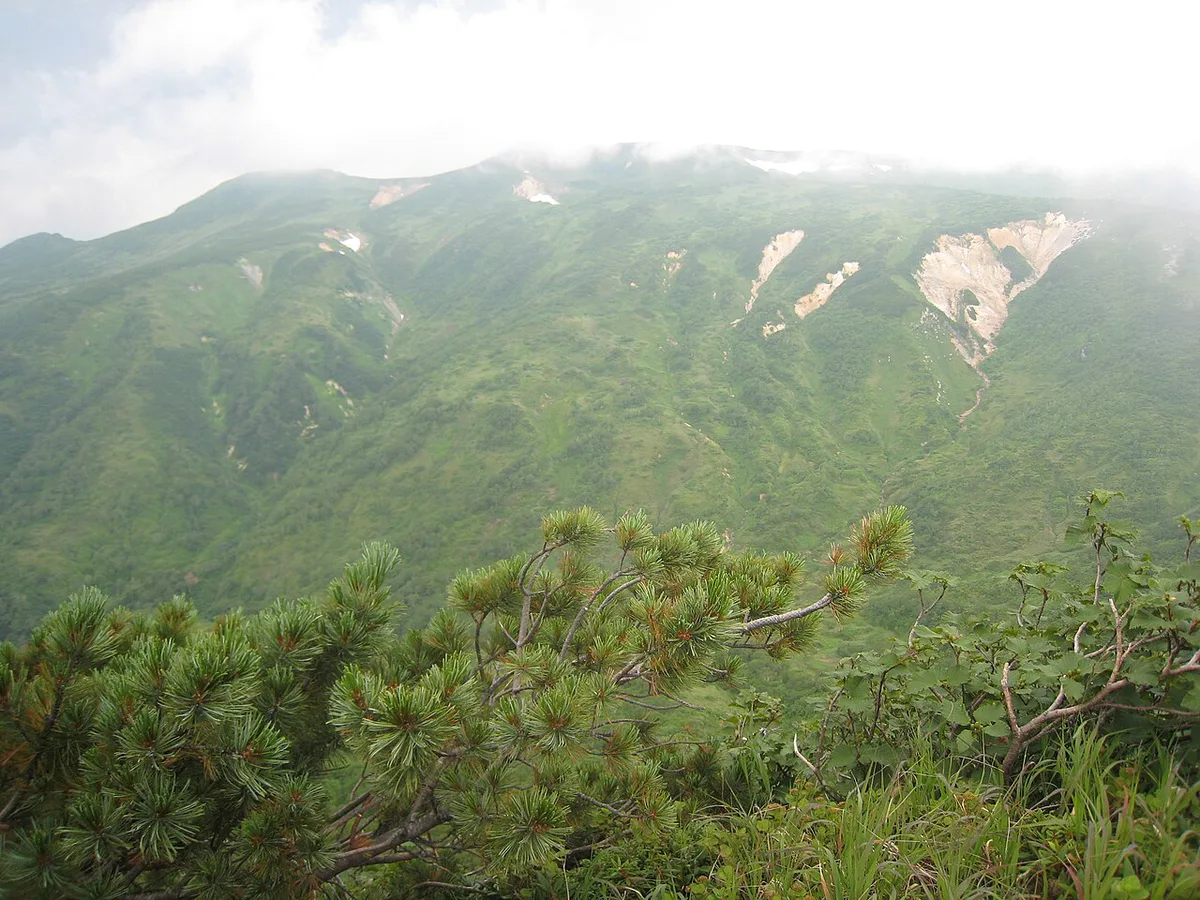
Latitude explains why Hokkaido cools first and Kyushu last. Altitude adds a second axis within the same latitude band. Hokkaido's Mount Asahidake, the highest peak in Daisetsuzan National Park, typically peaks above 1,500 meters between September 21 and October 5, weeks ahead of lowland Sapporo. Tokyo works the same way. Central Tokyo will not peak until late November. Mount Takao's 599-meter summit reaches its best color between November 6 and 20, weeks earlier. Lake Chuzenji, at 1,269 meters near Nikko, peaks mid-to-late October, even earlier still. A traveler based in Tokyo in mid-October can skip the six-week wait with the Nikko foliage day trip instead.
Two separate waves move through each city every year. Ginkgo, or icho, trees turn solid gold one to two weeks before Japanese maples, or momiji, turn red. Tokyo's 2026 forecast has yellow ginkgo peaking November 26 and red maple peaking November 29, just three days apart. Kyoto's gap is wider. Yellow peaks November 27 while red waits until December 11, roughly two weeks later. Travelers chasing golden ginkgo avenues should plan to arrive earlier than those chasing deep red maple temples.
Season Comparison: Early, Peak and Late Windows
Autumn color moves through Japan over about two and a half months, from mid-September in northern Hokkaido to mid-December in southern Kyushu. Three broad windows are useful for booking. An early window centers on Hokkaido, Tohoku and the Japanese Alps. A peak window covers Kanto and Kansai together. A late window runs through Kyushu and Shikoku. Each region hits its own 8°C (46°F) nightly-low trigger at a different point on the calendar, which is why the color wave takes so long to cross the country.
Temple entry runs a fixed ¥500 to ¥1,000 in any window. What actually tightens during the peak window is ryokan and hotel availability, not the ticket price.
| Window | Peak Regions | When Nights Hit the 8°C (46°F) Trigger | Crowd Level | Booking Tip |
|---|---|---|---|---|
| Early (mid-Sep to late Oct) | Hokkaido, Tohoku highlands, Japanese Alps | Nights drop to 8°C (46°F) by mid-September at elevation | Lighter | Reserve Hokkaido and Alps lodging as soon as the current forecast firms up |
| Peak (late Nov to mid-Dec) | Tokyo, Nikko lowlands, Kyoto, Osaka, Hiroshima | Nights drop to 8°C (46°F) by late November at city level | Heaviest of the year | Book Kyoto ryokan 6 to 12 months ahead, since peak-week rooms can sell out a year out |
| Late (early to mid-Dec) | Fukuoka, Kagoshima, Kochi | Nights drop to 8°C (46°F) by early-to-mid December, last nationally | Lighter than the Kansai peak | Treat Kyushu as a flexible fallback if the Kansai peak sells out first |
Region-by-Region Timing and Logistics
Each region carries its own 2026 date and its own access logistics. Kanazawa's Kenrokuen Garden, one of Japan's best-known formal gardens, is forecast for November 30 in 2026, six days behind its November 24 average.
- Hokkaido and Tohoku (mid-September to late October): Sapporo's 2026 red leaves are forecast for November 7, ten days later than its October 28 average.
- Japanese Alps and Chubu (mid-October to mid-November): Nagano's 2026 red leaves are forecast for November 21, nine days behind its November 12 average.
- Kanto and Nikko (late October to early December): Tokyo's 2026 red leaves are forecast for November 29, just one day behind its November 28 average.
- Kansai — Kyoto, Osaka, Nara (late November to mid-December): Kyoto's 2026 forecast is December 11, six days behind its December 5 average.
- Kyushu and the south (late November to mid-December): Fukuoka's 2026 red leaves are forecast for December 7, six days behind its December 1 average.
Deeper Regional Guides for This Route
The Kyoto foliage guide covers Arashiyama and Eikando in more depth. Nara's deer-park color and temple grounds get their own breakdown in the Nara maple guide. Miyajima timing is covered in the Hiroshima autumn color guide. Takayama runs on its own elevation-driven calendar, covered in the Takayama koyo guide. For a ranked shortlist across the whole country, see the best autumn leaves destinations guide.
Building a Late-November Foliage Route
A 10-to-12 day route built around the peak window covers Tokyo, a Nikko or Hakone detour, Kyoto and a Hiroshima or Miyajima finish. Basing in Osaka instead of Kyoto for a few nights typically costs less, and it still puts Kyoto, Nara and Kobe under an hour away by train.
Book Kyoto accommodation 6 to 12 months ahead to secure peak-season ryokan, but defer specific dates until October's forecast narrows Kyoto's December 11 peak.
- Days 1-3, Tokyo: Meiji Jingu Gaien's ginkgo avenue, Rikugien Garden, and a Mount Takao hike timed for its November 6-20 peak.
- Day 4, Nikko: a two-hour train from Asakusa to reach Lake Chuzenji before it fades, with an overnight at Chuzenji Onsen to skip Irohazaka weekend traffic.
- Days 5-6, Hakone or Kawaguchiko: the Lake Kawaguchi Maple Corridor, whose 2026 festival runs November 7 to 29 with nightly illumination until 21:00.
- Days 7-9, Kyoto: arrive for the second week of December, since JMC's first 2026 forecast puts Kyoto's peak from December 11. Go to Eikando or Tofuku-ji by 7am, since both turn punishing after 10am.
- Days 10-12, Osaka or Hiroshima and Miyajima: Itsukushima Shrine's torii gate framed by maple color at Momijidani Park closes out the route.
Costs, Transport and Night Illuminations
A nationwide or regional rail pass covers most of this route. Compare current pass prices and coverage before booking, since both change from year to year. Lake Chuzenji's sightseeing boat costs ¥1,850 for a roughly one-hour loop, running hourly during the October peak. Most temple and garden entry runs ¥500 to ¥1,000 per site, in the quiet early window or the crowded peak alike.
Early-autumn travelers should also track typhoon activity before the season's color even starts. See the typhoon season guide for the weather window that precedes koyo. Night temperatures fall fast once color starts, so pack layers per the autumn packing list.
- Rikugien Garden, Tokyo: evening opening during peak maple weeks.
- Kiyomizu-dera, Kyoto: night opening timed to the temple's own peak color.
- Lake Kawaguchi Maple Corridor: illuminated nightly until 21:00 during its November 7-29 festival.
Autumn Festivals to Pair With Leaf-Peeping
Several annual festivals overlap the koyo season and are worth building a day around. Kyoto hosts the Jidai Matsuri parade in the same October-to-November stretch as the city's early color in the northern hills. The Kurama Fire Festival falls in the same window, in the hills north of the city. Confirm current 2026 dates for both before locking a route. Nara's Shoso-in treasure exhibition runs its own short autumn window most years, covered in the Shoso-in exhibition guide. Takayama runs a dedicated autumn festival alongside its mountain-town koyo season. Fukuoka's traditional autumn festivals give Kyushu travelers a reason to linger past the season's last color. Kamakura's coastal temples offer a lower-key, beach-adjacent alternative. See the Kamakura Autumn Leaves Guide: 10 Best Spots & Tips for a Tokyo day trip that skips Nikko's crowds entirely. Check the autumn festivals calendar for the full list beyond these five.
Common Mistakes and Pro Tips for Momijigari
A few planning mistakes come up every year.
Tokyo's ginkgo and maple are just three days apart, peaking November 26 and 29, but Kyoto's two-week gap spans November 27 to December 11, so pick a color or visit twice.
- Booking Kyoto too early. JMC's first 2026 forecast puts Kyoto's peak from December 11, so a late-November booking risks green leaves. Put Kyoto at the end of the trip instead.
- Driving Nikko's Irohazaka Winding Road on a weekend. Autumn Saturdays and Sundays back up badly, so go midweek or base at Chuzenji Onsen overnight.
- Arriving at Eikando or Tofuku-ji after 10am. Both go from manageable to crowded within an hour, so a 7am arrival, or a quieter alternative like Jojakko-ji, works better.
- Skipping photography etiquette. Many temples restrict tripods and flash during peak weeks, so check posted signage on arrival instead of assuming last year's rules still apply.
- Locking every night to one city off the first forecast. 2024 and 2025 both ran one to two weeks later than usual, so keep at least one or two nights flexible until the October update confirms the range.
Hokkaido and Tohoku: Where to Find Early Color
For an October trip, move north or gain elevation instead of waiting for Tokyo and Kyoto. Daisetsuzan National Park is Japan’s earliest major foliage area. Mount Asahidake’s upper trails often turn from late September, while lower areas around Asahikawa follow later. The Asahidake Ropeway makes the alpine zone accessible, but weather can close it and mountain temperatures are far colder than in Sapporo.
In Tohoku, Oirase Gorge offers a gentler way to see color in late October. Its forest path follows the Oirase Stream between Nenokuchi and Yakeyama, with waterfalls and maples along the route. Base in Towada or Hachinohe, then use the seasonal bus service rather than driving on busy weekends.
- Daisetsuzan: best for high-elevation color and hiking.
- Oirase Gorge: best for an accessible forest walk and photography.
- Allow a weather buffer: wind, early snow, and rain can shorten northern peak color quickly.
Frequently Asked Questions
Is Japan still green in October?
Yes, in most of the country south of Tohoku. Hokkaido and high elevations like Mount Asahidake and Lake Chuzenji are past peak or close to it by mid-October, but Tokyo, Kyoto, Osaka and Kyushu stay mostly green until at least late October. For month-specific expectations, see traveling in Japan in October.
What's the difference between koyo and momiji?
Koyo is the general term for autumn foliage. Momiji specifically refers to Japanese maples and the custom of viewing them, and momijigari, or 'red-leaf hunting,' is the autumn cousin of cherry-blossom hanami. Compare the two viewing seasons in the cherry blossom season guide.
When is the best time for ginkgo versus maple leaves?
Ginkgo, or icho, trees usually peak one to two weeks before maples, or momiji, in the same city. In Tokyo's 2026 forecast, yellow ginkgo peaks November 26 and red maple peaks November 29, just three days apart. In slower cities like Kyoto the gap runs closer to two weeks, so decide which color matters more before booking a specific week.
Will the 2026 season run late again after 2024 and 2025?
Slightly, and mostly in Hokkaido and the mountains. JMC's first 2026 forecast expects above-average autumn temperatures, with Sapporo (November 7) and Nagano (November 21) running nine to ten days behind their averages. Tokyo (November 29), Osaka (December 4) and Kyoto (December 11) all sit inside JMC's normal range, though each is a few days later than its own historical average.
How long does peak color usually last at one spot?
About one to two weeks in most locations, sometimes longer if temperatures stay cool with no wind or rain to strip the trees early. Across an entire region the color window can run six weeks or more, since elevation and local microclimates stagger the peak from spot to spot.
How much time should you plan for an autumn Japan trip?
Most self-guided routes run 10 to 14 days to cover Tokyo, a mountain or Nikko detour, and Kansai without rushing. Build flexibility into the middle of the trip, since JMC's forecast updates roughly monthly through late November. Start planning logistics with the Japan Travel Guide: Plan Your Trip with Expert Tips & Itineraries. Then confirm trip length against the Best Time To Visit Japan: A Seasonal & Monthly Travel Guide guide.
What does JMC mean, and who actually publishes the forecast?
JMC stands for the Japan Meteorological Corporation, a private weather company distinct from the government's Japan Meteorological Agency. It builds its koyo forecast on Japan Meteorological Agency sample-tree observation standards, then layers its own predictive model on top for around 700 locations nationwide. Japan's official tourism site, the Japan National Tourism Organization, also lists current travel advisories worth checking before departure.
Free guide: Japan's Hidden Gems
12 under-the-radar places beyond Tokyo & Kyoto — with the best season to visit each and a local tip you won't find in the guidebooks.
You might also like


Continue reading
More guides you'll find useful


