
Japan Ski Trip Planning Guide: JaPow Regions, Costs, and Logistics
Plan your 2026 Japan ski trip: compare Hokkaido, Nagano, and Tohoku, plus yen lift-pass and rental prices, gear logistics, and backcountry safety basics.
On this page
Last updated September 2026, this japan ski trip guide covers how to choose a base, time the powder, and budget the trip in yen from the ground up. Cold winter winds crossing the Sea of Japan collide with the country's mountains and produce the dense, frequent snowfall skiers call JaPow, according to Japan's national tourism guide. January and February deliver the most consistent powder days, while March suits families chasing milder temperatures and shorter lift lines.
Planning a Japan Ski Trip: Hokkaido vs. Nagano vs. Tohoku
Three regions anchor most Japan ski trip itineraries, and each suits a different traveler. Hokkaido's Niseko United area draws first-time JaPow visitors with English-speaking staff and reliably dry snow. Nearby, Kiroro Snow World reports roughly 826 inches of snow across a typical 160-day season, according to SKI Magazine's coverage of Club Med's Kiroro Grand. Nagano and Niigata sit closer to Tokyo and pair Olympic-era ski infrastructure with traditional onsen towns. Hakuba Valley alone spans 10 linked resorts, according to Japan's national tourism guide. Check current lift-pass bundles and lodging partners on the Hakuba Valley official site. Tohoku trades crowds for terrain. Hakkoda's tram-accessed backcountry and Zao's frost-covered rime-ice trees, sometimes called snow monsters, pull skiers willing to travel further north. Eight Tohoku resorts now sit on the Indy Pass network, per Japan Ski Tours' route listings. For a broader look at winter travel across the northern island, see Hokkaido in Winter: 10 Essential Experiences and Itinerary Guide. Nagano's snowpack runs heavier and deeper than Hokkaido's dry powder. See Nagano's winter snow guide for resort-by-resort depth notes. Photograph Zao's rime-ice formations up close in the 15 Best Zao Onsen Things To Do & Travel Guide (2026) guide.
Hakuba Valley spans 10 linked resorts for terrain variety, but reaching it requires about four to five hours from Tokyo by shuttle, offsetting convenience with access complexity.

| Region | Best For | Snow & Terrain | Key Numbers |
|---|---|---|---|
| Hokkaido (Niseko, Rusutsu, Kiroro) | First-timers, English-speaking staff, nightlife | Dry, consistent JaPow | Kiroro: about 826 in of snow over a 160-day season |
| Nagano/Niigata (Hakuba, Nozawa Onsen) | Steep terrain, Tokyo proximity, onsen culture | Heavier snowpack, deeper vertical drop | Hakuba Valley: 10 linked resorts |
| Tohoku (Hakkoda, Zao) | Backcountry access, fewer crowds | Wind-blown, rime-ice trees | 8 resorts now on the Indy Pass network |
When to Go: JaPow Timing and Whiteout Days
Japan's ski season generally opens in mid-December and runs into April. Far-north Hokkaido and the high elevations around Nagano see snow earliest, according to Japan's national tourism guide. January and February bring the heaviest, most consistent powder days across every region. Late-season March storms still drop fresh snow, but temperatures warm and conditions grow less predictable, which suits families and newer skiers better than dedicated powder chasers. Two windows fill up first. The Christmas-New Year holiday stretch draws heavy demand, and early February around Lunar New Year brings a sharp jump in international visitors to Hokkaido resorts. For a month-by-month snowfall breakdown, see the Japan Ski Season 2026/27: The Complete Month-by-Month Guide guide. For Niseko's specific pattern, check the Niseko Snow Season Guide: Best Time to Ski & Ride. Storm cycles also bring days when lifts stop running or visibility drops near zero. Use a closed-lift day for a side trip to see snow monkeys bathing at Jigokudani Snow Monkey Park Travel Guide. An onsen visit or a city day works just as well as forcing a marginal ski day in a whiteout. Resort-by-resort snow reports throughout the season are available at the SnowJapan resort guide.
Getting to the Slopes: Flights, Shinkansen, and the Takkyubin Trick
Most international arrivals land at Narita or Haneda in Tokyo, or fly directly into New Chitose Airport for Hokkaido-only trips. From Tokyo, a flight to New Chitose Airport takes about 90 minutes. A direct bus then covers the roughly three-hour run to Niseko, stopping in Hirafu, Niseko Village, and Annupuri, according to Japan's national tourism guide. Reaching Hakuba directly from the airport takes longer. Private shuttle operator Chuo Taxi covers the Narita-to-Hakuba and Haneda-to-Hakuba routes in about four to five hours. Gala Yuzawa in Niigata connects directly to a shinkansen station, which makes it Tokyo's easiest day trip ski resort.
The JR Rail Pass became notably more expensive after a nationwide price increase in 2023. Compare its cost against point-to-point shinkansen tickets, a JAL or ANA domestic flight, or a resort shuttle before buying one specifically for a ski trip. On long hauls such as Tokyo to Hokkaido, a domestic flight plus shuttle often beats rail on both time and price.
For gear, most travelers hand skis and snowboards to a Takkyubin counter, the delivery service run by Yamato Transport, at the airport or hotel. Bags travel separately and typically arrive a day later. That timing skips the risk of a delayed or mishandled ski bag on a tight domestic connection.
Gear: Rent Locally or Bring Your Own
Every Japanese resort operates a rental counter, usually near the main lift or scattered through the base village, according to Japan's national tourism guide. Standard rental sets, meaning skis or a snowboard plus boots and poles, start from about ¥3,300 per set at everyday resort-town shops. Branded, premium powder fleets cost more. At all-inclusive properties such as Club Med Kiroro Grand, SKI Magazine reported adult rental packages priced from $45 to $55 per day, with children's rentals around $35. Regular all-mountain skis struggle in Japan's deep, dry snowfall. Ask specifically for wider, powder-specific skis when renting near Niseko, Kiroro, or other high-snowfall zones. Checked ski or snowboard bag fees vary by airline and route, and policies change often. Confirm the current baggage rule directly with the carrier before booking rather than assuming a flat fee. In practice, renting locally from about ¥3,300 per set usually costs less than covering oversized-luggage fees on two flights. That makes renting the default choice unless a personal, well-tuned powder setup already fits the trip. For what else to pack instead of ski gear, see the Japan Packing List: Seasonal & Essential Travel Guide.
Budgeting a Japan Ski Trip: Passes, Lodging, and the Indy Pass
Daily lift tickets typically run ¥3,500 to ¥5,000 depending on the resort and season, according to Japan's national tourism guide. Budget lodging near the slopes starts from around ¥5,000 per night, while private lodges, ski-in chalets, and full-service resorts climb well beyond that baseline. The Goldilocks window for value is the back half of January through the first week of February, before Lunar New Year pushes Hokkaido rates and crowds upward.
Visitors seeking powder and value should target January and February, when lift passes run ¥3,500 to ¥5,000, before Lunar New Year drives up costs and visitor numbers significantly.
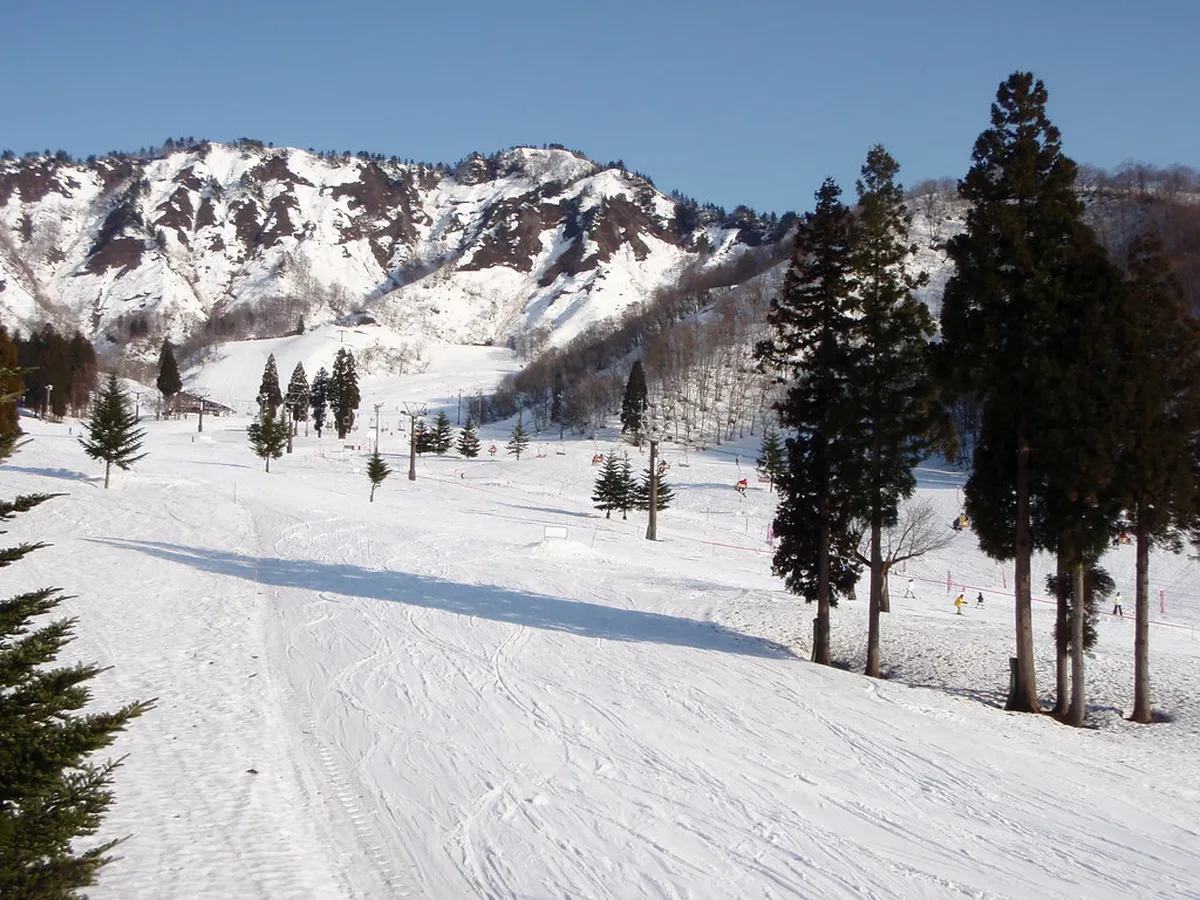
All-inclusive stays, such as Club Med's Hokkaido properties, bundle lodging, meals, rental gear, and group lessons into one nightly rate. That trades flexibility for fewer on-the-ground logistics to manage. Pension-style lodges and self-catered apartments cost less per night but require separately booking lift tickets, rentals, and meals. Budget-focused travelers increasingly use the Indy Pass, which Japan Ski Tours packages into guided road trips covering up to 23 ski days across partner resorts in Tohoku, Nagano, and Hokkaido. See the full top Japan ski resorts roundup for resort-by-resort pass pricing.
| Cost item | Typical range |
|---|---|
| Lift pass (single day) | ¥3,500 to ¥5,000 |
| Rental set (skis or board, boots, poles) | from ¥3,300/day |
| Budget lodging | from ¥5,000/night |
| Branded resort rental package (adult) | $45 to $55/day |
Off-Piste and Backcountry Safety
Many Japanese resorts mark backcountry gates clearly. At resorts such as Shiga Kogen, closed means closed. Patrol can pull the lift pass of anyone caught ducking a rope, according to Japan's national tourism guide. Other resorts, including Niseko, allow marked gate access to adjacent backcountry terrain. Rescue costs then fall entirely on the skier, not the resort, so many visitors buy separate rescue insurance before heading out. Storm days bring low visibility and route-finding risk, which is where a professional guide earns their fee. Japan Ski Tours, for example, runs guided trips at a 1:4 guide-to-guest ratio with a maximum group size of eight. Multi-day guided packages, such as the operator's five-day Hakkoda trip, are based in towns near several mountains, so a storm closure at one resort still leaves other options reachable the same day. For gate locations and terrain specifics around the island's most popular base, see the Niseko Skiing Guide: 9 Essential Tips for Your Trip.
Apres-Ski, Japanese Style: Onsens and Dining
Most onsens require bathing nude, separated by gender, and ask guests to wash thoroughly at a shower station before entering the communal bath. Many onsens also restrict or ban visible tattoos, so check a specific property's policy in advance, or look for a private family bath if a tattoo is a concern. Nightlife options scale with resort size. Niseko carries the widest range of international restaurants and bars, and non-ski activities around the village are covered in the 10 Amazing Niseko Attractions guide. Hakuba Village runs a close second with izakayas and craft-beer taprooms, while Tohoku and smaller Nagano towns wind down early and center evenings around the onsen instead. Breakfast on the mountain is often practical rather than elaborate. Convenience stores such as 7-Eleven or Lawson sell an egg sando and hot coffee before first chair. A proper meal, whether ramen, sushi, or an izakaya set, comes after the lifts close.
Common Japan Ski Trip Mistakes to Avoid
A few planning mistakes show up again and again on Japan ski trips. For non-ski logistics such as visas, connecting cities, and rail planning, the Japan Travel Guide: Plan Your Trip with Expert Tips & Itineraries covers the wider trip. Pair this planning checklist with the full Skiing in Japan: The 8 Best Ski Resorts for Powder, Onsens, and Value in 2026 overview before finalizing dates and a base region.
- Booking Niseko too late: popular lodging can sell out six months or more before peak weeks, so reserve accommodations as early as travel dates are set.
- Relying only on credit cards in Tohoku: small ryokans, rural lift counters, and local restaurants in Tohoku villages often take cash only, so carry enough yen for a full day away from an ATM.
- Ignoring holiday blackout weeks: Hokkaido resorts, especially Niseko, see a sharp jump in visitors and prices around Christmas-New Year and Lunar New Year, so plan and book around those windows deliberately.
- Skipping backcountry rescue insurance: gate-accessed sidecountry near resorts such as Niseko is not covered by standard lift-ticket insurance, so buy separate rescue coverage before heading past the ropes.
How to Use Takkyubin for Ski Bags
Takkyubin works best when the resort is confirmed as the delivery destination before you fly. Ask your hotel whether it accepts Yamato Transport ski bags and request its full Japanese address, phone number, and guest-name format.
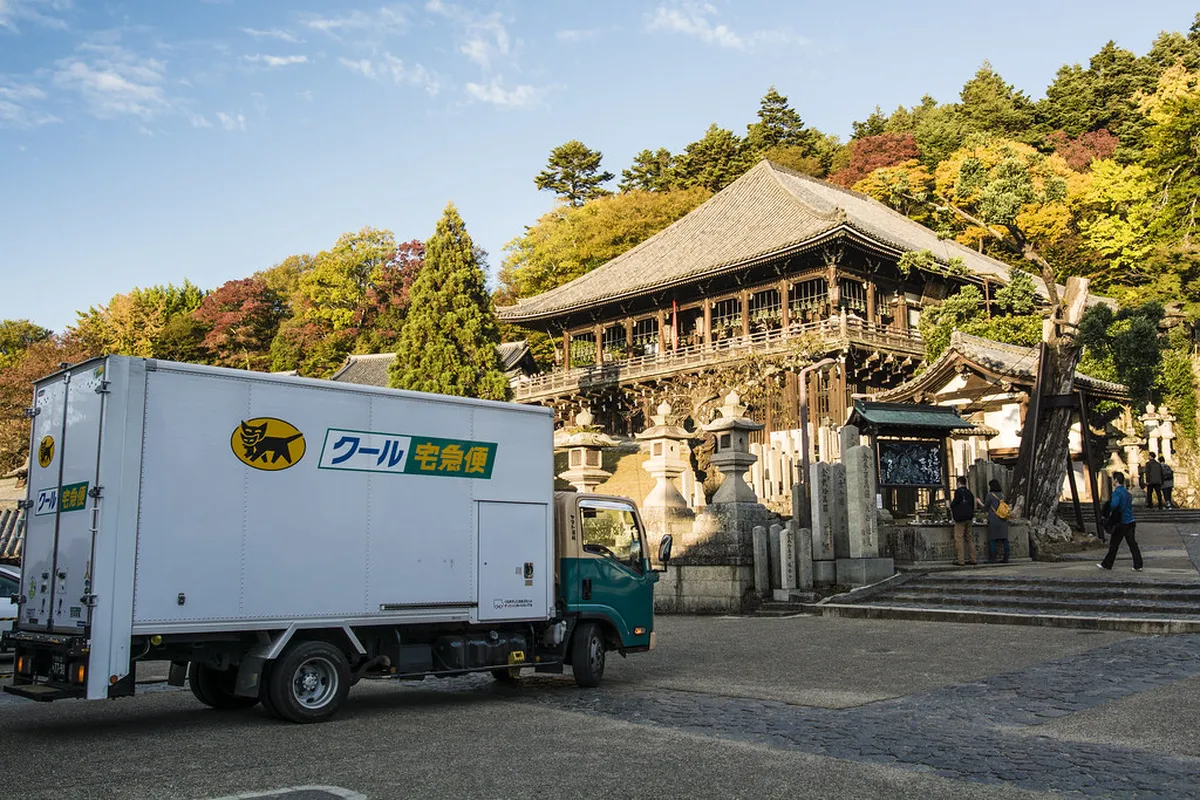
At the airport or your Tokyo hotel, complete the delivery slip with the hotel details and your planned arrival date. Send the bag at least one full day ahead. Allow extra time during storms, holidays, or travel to remote Tohoku bases.
- Keep ski boots, outerwear, gloves, medication, and one change of clothes with you.
- Use a padded ski-bag cover and attach a clear name and phone number.
- Do not send equipment to an unattended apartment or an address without confirmed reception.
Take a photo of the tracking number before leaving the counter. Confirm delivery with the hotel if you arrive before the bag. This approach makes airport transfers and shinkansen connections much easier without oversized equipment.
Frequently Asked Questions
When should you plan a Japan ski trip for the best powder?
Target the back half of January through early February for the most consistent JaPow days. Late-season March still gets fresh snow, but milder temperatures and thinner crowds make it a better fit for families than for dedicated powder chasers.
Should you choose Niseko or Hakuba for a first Japan ski trip?
Niseko suits first-timers who want English-speaking staff and consistently dry snow around a compact base area. Hakuba Valley spans 10 linked resorts and sits closer to Tokyo, which favors travelers who want varied terrain and easy access to Nagano's onsen towns. Compare both directly in the Niseko vs Hakuba: Which Japan Ski Resort Fits You in 2026? guide before booking.
Is it cheaper to rent ski gear in Japan or bring your own?
Renting is usually cheaper once checked-bag fees are factored in. Standard rental sets start from about ¥3,300 per set at everyday resort-town shops, while premium branded packages at all-inclusive properties run $45 to $55 per day for adults. Bringing personal gear only pays off when flights already include a bag allowance a ski bag will not exceed.
Do you need a guide to ski backcountry terrain in Japan?
Yes, for anything past a marked resort gate. Low-visibility storm days and unfamiliar route-finding make English-speaking guides valuable, and operators such as Japan Ski Tours run trips at a 1:4 guide-to-guest ratio for safety. Resorts also enforce closures strictly, and skiing past a closed rope can mean a confiscated lift pass.
How much should you budget per day for a Japan ski trip?
Expect roughly ¥3,500 to ¥5,000 for a daily lift pass and lodging from about ¥5,000 per night at the budget end. Add gear rental from ¥3,300 per set if not bringing personal equipment. All-inclusive resort stays bundle these costs into one nightly rate, trading a higher sticker price for fewer logistics to manage.
Free guide: Japan's Hidden Gems
12 under-the-radar places beyond Tokyo & Kyoto — with the best season to visit each and a local tip you won't find in the guidebooks.
You might also like


Continue reading
More guides you'll find useful


