
Japan Ski Resorts Near Tokyo: Day Trips & Weekend Guides for 2026/27
Compare Japan ski resorts near Tokyo by Shinkansen travel time, from Gala Yuzawa day trips to Hakuba and Nozawa Onsen weekend guides for the 2026/27 season.
On this page
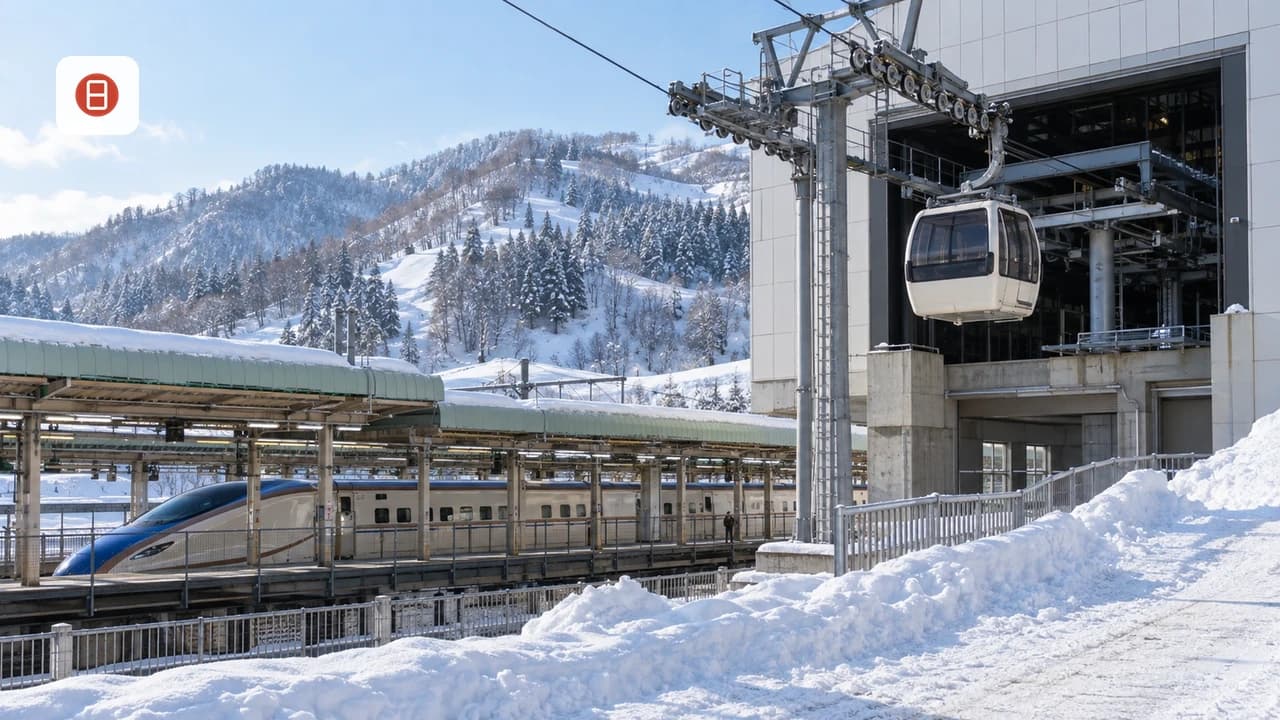
Last updated September 2026, Japan's ski resorts near Tokyo split into two categories: same-day Shinkansen trips and overnight stays in the Japanese Alps. Gala Yuzawa is the standout day-trip option because its gondola base sits inside the Shinkansen station itself, roughly 75-80 minutes from Tokyo Station. Hakuba Valley and Nozawa Onsen reward travelers who can spare a full weekend for deeper snow and onsen culture.
The Best Japan Ski Resorts Near Tokyo: At a Glance
Most ski resorts near Tokyo split by transit time, not just terrain. Gala Yuzawa sits closest, with a Shinkansen ride of about 75 to 90 minutes from Tokyo Station. Karuizawa comes in nearly as fast on some services, and the Nagano and Niigata weekend resorts add a bus transfer on top of the train. For the wider national list, see Japan's national skiing overview. Use the table below to match available time to a resort before checking transit details or season timing.
| Resort | Nearest Station | Travel Time from Tokyo | Best For |
|---|---|---|---|
| Gala Yuzawa | GALA Yuzawa Station | 75-90 min by Shinkansen | Easiest day trip |
| Karuizawa | Karuizawa Station | 60-70 min by Shinkansen | Beginners & families |
| Nozawa Onsen | Iiyama Station + bus | About 2 hours | Onsen culture |
| Hakuba Happo-One | Nagano Station + bus | 2.5-3 hours | Advanced terrain |
Top Day-Trip Resorts Under 2 Hours from Tokyo
Three resorts make a same-day round trip realistic without an early alarm. Each sits on a Shinkansen line running north from Tokyo Station, so the train itself is the easy part. Karuizawa and Gala Yuzawa run 60 to 90 minutes each way, leaving a full afternoon on snow.
- Gala Yuzawa: the only resort near Tokyo where the gondola base sits directly inside the Shinkansen station, so you can walk off the platform and into the rental locker room without stepping outside.
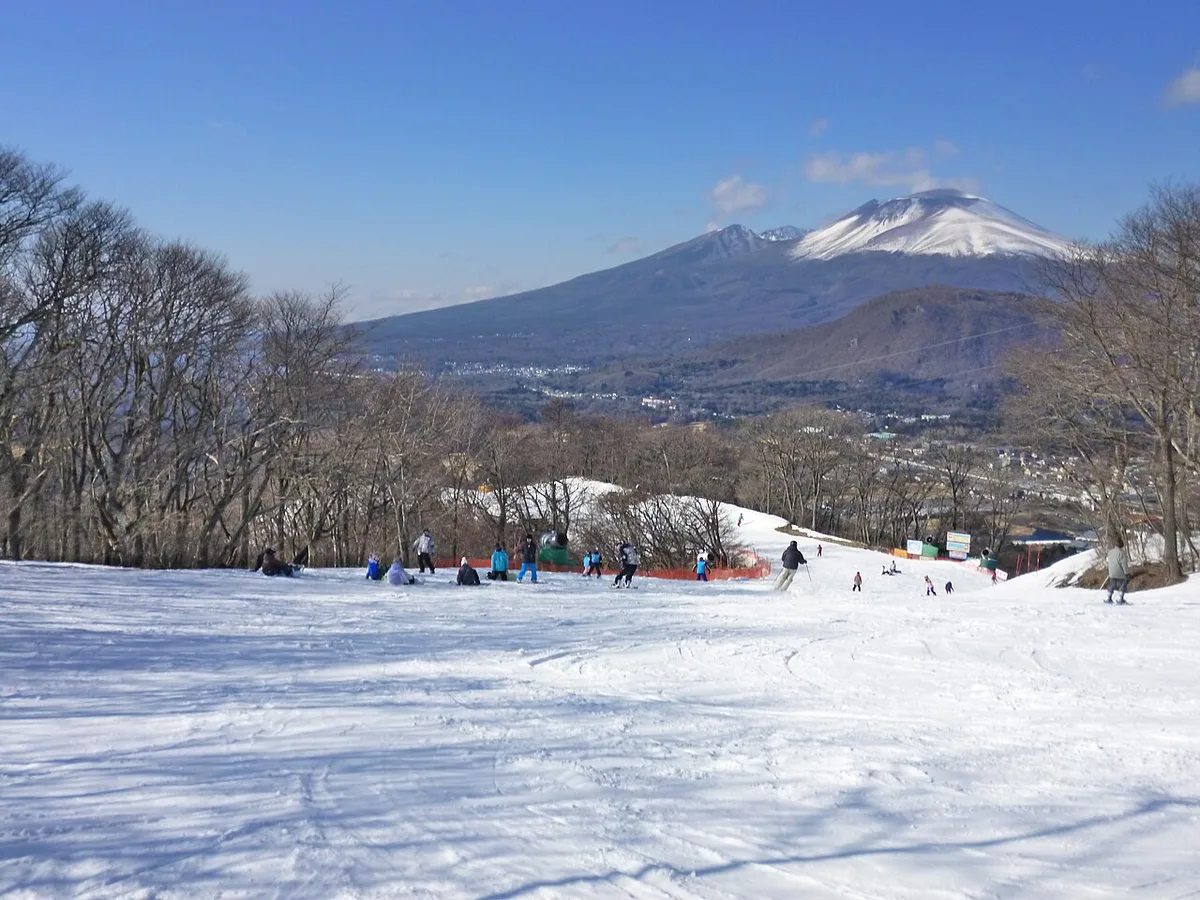
- Karuizawa Prince Hotel: about 60-70 minutes by Shinkansen to Karuizawa Station, with gentle slopes suited to first-time skiers and shopping right at the station for non-skiing companions.
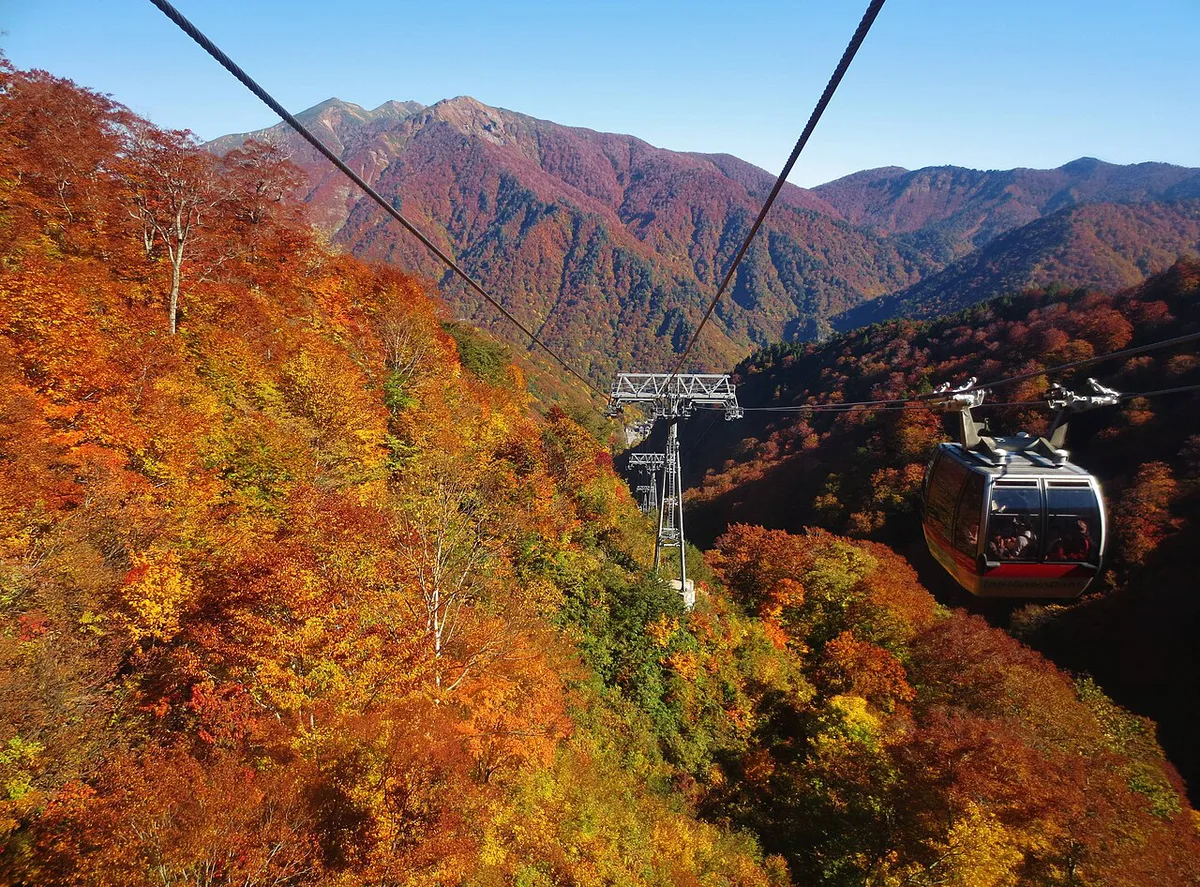
- Naeba and Kagura connect by the Dragondola, the longest gondola in Japan, so one lift ticket covers both resorts. Reach them via the Joetsu Shinkansen to Jomo-Kogen Station, then a short local bus to the base, and Kagura's higher altitude holds more reliable snow than the valley floor.
Weekend Getaways in the Japanese Alps: Hakuba, Nozawa Onsen & Shiga Kogen
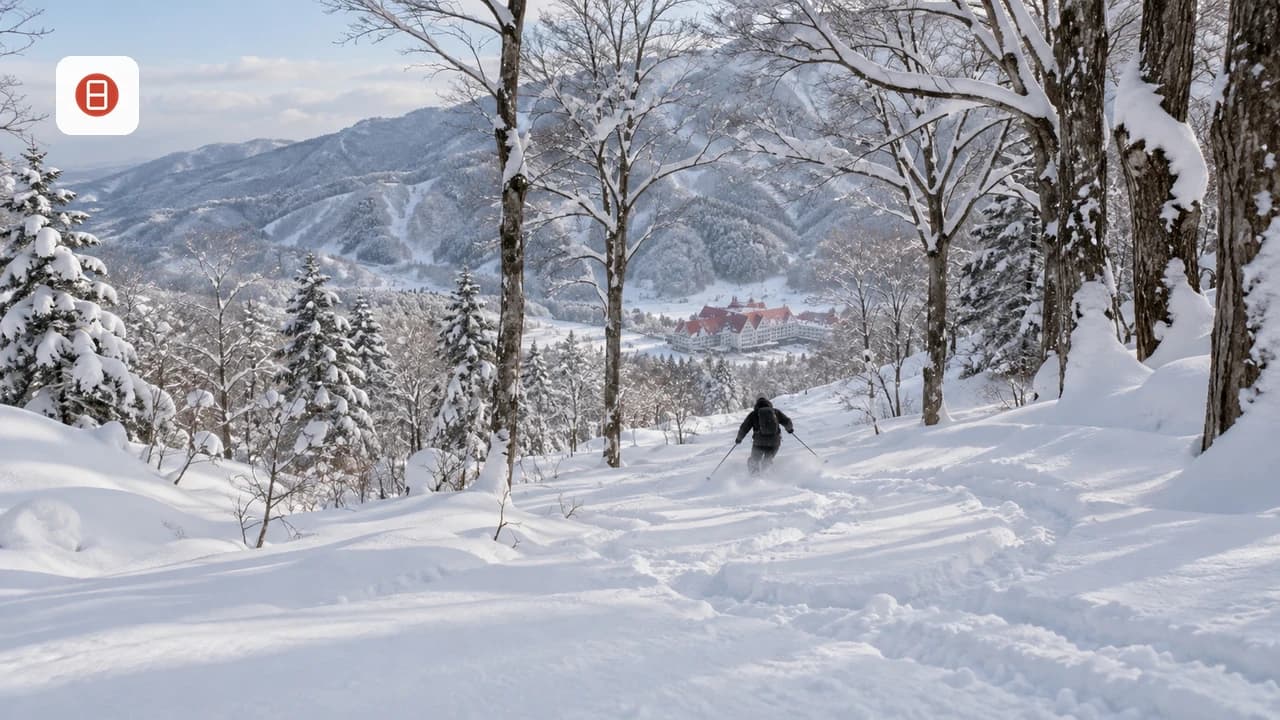
A weekend near Tokyo opens up bigger terrain and, in most cases, a hot spring town to match. Hakuba Valley groups ten interconnected resorts in Nagano Prefecture, and Happo-One is usually the first one travelers reach. See how Niseko compares to Hakuba before committing extra travel days to Hokkaido. For deeper regional planning once you're in Nagano, check Nagano's winter snow conditions.
- Hakuba Happo-One: a 3,514-foot vertical drop across 16 courses served by 21 lifts, split roughly 30 percent beginner, 50 percent intermediate, and 20 percent advanced terrain.
- Nozawa Onsen: 13 free public bathhouses inside a historic village, plus the Nozawa Onsen Liner bus that covers Iiyama Station to the village in about 25 minutes.
- Shiga Kogen: 18 interconnected ski areas on one lift pass, Japan's largest such setup, with a season that has historically run from mid-November into late May and easy access to the snow monkey park at Jigokudani.
How to Get from Tokyo to the Slopes: Trains, Passes & Buses
Every resort in this guide sits on a Shinkansen line running north from Tokyo Station. The Joetsu Shinkansen serves Niigata Prefecture stops for Gala Yuzawa and the Naeba/Kagura transfer point, while the Hokuriku Shinkansen serves Nagano Prefecture stops for Karuizawa, Nagano Station, and onward buses to Hakuba and Shiga Kogen. A round-trip Shinkansen fare for a day trip typically runs ¥13,000 to ¥16,000 per person before lift tickets or rentals. The JR EAST Pass (Nagano/Niigata area) bundles unlimited rides across both lines for a set number of days, and it tends to cost less than two separate round-trip tickets when a trip covers more than one ski day inside the pass window. Individual point-to-point tickets stay simpler for a single day trip, since there's no validity window to track. Nail down pass rules and booking windows before planning a Japan ski trip in detail.
A ¥13,000 to ¥16,000 Shinkansen roundtrip reaches nearby Alps resorts, unlike Hokkaido's 90-minute flight plus 3-hour bus transfer requiring separate planning.
| Item | Typical Cost (per person) |
|---|---|
| Shinkansen round trip | ¥13,000-¥16,000 |
| Full-day lift pass | ¥6,000-¥8,500 |
| Full gear rental | ¥5,000-¥10,000 |
| Estimated day-trip total | ¥25,000-¥35,000 |
Planning for the 2026/27 Season: Timing and Snow Quality
January and February bring the most reliable snowfall across the Nagano and Niigata resorts covered here, matching the seasonal pattern Japan's official travel guide describes nationwide. Hokkaido resorts open earlier because of latitude, but the near-Tokyo options in the Japanese Alps depend on elevation instead, so higher-altitude spots like Kagura tend to hold snow longer into spring. Nozawa Onsen has typically opened by late November and run into early May in recent seasons, though exact dates shift year to year and are worth confirming close to travel. Late December through early January and the first weeks of February see the heaviest demand, so book lift tickets and train seats early if traveling then. Once the season opens, SnowJapan's resort guide tracks live snow depth reports resort by resort. For a season-by-season breakdown across the whole country, see Japan's ski season timing.
Essential Tips for Skiing Empty-Handed (Tebura) Near Tokyo
Traveling tebura, or empty-handed, means skipping the hassle of hauling ski bags onto the subway and Shinkansen. Every resort in this guide runs a full rental counter at the base, typically ¥5,000 to ¥10,000 for a complete ski or snowboard set for the day. Reserve ahead for larger boot or board sizes, especially during the late-December-to-early-February peak, when popular sizes run out first. Hotels across Tokyo also arrange takkyubin, a luggage courier service that ships bags directly to a resort hotel so nothing needs to be carried past the lobby. Pack layers instead of a full ski kit, and check what to pack for Japan for what's worth bringing versus renting.
Renting a complete ski set for ¥5,000 to ¥10,000 typically costs less than a single lift pass at ¥6,000-¥8,500, making tebura travel economical for casual visitors.
Where to Stay: Tokyo Base vs. Mountain Lodging
Basing in Tokyo works well for the day-trip resorts, since Gala Yuzawa and Karuizawa are close enough to return the same night. Staying in Hakuba or Nozawa Onsen instead skips the return leg of that 2.5-to-3-hour Nagano route and buys a full second day on the mountain the next morning. Mountain lodging ranges from Western-style hotels to traditional ryokan inns, several within walking distance of a lift or, in Nozawa's case, one of its 13 free public bathhouses. A Tokyo base still makes sense for a multi-city trip that pairs skiing with broader Japan travel planning covering other regions. Whichever base you choose, confirm the last train or bus back before locking in a day trip, since missing it usually means an unplanned overnight.
Common Mistakes to Avoid When Skiing Near Tokyo
A few planning mistakes show up often among first-time visitors headed for these slopes. Most trace back to underestimating travel time or overestimating what a single Tokyo base can cover.
- Confusing Hokkaido with near-Tokyo skiing: Niseko and Rusutsu require roughly a 90-minute flight to New Chitose Airport plus a further 3-hour bus transfer, a different trip from a Shinkansen day trip. Save Hokkaido for a 5-plus-day trip and compare it against Honshu options in Hokkaido during winter.
- Skipping lift ticket and rental reservations during peak weeks: late December through early February books out fastest, especially larger boot and board sizes.
- Treating Gala Yuzawa as a full substitute for Hakuba or Nozawa Onsen: it wins on convenience, not on terrain size or vertical drop, so pair it with a weekend trip when snow quality matters more than travel time.
- Forgetting the last train or bus back to Tokyo: missing the final Shinkansen from a day-trip resort turns a day trip into an unplanned overnight.
Frequently Asked Questions
Can you ski near Tokyo on a day trip?
Yes. Gala Yuzawa is the standout choice, since its gondola base sits inside the Shinkansen station itself, about 75-90 minutes from Tokyo Station. Karuizawa is another realistic option at roughly 60-70 minutes by Shinkansen. Both leave enough daylight for a full afternoon on the slopes and a return train the same evening.
Is Gala Yuzawa or Karuizawa better for beginners?
Both suit first-timers, though Karuizawa leans slightly more toward gentle, wide slopes and easy access to shopping for non-skiing companions. Gala Yuzawa wins on pure convenience, since the rental counter and gondola sit steps from the Shinkansen platform. Pick Karuizawa for a quieter, family-oriented day and Gala Yuzawa when minimizing transit time matters most.
How much does a Tokyo ski day trip cost?
Budget roughly ¥13,000 to ¥16,000 for a round-trip Shinkansen fare per person. A full-day lift pass typically runs ¥6,000 to ¥8,500, and full gear rental adds another ¥5,000 to ¥10,000. Altogether, a day trip usually totals ¥25,000 to ¥35,000 per person before food.
Do you need to bring your own ski gear to Japan?
No. Every resort covered here runs a full rental counter at the base, typically ¥5,000 to ¥10,000 for a complete set. Many Tokyo hotels also offer takkyubin luggage courier service, so bags can go straight to a mountain hotel without ever reaching the train platform. Traveling tebura, or empty-handed, keeps the Shinkansen and subway simple.
Is Hakuba or Nozawa Onsen better for a weekend trip from Tokyo?
Choose Hakuba's Happo-One for the largest terrain and steepest advanced runs, including a 3,514-foot vertical drop across 16 courses. Pick Nozawa Onsen instead for deep snow paired with 13 free public bathhouses in a historic hot-spring village. Both need a similar 2-to-3-hour trip from Tokyo through Nagano Prefecture.
Free: The Tokyo Essentials guide
Top things to do, where to stay, a perfect day plan, getting around, and the best time to go — a Tokyo mini-guide you can take offline.
You might also like


Continue reading
More guides you'll find useful


