

Kagoshima Kurobuta Black Pork: A 2026 Guide to Dishes and Restaurants
A 2026 guide to Kagoshima kurobuta black pork: the three blacks, best dishes to order, and where to eat in Tenmonkan and Chuo Station.
On this page
Last updated August 2026, this guide breaks down Kagoshima kurobuta black pork by dish, price, and neighborhood so you know exactly what to order and where. Kurobuta refers to the black-skinned Berkshire-lineage pig raised almost exclusively in Kagoshima Prefecture, prized for tender meat and a distinct sweetness in the fat. Use the sections below to match your dinner plan to a specific restaurant in Tenmonkan or near Kagoshima-Chuo Station.
What Makes Kagoshima Kurobuta Black Pork Different
British Berkshire pigs arrived in the former Kagoshima domain from the 1860s, and today's 10 Best Kagoshima Foods and Culinary Experiences (2026) scene still centers on their descendants. Breed records trace the modern Kagoshima Berkshire line to two British Berkshire pigs brought over in the 1930s. Locals market the meat as kurobuta, meaning black pig. Kurobuta pork accounts for roughly 2% of Japan's total annual pork production, which keeps it a premium item even inside the country. One comparison cited by Kagoshima's official tourism site found kurobuta's savory taste tests at 3.7 times, and its sweetness at 6.7 times, that of standard pork. Purebred animals carry the roppaku mark: six white points on the nose, four feet, and tail. Restaurants serving certified pork often print roppaku kurobuta on the menu, and that phrase is worth learning before you order. Production numbers swung sharply across the twentieth century as imported breeds gained ground, before Kagoshima Berkshire numbers recovered. For a broader look at regional specialties beyond pork, the Kagoshima famous food guide covers the rest of the city's signature dishes.
- 1961: about 240,000 Kagoshima Berkshire pigs, nearly the entire prefecture herd
- 1975: down to about 12,600, roughly 1.6% of the prefecture's pigs
- 2000: back up to over 278,000, about 13.6% of the herd
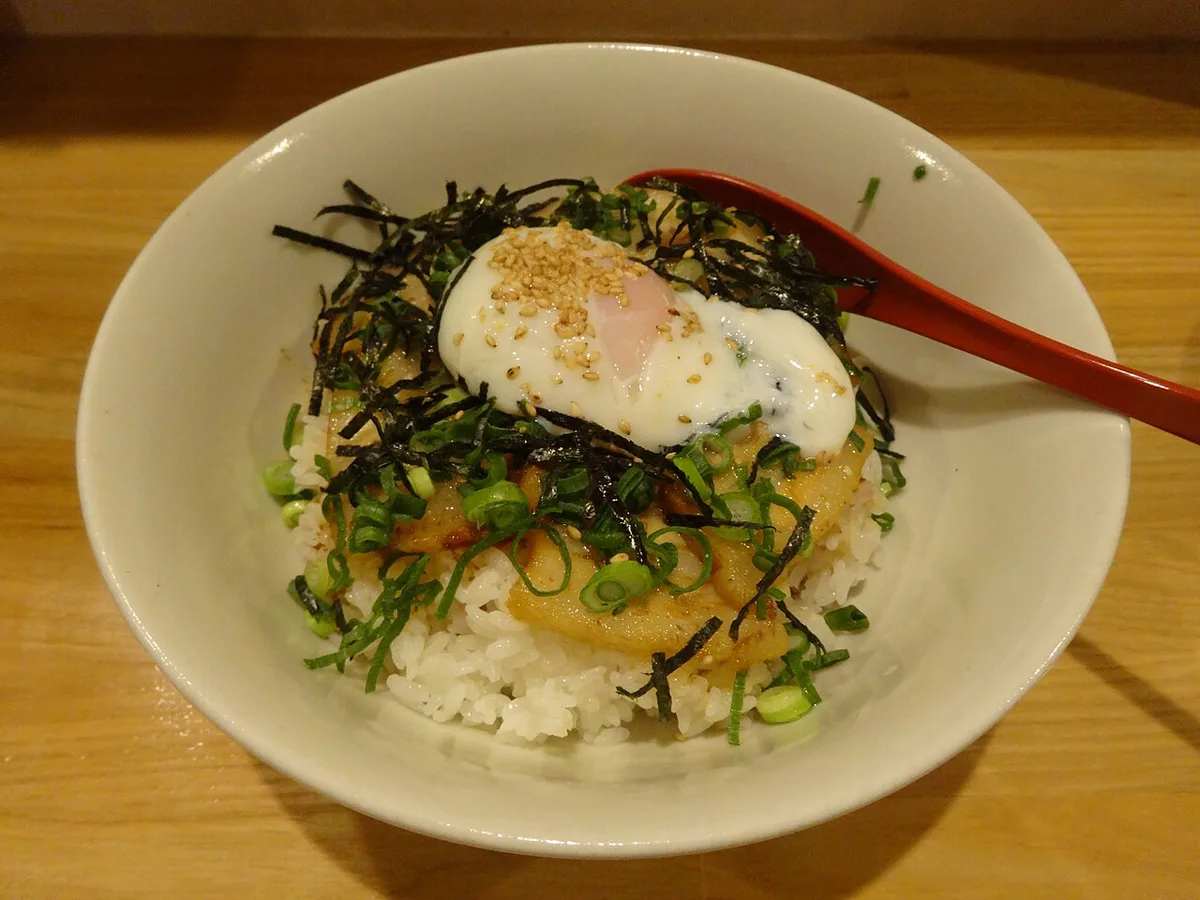
The Three Blacks of Kagoshima: Kurobuta, Kuroushi, and Kurosatsumadori
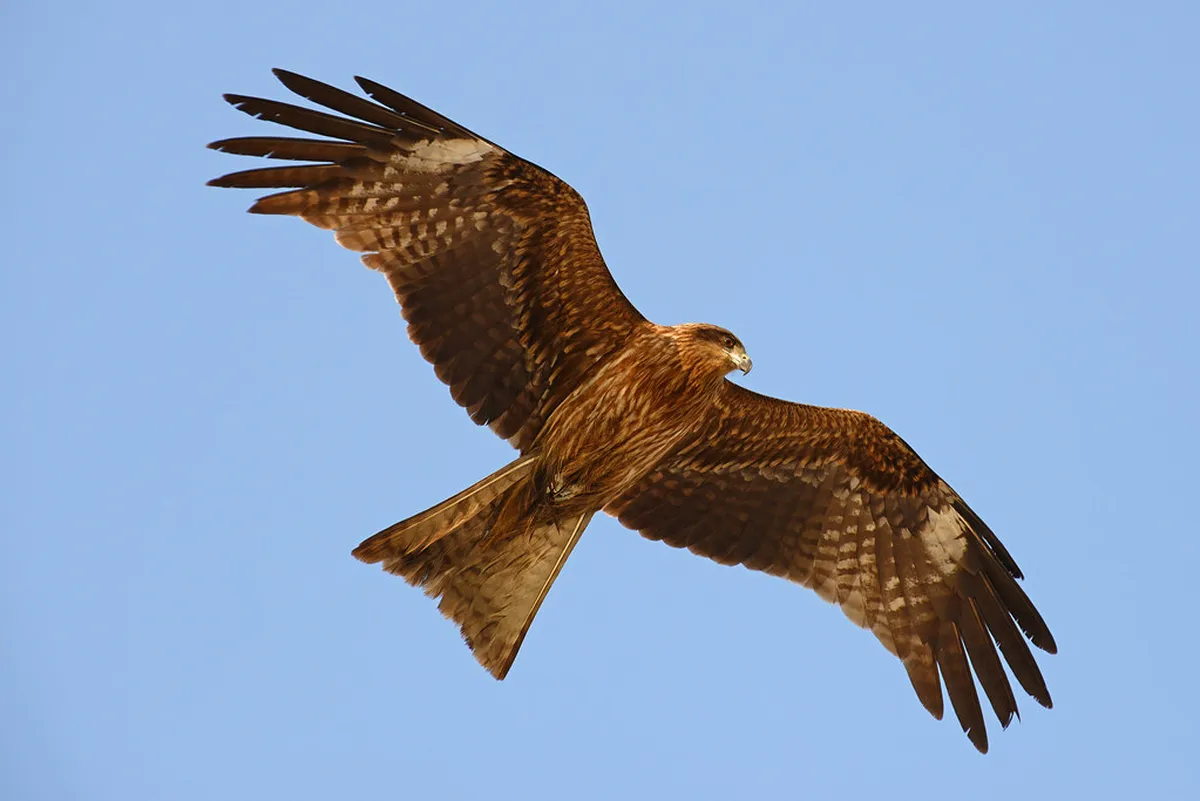
Kagoshima menus group three local specialties under the word kuro, meaning black, and knowing them helps you read a menu fast. Kurobuta pork is the oldest of the three, with a breeding history that runs back more than a century in the prefecture. Kuroushi, the black beef, took first place at Japan's national Wagyu Olympics in both 2017 and 2022, a competition held every five years. Kagoshima Prefecture also ranks first nationwide for the number of wagyu cattle raised, part of why kuroushi shares menu space with kurobuta so often. Kurosatsumadori, black Satsuma chicken, is the newest addition and stays tender even when grilled hard. Cooks often serve it as chicken sashimi with sweet soy sauce, or grilled on a Sakurajima lava plate for a smoky finish. Some farm-to-table restaurants build tasting courses around kurobuta alone rather than mixing in beef or chicken, so confirm which of the three blacks a set menu actually covers before you book. The shochu, samurai, and Sakurajima guide covers how these ingredients fit into Kagoshima's wider food culture.
- Kurobuta (pork): Berkshire-lineage pigs raised in Kagoshima Prefecture since the 1860s, the historical anchor of the three
- Kuroushi (beef): ranked first in Japan at the Wagyu Olympics in 2017 and 2022
- Kurosatsumadori (chicken): the newest of the three, often served as sashimi or grilled on a Sakurajima lava plate
Essential Kurobuta Dishes to Order
Kurobuta shows up in four dishes most travelers will see on a Kagoshima menu, and each highlights a different part of the animal. Most restaurants sell these as set courses rather than single plates, usually with rice, soup, and pickles alongside the main cut. The tonkotsu naming overlap trips up first-time visitors more than any other menu item, so read the dish description, not just the name, before you order. Ask which style a restaurant specializes in before you sit down, since most kitchens focus on one or two of these four dishes rather than all of them. Menus typically group these dishes into a set course rather than single items. Look for the word teishoku if you want rice, soup, and pickles included with the pork.
Shabu-shabu—which starts at ¥850–¥1,000 for lunch—requires advance reservation, especially for dinner, while tonkatsu counters run walk-in friendly; timing and budget shape which dish you choose.
- Shabu-shabu: thin-sliced kurobuta dipped briefly in hot dashi or soba-tsuyu broth at the table. Many diners consider this the cleanest way to taste the fat's natural sweetness.
- Tonkatsu: a breaded, deep-fried cutlet. Kurokatsutei's style keeps the cut lean and lets the pork's flavor lead, while other counters serve a thicker, traditional cut with a heavier panko crust.
- Tonkotsu (Kagoshima style): diced pork ribs stewed in a sweet-and-salty sauce built on miso and shochu. This is a different dish from tonkotsu ramen broth, despite the shared name.
- Kurobuta seiro-mushi: pork and vegetables steamed together in a bamboo basket, a lighter and brothless option worth requesting at farmhouse-style restaurants.
Where to Eat: Tenmonkan Versus Kagoshima-Chuo Station
Tenmonkan is Kagoshima's downtown shopping and entertainment district, dense with izakaya and specialty kurobuta restaurants. The area's Tenmonkan nightlife itinerary pairs well with a kurobuta dinner before you move on to shochu bars. Kagoshima-Chuo Station, by contrast, keeps restaurants inside or near Amu Plaza, the shopping complex built into the station. That setup trades atmosphere for convenience if you have a train to catch. Combine either stop with a day of sightseeing using the Kagoshima attractions guide to plan the rest of your day. Ichiniisan occupies the second floor of a building in Tenmonkan, above the main shopping street, and its entrance glass fridge displays plates of thinly sliced kurobuta before you order. Dinner here uses tabletop hot pot burners so you cook the shabu-shabu yourself, while lunch arrives with the pork already cooked and a side of vegetables and soup. A tofu option is available for anyone skipping pork, and the restaurant sells kurobuta miso paste at the register as a take-home souvenir. Aji no Tonkatsu Maruichi specializes in tonkatsu made specifically with pork produced in Kagoshima Prefecture, and its cutlets run thicker than the average katsu counter. Tonkatsu Kawakyu, on the Chuo Station side of town, is known for thick and juicy tonkatsu, with a choice of dipping sauces so you can compare flavors across a single plate. Kurokatsutei's Chuo Station main restaurant focuses on bringing out the pork's natural flavor rather than burying it in sauce, and its lunch sets are priced for a quick stop. Katsujyu, inside Amu Plaza, serves a juicy cutlet aimed squarely at travelers with a train to catch. Match the table above to your itinerary: pick Tenmonkan for an evening built around food and shochu, or Chuo Station when a train schedule sets the clock.
| Restaurant | District | Known For |
|---|---|---|
| Ichiniisan | Tenmonkan | Shabu-shabu, wide sake list, lunch sets around ¥850–¥1,000 |
| Aji no Tonkatsu Maruichi | Tenmonkan | Thick-cut tonkatsu made with Kagoshima-raised pork |
| Tonkatsu Kawakyu | Kagoshima-Chuo Station area | Loin cutlets with a choice of dipping sauces |
| Kurokatsutei (Chuo Station Main Restaurant) | Kagoshima-Chuo Station | Accessible lunch sets |
| Katsujyu | Amu Plaza Kagoshima | Quick cutlet sets near the platforms |
Farm-to-Table Kurobuta at Okita Farm
Okita Farm, in the Kirishima area near Isa City, raises kurobuta in open pasture rather than indoor pens. The pasture setting is intentionally free of surrounding buildings, part of why the farm markets the meal as a countryside experience rather than a city restaurant visit. A third-generation chef family runs the operation, continuing the style set by founding chef Hayao Okita, once known locally as the God of Kurobuta Pork. The course also includes rice from Isa City, known locally as a rice-producing center within the Satsuma region. Booking happens by email, and the farm asks that applications arrive at least a week before your visit. Cancellation fees scale the closer you cancel to your visit date, shown in the list below. Figures for the course, add-ons, and driving distance appear in the table below.
| Detail | Figure |
|---|---|
| Course meal price | ¥16,000~ per person |
| Optional free-flow drinks | ¥8,000~ per person |
| Minimum group size | 5 people (up to 15) |
| Reservation lead time | At least 1 week ahead |
| Drive from Kagoshima City | About 51 miles, 90 minutes |
| Drive from Kagoshima Airport | About 29 miles, 60 minutes |
- 3 days before: 50% of the course price
- 2 days before: 80% of the course price
- Same day: 100% of the course price
Budgeting and Reservations for a Kurobuta Meal
Pricing for kurobuta splits clearly by meal and by setting, so budget accordingly before you sit down. Reservations matter most at shabu-shabu specialists and multi-course spots. Ichiniisan and Kumasotei both benefit from a same-day or advance booking, especially for dinner. Tonkatsu counters like Kurokatsutei and Katsujyu tend to run walk-in friendly, particularly at lunch. Station-area restaurants fill up fastest during the midday commuter window, so an early or late lunch avoids the longest waits. Both districts get busier in the early evening as dinner service ramps up, so an early seating is the easiest way to skip a wait at popular shabu-shabu counters. Independent travelers without a Japanese phone number can usually ask a hotel concierge to call ahead on their behalf.
Kurobuta comprises just 2% of Japan's annual pork production, which explains the premium pricing: lunch starts at ¥1,500 and dinner at ¥5,000 or more per person.
| Meal / Setting | Typical Price |
|---|---|
| Casual lunch set | ¥1,500–¥3,000 per person |
| Sit-down dinner | ¥5,000–¥10,000+ per person |
| Ichiniisan lunch set (Tenmonkan) | ¥850–¥1,000 per person |
| Okita Farm course (drinks add-on +¥8,000~) | ¥16,000~ per person |
Common Mistakes to Avoid When Ordering Kurobuta
A handful of avoidable mix-ups come up often enough to flag before your trip. Keep these in mind and the rest of the menu becomes easy to navigate.
- Do not confuse Kagoshima's tonkotsu (braised pork ribs) with tonkotsu ramen broth; they share a name and nothing else.
- Do not assume every black pork dish in Japan is Kagoshima-certified. Look for the roppaku kurobuta mark before paying a premium price.
- Do not skip the shochu pairing. Kagoshima's sweet potato shochu is the traditional match for kurobuta's rich fat, and the Kagoshima nightlife guide lists where to try it.
- Do not walk into a popular shabu-shabu counter on a weekend evening without checking if it takes reservations; a full house is a common disappointment for first-time visitors.
Frequently Asked Questions
What is Kagoshima kurobuta black pork?
Kagoshima kurobuta is pork from the Kagoshima Berkshire, a black-skinned pig breed descended from British Berkshire stock imported in the 1860s. It is prized for tender meat and a naturally sweet fat, and purebred animals carry the roppaku six-point mark.
What is the difference between kurobuta, kuroushi, and kurosatsumadori?
Kurobuta is pork. Kuroushi is black beef that won Japan's Wagyu Olympics in 2017 and 2022. Kurosatsumadori is black Satsuma chicken, often served as sashimi or grilled on a lava plate. All three appear as kuro, meaning black, on Kagoshima menus.
Is Kagoshima tonkotsu the same as tonkotsu ramen?
No. Kagoshima's tonkotsu is diced pork ribs stewed in a sweet-and-salty miso sauce. It shares a name with tonkotsu ramen broth but nothing else.
How much does a kurobuta meal cost in Kagoshima?
Lunch sets typically run ¥1,500 to ¥3,000 per person, and Ichiniisan's lunch menu starts around ¥850. A full dinner runs ¥5,000 to ¥10,000 or more, while a farmhouse course at Okita Farm starts at ¥16,000 per person.
Do you need a reservation to eat kurobuta in Kagoshima?
Shabu-shabu specialists such as Ichiniisan and Kumasotei benefit from a reservation, especially for dinner. Tonkatsu counters near Kagoshima-Chuo Station are generally walk-in friendly, particularly at lunch.
Can vegetarians eat at kurobuta restaurants in Kagoshima?
Not the pork dishes themselves, but some shabu-shabu specialists, including Ichiniisan, offer a tofu-based alternative and can leave pork out of the soup on request.
How far is Okita Farm from Kagoshima City?
Okita Farm is about 51 miles from central Kagoshima City, roughly a 90-minute drive. It is also reachable from Kagoshima Airport, about 29 miles and 60 minutes away.
Is there a best time of year to eat kurobuta in Kagoshima?
Kurobuta is served year-round, so plan around your broader Kagoshima itinerary rather than the season.
Free: The Kagoshima Essentials guide
Top things to do, where to stay, a perfect day plan, getting around, and the best time to go — a Kagoshima mini-guide you can take offline.
You might also like


Continue reading
More guides you'll find useful


