
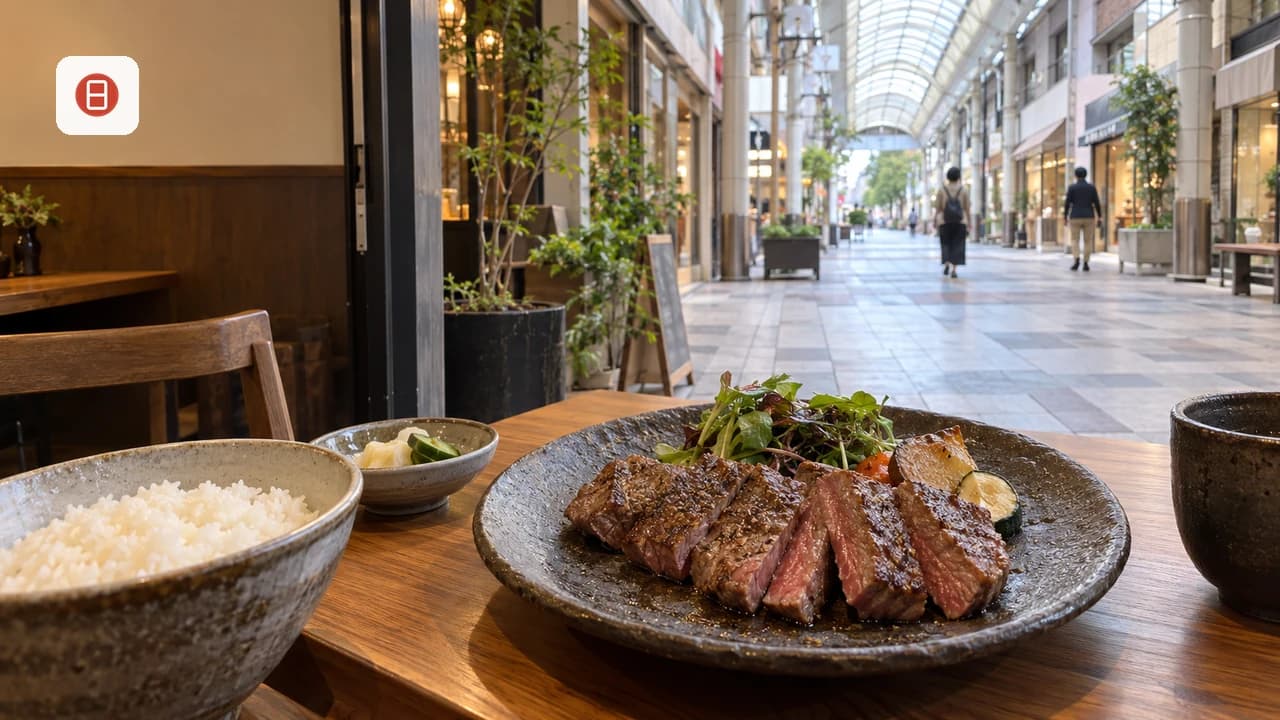
Kagoshima Wagyu: Cuts, Styles and Prices for 2026
Eat Kagoshima wagyu (Kuroushi) with confidence. Learn A5 and BMS grades, compare teppanyaki, yakiniku, sukiyaki and shabu-shabu, and plan lunch or dinner from ¥3,000.
On this page
Last updated October 2026. Kagoshima wagyu, sold locally as Kuroushi or "black cow," is one of the best-known beef brands in Japan, and Kagoshima City is the easiest place to eat it. This guide explains grades, cooking styles, lunch and dinner prices, and how to fit a beef meal around your sightseeing.
What Kagoshima Wagyu Actually Is
Kuroushi comes from Japanese Black cattle, known as Kuroge Washu. Only beef from cattle that spend the longest part of their feeding and finishing periods in the prefecture can carry the Kagoshima Kuroushi name. According to the official Kagoshima tourism guide, the brand holds a Geographical Indication, registered in 2017. That puts it in the same protected category as Champagne and Parmesan.
Scale matters here. Kagoshima raises about 20% of all Japanese Black cattle in Japan, roughly 330,000 head. No other prefecture produces more wagyu.
The brand also wins competitions. Japan holds a national wagyu contest every five years, nicknamed the "Wagyu Olympics." Its formal name is the Zenkoku Wagyu Noryoku Kyoshinkai. Kagoshima took the overall group prize in 2017 and again in 2022. The 2022 event ran October 6–10, with bull judging in Kirishima and beef judging in Chiran.
For you as a visitor, this means one thing. Kagoshima restaurants buy local beef from the prefecture's own supply chain. You are not eating an imported cut with a local label.
- Breed: 100% Japanese Black (Kuroge Washu)
- Name: Kuroushi means "black cow"
- Share of Japanese Black cattle: about 20%
- Competition wins: overall prize in 2017 and 2022
A5, BMS and Marbling: Reading a Kagoshima Wagyu Menu
Two codes appear on most menus. The letter and number pair, such as A5, describes yield and quality. A5 is the top grade. The BMS number measures marbling, the intramuscular fat that gives wagyu its soft texture. BMS 10–12 is the peak range.
Kagoshima Kuroushi fat has a low melting point. The official guide credits its high share of unsaturated fatty acids, including omega-3 and omega-6. That is why a thin slice softens almost as soon as it touches your tongue.
Higher is not always better for your meal. Very high marbling tastes rich in small amounts. Many diners tire of it after a few slices. Use the table to match grade to appetite.
| Grade choice | Richness | Typical price position | Best portion |
|---|---|---|---|
| A4, lower marbling | Beefy, easier to finish | Lower than A5 on the same menu | Larger steak or yakiniku plate |
| A5, BMS 8 | Buttery with clear beef flavor | Mid to high | Steak of moderate size |
| A5, BMS 10–12 | Very rich, sweet fat | Highest on the menu | Small portion, shared or sliced thin |
Four Ways to Eat Kagoshima Wagyu
Kagoshima restaurants serve Kuroushi in at least four main styles. The prefecture's tourism site lists all four: teppanyaki, yakiniku, sukiyaki and shabu-shabu. Seiromushi, a local steamed preparation, is the fifth option worth asking about. Each one changes how the fat tastes, so choose by mood as much as budget.
- Teppanyaki: High-end cuts such as sirloin or fillet are grilled on an iron plate. Chefs use oil, salt and pepper, and often add showmanship. Wasabi and soy sauce are optional extras.
- Yakiniku: You grill bite-sized beef and vegetables at the table. Cooked pieces go into tare, a sauce of soy sauce, sake, mirin, garlic, sesame and sugar. Rice, soup and salad usually come alongside.
- Sukiyaki: Thin slices simmer in a broth of soy sauce, sugar and mirin. Diners dip the cooked beef in raw beaten egg. Official guidance calls it a traditional winter dish.
- Shabu-shabu: You swish thin beef and vegetables in hot water. Dipping sauces typically combine soy sauce, dashi, rice vinegar and mirin. This style highlights the sweetness of the fat.
- Seiromushi: The beef is steamed in bamboo baskets. Steaming lets excess fat render out, so it suits lighter appetites.
Wagyu Dining Style Matchmaker
Not sure which style fits your table? Start with who you are eating with, then match the cooking method. Our editorial assessment is that most first-time visitors enjoy yakiniku or shabu-shabu most, because portions are easy to adjust.
- Foodies and photographers: Choose teppanyaki. You watch the knife work and the sear up close.
- Families: Choose yakiniku. Menus are varied, and everyone grills at their own pace.
- Health-conscious diners: Choose seiromushi. Steaming removes some of the oil.
- Traditionalists: Choose sukiyaki. Expect a rich, sweet, soy-based broth, best in cooler months.
Planning Your Kagoshima Wagyu Meal: Prices, Districts and Booking
Budget is the biggest decision. Lunch sets typically run ¥3,000–¥6,000. Dinner courses typically run ¥10,000–¥30,000 or more, depending on grade and cooking style. Treat these as planning ranges, and confirm each restaurant's current menu before you go.
Lunch is the smart choice. A lunch set can deliver A5-level beef at roughly half the dinner price. Save the full course for one special night.
For location, start in Tenmonkan, the city's main dining and nightlife district. Kagoshima Chuo Station is the other practical base, especially if you arrive late by train. Both areas are well served by local restaurants, so you can choose by your hotel rather than chasing one address.
Book ahead for top-tier Kuroushi houses. Reservations are essentially mandatory for teppanyaki counters and dinner courses. Ask your hotel to call if you do not speak Japanese. Casual yakiniku rooms and lunch counters often take walk-ins, but weekends fill early.
- Lunch sets: ¥3,000–¥6,000
- Dinner courses: ¥10,000–¥30,000 or more
- Where to look: Tenmonkan and the Kagoshima Chuo Station area
- Booking: required for top-tier dinner venues
Pairing Wagyu with Shochu and Other Drinks
Kagoshima is known for imo-shochu, a spirit made from sweet potato. Many local restaurants serve it with beef. Its earthy edge can cut through rich fat, and you can order it on the rocks, with water, or with hot water.
The official guide offers other pairings. It suggests a medium- to full-bodied red wine such as Cabernet Sauvignon or Shiraz. Full-bodied sake, bourbon, whiskey and stout beer also appear on its list.
If you are unsure, ask staff for a recommendation. Say you are eating A5, and they will usually steer you to something that suits the cut.
Mistakes to Avoid When Eating Kagoshima Wagyu
Skip the "portion trap." A 16 oz steak of A5 is too much for most people. Palate fatigue sets in quickly. Order a smaller cut, then add vegetables, rice and pickles.
A 16 oz steak is too much for most people, so a lunch set at ¥3,000–¥6,000 gives you A5-level beef in a smaller portion.
Do not ignore lunch specials. They are the best-value way to taste high-grade beef. Many visitors book only dinner and miss the cheaper option.
Check dress expectations. High-end ryokan dining rooms and teppanyaki counters tend toward smart casual. Yakiniku restaurants are relaxed. If you plan a formal dinner, ask the restaurant when you book.
Avoid assuming that the highest BMS is the best order. A balanced A5 cut often makes a better meal than the richest slice on the list. Pair the choice with the cooking method, not just the number.
Beyond the Plate: Wagyu and Sightseeing
Pair your meal with a day outdoors. Lunch before the ferry works well if you plan to visit Sakurajima by ferry. A beef dinner back in the city then ends the day.
Sakurajima ferry days suit a midday beef meal, and a lunch set at ¥3,000–¥6,000 lets you taste A5 for less than dinner.
Many of the prefecture's farms sit outside the city. The Osumi Peninsula is one area to explore, but farms are working operations. Confirm any visit in advance rather than turning up.
If you take an Ibusuki day trip, check local menus for Kuroushi before you head back. For more routes, see these day-trip options nearby.
After a rich dinner, many travelers walk along Kagoshima beaches the next day. Others leave early on the ferry to Okinawa. For other stops, browse things to see in Kagoshima.
Kagoshima beef is also a highlight of a Kyushu route. Use our wider Japan planning page to place it in a longer trip.
Frequently Asked Questions
What is Kagoshima wagyu called locally?
Locals call it Kagoshima Kuroushi, which means "black cow." It comes from Japanese Black cattle, also called Kuroge Washu. Menus may also say Kagoshima Kuroge wagyu.
How much does a Kagoshima wagyu meal cost?
Lunch sets typically cost ¥3,000–¥6,000. Dinner courses typically cost ¥10,000–¥30,000 or more. Prices depend on grade, cut and cooking style, so check each menu before you book.
Is Kagoshima wagyu better than Kobe beef?
Both are premium Japanese beef. Kagoshima won the overall prize at the national wagyu contest in 2017 and 2022. Taste preference is personal, so compare them at a lunch set rather than relying on rankings.
Which cooking style should I choose first?
Pick yakiniku if you want a casual meal where you control portions. Pick teppanyaki for a chef-led dinner. Pick shabu-shabu or sukiyaki for thin slices and sweeter fat. Pick seiromushi if you prefer a lighter, steamed dish.
Do I need a reservation for wagyu in Kagoshima?
Yes for top-tier dinner venues and teppanyaki counters. Casual yakiniku restaurants and lunch counters may accept walk-ins. Book ahead on weekends, and ask your hotel to help.
Free: The Kagoshima Essentials guide
Top things to do, where to stay, a perfect day plan, getting around, and the best time to go — a Kagoshima mini-guide you can take offline.
You might also like


Continue reading
More guides you'll find useful


