Terukuni Shrine Kagoshima Guide: History, Torii Gate & Access
Plan a visit to Terukuni Shrine in Kagoshima. Covers the road-spanning torii gate, Shimazu Nariakira's legacy, access from Chuo Station and the July lantern festival.
On this page
Last updated October 2026. Terukuni Shrine Kagoshima honors Shimazu Nariakira, the 28th lord of the Satsuma Domain, and it sits within walking distance of the city's main shopping district. Entry to the grounds is free and most visits take 30 to 60 minutes. This guide covers the history, the grounds, visiting etiquette, the July lantern festival and how to fit the shrine into a day with Sengan-en and Shiroyama.
Terukuni Shrine Kagoshima at a Glance
Terukuni Shrine is dedicated to Shimazu Nariakira, who ruled the Satsuma Domain from 1851 to 1858. Visitors come for three things: the large torii gate that stands over a city road, the small museum on the grounds, and the link to Meiji-era history. Entry to the shrine is free, and the grounds are open around the clock. Most travelers spend 30 to 60 minutes here. That makes it a quick stop with real historical weight, easy to fold into a loop through central Kagoshima.
- Address: 19-35 Terukuni-cho, Kagoshima City.
- Grounds: open 24 hours, with the shrine office and museum typically running 08:30 to 17:00.
- Shrine admission: free.
- Museum (Terukuni Bunko): small fee, usually around ¥300 to ¥500. Confirm at the door.
- Time needed: 30 to 60 minutes.
Why Shimazu Nariakira Became a Deity
Shimazu Nariakira was the 28th lord of the Satsuma Domain, and he ruled for only seven years. In that short time he pushed the domain toward Western technology. Records on the shrine's history credit him with a shipyard, a school for Western science and the adoption of foreign military methods. He is also linked to Morse code and to bringing cameras to Japan. His factory complex, the Shuseikan, produced textiles, iron and cannons.
Local admirers wanted to honor him, and that wish is one reason he is enshrined as a deity here. His influence also ran through people. Nariakira mentored Saigo Takamori and Okubo Toshimichi, two figures central to the Meiji Restoration. Saigo helped bring down the Tokugawa shogunate. Okubo later helped plan Japan's modernization.
This context changes how the shrine reads. It is less a purely spiritual site than a memorial to a ruler who prepared Satsuma for a new era. A statue of Nariakira stands on the grounds, and it pairs well with the other end-of-Edo monuments across central Kagoshima.
What to See on the Shrine Grounds
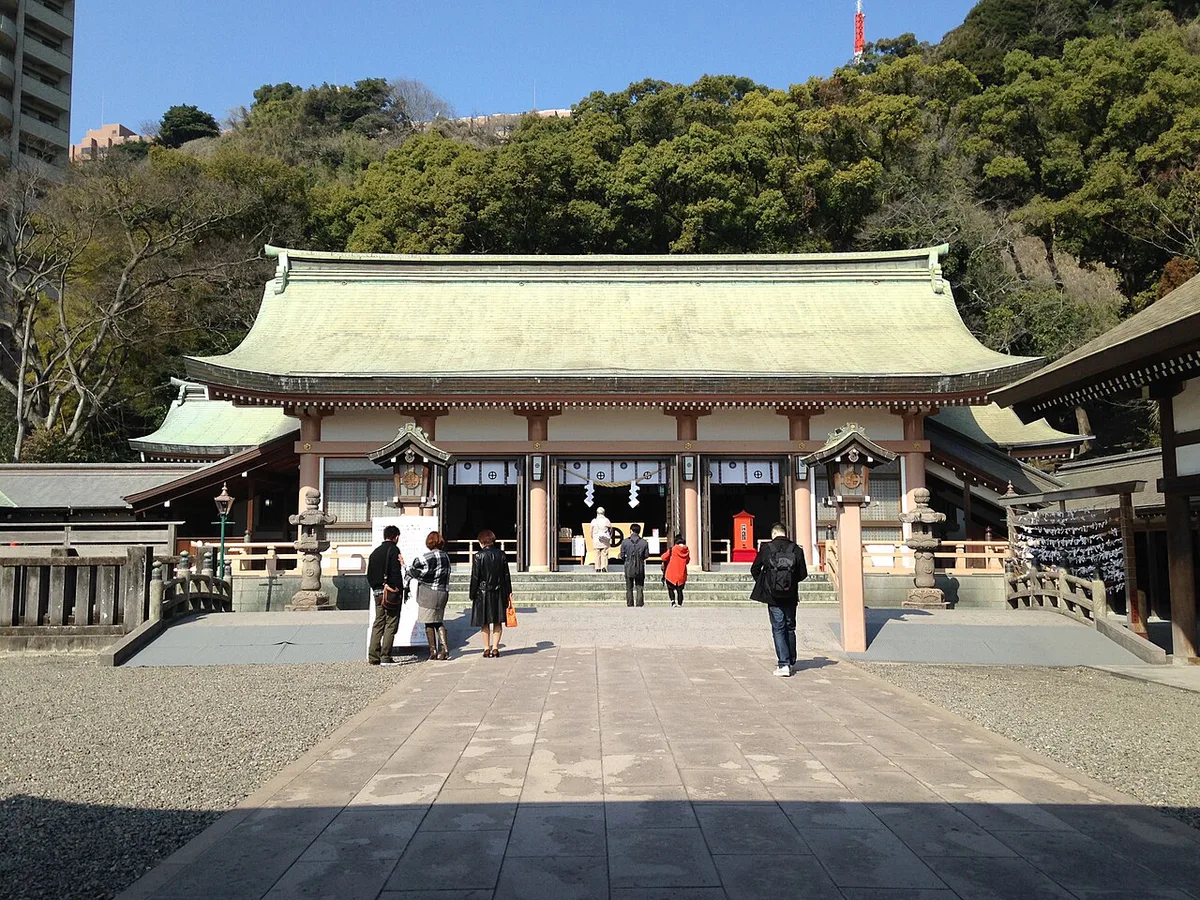
Start at the torii gate, which stands in the middle of the road rather than at a quiet path entrance. Traffic runs around it, so you cannot simply walk through it from the street. Treat it as a landmark and take your photos from the sidewalk. The nearby museum side of the grounds offers a safer position than the carriageway.
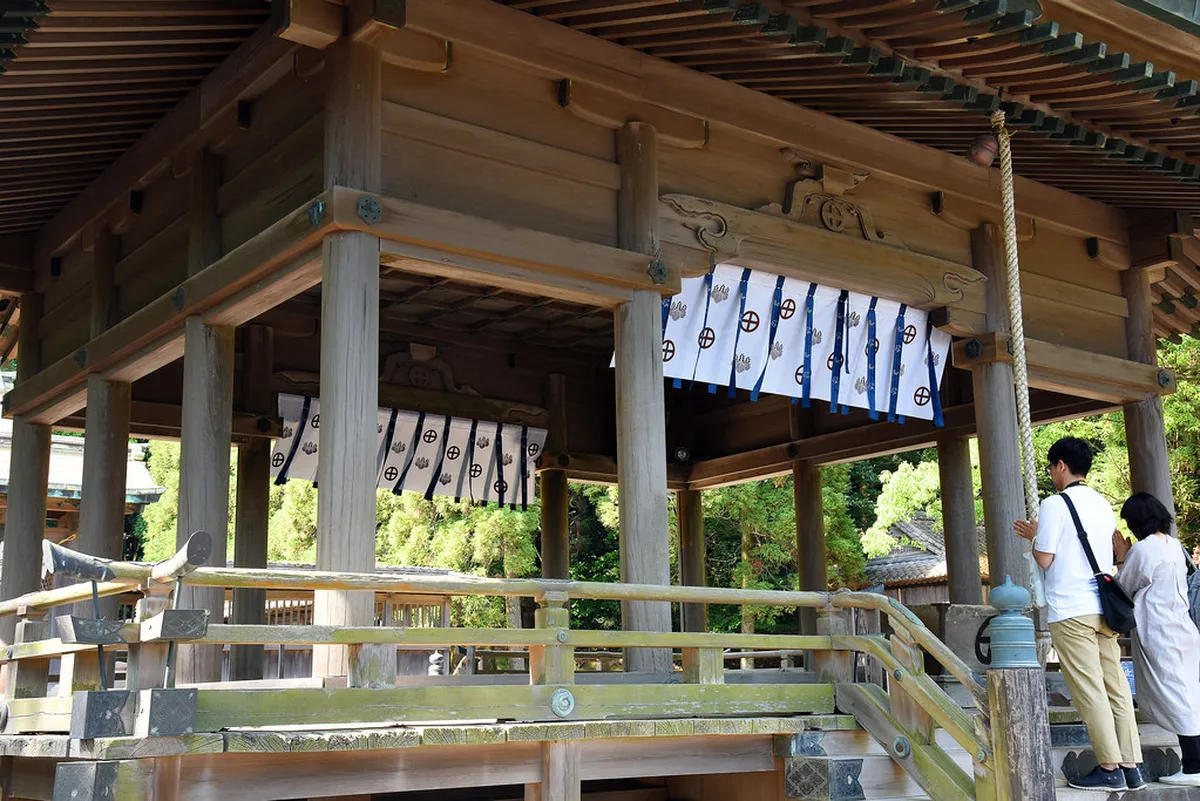
Inside, the main hall is where you pray. At a Shinto shrine, the usual sequence is a slight bow at the gate, a quiet approach and a short bow before the offering. Make an offering, bow twice, clap twice, pray briefly and bow once more. Keep your voice low and avoid blocking the hall when worshippers arrive. Photography of the grounds is common, but stay out of the way of anyone praying.
The small museum, Terukuni Bunko, is the part most guides skip. Travelers describe swords, armor, historical documents and items connected to Nariakira. A guided tour listing also mentions a real sword among the displays. Allow 20 to 30 minutes if you want to read the exhibits, and check opening hours before you go.
- Torii gate: stands over a road, so photograph it from the sidewalk.
- Main hall: bow, make an offering, bow twice, clap twice, pray, then bow once.
- Nariakira statue: ties the shrine to his role as a modernizer.
- Terukuni Bunko: swords, armor and historical documents, with a small fee.
Rokugatsu-do Lantern Festival in July
The shrine's biggest event is the Rokugatsu-do lantern festival, held in mid-July. The national festival listing gives July 15 and 16 for 2026 and notes that organizers may change dates. For 2027, expect mid-July again, then confirm on the shrine's official site before booking a hotel.
The festival is described as an event that evokes summer in Kagoshima. Expect hand-made paper lanterns, night food stalls and lanterns lit inside and outside the shrine. It is the best time to see the grounds after dark. It is also the busiest, so arrive earlier in the evening and plan your route home before the crowds thin.
If you visit in July or August outside the festival, go early. Midday heat in this period can be hard going, and the walk to other sights adds up. A morning visit at 08:30, when the office opens, gives you cooler air and quieter grounds.
How to Get to Terukuni Shrine
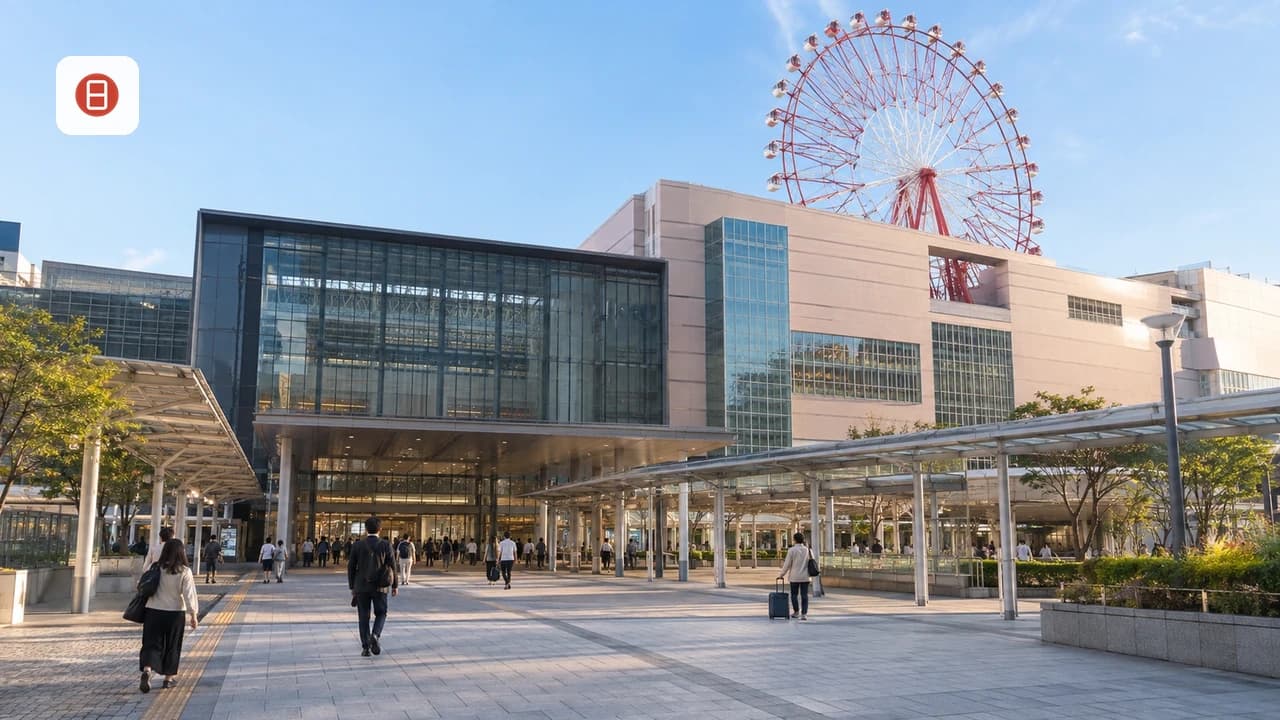
From JR Kagoshima-Chuo Station, the shrine is about a 20-minute walk. You can see the station layout on the official JR Kyushu station page. For onward routes, our Kagoshima Chuo Station Guide: Logistics, Dining & Things to Do covers the exits and connections.
The city tram is the easy alternative. Get off at Tenmonkan-dori, then walk about 5 minutes. The Kagoshima City View Bus is also convenient. Get off at the Saigo-Dohden-mae stop, which is about a 3-minute walk from the shrine. One traveler report notes that the City View fare is ¥190 and that IC cards may not work on every bus, so carry coins.
Cruise passengers can reach the shrine in roughly 15 to 20 minutes by shuttle or taxi from the port, based on the brief's guidance. Start with the cruise port visitor information for terminal details. Our Kagoshima Cruise Port Guide: Berths, Taxis and Shore Time has more on getting into town.
- On foot from Kagoshima-Chuo Station: about 20 minutes.
- Tram to Tenmonkan-dori: about 5 minutes on foot from the stop.
- City View Bus to Saigo-Dohden-mae: about 3 minutes on foot.
- From the cruise port by shuttle or taxi: roughly 15 to 20 minutes.
Terukuni Shrine vs. Sengan-en
Both sites belong to the Nariakira story, but they serve different plans. Terukuni is the quick, free stop in the city. Sengan-en is the paid, longer visit at the water's edge.
With the shrine taking 30 to 60 minutes, a full day easily covers both, since Sengan-en needs 2 to 3 hours.
Sengan-en is a Shimazu clan villa dating to 1658. A guide listing gives the garden entry as ¥1,600 per person and a city bus fare of ¥230 per ride. Another traveler report quotes a lower garden fee, so verify the current price at the gate. Plan 2 to 3 hours there.
If you only have a short window, choose the shrine for history and the garden for scenery. If you have a full day, do both. A guided tour listing runs them back to back, starting with the shrine around 10:00 and reaching Sengan-en by 11:50.
| Feature | Terukuni Shrine | Sengan-en |
|---|---|---|
| Cost | Free (museum has a small fee) | ¥1,600 per adult per a guide listing |
| Time needed | 30 to 60 minutes | 2 to 3 hours |
| Setting | Central city, torii over a road | Shimazu villa and garden |
| Best for | History, short stop, festival | Gardens, Sakurajima views |
Pairing the Shrine With Nearby Stops
Tenmonkan Shopping Arcade is about a 5-minute walk away. It has a roof over the shopping street, so you can walk it in the rain. It is the easiest place for lunch or a coffee break.
For views, walk on to Shiroyama. The route from the shrine takes about 20 to 30 minutes along a nature trail, and the observatory sits about 107 meters above sea level. From the top you can see Sakurajima, Kinko Bay and the city. Wear shoes you can walk uphill in.
On the way, you can also see the Saigo Takamori statue and other monuments to figures from the end of the Edo period. These stops fit the history thread. For a broader list of sights, see our Kagoshima attractions guide.
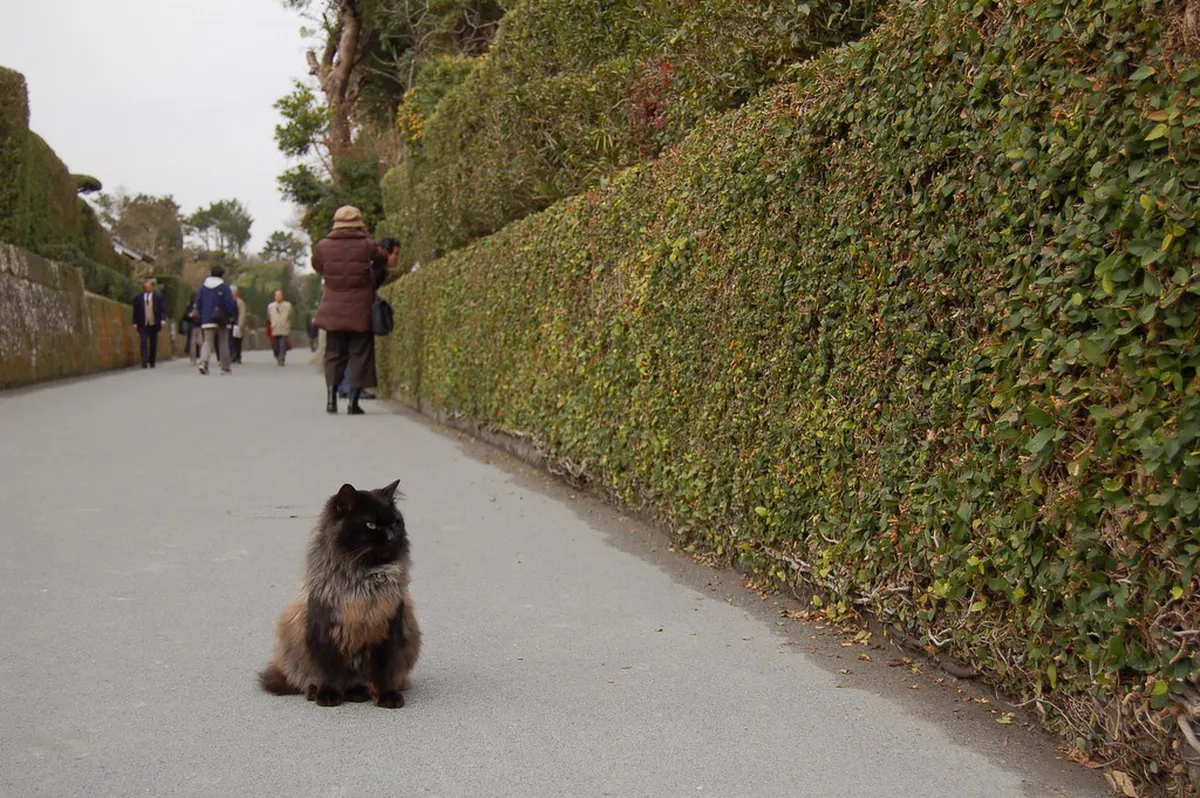
If you have more than a day, look beyond the city. Our 10 Best Day Trips From Kagoshima: The Ultimate Guide (2026) page covers options such as Ibusuki and Chiran. Ibusuki is known for sand baths. Chiran has a samurai district with preserved Edo-period houses.
Mistakes to Avoid and Local Tips
Do not stand in the road to photograph the torii gate. Traffic is constant. Use the sidewalk near the museum instead.
In July and August, a visit starting at 08:30 avoids the midday heat that builds fast on the 20-minute walk from the station.

Avoid midday in July and August. Heat builds quickly, and the walk from the station already takes 20 minutes. Go early.
Carry sunglasses. Sakurajima ash is common in Kagoshima, and a traveler report describes eye irritation after rubbing a face with ash on it. Carry some coins as well, since IC cards are not accepted on every bus.
Check hours before you go. The grounds stay open, but the museum and office typically close by 17:00. If you arrive later, you will still see the gate and the main hall, but not the exhibits.
Also allow for the festival. If your dates fall in mid-July, book early. Hotels near the center fill up. Our Art Hotel Kagoshima review and the Fav Hotel Kagoshima guide are two places to start. For wider trip planning across the country, see our Japan Travel Guide: Plan Your Trip with Expert Tips & Itineraries.
Frequently Asked Questions
Is Terukuni Shrine free to visit?
Entry to the shrine grounds is free, and they are open 24 hours. The small museum, Terukuni Bunko, charges a fee that is usually around ¥300 to ¥500. Confirm the current price at the door.
How long should I plan for Terukuni Shrine?
Plan 30 to 60 minutes. That covers the torii gate, the main hall and a short walk around the grounds. Add 20 to 30 minutes if you want to read the museum exhibits.
How do I get to Terukuni Shrine from Kagoshima-Chuo Station?
You can walk in about 20 minutes. You can also take the city tram to Tenmonkan-dori and walk about 5 minutes. A third option is the City View Bus to Saigo-Dohden-mae, then a 3-minute walk.
When is the Terukuni Shrine lantern festival?
Rokugatsu-do takes place in mid-July. In 2026 it ran on July 15 and 16. Dates can change, so check the shrine's official site before planning a 2027 trip.
Should I visit Terukuni Shrine or Sengan-en?
Choose Terukuni if you want a free, short stop with history. Choose Sengan-en if you want a garden and have 2 to 3 hours. With a full day, do both.
Can I reach the shrine from the cruise port?
Yes. Expect roughly 15 to 20 minutes by shuttle or taxi, based on the brief's guidance. Confirm shuttle details with your cruise line on the day.
Free: The Kagoshima Essentials guide
Top things to do, where to stay, a perfect day plan, getting around, and the best time to go — a Kagoshima mini-guide you can take offline.
You might also like


Continue reading
More guides you'll find useful