How to Get from Sapporo to Asahikawa: A Complete Travel Guide
Discover the best ways to travel from Sapporo to Asahikawa. Compare Limited Express trains, bus routes, and top things to do, from the zoo to sake breweries.
On this page
Traveling from Sapporo to Asahikawa is a quintessential Hokkaido experience that many visitors overlook. I first made this journey during a heavy February snowstorm several years ago. The Limited Express trains handled the deep powder with impressive speed and reliability. Last updated October 2024.
Quick Answer: The JR Limited Express is the best default option, costing ¥5,220 / ~$35 and taking 85 minutes. Budget travelers can take the Highway Asahikawa-go bus for ¥2,500 / ~$17, which takes two hours.
Asahikawa serves as the perfect gateway to northern Hokkaido's wild landscapes and famous zoo. Whether you seek snowy festivals or summer flower fields, the transit logistics are quite simple. This guide covers every detail to ensure your trip is smooth and enjoyable.
Useful resources: the official Asahiyama Zoo site and Asahikawa Tourism & Convention Association have current hours, the winter penguin-walk schedule and access.
Transport Options: Sapporo to Asahikawa
The journey between these two cities is one of the busiest routes in northern Japan. Most travelers prefer the train due to its speed and frequent departure schedule. Trains depart every 30 minutes during peak hours from Platforms 7 and 8 at Sapporo Station. Buses offer a significant discount if you are not in a major rush.
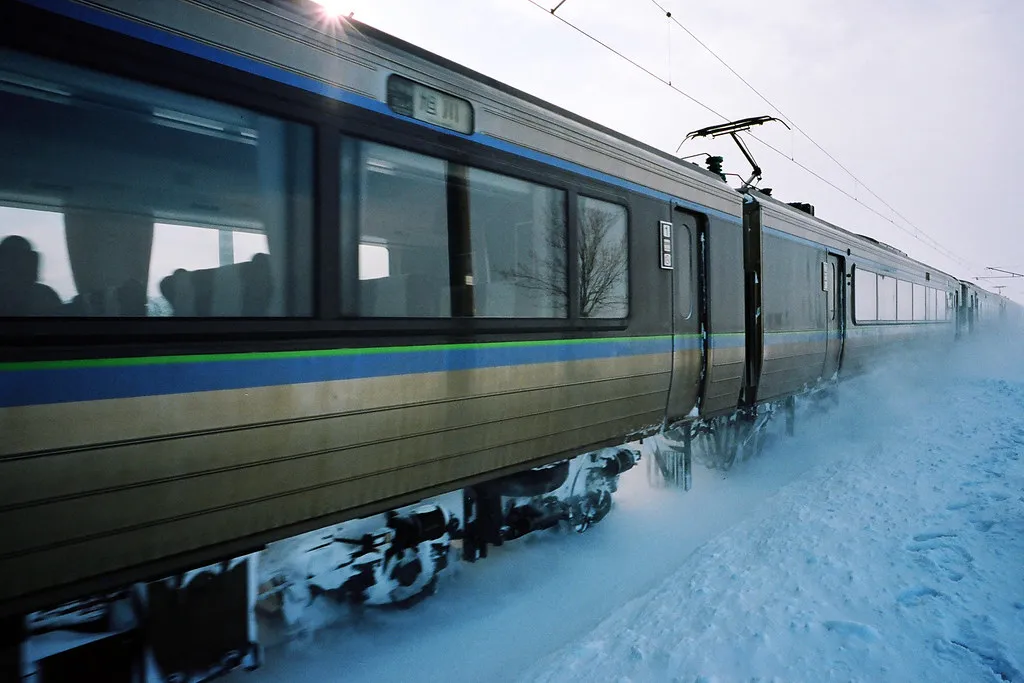
Driving is another viable option if you plan to explore the surrounding Daisetsuzan mountains. The expressway is well-maintained but requires a toll of around ¥4,000 / ~$27 each way. Winter driving can be challenging for those not used to thick ice and snow. Always check the weather forecast before renting a car during the colder months.
Here is a side-by-side comparison of all three options to help you decide quickly:
- JR Limited Express (Lilac or Kamui) — ¥5,220 / ~$35 one-way reserved seat; 1h25 min; departs every 30 minutes; fully covered by JR Pass; best overall choice for solo and couple travelers.
- Highway Asahikawa-go Bus — ¥2,500 / ~$17 one-way, ¥4,350 round-trip; around 2h depending on traffic; departs every 20–30 minutes from Sapporo Station bus terminal; best for budget travelers not holding a JR Pass.
- Rental Car — roughly ¥8,000 / ~$54 per day plus gas and tolls (~¥4,000 each way); 1h50 min via the Hokkaido Expressway; best for groups or anyone planning remote stops like the Blue Pond in Biei.
The train remains the most reliable choice when heavy snow affects local highways. I once watched the expressway close mid-afternoon while the express trains continued without delay.
Limited Express Lilac vs. Kamui: Key Differences
Both the Lilac and Kamui are JR Hokkaido limited express services operating the same Sapporo–Asahikawa route and stopping at the same seven stations: Sapporo, Iwamizawa, Bibai, Sunagawa, Takikawa, Fukagawa, and Asahikawa. The core difference is in their rolling stock and seating setup.
The Lilac uses the older 6-car Series 789 (generation 0) train and is the only service on this route with a Green Car (first-class carriage). If you hold a Green Japan Rail Pass, you can ride in the Green Car at no extra charge. The Lilac suits travelers who want more space or prefer traveling with luggage in a quieter environment.
The Kamui uses the newer 5-car Series 789-1000 (generation 1000) train. It has no Green Car, but its reserved-seat carriage (Car 4) features u-seats — wider seats with individual power outlets, ideal for solo travelers working on laptops. All seats on the Kamui are now reserved, so you must purchase a reserved ticket to board; there are no unreserved cars. The base fare from Sapporo to Asahikawa is ¥4,690 plus the limited express surcharge (total around ¥5,220 for a reserved seat). Both trains are fully covered by the standard Japan Rail Pass, though you still need to reserve your seat at a JR ticket machine or counter.
To board, head to Platforms 7 or 8 at Sapporo Station. Arrive 10–15 minutes early during the summer and winter peak seasons, as these trains fill quickly. Look for the floor markings corresponding to your car number, and keep your ticket ready for the exit gates at Asahikawa Station.
Using Asahikawa as a Northern Hokkaido Rail Hub
One detail most guides miss is how useful Asahikawa Station is as a rail junction for JR Pass holders. Once you arrive, you can connect without returning to Sapporo to several other major destinations. The Furano Line departs from Asahikawa and takes you directly to Furano in about 1h15 min (¥1,290 non-pass), making it the logical gateway for summer lavender trips. The Soya Main Line runs north toward Wakkanai, and the Sekihoku Main Line heads east toward Abashiri and the Shiretoko peninsula.
This means a logical itinerary is Sapporo → Asahikawa (1h25 min) → Furano (1h15 min) → back to Sapporo via the Furano-Biei Norokko seasonal train or a local train, without ever doubling back on the same track. JR Pass holders cover all of these segments at no extra cost beyond the seat reservation fee. Travelers without a JR Pass will find the combined fares add up quickly, which is one of the strongest arguments for purchasing the pass if Hokkaido is a major part of your itinerary.
If you are heading toward Daisetsuzan National Park, the Asahidake Ropeway Bus (Ideyugo Bus 66) departs from Bus Stop 9 outside the station and reaches Asahidake Onsen in about 90 minutes (¥1,450 adults, ¥730 children). This connection is not covered by the JR Pass but is straightforward to book on arrival.
Must-See Asahikawa Attractions
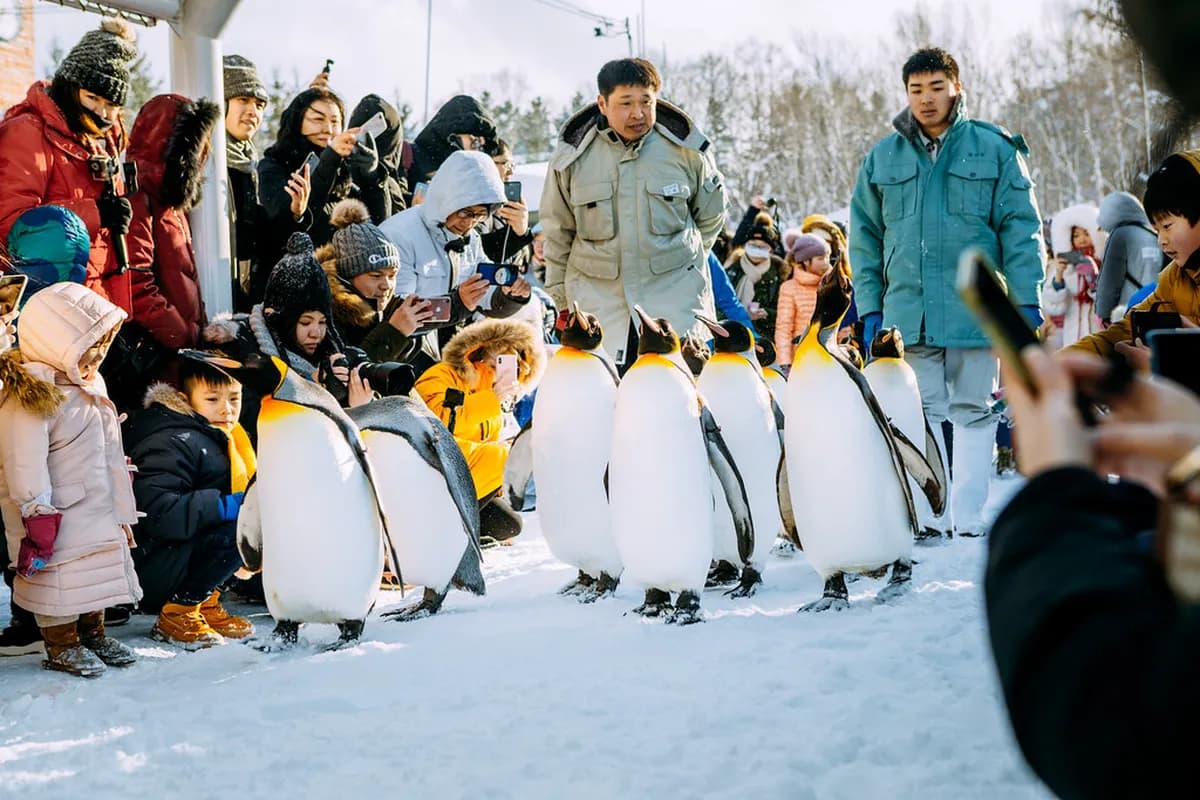
Most visitors prioritize a trip to the famous Asahiyama Zoo penguin walk when they arrive. This facility is unique because it allows you to see animals from creative angles. You can visit the Asahiyama Zoo in winter to see the Penguin Parade. The penguins walk right past visitors twice a day during the snowy months.
Admission to the zoo costs ¥820 for adults and is free for children of junior high school age and younger. To get there, take Bus 41 or 47 from Stop 6 at Asahikawa Station. Buses run every 30 minutes, take about 40 minutes, and cost ¥440 one-way. A taxi from the station is faster at about 30 minutes but costs significantly more.
Heiwa Street is a long pedestrian mall that stretches from the station into the city. It is lined with shops, cafes, and interesting sculptures by local Japanese artists. This is a great place to wander and soak in the local urban atmosphere. You will find many hidden gems and small boutiques along the side streets.
There are many other 11 Best Things to Do and See in Asahikawa worth exploring during a longer stay. The city is quite walkable, though buses are necessary for the outlying zoo area. I recommend starting your day early to beat the crowds at the main sites.
Museums, Art, and Culture in Asahikawa
Asahikawa is widely known for its high-quality woodcraft and beautiful furniture designs. The city's history as a timber hub is celebrated in several local craft museums. You can see master woodworkers at work in the various studios around the city. The Kita-no-Arashiyama craft village hosts pottery, glass, and dyed-material workshops — take Bus 3 or 33 from the station for 20 minutes (¥200).
Sake lovers should visit at least one of the city's three notable breweries. Each offers a distinct experience worth knowing before you choose:
- Takasago Sake Brewery is the most atmospheric. It occupies a traditional white-walled building just minutes on foot from Asahikawa Station, making it the easiest to slot into a day trip. Free tasting is available for most varieties.
- Otokoyama Sake Museum is the best option for first-timers who want context. It has a Ukiyo-e woodblock print gallery documenting the brewing process and provides English-language information throughout. Entrance is free; open 09:00–17:00 (closed 31 Dec–3 Jan). About 20 minutes by taxi from the station.
- Taisetsu no Kura is the youngest of the three but the most complete destination. It has an on-site Japanese restaurant, a landscaped garden, and a shop selling sake, shochu, plum wine, local beer, and handmade glassware — good if you want to combine a tasting with a sit-down meal.
The local food culture is another major highlight for any curious traveler. You should try the local Asahikawa Ramen Guide: Best Shops and Local Flavors" to find the best bowls. Asahikawa ramen is famous for its soy-based broth with a thin layer of oil. This oil helps keep the soup hot during the freezing Hokkaido winters.
Asahikawa Ramen: What Makes It Different from Sapporo Ramen
Visitors who arrive from Sapporo often expect the same style of ramen, but the two cities serve entirely different bowls. Sapporo ramen is famous for its rich miso-based broth, often loaded with butter and corn. Asahikawa ramen is built on a double-stock base — a combination of seafood (typically dried fish) and pork — seasoned with soy sauce rather than miso. A thin film of animal fat is floated on the surface specifically to trap heat, which was a practical adaptation for the city's record-breaking cold winters.
The best place to try multiple styles in one visit is Asahikawa Ramen Village hall, a cluster of eight ramen restaurants near the south of the city. To get there, take the Sekihoku Line from Asahikawa Station for 10 minutes to Minami-Nagayama Station, then walk 7 minutes. Each shop sells small-portion bowls, so you can compare two or three without overeating. Most bowls cost between ¥800 and ¥1,200 / ~$6–$8.
If you only have time for one bowl, ask a local to point you toward one of the old-school shoyu shops in the city center. The broth is lighter in color than Sapporo ramen but punches far above its appearance in depth of flavor.
Parks, Gardens, and Outdoor Spots in Asahikawa
Nature lovers will find plenty to do in and around the city limits. Tokiwa Park is a beautiful green space located near the city center and river. It features a large pond where you can rent boats during the summer. The park is also home to the city's main art museum and library.
For those seeking adventure, Kamui Ski Links offers excellent winter sports. This resort is famous for its light powder snow and wide, uncrowded runs. It is easily accessible by a short bus ride from the main station area. The lift tickets are much cheaper than those in Niseko or Rusutsu.
Daisetsuzan National Park is just a short drive or bus journey away. This is the largest national park in Japan and offers world-class hiking trails. The autumn colors here are some of the first to appear in the country. I suggest visiting in late September to see the vibrant red and gold leaves.
Family-Friendly and Budget-Friendly Options
Traveling with a family can be expensive, but Asahikawa offers many affordable activities. Many of the city's parks and smaller museums have very low entrance fees. The zoo is particularly budget-friendly compared to major theme parks in Japan. Kids will love the interactive exhibits and the chance to see polar bears.
You can save money on transport by purchasing a multi-ride bus pass. These passes are available at the station and cover the main tourist routes. Eating at local ramen shops is another great way to keep costs down. Most bowls cost between ¥800 and ¥1,200 / ~$6 to ~$8 each.
Look for hotels that offer family rooms or traditional tatami mat options. These rooms can often accommodate more people for a lower per-person price. Check out this blog for more Hokkaido travel tips and tricks.
How to Plan a Smooth Asahikawa Day Trip
A day trip from Sapporo is entirely possible if you plan your time carefully. I recommend taking a train no later than 08:30 to maximize your day. This gives you enough time to see the zoo and have a nice lunch. The last express trains back to Sapporo run until late in the evening.
Having a clear itinerary helps you avoid wasting time at the station. Map out your route from the station to the zoo before you arrive. The bus stop for the zoo is located right outside the North Exit. Buses run frequently, but they can get very crowded on weekend mornings.
Always check the weather and train status on the day of your trip. Heavy snow can occasionally cause delays, though the express trains are very sturdy. I always carry a portable charger to keep my phone ready for photos.
- Essential Items for Your Asahikawa Trip
- Comfortable walking shoes are a must for exploring the zoo and parks.
- A fully charged IC card like Suica or Kitaca simplifies local bus travel.
- Warm layers are necessary even in summer as evenings can be quite cool.
- A portable power bank ensures your phone survives a full day of navigating.
- Hand warmers are a lifesaver if you visit during the snowy winter months.
- A small umbrella or raincoat is helpful for sudden Hokkaido weather changes.
Is Asahikawa Better in Winter or Summer?
The best time to visit depends entirely on what activities you enjoy most. Winter brings the magical snow festival and the famous penguin walks at the zoo. Summer offers lush greenery and easy access to the flower fields of Furano. You should find the Best Time To Visit Asahikawa: Seasonal Guide & Travel Tips" based on your interests.
Asahikawa holds its Winter Festival every February — similar in scale to Sapporo's Snow Festival, featuring both snow sculptures and ice carvings. It is worth knowing that Asahikawa recorded Japan's all-time low temperature of -41°C (-41.8°F) in January 1902, so even by Hokkaido standards the cold here is serious. Dress accordingly and give yourself extra time for slow bus connections when temperatures drop below -20°C.
If you love wildlife and snow festivals, visit during the cold winter months. Travelers seeking vibrant flower fields should choose the warm summer season instead. Choose winter for the penguin parade or summer for the nearby lavender farms. Both seasons offer unique charms that make the city worth a repeat visit.
I personally love the winter atmosphere despite the biting cold temperatures. The city looks like a fairy tale when covered in deep white snow. However, the summer hiking in Daisetsuzan is equally spectacular for outdoor enthusiasts.
Where to Stay in Asahikawa
Staying near the station is the most convenient choice for most travelers. There are several modern business hotels located within a few minutes' walk. These hotels offer clean rooms and easy access to the main transport links. You can check out where to stay in asahikawa for specific hotel reviews.
JR Inn Asahikawa is a popular choice because it is literally inside the station. It offers a great public bath and a library for guests to enjoy. Hotel Amanek Asahikawa Ekimae is a newer option with well-designed rooms and a central location. For a more traditional experience, look for ryokans on the city's outskirts — these often include delicious local meals and a more relaxing atmosphere.
Booking a few months in advance is wise for the February festival period. Prices tend to rise significantly as the city fills up with winter tourists. I once waited too long and had to stay in a much further neighborhood.
Other FAQ About Visiting Asahikawa
Many travelers wonder if they can use their JR Pass for the entire trip. The answer is yes, the pass covers both the Lilac and Kamui Limited Express trains. However, it does not cover the local city buses or the highway bus. You will need to pay for those separately using cash or an IC card.
Is a day trip really enough to see the whole city and zoo? While you can see the highlights, a two-day stay is much more relaxed. This allows you to visit the sake breweries and explore the local museums. You will not feel rushed and can enjoy a nice evening meal.
If you encounter any issues during your journey, stay calm and ask for help. The station staff are very helpful and often speak a bit of English. Most problems have a simple solution if you know where to look.
- Troubleshooting Common Travel Problems
- If the Kamui is fully booked, try the Lilac on the same route — both depart from Platforms 7 and 8.
- Allow extra time for the bus during winter snowstorms or peak holiday periods.
- Always check the electronic display boards inside the station concourse for platform changes.
- Carry some cash as small local shops may not accept international credit cards.
- Download an offline map in case your mobile signal drops in the mountains.
- Ask the station tourist office for help if you lose your train ticket.
- Check the zoo's official website for any sudden closures due to animal health.
Frequently Asked Questions
Is Asahikawa worth a day trip from Sapporo?
Yes, Asahikawa is definitely worth a day trip for the zoo alone. The train ride is fast and comfortable. You can easily see the main sights in about eight hours.
What is the difference between the Lilac and Kamui trains?
The Lilac train has a Green Car and more carriages. The Kamui train features comfortable u-seats with power outlets. Both take the same amount of time to travel.
Can I use the JR Pass for the Sapporo to Asahikawa route?
Yes, the JR Pass covers both the Lilac and Kamui Limited Express trains. You can reserve seats for free at any JR ticket office. It offers great value for this route.
Reaching Asahikawa from Sapporo is a simple and rewarding part of any Hokkaido itinerary. Whether you choose the fast train or the budget bus, the journey is very scenic. The city's blend of wildlife, culture, and nature makes it a unique destination.
I hope this guide helps you plan a perfect trip to this northern Japanese gem. Safe travels as you explore the snowy streets or summer fields of Asahikawa.
Free: The Sapporo Essentials guide
Top things to do, where to stay, a perfect day plan, getting around, and the best time to go — a Sapporo mini-guide you can take offline.
You might also like


Continue reading
More guides you'll find useful