Shinjuku at Night: Neon Districts, Free Views, and Safety Tips (2026)
A 2026 guide to Shinjuku at night: Kabukicho's neon, Golden Gai's tiny bars, free skyline views, and last-train logistics for first-time visitors.
On this page
Last updated September 2026, this guide covers Shinjuku at night: what to see, what's free, and how to stay safe as a first-time visitor. Kabukicho's saturated signage turns a walk into a sightseeing activity, no bar visit required. Golden Gai's cramped alleys and the free-entry Tokyo Metropolitan Government Building observatory anchor two very different sides of the same district, one loud, one calm and elevated.
Shinjuku at Night: Kabukicho, Golden Gai, and Omoide Yokocho
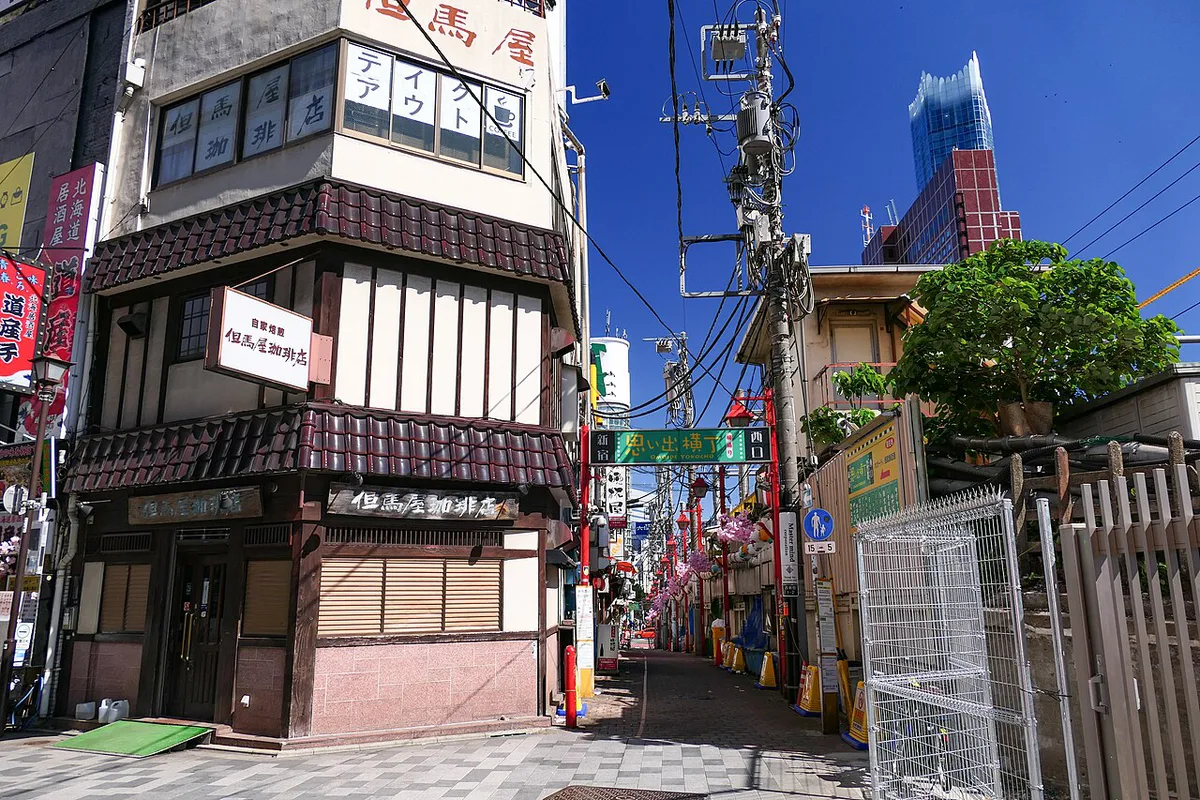
Shinjuku splits into three distinct after-dark personalities within a few minutes of the station's exits. Kabukicho is the high-energy core, its buildings covered in stacked neon signage along every block. Tokyu Kabukicho Tower opened in 2023 with 48 floors above ground and five below, anchoring the district with a cinema and multiple entertainment floors. Golden Gai sits on Kabukicho's edge with more than 200 tiny bars packed into narrow alleys, most seating five to ten people and charging a ¥500 to ¥1,500 cover on top of drinks. Omoide Yokocho, a short walk from the station, trades neon for yakitori smoke and works best as an early-evening stop. It's also known informally as Piss Alley. Clubs across Kabukicho typically peak between 11 PM and 4 AM, well after Omoide Yokocho's early crowd has thinned out. Hanazono Shrine sits a five-minute walk from Kabukicho and offers a quiet break from the neon, with red torii gates marking the Itoku Inari Shrine inside its grounds. For etiquette and a bar-by-bar breakdown, the dedicated Golden Gai guide covers Golden Gai in more depth. For a citywide comparison of where nightlife differs by neighborhood, the Tokyo nightlife guide maps other districts worth adding to a trip.
- Kabukicho: neon-lit, high-energy, clubs peak 11 PM–4 AM
- Golden Gai: 200+ micro-bars, ¥500–¥1,500 cover, best for social bar-hopping
- Omoide Yokocho: yakitori alley, best in early evening, also called Piss Alley
Golden Gai Etiquette: The One-Drink Rule
Golden Gai runs on a simple etiquette most first-time visitors miss. Each bar seats five to ten people, so treat every stool as scarce and order at least one drink before settling in. Staying for a single round, then moving to the next bar, is the norm rather than parking at one counter all night. Signage matters more than it does elsewhere: bars posting an English menu or a foreigner-friendly notice are signaling that walk-ins are welcome, while bars without one may be reserved for regulars. Cover charges run ¥500 to ¥1,500 per bar and apply on top of whatever you order. Bar-hopping across three or four spots in one night is common, with that cover repeating at each stop rather than a single admission covering the whole alley.
- Order at least one drink immediately after sitting down
- Move to the next bar after one round instead of camping at the counter
- Look for English menus or foreigner-friendly signage before entering
- Expect the ¥500–¥1,500 cover to repeat at every bar you visit
Free Things to Do in Shinjuku After Dark
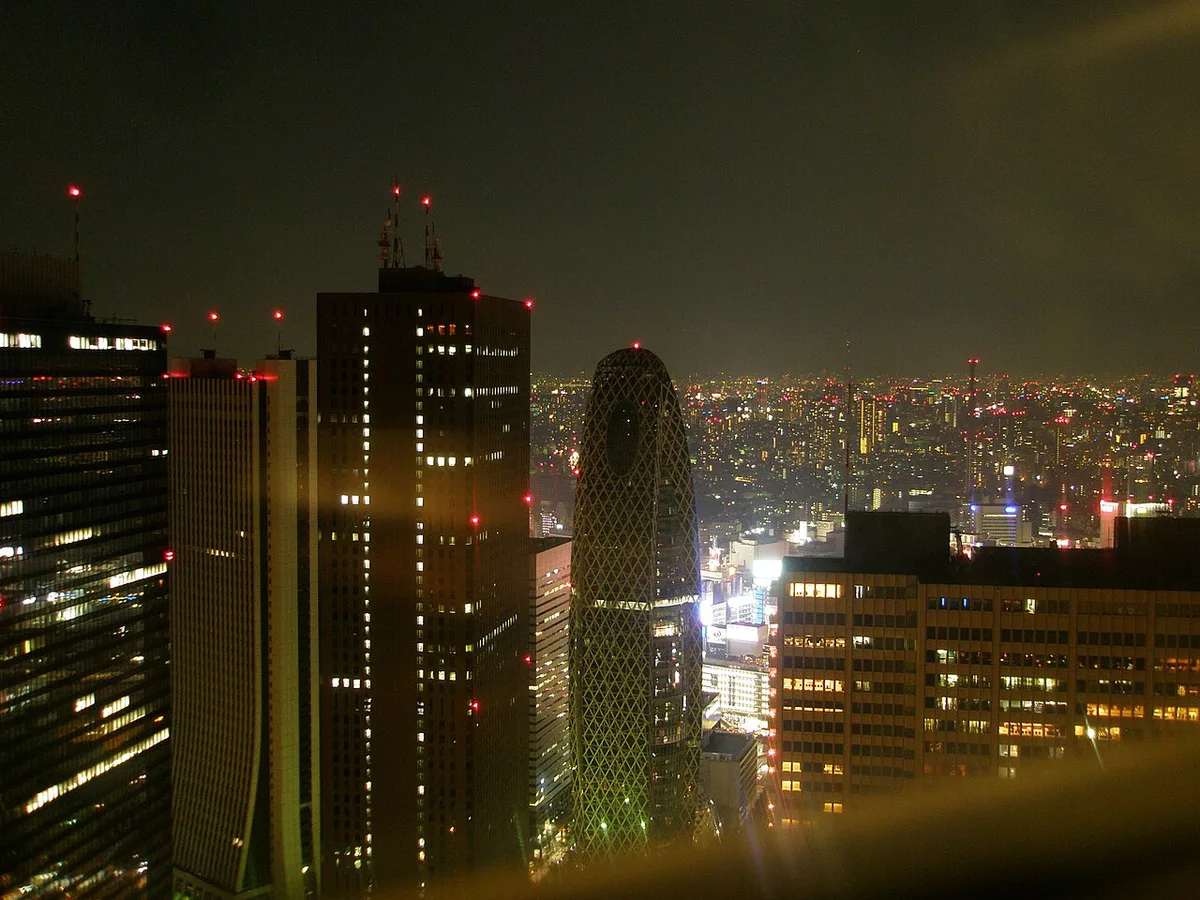
Tokyo Metropolitan Government Building's twin observatories sit 663 feet (202 meters) above the street and cost nothing to enter. The South Observatory closes at 9:30 PM, so visiting before dinner works better than after. Official observatory information is worth checking before you go, since lines build around sunset. Step back outside afterward for TOKYO Night & Light, a projection-mapping show on the same building's facade that runs about 15 minutes and changes by season. On the station's east side, the animated 3D Cat on Cross Shinjuku Vision and the Godzilla head on the Shinjuku Toho Building round out a free photo circuit. It pairs well with other no-cost Tokyo activities elsewhere in the city. For a different, paid night view outside Shinjuku, Tokyo Tower after dark is worth adding to a longer itinerary.
- TMG observatories: free, 663 feet (202m) up, South Observatory closes 9:30 PM
- TOKYO Night & Light: free, about 15 minutes, same building facade
- 3D Cat (Cross Shinjuku Vision) and Godzilla head (Toho Building): free, station's east side
Photographing Shinjuku After Dark
Shinjuku rewards photographers who work the east side of the station first. Cross Shinjuku Vision's animated 3D Cat draws a steady crowd on the plaza below, so arriving before the after-dinner rush gives a clearer sightline. The Godzilla head on the Shinjuku Toho Building sits above street level and reads best in a wider shot that includes the surrounding neon rather than a tight close-up. Kabukicho's main strip is densest for pure signage shots, with neon signs stacked across multiple stories on both sides of the street. Omoide Yokocho's narrow lanes suit close, atmospheric frames of lanterns and yakitori smoke better than wide shots, since there's little room for a wide-angle lens to work with. The signage itself throws off enough light for handheld shots in most of Kabukicho. For an elevated angle over the whole district, the free Tokyo Metropolitan Government Building observatory adds a rooftop view before it closes at 9:30 PM.
Budgeting a Night Out in Shinjuku
A night in Shinjuku can cost nothing beyond transport if you stick to the free viewpoints, or add up quickly at clubs and host bars. The Tokyo Metropolitan Government Building observatory and TOKYO Night & Light cover an entire early evening at zero cost beyond getting there. Golden Gai adds up in small increments, with a ¥500 to ¥1,500 cover charge at each bar you visit across a night of bar-hopping. High-end clubs and host clubs in Kabukicho start around ¥3,000 for entry and climb from there depending on drinks and table charges. Ramen after midnight remains one of the least expensive full meals in the district, though exact prices vary by shop, so check the menu posted outside before sitting down.
| Activity | Typical Cost |
|---|---|
| TMG Observatory (South closes 9:30 PM) | Free |
| TOKYO Night & Light (~15 min show) | Free |
| Golden Gai bar cover | ¥500–¥1,500 per bar |
| Kabukicho club or host club entry | ¥3,000+ |
Shinjuku vs. Shibuya: Which Nightlife Suits You?
Shinjuku and Shibuya solve different nights out. Shinjuku packs izakaya, host clubs, LGBTQ+ venues, and 200-plus Golden Gai bars into walking distance of one station, suiting visitors who want to move between styles in one evening. Shibuya leans younger and more clubbing-focused, built around a handful of main streets rather than Shinjuku's spread of districts. The free-view comparison is the clearest tiebreaker between the two. Tokyo Metropolitan Government Building's observatory costs nothing and closes at 9:30 PM, while Shibuya Sky's rooftop deck charges admission for a different, closer-in skyline angle. Its official Shibuya Sky site lists current hours and pricing for that paid deck. Shinjuku wins if variety and flexibility matter most across a night. For a focused club scene instead, Shibuya after dark is the better fit. Neighborhoods beyond these two also factor in: the broader Tokyo at night guide rounds out the rest of the city.
| Aspect | Shinjuku | Shibuya |
|---|---|---|
| Vibe | Neon-dense, multiple micro-districts | Younger, club-centric, concentrated streets |
| Free night view | TMG Observatory, free, closes 9:30 PM | No free equivalent; Shibuya Sky is paid |
| Signature paid experience | High-end Kabukicho clubs, ¥3,000+ | Shibuya Sky observation deck |
| Best for | First-timers wanting variety in one night | Visitors focused on one clubbing scene |
Dining and Drinking: From Ramen to Rooftops
Ramen shops cluster north of Shinjuku Station in an area nicknamed the ramen battleground, with dozens of stalls staying open well past midnight. GoTokyo's official guide flags this cluster as one of the city's late-night ramen staples. Izakayas across the district run busiest between 6 PM and 9 PM, so arriving right at opening avoids the dinner-rush wait. Beyond the ramen battleground and department stores, izakaya, Japanese-style gastropubs, are scattered throughout Shinjuku as a middle option between street food and a sit-down restaurant. Shinjuku Ni-chome, Tokyo's largest LGBTQ+ nightlife district, packs bars and clubs into a few blocks with an atmosphere visitors describe as open and welcoming to newcomers. For a calmer alternative, the restaurant floors inside Shinjuku West Exit HALC and Keio Department Store Shinjuku serve Japanese and Western menus away from the street-level scene outside.
- Ramen battleground: north of Shinjuku Station, many shops open past midnight
- Izakaya peak hours: 6 PM–9 PM
- Shinjuku Ni-chome: LGBTQ+ hub, dozens of bars within a few blocks
- Department store dining: Shinjuku West Exit HALC, Keio Department Store Shinjuku
Safety and Scams: Navigating Kabukicho's No-Tout Zones
Kabukicho posts official signage discouraging touts, but street promoters still approach visitors near the station exits after dark. Ignore anyone who offers cheap drinks or a special experience without a visible menu, since that's the most common lead-in to an inflated bill. Many bars and izakayas add otoshi, a seating or appetizer charge included on top of drinks. This is standard practice in Japan, not a scam by itself. It becomes a problem only when a venue avoids stating the amount up front, so ask for a price list before ordering. Solo travelers, including women, generally find the main Kabukicho and Golden Gai streets well trafficked and lit. Police presence stays visible on these main streets, and violent crime against visitors remains rare. The same rule applies everywhere: walk away from anyone who tries to lead you off the main street.
- No visible menu or posted prices
- An unsolicited approach from a street promoter
- Staff who avoid stating the otoshi (table charge) before you order
- Being led away from the main street to a second location
Getting There and the Midnight Dilemma
Shinjuku Station connects to central Tokyo on the JR Chuo Line Rapid, a 14-minute ride from Tokyo Station. From Haneda Airport, trains and limousine buses both take about 55 minutes. Narita Airport takes longer, about two hours by limousine bus or one hour 35 minutes by train. Public transport generally stops running around midnight, which is the real planning constraint for a night out. Missing the last train leaves a few realistic options for the rest of the night, from a taxi to waiting things out until service resumes around 5:00 AM. For lodging, the East Exit side puts Kabukicho and Golden Gai within a short walk. The West Exit side sits closer to the skyscraper district around the government building, generally quieter after dark. Beyond nightlife, the full Tokyo attractions guide covers what else to prioritize across a longer Tokyo trip.
Clubs peak 11 PM and 4 AM, but public transport stops around midnight—plan a taxi or stay until service resumes at 5:00 AM.
- Take a taxi back to your accommodation
- Wait it out at a 24-hour cafe or capsule hotel
- Stay out until train service resumes around 5:00 AM
Frequently Asked Questions
Is Kabukicho safe for foreigners at night?
Kabukicho is generally safe on its main streets, with visible police presence and rare violent incidents. The most common problems are financial, not physical, and usually start with a street promoter's offer of cheap drinks. Sticking to venues with a visible menu and posted prices avoids most issues.
What time is the last train from Shinjuku?
Public transport in Tokyo generally stops running around midnight, and Shinjuku Station is no exception. If you're staying out later, plan for a taxi, a capsule hotel, or staying out until service resumes around 5:00 AM.
Are there cover charges in Golden Gai?
Most Golden Gai bars charge a cover of ¥500 to ¥1,500 in addition to drinks. This is standard practice in a district with no tipping culture, and it should be posted near the entrance. If a bar doesn't post its charge clearly, it's reasonable to ask before sitting down.
What is the best place to see the Shinjuku neon?
Kabukicho's main streets carry the densest concentration of neon signage in the district. The Godzilla head on the Shinjuku Toho Building and the animated 3D Cat on Cross Shinjuku Vision are two specific, camera-ready spots on the station's east side. For an elevated view of the same skyline, the free Tokyo Metropolitan Government Building observatory adds a wider perspective before it closes at 9:30 PM.
What is otoshi, and will it surprise me on the bill?
Otoshi is a small seating or appetizer charge added automatically at many bars and izakayas. It's standard practice, not a scam, and should be posted or mentioned when you sit down. It only becomes a problem when a venue avoids stating the amount, so ask upfront if nothing is posted.
What is the TOKYO Night & Light show, and when does it run?
TOKYO Night & Light is a permanent, year-round projection-mapping show on the Tokyo Metropolitan Government Building's facade. Each display runs about 15 minutes and changes with the season and time of day. Show times vary, so confirm the current schedule on the building's official site before heading over.
Free: The Tokyo Essentials guide
Top things to do, where to stay, a perfect day plan, getting around, and the best time to go — a Tokyo mini-guide you can take offline.
You might also like
Continue reading
More guides you'll find useful