Saihoji (Kokedera) Moss Temple Guide: Reservations, Rituals & Logistics
Master the Saihoji reservation process, the mandatory sutra copying, and the ¥4,000 entry fee for Kyoto's UNESCO-listed Moss Temple.
On this page
Last updated September 2026, this guide covers exactly what a Saihoji visit requires before you book. Saihoji, the UNESCO-listed temple known as Kokedera or Moss Temple, holds more than 120 moss varieties. Entry means a reservation, a short sutra-copying ritual, and a ¥4,000 fee, all covered below.
What Is Saihoji (Kokedera)?
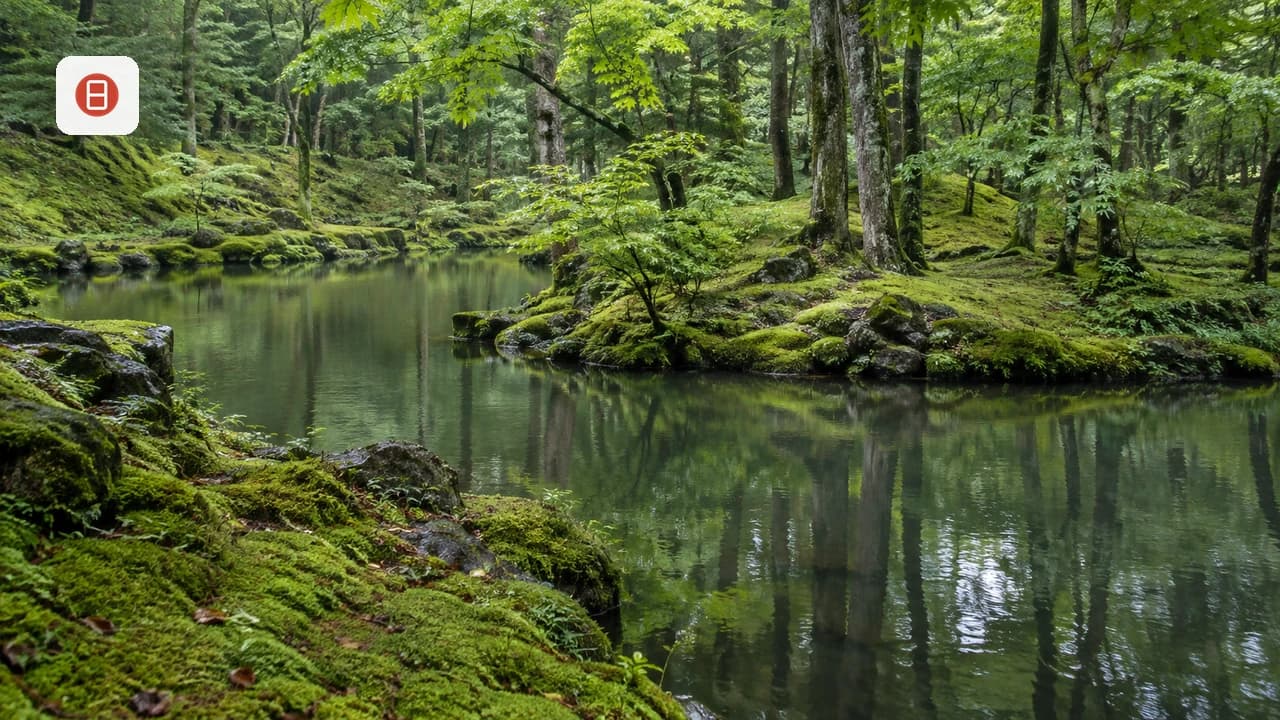
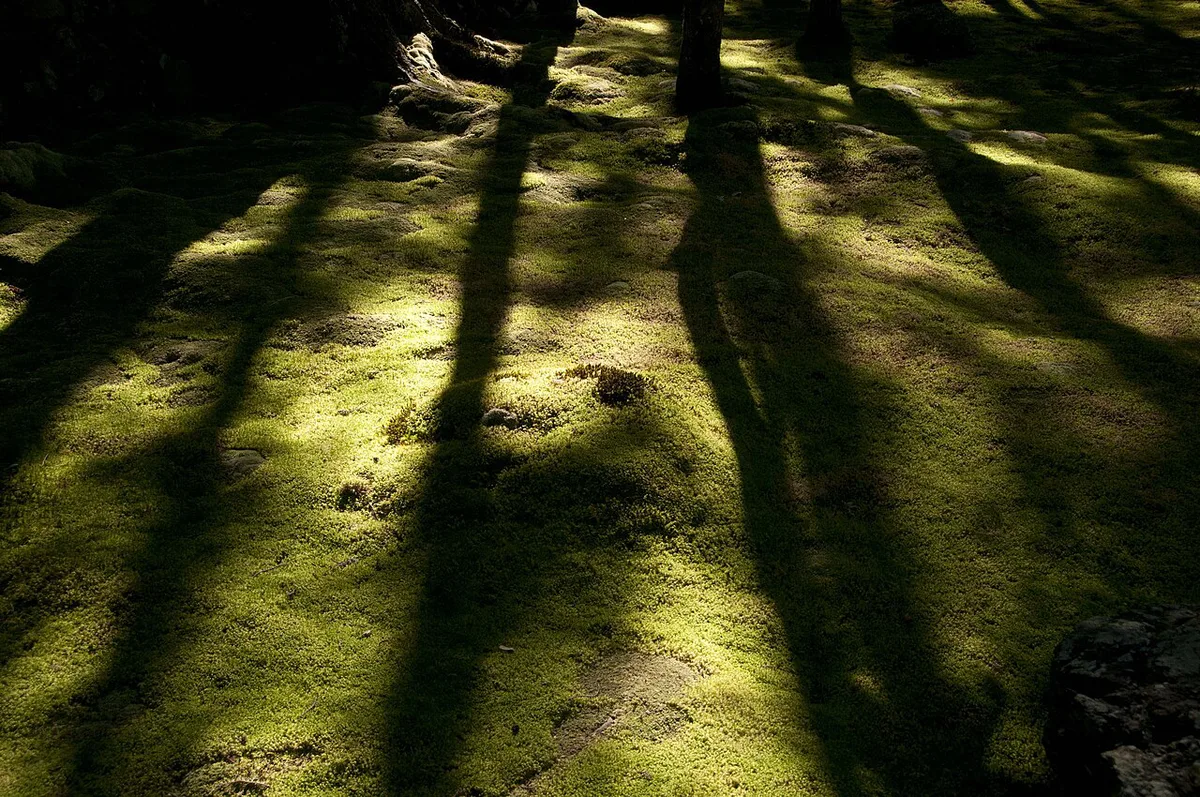
Saihoji sits in the Matsuo district of western Kyoto, close to Arashiyama. It's formally a Rinzai Zen temple, though most visitors know it as Kokedera, or Moss Temple. The nickname comes from more than 120 recorded moss varieties across a two-tiered garden. UNESCO added Saihoji to the Historic Monuments of Ancient Kyoto listing in 1994, alongside Kiyomizu-dera Temple. Zen priest Muso Soseki redesigned the grounds in 1339, creating the template that later Kyoto gardens followed. Reservations have been required since 1977, after decades of open access drew crowds that damaged the moss. The hall's main image is a statue of Amida Nyorai, the Buddha the temple has honored since its earliest days as a Hosso temple. Most visitors combine a Saihoji reservation with other stops in the same part of the city, since the bus and train routes both pass through Arashiyama.
How to Reserve a Visit to Saihoji
Saihoji runs on a strict reservation system, and skipping it means being turned away at the gate. Two official methods exist: an online booking window and a traditional postal application. Online booking opens two months before a visit through the official reservation portal. It stays open until the day before, subject to available slots. A ¥110 service fee applies on top of the ¥4,000 entry fee for online bookings. Postal applications use a return postcard, or an international reply coupon from outside Japan. Send it out one to two months ahead of the intended date. International travelers without a Japanese postal address typically default to the online system, since the postcard route assumes domestic mail or an international reply coupon. Both options require personal details for every visitor in the group, not just the person booking. Every visitor must be at least 13 years old, with no exceptions for younger children. Groups are capped at two people per reservation, and larger parties book separately, with total numbers kept under five. Visitors under 30 have sometimes qualified for a reduced ¥3,000 rate on the official site. It's worth confirming that pricing before you book.
The ¥4,000 entry fee requires additional transport expense ranging from ¥230 by bus to ¥3,500 to ¥4,000 by taxi, making total costs substantial.
- Online: book through the official reservation portal starting two months before your visit, closing the day before, plus a ¥110 service fee.
- Postal: mail a return postcard, or an international reply coupon from abroad, about one to two months ahead of your date.
- Age limit: every visitor must be at least 13 years old, with no exceptions for younger children.
- Group size: two people per reservation, with larger parties booking separately and staying under five total.
The Ritual: Sutra Copying Before the Garden
Entry to the garden depends on completing a short religious activity first. Visitors sit at low writing desks in the main hall while a monk leads a chant. Then they copy a 49-character sutra onto paper. That copying takes about 15 minutes, even without prior calligraphy experience. Nichi-nichi Sanpai, the standard visiting program, pairs sutra-copying with a garden walk. It runs about 60 minutes from start to finish. A second track, Ori-ori Sanpai, adds seasonal or meditation-focused sessions such as morning zazen. These special sessions run on specific dates and need separate registration. Golden Pond, known as Ogonchi, anchors the garden afterward, its outline echoing the Japanese character for heart. Three small islands sit inside the pond. The path then climbs from the moss-covered lower garden to a dry rock garden on higher ground. Temple grounds include steps and gravel, and the garden itself is not wheelchair accessible. Sitting at a low desk for the ritual can be uncomfortable, too, for visitors with knee or back problems, since no chairs are provided.
- No wheelchair access: garden paths include steps and gravel throughout the grounds.
- Floor seating only: the sutra-copying session is done at a low desk with no chairs.
- Plan extra time if kneeling or floor-sitting is difficult, since the ritual runs close to an hour before the garden opens up.
Getting to Saihoji: Train, Bus, and Taxi
From Kyoto Station, the fastest reliable route runs on the Hankyu Railway. Take the Karasuma subway line to Shijo, then transfer to the Hankyu Kyoto line toward Katsura. At Katsura, switch to the Hankyu Arashiyama line for Matsuo Taisha Station. Total travel time runs about 30 minutes for ¥460. Kyoto Bus number 73 is cheaper at ¥230 one way. That ride takes roughly 60 minutes and runs through Arashiyama traffic, so delays are common on busy days. Kyoto Bus 73 runs one to three times an hour from Kyoto Station via Arashiyama. That fare is not covered by the one-day bus pass, so budget for it separately. Travelers with a fixed reservation time should default to the train instead. A taxi from Kyoto Station takes about 20 minutes and runs ¥3,500 to ¥4,000. From Osaka, the Hankyu Kyoto line reaches Katsura Station in about 35 minutes. A roughly 12-minute taxi ride from there costs around ¥1,500. Saihoji has no on-site parking, and nearby coin parking fills up fast. Arriving by train, bus, or taxi is the more dependable choice.
Travel by Hankyu Railway takes 30 minutes from Kyoto Station, but tight reservation time slots mean arriving late risks losing your entire booking.

| Route | Time | Cost | Notes |
|---|---|---|---|
| Hankyu Railway (from Kyoto Station) | About 30 min | ¥460 | Most reliable; avoids Arashiyama traffic |
| Kyoto Bus #73 (from Kyoto Station) | About 60 min | ¥230 | Runs 1-3x/hour; traffic-prone; not covered by the 1-day bus pass |
| Taxi (from Kyoto Station) | About 20 min | ¥3,500-4,000 | Most direct, no transfers |
| From Osaka (Hankyu to Katsura + taxi) | About 35 min plus 12 min taxi | Taxi portion about ¥1,500 | Via Katsura Station |
Where to Stay for a Saihoji Visit
Where you sleep the night before shapes how smoothly the morning goes. Visitors with an early reservation slot often base themselves near Kyoto Station. From there, the Hankyu Railway route to Matsuo Taisha Station starts with a short subway hop. Staying in Arashiyama instead shortens the final leg to a quick taxi or bus ride. It also puts other western Kyoto stops within walking distance for the rest of the day. Either base works well, since the trip in is about 30 minutes by train or 20 minutes by taxi once you're moving.
The History Behind Kyoto's Most Influential Garden
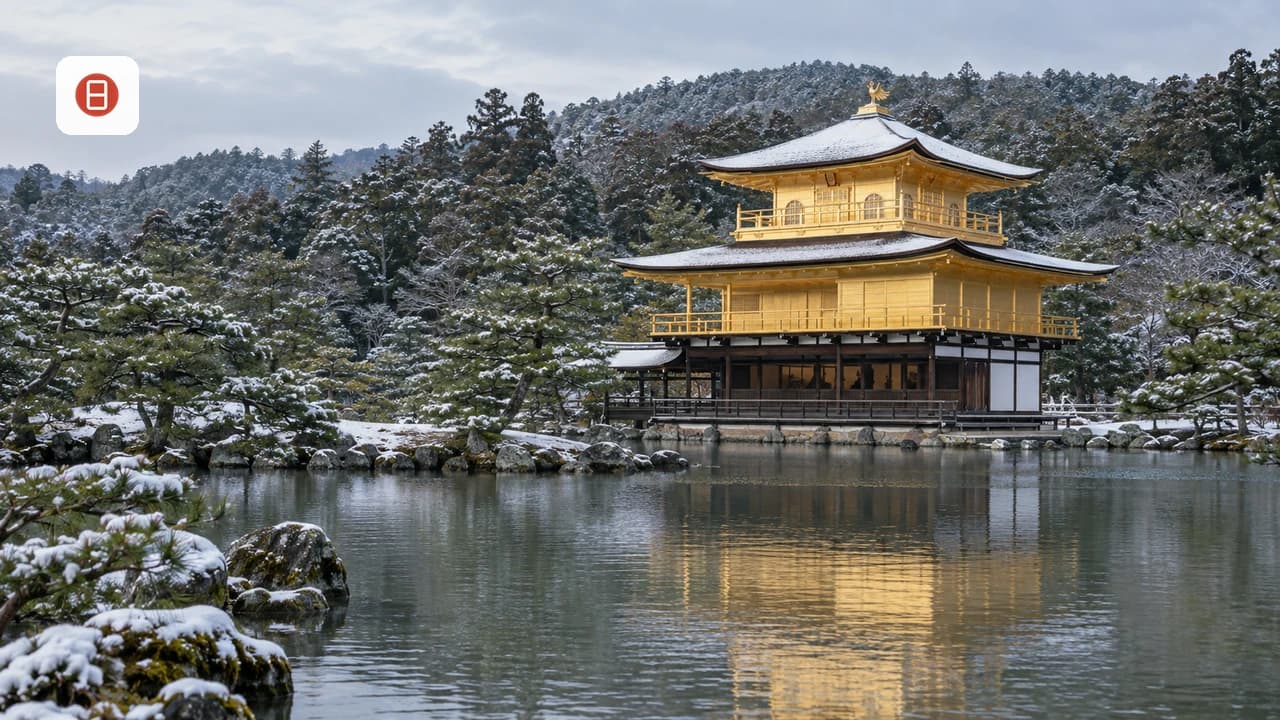
Temple tradition traces Saihoji to a retreat linked to Prince Shotoku, later converted into a temple during the Nara period. It changed hands between Buddhist sects for centuries. Then, in 1339, Zen priest Muso Soseki rebuilt it as a Rinzai Zen temple and designed its garden. That garden went on to shape two of Kyoto's other landmark sites. Ashikaga Yoshimitsu modeled Kinkaku-ji, the Golden Pavilion, on Saihoji's design. Ashikaga Yoshimasa later did the same for Ginkaku-ji, the Silver Pavilion. Both pavilions remain among Kyoto's UNESCO temples today. Fire during the Onin War destroyed the temple's structures in 1469. Later floods in the Edo period devastated the garden again. Iwakura Tomomi, a court noble, took shelter at the temple's Shonan-tei arbor in 1862, during the political upheaval before the Meiji restoration. According to garden historian François Berthier, the grounds were originally a dry landscape garden carpeted in white sand rather than moss. Moss spread across the grounds on its own during the Meiji era, when the temple lacked funds for regular upkeep, and the garden reopened to the public in 1928. The main hall standing today was rebuilt in 1969, and a three-storied pagoda was added in 1978 to store sutra copies.
Is Saihoji Worth the ¥4,000 and the Hour It Takes?
Weigh the ¥4,000 fee and roughly hour-long ritual against how much time is available and what else is on the itinerary. Two Kyoto gardens make useful contrasts. Gio-ji in Arashiyama and Sanzen-in in Ohara both charge far less and need no reservation or ritual. Neither matches Saihoji's moss density or long history, though. Travelers short on time sometimes skip Saihoji altogether and add Gio-ji or Sanzen-in instead, trading the ritual and higher fee for speed. Those chasing the deepest moss color, though, still find Saihoji worth the extra planning. Choosing Saihoji instead trades money and time for a quieter, capped-attendance garden rather than a crowded thoroughfare. Timing changes the experience, too. The East Asian rainy season, roughly early June to mid-July, brings out the deepest green in the moss. Late autumn is the other strong window, when turning maple leaves contrast with the moss. Check current seasonal windows in the Kyoto seasonal planning guide before choosing a date. Winter closes the garden entirely, from mid-January through February, for maintenance. During that stretch, reserved visitors instead tour the main hall's fusuma sliding-door paintings by artist Domoto Insho. They can also take part in zazen meditation instead of sutra copying. Either way, booking Saihoji early keeps both the ritual slot and the season you want available. If a Saihoji slot isn't available, consider a nature-focused alternative such as the Kurama to Kibune hike.
Mistakes to Avoid and Practical Tips
A few small errors trip up otherwise well-planned Saihoji visits. Most of these come down to timing and a bit of homework before arrival. None of these mistakes are hard to avoid once the rules are clear in advance, and a few minutes of prep before booking heads off nearly all of them.
- Arriving late: reservations are tied to a specific entry time, and latecomers risk losing their slot entirely.
- Photographing inside the main hall: cameras must stay away during the chanting and sutra-copying, though the garden itself is fine to photograph.
- Skipping socks: shoes come off before entering the hall, so bring a clean pair without holes.
- Leaving reservation proof at the hotel: staff check names against the booking list at the gate.
- Assuming prices are fixed forever: reconfirm the ¥4,000 base fee and any online service charge before paying, since these can change.
For related deep-dives, see our Gion at Night: A Guide to Kyoto's Lantern-Lit Geisha District and Kyoto at Night: Evening Walks, Illuminations, and Transit Tips for 2026 guides.
Frequently Asked Questions
How far in advance should you book a Saihoji reservation?
Online applications open two months before your visit and close the day before, depending on availability. Postal applications need one to two months of lead time, so mail your return postcard early if you prefer that route.
Can children visit Saihoji?
No. Every visitor must be at least 13 years old, with no exceptions for younger children, even with a parent present.
How much does a Saihoji visit cost?
Base entry is ¥4,000, and online bookings add a ¥110 service fee on top of that. A reduced ¥3,000 rate has sometimes applied for visitors under 30, so confirm current pricing when you book.
Is Saihoji wheelchair accessible?
No. Garden paths include steps and gravel, and wheelchair access is not available. Sutra copying also requires sitting on the floor at a low desk, which can be difficult with knee or back problems.
What's the best time of year to see Saihoji's moss?
Rainy season, roughly early June through mid-July, produces the deepest green in the moss. Late autumn is the other strong option, when turning maple leaves contrast with the moss. The garden closes for maintenance from mid-January through February, so plan around that window.
How do you get to Saihoji from Kyoto Station?
The fastest route is the Hankyu Railway, connecting through Shijo and Katsura to Matsuo Taisha Station in about 30 minutes for ¥460. Kyoto Bus number 73 costs less at ¥230 but takes about 60 minutes and can run late in Arashiyama traffic.
Can you take photos at Saihoji?
Photography is not allowed inside the main hall during the chanting and sutra-copying. Cameras are fine once you're out walking the moss garden afterward.
Is Saihoji the same as Kokedera?
Yes, they're the same place. Saihoji is the temple's formal name, and Kokedera, meaning Moss Temple, is the common nickname used locally and in most travel guides.
Is there parking at Saihoji?
No dedicated lot exists at the temple. Nearby coin parking fills quickly, so arriving by train, bus, or taxi is more reliable.
Do you need to know Japanese for the sutra copying?
No prior experience is needed. A traced outline of the characters guides every visitor, regardless of language or calligraphy background.
Free: The Kyoto Essentials guide
Top things to do, where to stay, a perfect day plan, getting around, and the best time to go — a Kyoto mini-guide you can take offline.
You might also like

Continue reading
More guides you'll find useful