Tokyo Music Festivals 2026: The Ultimate Planning Guide
Plan tokyo music festivals for 2026: Summer Sonic, Fuji Rock, and Tokyo Idol Festival dates, transit times, ticket tiers, and last-train logistics.
On this page
Last updated August 2026, tokyo music festivals peak between late July and September, when stadium rock, idol showcases, and anime-song arena shows all land close together. The lineup splits into two types: festivals inside the Tokyo metro area, and destination festivals reachable only by Shinkansen or flight. This guide separates the two, since travel time is often the detail most likely to derail your festival weekend.
Tokyo Music Festivals in 2026: Season, Scale, and the Historic Contest That Preceded Them
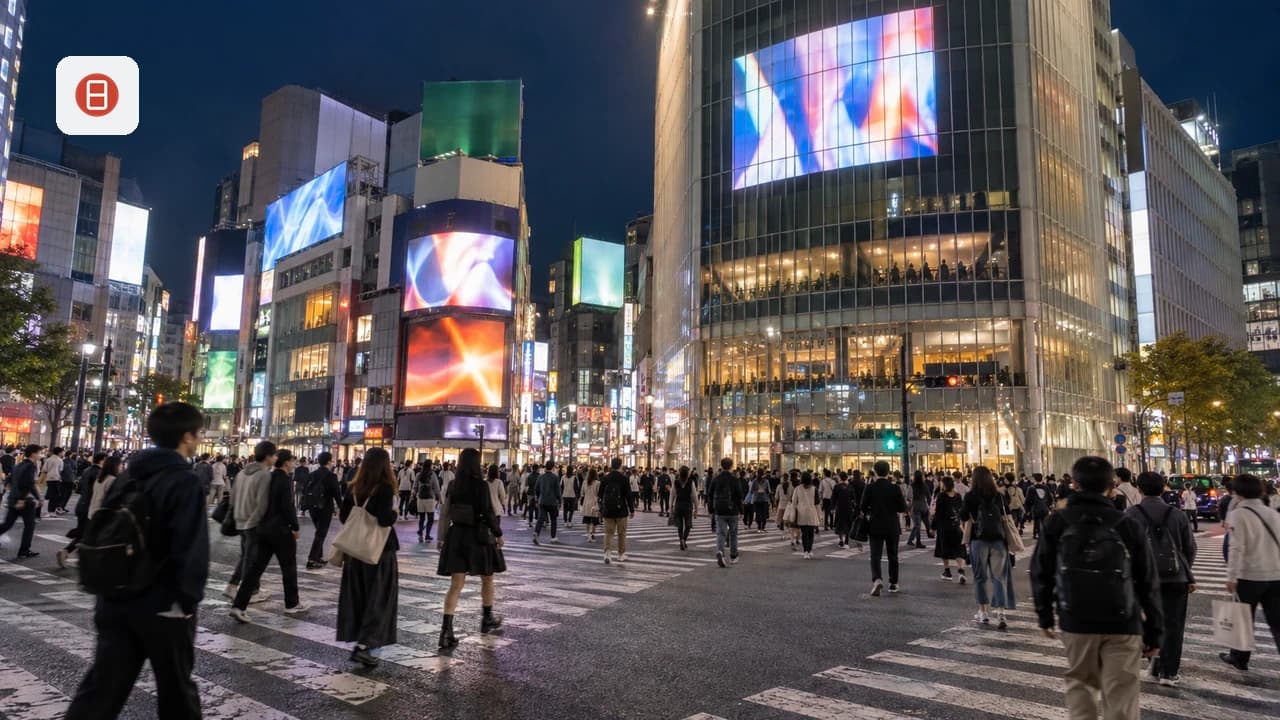
Peak season for tokyo music festivals runs from late July through September, when humidity peaks and outdoor stages fill Chiba, Saitama, and the Tokyo waterfront. Three events do the heaviest lifting. Summer Sonic splits across ZOZO Marine Stadium and Makuhari Messe. Tokyo Idol Festival follows in Odaiba, and Animelo Summer Live closes out the run at Saitama Super Arena. A separate, older event carried a nearly identical name. Tokyo Music Festival was an international song contest organized by the Tokyo Music Festival Foundation, and it ran mostly at Nippon Budokan from 1972 to 1992. Past Grand Prix winners included Natalie Cole, Al Green, and Lionel Richie, drawn from a rotating roster of international pop acts invited each spring. That contest ended over three decades ago, so anyone searching for it today is better served by the active festivals covered below. Traditional festival culture runs on a separate calendar. Asakusa's Sanja Matsuri weekend is one such shrine event, not a concert. The Sannō Matsuri procession is another, and neither overlaps with the acts covered in this guide. For festival culture beyond music, the wider summer festival calendar covers those matsuri month by month. These music festivals also sit inside a much larger citywide calendar, cataloged in Tokyo's full events calendar. If you would rather skip festival crowds and heat entirely, time your trip around cherry blossom season instead. For a broader look at weather trade-offs across the year, the seasonal weather planning guide covers shoulder-season options.
Inside Tokyo's 23 Wards vs. a Regional Day Trip
Not every festival branded as a Tokyo event actually sits inside the city's 23 wards. Summer Sonic's Chiba venues and Animelo Summer Live's Saitama arena both sit just outside the ward boundary, close enough for a same-day round trip. Tokyo Idol Festival is the one major event that stays inside Tokyo proper, in Odaiba. Fuji Rock and Rising Sun Rock Festival sit in a different category entirely: Niigata and Hokkaido, both requiring a Shinkansen leg or a flight rather than a same-day train ride. Sort festivals this way before you book accommodation, and you avoid a common mistake: reserving a Tokyo hotel for a festival that actually needs an overnight stay somewhere else.
Same-day festivals like Summer Sonic take 30 minutes to reach by train, while Fuji Rock's 90 minutes of Shinkansen travel plus shuttle transfers demands overnight stays and explains why accommodation needs booking months ahead.
Summer Sonic: Chiba's Stadium-Scale Weekend
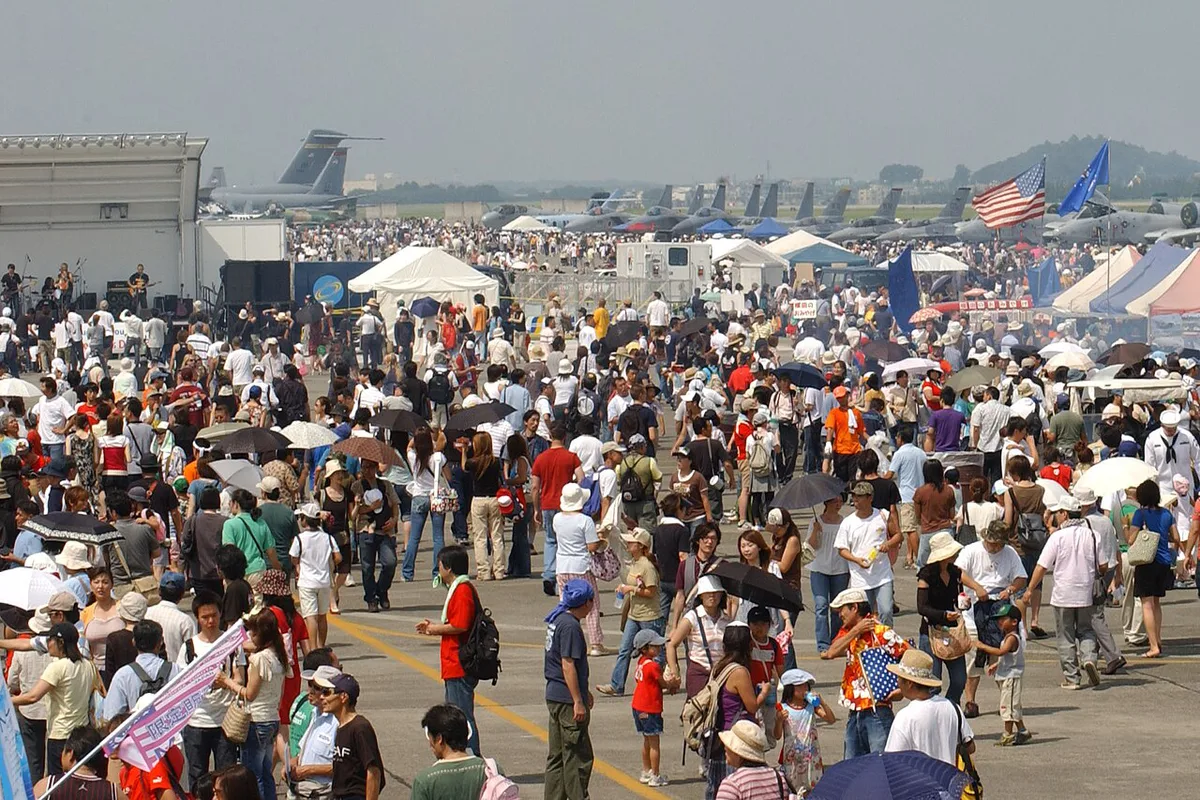
Summer Sonic 2026 runs August 14 to 16, spread across ZOZO Marine Stadium and Makuhari Messe in Chiba, with a parallel Osaka edition at Expo'70 Commemorative Park the same weekend. Summer Sonic's lineup mixes rock, pop, hip-hop, and EDM, and most headliners perform on both the Tokyo and Osaka legs. General admission for the Chiba dates has run ¥20,000 to ¥38,000. Getting there is direct: a rapid JR Keiyō Line train from Tokyo Station reaches Kaihin-Makuhari Station in about 30 minutes, with both venues a short walk from the station. Festival weekends like this one often land close to the city's fireworks calendar, covered in the 2026 fireworks schedule.
Tokyo Idol Festival (TIF): Idol Culture in Odaiba
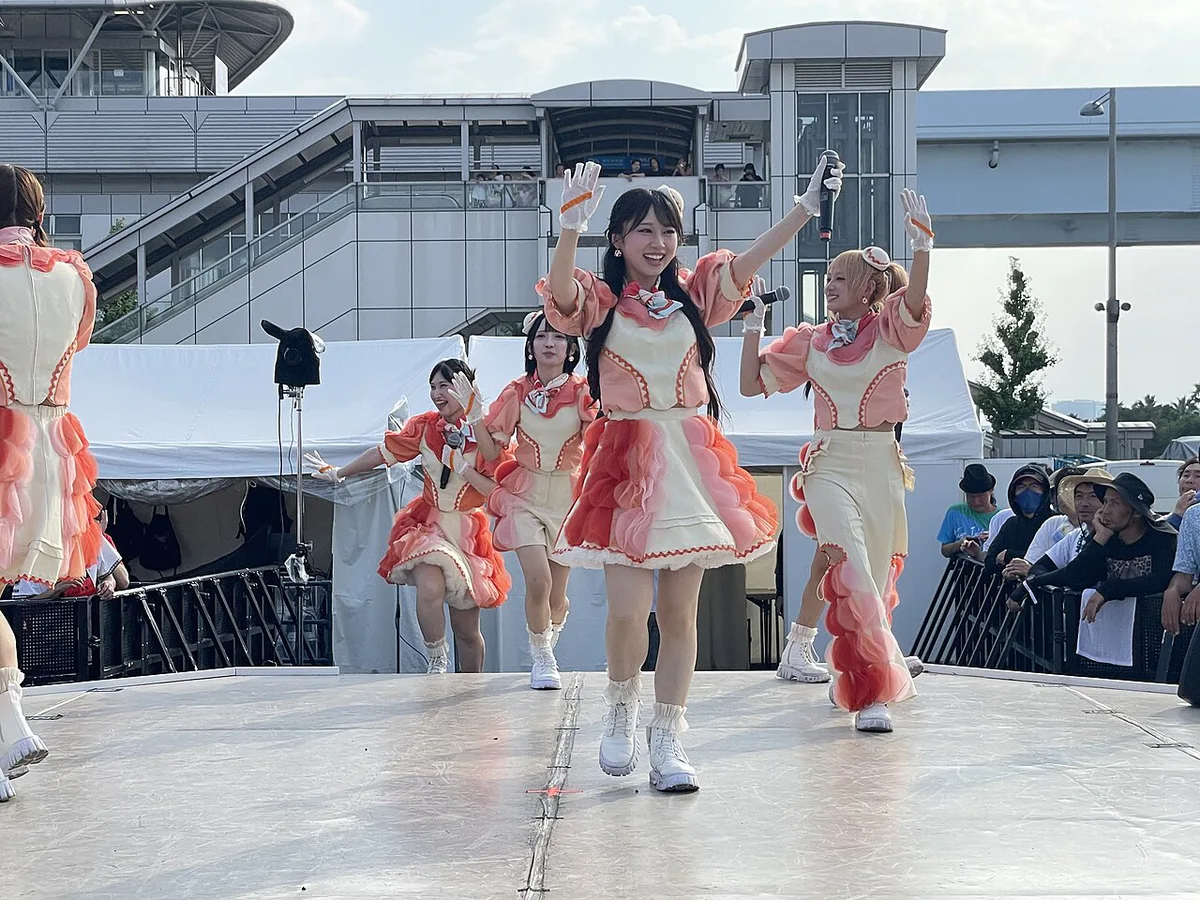
Tokyo Idol Festival takes over Odaiba and Aomi in Koto each early August, with dozens of stages dedicated to Japanese idol groups rather than international headliners. TIF has consistently drawn up to 200 idol groups and as many as 90,000 attendees across its run in Odaiba, and it is often described as the world's largest gathering dedicated to Japanese idol culture. Showcase sets for up-and-coming acts and meet-and-greet sessions fill out the schedule alongside the main stages. General admission has ranged ¥9,800 to ¥26,500. From Tokyo Station, take the JR Yamanote Line to Shimbashi, then transfer to the Yurikamome for Aomi or Tokyo Teleport Station. From Shibuya or Shinjuku, the JR Saikyo/Rinkai Line runs directly to Tokyo Teleport Station, within walking distance of the festival grounds.
Rock in Japan Festival: Now in Chiba's Soga Sports Park
Rock in Japan Festival, billed as the country's largest annual rock event, has shifted its dates to September and spread the event across two weekends at Soga Sports Park in Chiba. Shifting away from August is a deliberate response to summer heat. More than 100 acts appear across both weekends, spanning J-Rock, J-Pop, and K-Pop names. Single-day general admission runs ¥16,000. Soga Sports Park is an 8-minute walk from JR Soga Station on the Keiyō Line, and shuttle buses also run from JR Chiba, JR Chiba Minato, and Keisei Chibadera stations.
- Weekend one: September 13, 14, and 15
- Weekend two: September 20 and 21
Animelo Summer Live (Anisama): Anisong at Saitama Super Arena
Animelo Summer Live, known as Anisama, runs August 29 to 31 at Saitama Super Arena and focuses entirely on anisong, the soundtrack genre behind major anime series. Domestic lottery tickets start at ¥11,000 per day, while a separate overseas-customer option is sold at a premium, listed from ¥24,200 per day. Cheaper single-day tiers are sometimes available on the Saturday and Sunday dates, though sightlines from some seats can be limited. Saitama Super Arena sits a 3-minute walk from Saitama Shintoshin Station, served by the JR Keihin-Tohoku, Utsunomiya, and Takasaki lines. Kita-Yono Station on the JR Saikyo Line is also 7 minutes away on foot.
Fuji Rock Festival: A Genuine Trip Outside Tokyo
Fuji Rock Festival sits well outside Tokyo, at Naeba Ski Resort in Niigata, and the name causes real confusion for first-time visitors expecting a Tokyo venue. Fuji Rock has a reputation as Japan's wettest major festival, so rain gear matters as much as your ticket. It typically runs in late July, with general admission spanning ¥9,000 to ¥59,000 depending on ticket tier. Camping and one-day tickets tend to stay available closer to the date, while multi-day accommodation packages sell out months ahead. Multi-day tickets also grant access to the campsite areas, where most of the food stalls and late-night sets are concentrated. Naeba's setting favors forest and mountain scenery over stadium seating, which is the main draw for repeat attendees.
Fuji Rock's ¥9,000 to ¥59,000 range offers the cheapest festival entry, while most other events start at ¥11,000 or higher, making Fuji Rock a budget option despite its 90-minute transit demand.
- Train: Jōetsu Shinkansen from Tokyo Station to Echigo-Yuzawa Station, about 90 minutes, then a shuttle bus of roughly 40 minutes for ¥2,000 round trip.
- Car, 3-day ticket: exit the Kanetsu Expressway at Tsukiyono Interchange for the main S and A parking areas.
- Car, 1-day ticket: exit at Yuzawa Interchange, park in the outer areas, and take the free shuttle to the grounds.
Rising Sun Rock Festival: An All-Night Run to Hokkaido
Rising Sun Rock Festival pushes further still, to Ishikari Bay New Port near Otaru in Hokkaido. It has run as an all-night outdoor rock festival since 1999, with five stages running through to sunrise. Camping is available on site, and both single-day and multi-day admission options are sold alongside camping tickets. Tickets run ¥15,000 to ¥31,000 depending on how many days and whether camping is included. Reaching the grounds takes about 80 minutes by car from New Chitose Airport, or roughly 40 minutes from JR Sapporo Station.
Comparing Tokyo's Music Festivals at a Glance
Genre, distance, and price vary enough across these six festivals that choosing one often comes down to logistics as much as lineup. This comparison table lines up location, transit, and typical ticket cost side by side.
| Festival | Genre | Location | Getting There | Ticket Range |
|---|---|---|---|---|
| Summer Sonic | Rock, pop, hip-hop, EDM | ZOZO Marine Stadium & Makuhari Messe, Chiba | JR Keiyō Line, about 30 min from Tokyo Station to Kaihin-Makuhari | ¥20,000–¥38,000 |
| Tokyo Idol Festival | Idol, J-pop | Odaiba / Aomi, Koto | JR Yamanote Line + Yurikamome, or JR Saikyo/Rinkai Line direct to Tokyo Teleport | ¥9,800–¥26,500 |
| Animelo Summer Live | Anisong | Saitama Super Arena | 3-min walk from Saitama Shintoshin Station, or 7-min walk from Kita-Yono Station | ¥11,000–¥24,200/day |
| Rock in Japan Festival | J-Rock, J-Pop, K-Pop | Soga Sports Park, Chiba | 8-min walk from JR Soga Station; shuttle buses from JR Chiba, JR Chiba Minato, Keisei Chibadera | ¥16,000/day |
| Fuji Rock Festival | Rock, alternative | Naeba Ski Resort, Niigata | Jōetsu Shinkansen (about 90 min) + shuttle bus (about 40 min, ¥2,000 round trip) | ¥9,000–¥59,000 |
| Rising Sun Rock Festival | J-Rock | Ishikari Bay New Port, Otaru, Hokkaido | About 80 min by car from New Chitose Airport, or about 40 min from JR Sapporo Station | ¥15,000–¥31,000 |
IC Cards and Avoiding the Ticket-Machine Crush
A Suica or Pasmo card is the single most useful item for any of these festivals. Stations near Makuhari Messe, Saitama Super Arena, and Tokyo Teleport get overwhelmed with paper-ticket lines when tens of thousands of attendees try to leave at once. Tapping through with a preloaded IC card skips that line, and both cards work interchangeably across JR, Tokyo Metro, Toei, and the Yurikamome line used for Tokyo Idol Festival. Load extra balance onto your card before heading out, since ticket machines at smaller stations like Kaihin-Makuhari can back up fast once a headline set ends.
Tickets, Lottery Sales, and Where to Stay
Japanese festival tickets typically move through two stages. An early advance-sales round called 先行 is often allocated by lottery, followed by 一般発売, the general sale that opens once advance allocations are filled. If you only catch general sale as an overseas fan, expect fewer date and seating options than those who apply during the advance round. Pricing usually splits into general admission and a higher VIP or platinum tier with better sightlines, reflected in the ranges in the table above. Most of these festivals also sell single-day tickets separately from full multi-day passes, useful if you are splitting a trip between sightseeing and one headline night. Accommodation near Makuhari, for Summer Sonic, or Echigo-Yuzawa, for Fuji Rock, fills up fast. Book a room roughly six months or more ahead for either one. Festival tickets alone can consume a meaningful share of a travel budget. Pair a festival weekend with no-cost things to do on the days before or after to help balance the spend. On non-festival days, the core Tokyo attractions list rounds out an itinerary with sights that don't need a ticket lottery.
Weather, Last Trains, and Festival Etiquette
Tokyo's festival season overlaps with the most humid stretch of summer, and cooling scarves and salt candies are common gear for anyone spending a full day at an outdoor stage. Convenience stores near festival grounds typically stock sunscreen, cooling sprays, and instant ice packs, a reasonable backup if you arrive without cooling gear of your own. Transit, not temperature, is the bigger planning risk. Most train lines in and around Tokyo stop running around midnight, and a headline set that runs late can strand a crowd all at once. Taxis from Makuhari, Saitama, or Odaiba back into central Tokyo cost far more than the train fare, so check your last-train time before a headliner even starts. Food stalls at most of these festivals accept IC cards at larger vendors, but smaller stands often stay cash-only, so carry some yen alongside your loaded Suica or Pasmo to avoid a stall-side scramble.
Frequently Asked Questions
What are the biggest tokyo music festivals to plan a 2026 trip around?
Summer Sonic, Tokyo Idol Festival, and Animelo Summer Live are the three events most people mean when they search for tokyo music festivals. Summer Sonic covers rock, pop, and EDM across ZOZO Marine Stadium and Makuhari Messe. Tokyo Idol Festival is often described as the world's largest gathering dedicated to Japanese idol culture. Animelo Summer Live, or Anisama, is billed as the world's biggest anime song festival at Saitama Super Arena.
When is Summer Sonic 2026?
Summer Sonic 2026 runs August 14 to 16, split between ZOZO Marine Stadium and Makuhari Messe in Chiba. A parallel Osaka edition runs the same weekend at Expo'70 Commemorative Park, with most headliners appearing at both cities.
Is Fuji Rock Festival actually inside Tokyo?
No. Fuji Rock takes place at Naeba Ski Resort in Niigata, well outside the city. Budget close to two hours of one-way travel: about 90 minutes on the Jōetsu Shinkansen to Echigo-Yuzawa Station, then a roughly 40-minute shuttle bus to the festival grounds.
What happened to the original Tokyo Music Festival?
The Tokyo Music Festival was an international song contest that ran from 1972 to 1992, mostly at Nippon Budokan, before it was discontinued. It has no connection to Summer Sonic, Fuji Rock, or the other active festivals covered in this guide, despite the similar name.
Can visitors from outside Japan buy tickets to Animelo Summer Live?
Yes. Domestic lottery tickets start at ¥11,000 per day, and a separate overseas-customer option is sold from ¥24,200 per day. Applying as early as possible improves your odds of a workable date and seat.
Is Rock in Japan Festival still held in August?
No, it moved to September to cut down on heat exposure. The 2026 edition spreads across two weekends: September 13, 14, and 15, then September 20 and 21, at Soga Sports Park in Chiba.
What time do trains stop running near Tokyo's festival venues?
Most JR and metro lines around Tokyo, Chiba, and Saitama stop running close to midnight. If a headline set runs long, budget for a taxi back from Makuhari, Saitama, or Odaiba, since fares from these areas run well above a normal in-city ride. Checking your specific line's last departure before the show starts is worth the two-minute interruption.
Free: The Tokyo Essentials guide
Top things to do, where to stay, a perfect day plan, getting around, and the best time to go — a Tokyo mini-guide you can take offline.
You might also like


Continue reading
More guides you'll find useful