

Hakata Dolls in Fukuoka: Where to See and Buy
Where to see and buy Hakata ningyo in Fukuoka, how to tell real craft from souvenirs, and how to fit Nakasu and Hakata into one easy route.
On this page
Last updated November 2026. Hakata dolls in Fukuoka are unglazed clay figures, and the easiest place to see and buy them is Hakata Doll Hall Shogetsudo in Nakasu. Shogetsudo is listed at Nakasu 5-1-22 and opens 9:00 to 19:30. Use this guide to choose a piece, pack it safely, and pair the stop with a half-day around Hakata.
What Are Hakata Dolls (Hakata Ningyo)?
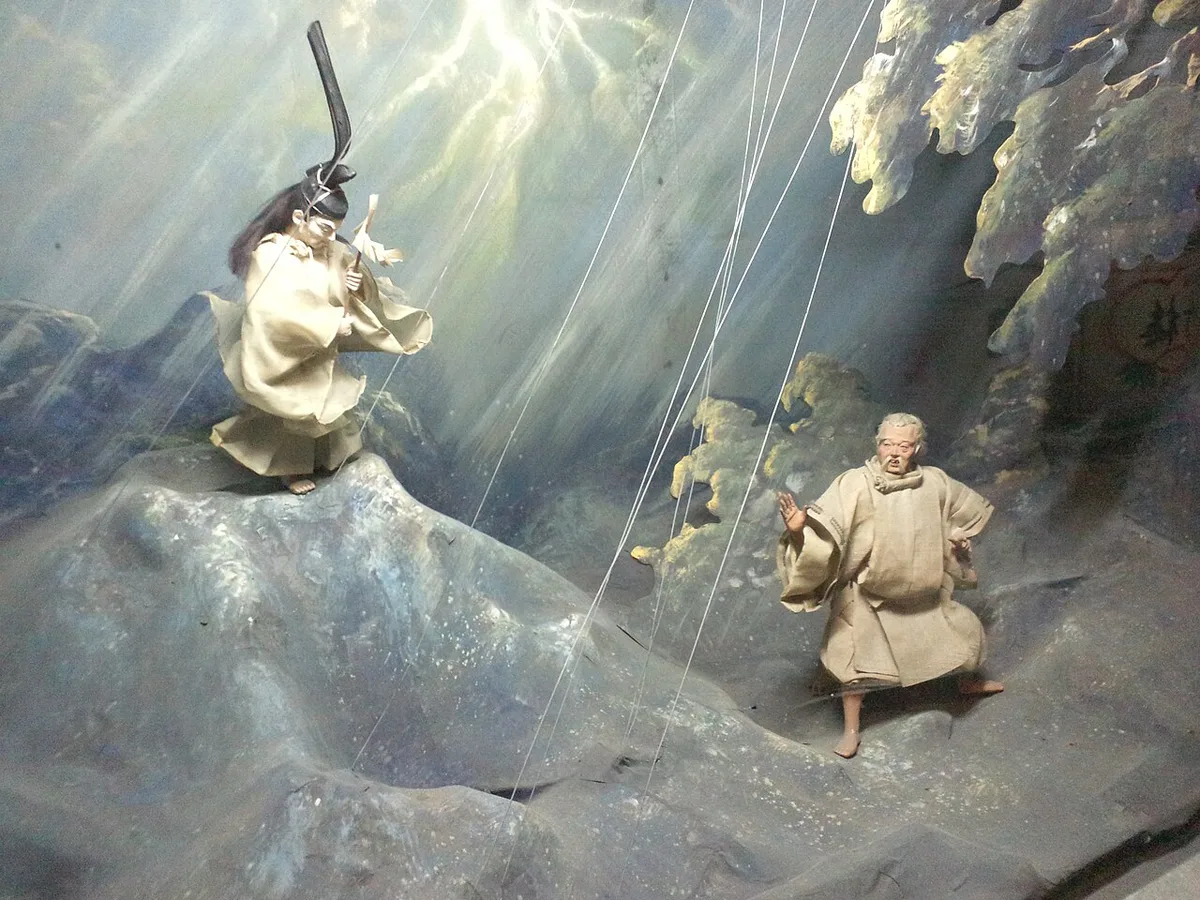
Hakata ningyo are unglazed clay dolls from Hakata, the old merchant side of Fukuoka. Their soft, matte colors come from brush painting on fired clay rather than from glaze. VISIT FUKUOKA describes a craft passed down over 400 years. Tradition links the roots to artisans gathered by Kuroda Nagamasa, first lord of the Chikuzen Fukuoka domain, who built Fukuoka Castle in 1601. A Texas university exhibit adds that a tile maker named Soshichi Masaki is said to have offered Kuroda dolls made of tile clay. Sources differ on the details, so treat the origin story as tradition rather than record. For more on the wider city, start with our Fukuoka attractions guide.
Where to See and Buy Hakata Dolls in Fukuoka
Start at Hakata Doll Hall Shogetsudo, a shop on the first floor of its own building at Nakasu 5-1-22 in Hakata Ward. VISIT FUKUOKA lists the hours as 9:00 to 19:30. It lists no regular closing day except the first three days of the New Year. Access is Subway Airport Line Nakasu-Kawabata Station, Exit 3. The same listing mentions an English pamphlet, multilingual staff, major credit cards, and free Wi-Fi. Hours change, so check the shop's own site before you go. For other makers and stores, the Hakata Ningyo Industry Cooperative Association is named as the stores directory, with an address in Naraya-machi, Hakata Ward. Confirm its details on its website first. Prices and workshop options are not stated in our sources, so ask the shop directly.

| Stop | Best for | Access | Check first |
|---|---|---|---|
| Shogetsudo shop, Nakasu | Browsing and buying in one place | Nakasu-Kawabata Station, Exit 3 | Current hours and shipping on the shop site |
| Hakata Ningyo Industry Cooperative Association | Finding makers and stores | Naraya-machi, Hakata Ward | Address and phone on its website |
| Heritage stops such as Hakatamachiya Furusatokan | Craft and local history context | Hakata old town | What is on display before promising dolls |
How Hakata Dolls Are Made

According to VISIT FUKUOKA, the raw material is white clay from the Nanakuma area of Fukuoka. Red clay may be used for some works. A maker first shapes a prototype, called genkei, which becomes the base of a plaster mold. Clay is pressed into the mold, the hollow doll is dried, and then it is fired. Coloring follows, called saishiki, along with the painted face, called menso. The official page says the full process takes 2 to 3 months from the start of production. It also says makers practice under a master for ten years before working as artists. Kimono patterns are hand-drawn with a brush and no underpainting, which is why close inspection rewards you in the shop.
Types of Hakata Dolls and How to Choose One
VISIT FUKUOKA names four main subjects: beautiful ladies (bijin), Noh characters and kabuki actors, children, and hina dolls. It calls the bijin especially popular for their elegance and gloss. Large pieces were once the popular gift. Today there are also many smaller pieces made to sit in a corner of a living room. Match the subject to the place it will live and the person receiving it.
| Type | Good for | Consider |
|---|---|---|
| Bijin (beautiful ladies) | A first purchase or a gift | Fine kimono painting; look closely at the face |
| Kabuki and Noh figures | Theater fans | Dramatic poses can be harder to pack |
| Children | Gentle, giftable pieces | Check size against your luggage |
| Hina dolls | Hina Matsuri displays | Smaller sizes suit modern homes |
| Modern small pieces | Shelf space and travel | Still hand-colored craft, only smaller |

Buying and Carrying Tips
The official page pushes back on the idea that Hakata dolls are mass-produced. It says there are two broad kinds: one-of-a-kind works and pieces made from a pattern, or mold. Ask which kind you are holding. Ask who made the prototype and who painted the piece. Then compare faces across two or three examples before you decide. Clay is fragile, so plan the trip home before you pay. Ask the shop about cabin-bag packing and about international shipping rates, insurance, and timing.
Before paying, ask whether a piece is one-of-a-kind or mold-made, since the full process takes 2 to 3 months.

- Ask whether a piece is one-of-a-kind or mold-made.
- Check the painted face and kimono pattern up close.
- Do not assume every Hakata gift shop sells craft pieces.
- Visit more than one store before buying.
- Settle packing and shipping before you pay.
Pair It With a Hakata Half-Day
Nakasu sits beside the river, and the VISIT FUKUOKA listing names nearby stops such as Hakata Riverain, Hakataza Theater, Kushida Shrine, Hakatamachiya Furusatokan, Canal City, and ACROS Fukuoka. Check walking times on a map, because our sources give none. Our Hakata Ward neighborhood guide covers the area around Nakasu. Heritage stops are mapped in the 24 hours in Hakata itinerary. For other places to shop, see Canal City shopping and entertainment. Craft fans can also pair this with a Yame tea day trip, since the Yame lantern craft is listed alongside Hakata ningyo as a Fukuoka traditional craft.
Shogetsudo opens 9:00 to 19:30, so one stop can start a morning and still catch a Nakasu evening.
| Pair with | Why it fits |
|---|---|
| Nakasu evening | Shogetsudo is in Nakasu itself |
| Kushida Shrine | Local shrine of Hakata; confirm doll displays first |
| Canal City | Shopping stop for other gifts |
| Hakata old-town walk | Heritage context for the craft |
When to Go
Shogetsudo's listed hours run 9:00 to 19:30, so it works for a morning stop or a Nakasu evening. Hina dolls tie to Hina Matsuri in early March, which is the natural season for them. Confirm any seasonal displays with the shop. Our sources give no weekday or weekend crowd data, so avoid planning around guesses. A shop visit also suits a rainy day. For a lighter add-on beyond the city, see Ainoshima island. Wider planning starts with our Japan Travel Guide: Plan Your Trip with Expert Tips & Itineraries.
For trip-planning details, see Hakata Doll official information.
Free: The Fukuoka Essentials guide
Top things to do, where to stay, a perfect day plan, getting around, and the best time to go — a Fukuoka mini-guide you can take offline.
You might also like


Continue reading
More guides you'll find useful


