Yanagibashi Rengo Market Fukuoka: A Food Guide to Fukuoka's Kitchen
A practical guide to Yanagibashi Rengo Market in Fukuoka: hours, access from Hakata Station, the best stalls for mentaiko and sashimi, and eat-in seating.
On this page
Last updated July 2026, this guide to Yanagibashi Market in Fukuoka covers opening hours, access routes, and the stalls worth seeking out. Yanagibashi Rengo Market is the covered arcade in Chuo Ward that locals and professional chefs have long called Fukuoka's Kitchen. Narrow aisles pack roughly 47 shops selling Genkai Sea seafood, karashi mentaiko, and kamaboko, alongside a few eat-in counters.
Yanagibashi Rengo Market Fukuoka: What Makes This Market Fukuoka's Kitchen
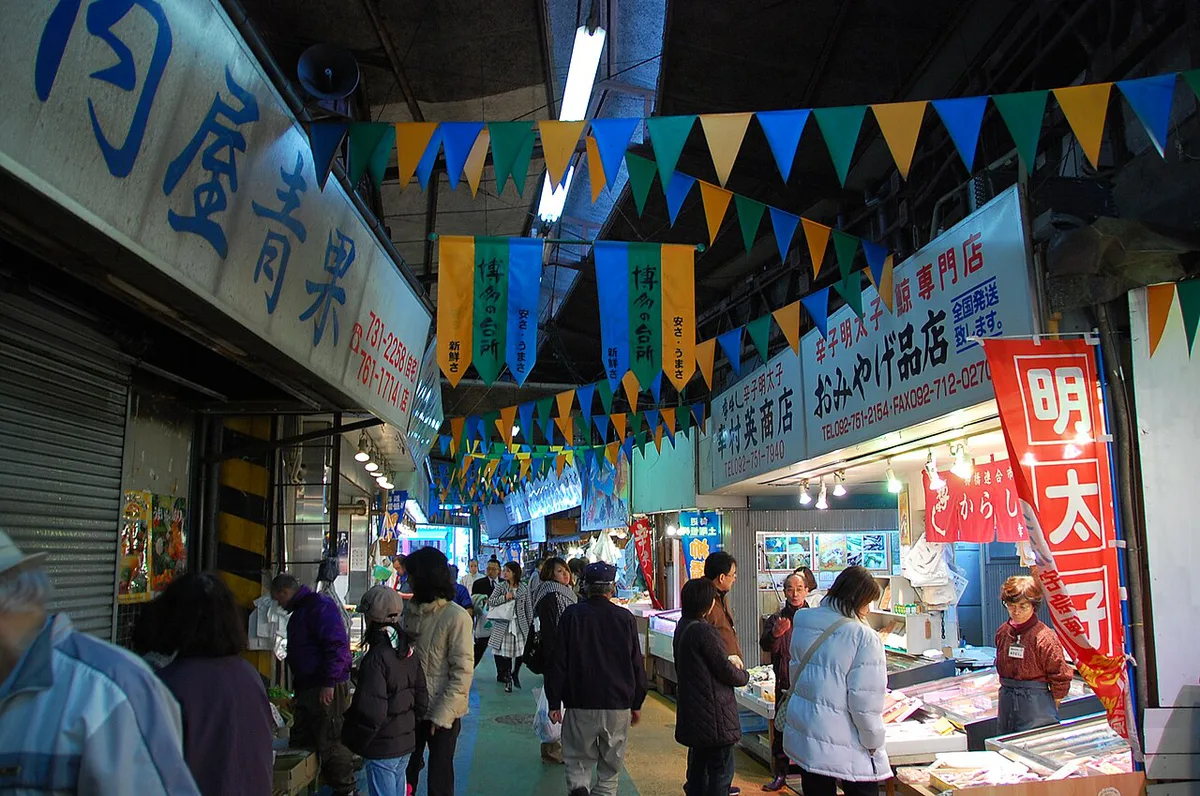
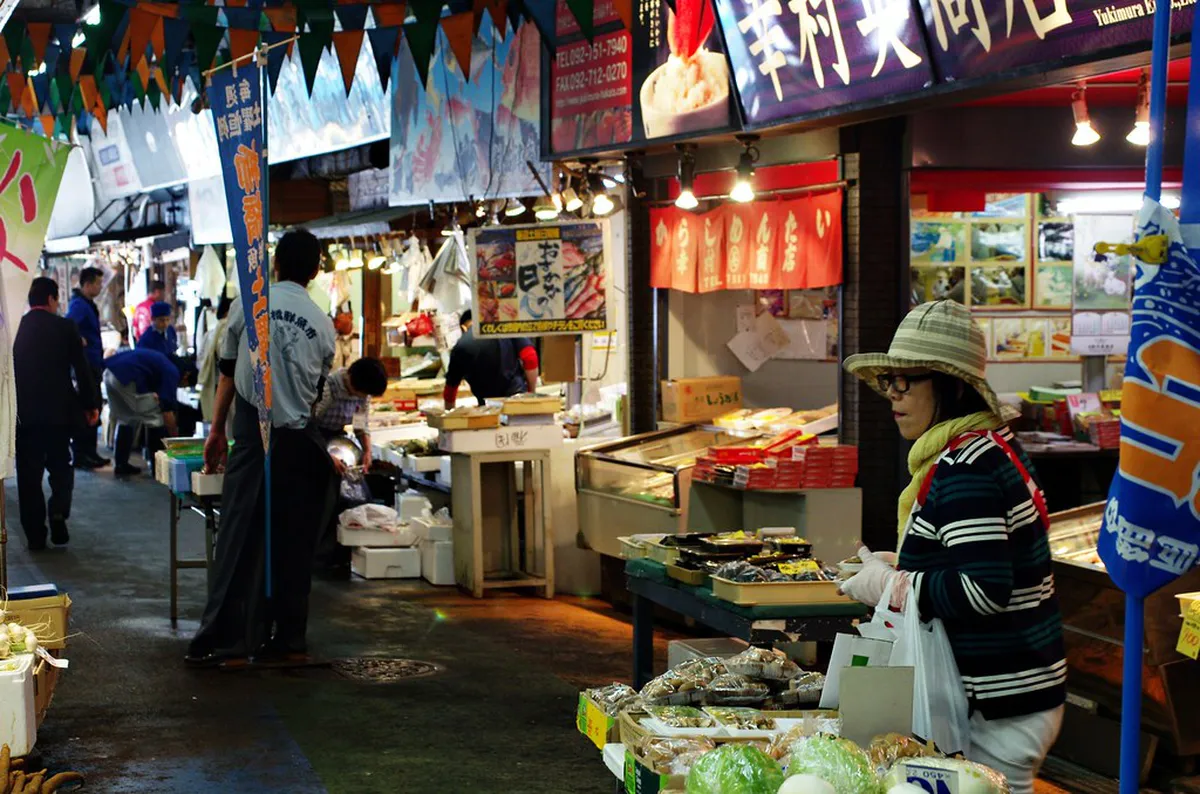
Yanagibashi Rengo Market sits in Chuo Ward, near the Naka River, at 1-6-1 Haruyoshi. Professional chefs shop here alongside home cooks and neighborhood restaurant owners. Displays stay practical, built for buyers who know fish, not for photo ops. Roughly 47 shops line the arcade, including fish stores, a butcher, greengrocers, and confectionery counters. Most of the catch comes from the Genkai Sea and the waters near Tsushima, Iki, and Goto Islands. Sea bream shows up on ice year-round, and fugu, or blowfish, appears in winter. The arcade runs under a covered roof, with aisles about 1 meter (roughly 3 feet) wide in places, so bags and umbrellas need managing carefully. Being fully covered matters during Fukuoka's rainy season and midsummer heat, since shoppers can move between stalls without stepping back outside. Video guides and local write-ups often describe Yanagibashi as Fukuoka's oldest seafood market, with shops tracing back to 1918. That history is part of why the nickname Fukuoka's Kitchen has stuck for decades among local chefs and regular shoppers alike. For the wider spread of Hakata specialties beyond this one market, the Fukuoka food guide maps out where to eat citywide.
Getting to Yanagibashi Rengo Market: Location, Hours, and Access
Yanagibashi Rengo Market opens 8:00 AM to 6:00 PM, Monday through Saturday, though individual shop hours vary. The market closes on Sundays and national holidays, so check the calendar before planning a visit around a weekend trip. There is no dedicated car park at the market itself, but coin-operated ¥100 lots are common on the surrounding blocks. Several shops also offer shipping, useful if a haul of mentaiko or nori grows bigger than a suitcase can hold. Fukuoka's official tourism site lists the market under its Direct Sales and Markets category, alongside other producer-to-shopper spots in the prefecture. Arrive with time to spare, since many stalls sell out and start closing before the official 6:00 PM cutoff.
- 15-minute walk from JR Hakata Station
- About 3 minutes on foot from Watanabe-dori Station on the Fukuoka City Subway Nanakuma Line
- Short walk from the Nishitetsu Bus Yanagibashi stop, next to the arcade
- Roughly a 5-minute drive from JR Hakata Station, or about 20 minutes from Fukuoka Airport
Budgeting for a Market Visit
Walking through Yanagibashi costs nothing on its own; you only pay for what you eat or buy. Bring cash in small denominations, since most stalls are cash-only and there is no ATM inside the arcade to rely on. Some larger purchases, like a whole nori gift box, may still require cash even at a shop with a card reader, so assume cash throughout. Drivers should budget for a ¥100 coin-operated lot nearby, since the market itself has no car park. A market breakfast or light lunch here, a few pieces of sashimi or a kaisen-don at a counter, tends to cost less than a set menu at a formal restaurant, though exact prices vary by stall and season. Skipping the sit-down bowl and grazing a few stalls instead keeps the visit even cheaper.
With roughly 47 retail-focused shops, Yanagibashi is scaled for a household's shopping basket rather than the bulk wholesale pace of larger markets like Nagahama, making it better suited for visitors buying a few items to take home.
What to Eat: Signature Stalls and Specialties
Beyond fresh fish, a handful of specialty shops define what to buy at Yanagibashi. Each one has sold a single category of food for decades, which is part of why chefs still shop here.
Mentaiko is the specialty most worth planning around. For tasting notes, brands, and shipping options, the mentaiko tasting and shopping guide goes deeper on where to buy. Shoppers assembling ingredients for a home-cooked motsunabe or mizutaki can find garnishes at the butcher and produce stalls here. The motsunabe and mizutaki hot pot guide covers where to eat the finished dish at a restaurant instead. Seafood and meat dominate the arcade, so vegetarian travelers need a separate plan for meals. The vegetarian and vegan food guide lists plant-based options across the city.
- Karashi mentaiko stalls: Fukuoka's spicy cured cod roe, often available to sample before you buy
- Takamatsu no Kamaboko: processed fish cake, plus the fried onion-ten snack
- Sakamoto Nori-ten: dried seaweed sold loose or in gift boxes, a souvenir that survives the flight home
- Yanagibashi Hanshin Meat: the market's only butcher, selling sliced and minced pork and beef
- Fukuoka Wine Club and Ezakiseicha-en: wine and Japanese tea, a break from the seafood aisles
Morning vs Afternoon: When to Visit for Freshness or Discounts
Timing changes what kind of trip you get at Yanagibashi. Arrive close to the 8:00 AM opening for the widest selection and the best light for photos, before the day's catch gets picked over. Arrive in the hour before the 6:00 PM close instead, and shops start marking down fish and prepared food that will not keep overnight. Weekday mornings tend to run quieter than Saturday, the market's last full trading day before the Sunday closure. Neither window needs a reservation, so plan around the 6:00 PM close and the Sunday closure either way.
| Visit window | Best for | Trade-off |
|---|---|---|
| 8:00-10:00 AM | Full selection, freshest catch, quieter aisles for photos | Fewer markdowns |
| 4:00-6:00 PM | Discounts as shops clear stock before closing | Some items already sold out |
Where to Eat In: Seating, Etiquette, and the Walking-and-Eating Rule
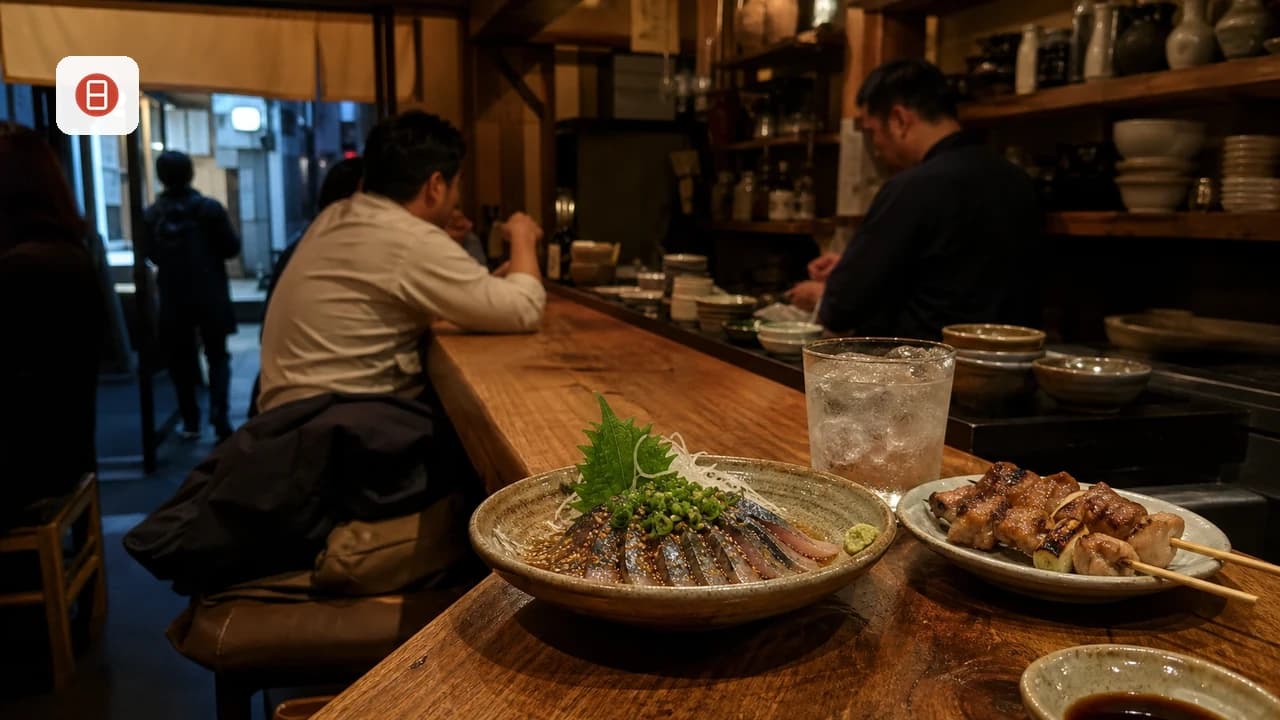
Many stalls at Yanagibashi sell retail only, meant for cooking at home rather than eating on the spot. Look instead for the market's second-floor dining area and the handful of counters with a few stools built in. Manu Coffee, nearby, works well for a seat and a coffee break between stalls. Eat-in seating at individual shops can change, and some stalls have adjusted their eat-in policy since 2020, so confirm at the counter before ordering.
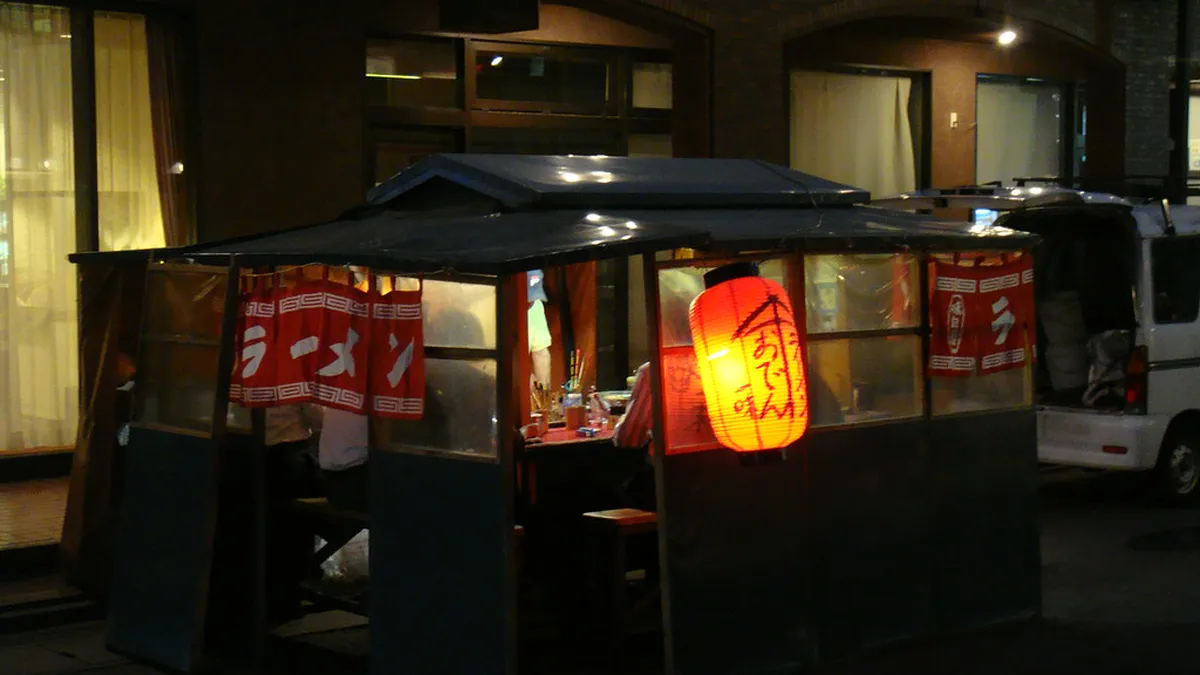
The kaisen-don, a seafood rice bowl built from whatever looks best that morning, is the dish to order wherever seating is available. Because ingredients come straight from the stalls downstairs, a bowl here reflects whatever sold well that morning rather than a fixed menu. Pair the market with a proper sit-down meal afterward using the best restaurants in Fukuoka guide for citywide picks. For a nighttime contrast, the Fukuoka Yatai: 100 Street Food Stalls, a Local's 2026 Guide covers the open-air stalls that take over after dark, a different scene from this daytime retail market.
Yanagibashi vs Fukuoka's Other Food Markets
Comparing Yanagibashi to Fukuoka's other seafood spots helps set expectations. Nagahama Fish Market runs at a larger, more wholesale-leaning scale, geared toward volume rather than the slower browsing pace of Yanagibashi's narrow aisles. Where Nagahama trades in bulk for restaurants and wholesalers, Yanagibashi is scaled for a single household's shopping basket or a visitor's afternoon. Travelers who know Tokyo's Tsukiji outer market or Osaka's Kuromon Ichiba should expect something quieter and less tourist-oriented here. Shopkeepers speak in the local Hakata dialect and sell face-to-face, the old-fashioned way, rather than running a high-volume tourist counter. Expect fewer English menus and fewer tourist-facing signs at Yanagibashi than at a market built around visitors. For most travelers, Yanagibashi rewards a slower, exploratory visit, while Nagahama suits an early start and a set shopping list. Travelers building a full Hakata food crawl often pair this stop with noodles; the Hakata Udon and Gyoza Guide: Fukuoka's Original Noodle Culture covers the rest of that route.
| Market | Scale | Best for |
|---|---|---|
| Yanagibashi Rengo Market | Retail, about 47 shops | Specialty shopping and a sit-down bowl |
| Nagahama Fish Market | Wholesale-leaning, larger footprint | Bulk buying and early-morning volume |
Market Etiquette and Common Mistakes to Avoid
A few habits make a Yanagibashi visit smoother for you and for the shopkeepers running a working market, not a tourist attraction. Transactions often happen fast, in local Hakata dialect. A simple point-and-nod goes a long way if language is a barrier. If a stall looks busy with regular customers, wait for a natural pause rather than interrupting an order in progress.
Arriving during the 8:00-10:00 AM window lets you browse specialty stalls without interrupting busy shopkeepers, and you'll have full selection before items sell out and peak crowds build through the day.
- Do not eat while walking through the aisles; find a stool, a counter, or a nearby seat first
- Ask before photographing shopkeepers or their displays up close
- Confirm whether a stall sells single portions or wholesale-only bulk quantities before you order
- Expect aisles about 1 meter wide; leave large suitcases and strollers at the hotel
- Carry cash in small denominations, since most stalls do not take cards
Pairing the Market with Nearby Fukuoka Neighborhoods
Yanagibashi sits close enough to other Chuo Ward sights to anchor a half-day loop. Sumiyoshi Shrine is about a 10-minute walk away, a quieter stop after the market's narrow aisles. Canal City Hakata makes a natural next stop for shopping and air conditioning on a hot afternoon. Tenjin is reachable by a short bus ride or a longer walk, with more restaurants and department stores to explore. Tenjin's underground shopping mall gives a modern contrast to the market's older arcade. Nakasu, Fukuoka's riverside entertainment district, sits within reach too, especially if the evening stretches toward the water. For a broader sense of how Chuo Ward fits into the rest of the city, the Fukuoka Neighborhoods Guide Where To Go Travel Guide breaks down each district. Sightseeing options near the market, including shrines and museums, are rounded up in the Fukuoka attractions guide. If the visit stretches into evening, the Fukuoka summer nightlife guide covers riverside bars and seasonal yatai not far from the Naka River. For trip planning beyond this one market, the Fukuoka guide gives an overview of the city.
Frequently Asked Questions
Is Yanagibashi Rengo Market open on Sundays?
No. The market operates Monday through Saturday, 8:00 AM to 6:00 PM, with hours varying slightly by shop. It closes on Sundays and national holidays, so check the calendar before building it into a weekend itinerary.
How do you get to Yanagibashi Rengo Market from Hakata Station?
Walking takes about 15 minutes from JR Hakata Station. The Fukuoka City Subway Nanakuma Line drops you closer, about 3 minutes on foot from Watanabe-dori Station. A Nishitetsu bus also stops right next to the arcade at the Yanagibashi stop.
Can you eat at Yanagibashi Market, or is it retail only?
Both. Many stalls sell retail-only, meant for home cooking rather than eating on-site. A second-floor dining area and a few counters with stools handle the eat-in side. Eat-in policies can vary by shop, so confirm at the counter before ordering.
Is Yanagibashi Market cash-only?
Mostly, yes. Card readers are the exception at this market, so bring yen in small denominations for stalls and food counters.
What's the best time of day to visit Yanagibashi Market?
Morning, around 8:00 to 10:00 AM, gives you the widest selection and the freshest catch. Late afternoon, closer to the 6:00 PM close, works better for discounts as shops clear stock before shutting for the day.
Does Yanagibashi Rengo Market offer shipping for souvenirs?
Yes, several shops can ship mentaiko, nori, and other packaged goods, which helps if a souvenir haul outgrows carry-on space. Ask at the counter, since shipping options and destinations vary by shop.
Is Yanagibashi Rengo Market suitable for visitors with mobility needs or big luggage?
Not especially. Aisles run about 1 meter wide in places, which makes large suitcases, strollers, and wheelchairs difficult to maneuver. Consider visiting without heavy bags, or store luggage before arriving.
Free: The Fukuoka Essentials guide
Top things to do, where to stay, a perfect day plan, getting around, and the best time to go — a Fukuoka mini-guide you can take offline.
You might also like


Continue reading
More guides you'll find useful