Hakata Udon and Gyoza Guide: Fukuoka's Original Noodle Culture
A practical hakata udon and gyoza guide to Fukuoka's soft noodle tradition, one-bite dumplings, Jotenji Temple's origin site, and where to eat in 2026.
On this page
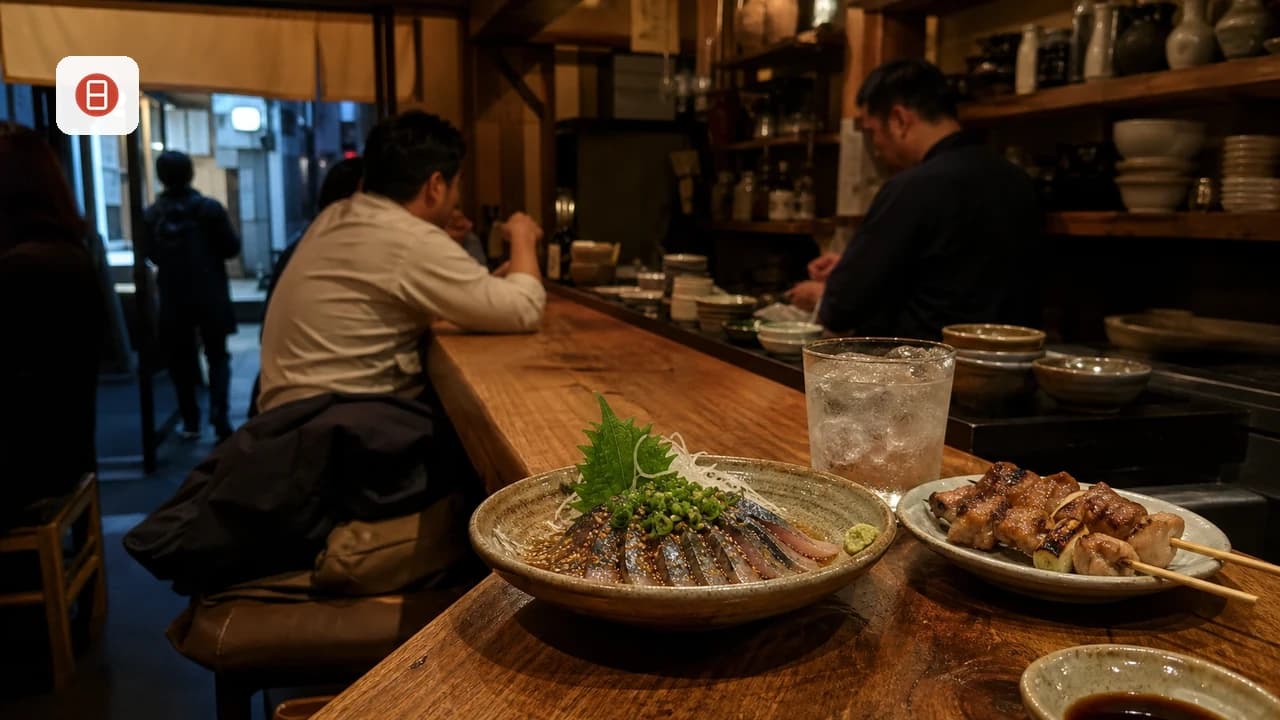
Last updated July 2026, this hakata udon and gyoza guide covers Fukuoka's overlooked original noodle, not the tonkotsu ramen most visitors already know. Hakata udon predates Hakata ramen by centuries and is softer and thicker than the chewy Sanuki-style noodles served elsewhere in Japan. Gyoza here comes in a smaller one-bite form built for standing at a yatai counter, not a sit-down meal.
The Hakata Udon and Gyoza Guide to Fukuoka's Original Noodle Culture
Fukuoka built its international reputation on tonkotsu ramen, but longtime residents treat udon as an everyday staple rather than a tourist trophy. The city formed in 1889 when two rival towns merged across the Naka River. Fukuoka was the former samurai quarter. Hakata was the merchant district where udon and soba first took root, and where this guide's dishes still live today. Merchants in Hakata prized speed over ceremony, which shaped everything from noodle texture to gyoza size. For the wider dining picture beyond udon and gyoza, the Fukuoka food guide covers ramen, mentaiko, and motsunabe.
Hakata Udon: Soft Noodles, Goboten, and the Birthplace of Udon at Jotenji Temple
Hakata udon noodles are soft rather than chewy, a texture some first-time visitors find almost too easy to swallow. Local lore ties the softness to merchants who wanted a fast, gentle meal between deals, not noodles that demanded a long chew. Kaedama, the noodle-refill custom associated with Hakata ramen, isn't part of the udon tradition; a bowl of Hakata udon is sized to finish as ordered. The broth stays light: a dashi built from kombu seaweed and dried fish, not the pork-heavy tonkotsu associated with Hakata ramen. Expect to pay roughly ¥300 to ¥600 for a basic bowl at most Hakata udon counters. Two toppings define the bowl. Goboten is deep-fried burdock root tempura, added for crunch against the soft noodle. Maruten is a fried fish cake that floats on top and soaks up the broth.
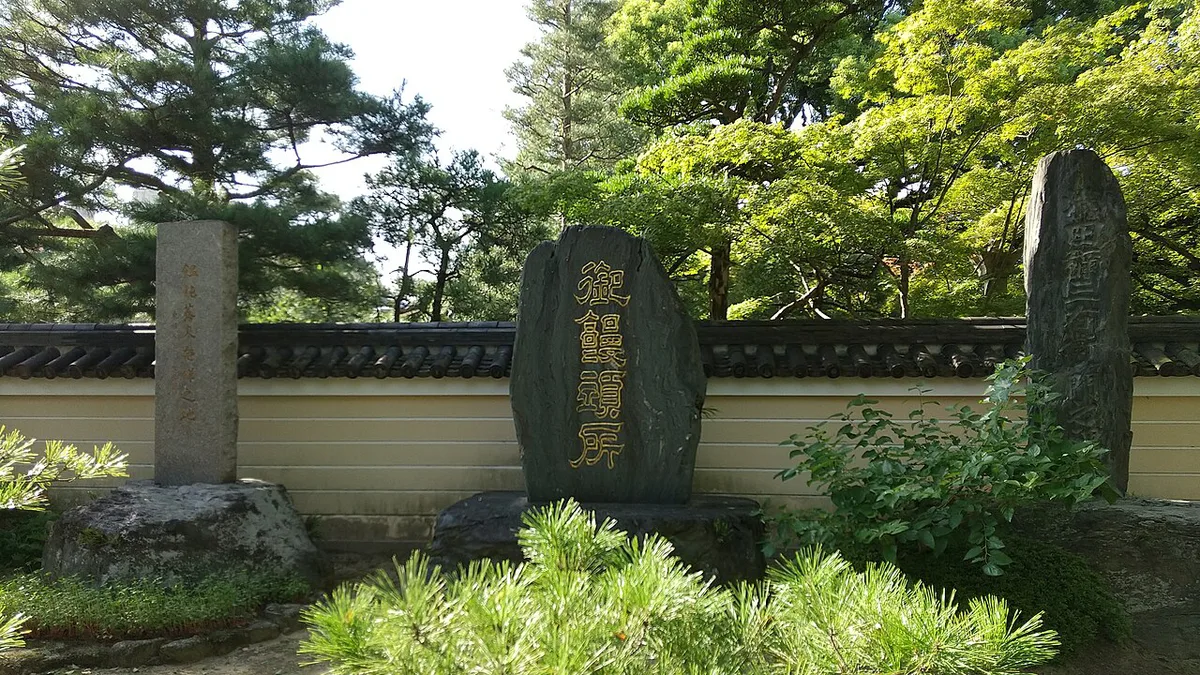
Udon's origin story in Japan traces to a single courtyard. Jotenji Temple, founded in 1242 by the Zen Buddhist missionary Shoichi Kokushi, sits inside Hakata's Old Town district. Shoichi brought flour-milling techniques back from Song Dynasty China and adapted them into udon and soba. Three carved stone stelae stand in the temple courtyard today. The leftmost is the city's official Monument to Commemorate the Origin of Udon and Soba Noodles. If you're building a sightseeing day around the temple, pair it with nearby stops from the Fukuoka attractions guide.
Where to Eat Hakata Udon: Akachokobe's Kettle Udon and Faster Counters
Hakata Akachokobe sits in a townhouse-style building directly opposite Kushida Shrine in Hakata-ku. Its signature dish is Lazy Udon: handmade noodles served in a kettle with chopsticks left standing upright in the broth. Diners choose among three dipping sauces, natto, motsuna, and keema curry, then add green onions and tempura flakes to taste. Maki no Udon, usually a suburban staple, now has a branch inside Hakata Bus Terminal for a quick bowl before a bus or train. For a cheaper, more local counter nearby, Hakataya Kawabata in Kawabata Shotengai serves ramen from around ¥290. It's worth a stop even on an udon-focused walk, purely for the atmosphere. Hakata-ku and neighboring Chuo-ku anchor most of this noodle map, and the Fukuoka Neighborhoods Guide Where To Go Travel Guide covers how the city's districts differ more broadly. For sit-down options beyond counter service, the 12 Best Restaurants and Food Experiences in Fukuoka (2026) roundup covers the wider city.
Udon restaurants operate during daytime hours; gyoza is available 6:00 pm to midnight only at separate yatai stalls, so visitors planning to experience both must visit distinct venues.
- Address: 7-10 Reizei-cho, Hakata-ku, Fukuoka City (Akachokobe)
- Access: about 4 minutes on foot from Kushidajinja-mae Station Exit 1
- Access: about 5 minutes on foot from Nakasu-Kawabata Station Exit 5 or Gion Station Exit 2
- Hours: 11:30 am-2:00 pm and 6:00 pm-11:30 pm, closed irregularly
Hakata Gyoza vs Osaka's Udon Gyoza: Clearing Up the Recipe Confusion
Osaka has its own dish called udon gyoza, and the name causes real confusion for travelers researching Fukuoka online. Udon gyoza is a Takatsuki, Osaka specialty. Cooks mix chopped udon noodles with ground beef and egg, then pan-fry the mixture into a patty that looks more like a small burger than a dumpling. Hakata's udon and gyoza are two separate dishes, served at separate times of day, not one combined recipe. Keep that distinction in mind when you scan menus or translation apps while in Fukuoka.
Hakata hitokuchi gyoza plates cost roughly ¥500 to ¥800, while the soup-dumpling variant (taki gyoza) averages around ¥2,500—a price spread reflecting Fukuoka's rich gyoza diversity beyond hitokuchi.
Hakata's own gyoza follows the hitokuchi, or one-bite, style. Cooks crimp small dumplings and pan-fry them in tight batches, so each order arrives crisp on one side and tender on top. Skins crackle and steam rises the moment a fresh batch hits the hot pan, the clearest sign a plate is ready. The small size exists for a reason: hitokuchi gyoza were designed as a snack to pair with drinks, not as a full meal on their own. Expect to pay roughly ¥500 to ¥800 for a plate at most counters and yatai stalls.
Taki Gyoza: Fukuoka's Soup-Dumpling Specialty at Ikeda Shoten
Taki gyoza is Fukuoka's other specialty gyoza style, served simmered in broth rather than fried. Dumplings filled with chicken and vegetables float in a soup that's usually tonkotsu. Some kitchens simmer them instead in chicken broth seasoned with yuzu kosho or miso-mustard. Tetsunabe gyoza, dumplings fried and served piping hot in a black cast-iron pot, is the other well-known Hakata style, distinct from both taki and hitokuchi versions. Hakata Taki Gyoza Ikeda Shoten specializes in the soup version and doubles as a shochu bar, stocking bottles from the classics to rarer picks. Its Black Pig Cartilage Stew is a popular pairing alongside the gyoza.
- Address: 2-1-26 Omiya, Chuo-ku, Fukuoka-shi
- Access: walk down Takamiya Street toward Yakuin, turn right at the Hirao Kita traffic light, then continue straight through the Nishitetsu underpass
- Hours: Tuesday-Sunday and national holidays, 6:00 pm-12:00 am, last order 11:00 pm; Monday, 6:00 pm-11:00 pm, last order 10:00 pm
- Average price: around ¥2,500 for dinner
- Closed: irregularly, so confirm before a special trip
Ordering Udon and Gyoza at a Yatai Stall: Nakasu, Tenjin, or Nagahama
Yatai stalls emerged as a street-food concept around 1800. Fukuoka's government eventually chose to regulate rather than ban them once sanitation concerns grew. An estimated 450 stalls operated during the neighborhood's 1960s peak; roughly 100 run today, per recent local counts. Gyoza is really an evening dish here. Yatai hours run from about 6:00 pm to midnight, which is when hitokuchi gyoza sales peak. Udon, by contrast, functions as daytime fast food, popular at breakfast and lunch counters rather than after dark.
Three areas offer distinct yatai experiences. Nakasu sits on the island between the two historic towns and draws the most foot traffic. That means faster table turnover and a livelier riverside setting. Tenjin's stalls trend more local and generally cost less than Nakasu's. Nagahama carries an older, less touristy reputation among yatai neighborhoods. Travelers avoiding meat should check the vegetarian dining guide first, since fillings and broths vary stall to stall. For an evening built around riverside stalls and bars, the riverside bars and yatai guide lays out a fuller crawl, and the broader yatai stall guide covers ordering basics stall by stall.
- Order, eat, and move on; yatai seat only 6 to 10 people, so lingering blocks the next customer
- Ask the chef before taking photos; these counters are small enough that a camera is noticed immediately
- Expect cash payment, stool seating, and a short handwritten or chalked menu
Planning a Hakata Noodle Route: Old Town, Kawabata, and Nakasu
A single day can realistically cover history, lunch, and dinner in that order. Start at Jotenji Temple and the wider Old Town district in the morning, when temple grounds are quieter. Walk to Kawabata Shotengai for a budget udon or ramen lunch, then browse fresh ingredients and stalls at the nearby Yanagibashi Rengo Market. Save gyoza and yatai stops for Nakasu after dark, when hitokuchi gyoza and Taki Gyoza counters are in full service. Travelers pressed for time can skip the full route. They can eat instead at the udon counters near Hakata Station's concourse, sometimes called Udon Avenue locally, before a train.
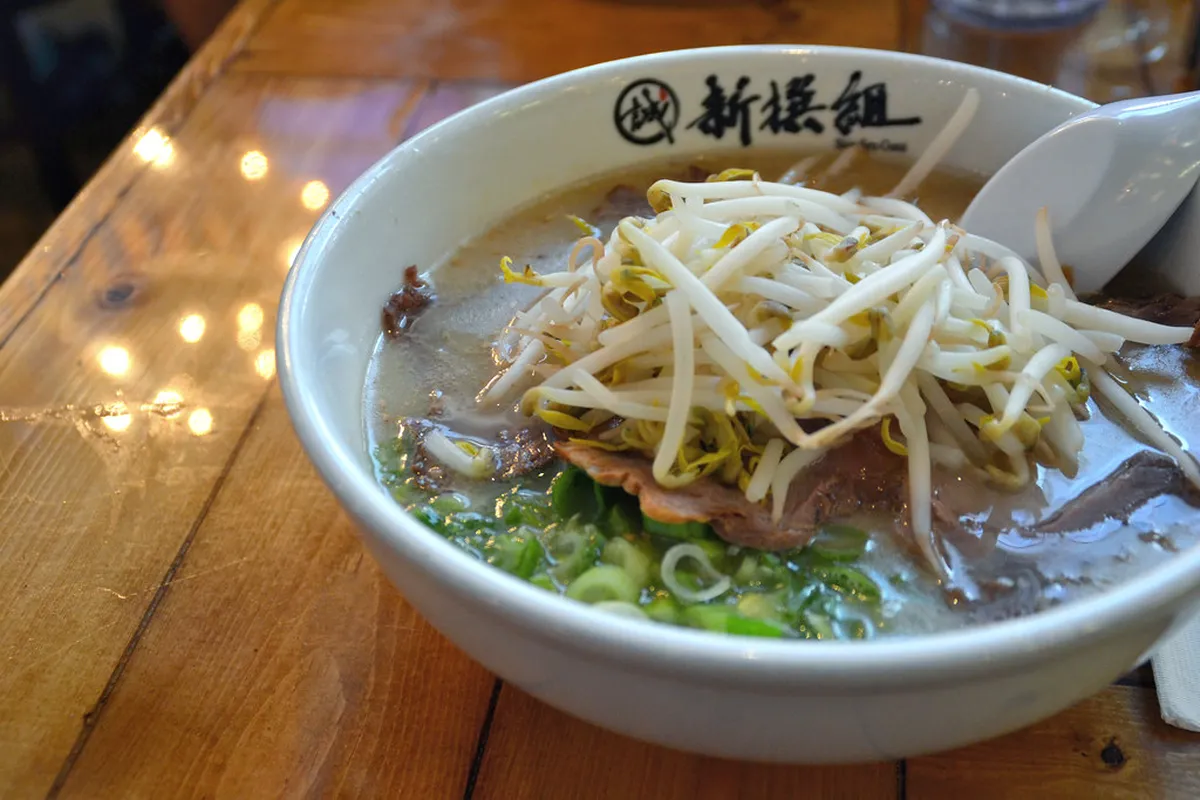
Round out the day with dishes outside this guide's udon-and-gyoza focus. Mentaiko pairs naturally with an udon-heavy day; the mentaiko tasting guide lists where to sample it. Motsunabe hot pot makes a heartier dinner option; the motsunabe and mizutaki guide covers specifics. Anyone still mapping out the rest of the trip can start from the Fukuoka city guide for orientation.
- Basic Hakata udon: ¥300-¥600 a bowl
- Hitokuchi gyoza plate: ¥500-¥800
- Taki Gyoza dinner at Ikeda Shoten: around ¥2,500
- L.O. (last order) often falls 30-60 minutes before posted closing time at popular counters, so arrive earlier than closing
Hakata Udon vs Sanuki Udon: A Side-by-Side Comparison
Sanuki udon is the style most visitors already know: firm and chewy, with a pronounced bite. Hakata udon takes the opposite approach. It's soft, quick to eat, and built for a fast counter meal rather than a noodle-texture showcase. The table below lines up the practical differences.
| Feature | Hakata Udon | Sanuki Udon |
|---|---|---|
| Texture | Soft, minimal chew | Firm and chewy |
| Broth | Light dashi from kombu and dried fish | Texture is the main differentiator, not broth |
| Signature toppings | Goboten and maruten | Varies by shop |
| Origin story | Tied to Shoichi Kokushi and Jotenji Temple, 1242 | Regional tradition outside this guide's scope |
For trip-planning details, see Udon - Wikipedia.
Frequently Asked Questions
What makes Hakata udon different from Sanuki udon?
Hakata udon uses a soft noodle with almost no chew. It's finished in a light dashi broth built from kombu and dried fish. Sanuki udon, the style most visitors already know, is firm and chewy by comparison. The Hakata version was built as a fast, easy-to-digest meal rather than a noodle-texture showcase.
Is Hakata gyoza the same as Osaka's udon gyoza?
No, they're two different dishes despite the similar name. Osaka's udon gyoza is a Takatsuki specialty made by pan-frying chopped udon noodles with ground beef and egg into a patty. Hakata udon and gyoza are two separate dishes on two separate menus, not one combined recipe.
How much should travelers budget for udon and gyoza in Fukuoka?
Basic udon runs about ¥300 to ¥600 a bowl at most counters. A plate of hitokuchi gyoza costs roughly ¥500 to ¥800. Taki Gyoza, the soup-dumpling specialty at Ikeda Shoten, averages around ¥2,500 for dinner.
Where is the birthplace of udon in Japan?
Jotenji Temple in Hakata's Old Town holds the official Monument to Commemorate the Origin of Udon and Soba Noodles. The temple was founded in 1242 by Shoichi Kokushi, the Zen missionary credited with bringing flour-milling techniques back from Song Dynasty China.
Nakasu or Tenjin: which yatai area is better for a first visit?
Nakasu is more scenic and touristy, with faster table turnover from heavier foot traffic. Tenjin's stalls trend more local and quieter. First-time visitors who want atmosphere and a riverside setting should start at Nakasu. Travelers prioritizing a calmer, cheaper counter should try Tenjin instead.
What's the etiquette for ordering at a yatai stall?
Order, eat, and clear out for the next diner. These stalls seat only 6 to 10 people, so lingering after finishing is discouraged. Ask the chef before taking photos, since the counter sits just a few feet from where dishes are cooked.
Free: The Fukuoka Essentials guide
Top things to do, where to stay, a perfect day plan, getting around, and the best time to go — a Fukuoka mini-guide you can take offline.
You might also like


Continue reading
More guides you'll find useful