12 Best Bakeries and Sweets in Kobe: A Neighborhood Tasting Guide
See the 12 best bakeries and sweets in Kobe, from a church-turned-cafe and a Baumkuchen pioneer to the curry bread locals line up for.
On this page
Last updated August 2026, this guide to the best bakeries and sweets in Kobe covers 12 stops across Sannomiya, Motomachi, and Kitano. Kobe's bread culture traces to 1868, when the port opened to foreign trade and French, German, and Japanese bakers settled nearby. Expect legacy French and German bakeries, modern patisseries, and tactical notes on timing, since top shops like RIKI can sell out by noon.
Why Kobe Became Japan's Bread and Sweets Capital
Kobe opened as a treaty port in 1868, and the foreign merchants who settled there brought home-country baking traditions with them. French residents opened boulangerie-style bread shops. German confectioners opened yogashi shops selling Western-style cakes, cookies, and Baumkuchen. That split still shapes the city's bakery scene. Boulangeries handle bread and lunch rolls; yogashi patisseries handle dessert and gifting. A single afternoon in Sannomiya or Motomachi can cover both categories without much backtracking. Kobe's beef reputation often overshadows its bakery scene for first-time visitors. The 9 Best Places and Tips for Eating Kobe Beef in Kobe (2026) covers that side of the food scene separately.
The foundational split at 1868 between boulangerie and yogashi traditions persists in the modern lineup: Isuzu and DONQ carry bread legacies while Juchheim and L'avenue anchor the patisserie side, preserving century-old category divisions.
12 Best Bakeries and Sweets in Kobe
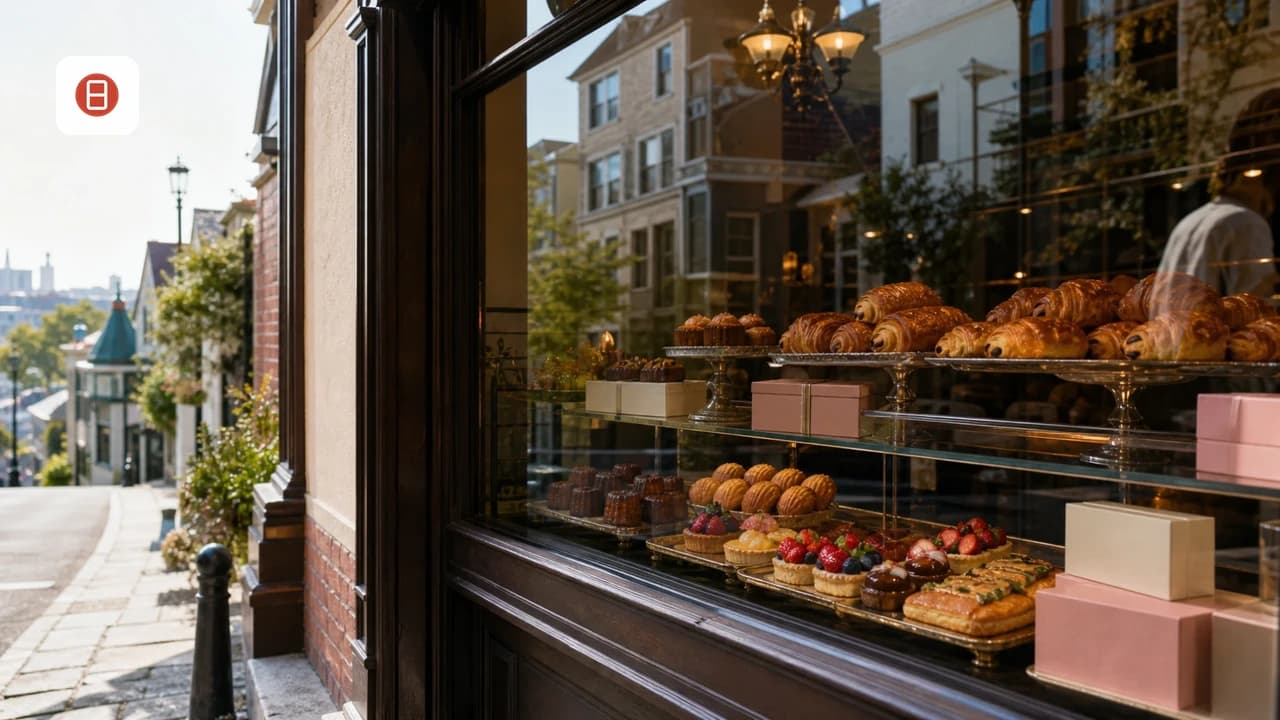
This list covers 12 bakeries and patisseries across Kobe's three walkable districts: Kitano, Sannomiya, and Motomachi. It mixes century-old French and German legacy shops with modern patisseries, one Japanese confectioner, and a taiyaki stall for contrast. Several patisseries rotate seasonal fruit into cakes and tarts: strawberries in spring, chestnuts and matcha in autumn. The lineup changes across a return visit. For a fuller picture of Kobe's food scene, see the Kobe Food Guide: 11 Best Dishes and Local Dining Tips (2026).
- Boulangerie DONQ (Sannomiya)
- DONQ opened in Kobe in 1905 and pioneered French-style bread in Japan, a lineage the brand still trades on today.
- The Sannomiya shop, a five-minute walk from Sannomiya Station, sells mini-croissants and crisp-crusted batards.
- Loaves favor a crisp crust over the soft, sandwich-style bread found at most Japanese supermarkets.
- Freundlieb (Sannomiya)
- Freundlieb started as a German bakery in 1924 and later moved into a former church building near Sannomiya Station.
- The walnut rye loaf is the signature order, dense with rye flour and roasted walnuts.
- The attached cafe also serves lunch items like a roast beef sandwich, for a sit-down meal beyond the bakery case.
- Isuzu Bakery (Kitanozaka)
- Isuzu Bakery has served the Kitanozaka slope since 1946 and remains a neighborhood staple for Japanese-style rolls.
- Its beef tendon curry bread, a panko-breaded roll deep-fried around a curry filling, is the shop's award-winning signature.
- The shop sits about a five-minute walk from Sannomiya Station, an easy first stop before heading toward Motomachi.
- L'avenue
- L'avenue is a patisserie led by Susumu Koyama, a World Chocolate Master, and it anchors Kobe's high-end sweets scene.
- Cakes and bonbons run roughly ¥800 and up, priced closer to a hotel patisserie than a neighborhood bakery.
- Seasonal fruit tarts rotate through the year, with spring strawberries and autumn chestnuts among the recurring flavors.
- Juchheim (Motomachi)
- Juchheim's Motomachi main store anchors the city's Baumkuchen tradition, the ring-shaped layered cake German bakers introduced to Kobe.
- Individual slices and gift boxes make an easy takeaway for the train ride home.
- The shop sits an easy walk from Nankinmachi Chinatown, useful if lunch there is already on the plan.
- Hotel Königs Krone Kobe
- This hotel patisserie leans into its German theme with Krone-branded pastries and cakes.
- It's a useful stop for German-style sweets without leaving the Sannomiya-Motomachi core.
- Krone pastries make a useful comparison point against Freundlieb's German bread if German baking traditions are the specific interest.
- RIKI (Motomachi)
- RIKI is a small, high-demand shop near Chinatown that regularly sells out of signature items by noon.
- Arrive before 10:00 for the best chance at a full selection.
- The shop's small-batch approach is exactly why it draws a line instead of a walk-in crowd.
- Comme Chinois
- Comme Chinois bakes creative, artistic loaves in a rustic, workshop-style shop.
- The lineup changes with what the ovens turn out that morning, so browsing beats a quick grab-and-go stop.
- Loaves here lean rustic rather than polished, closer to a craft bakery than a hotel patisserie counter.
- Ça Marche (Kitano)
- Ça Marche, on the Kitano slopes, uses an order-at-the-counter format instead of a self-serve tray line.
- Staff plate the selection directly, a different rhythm from most Japanese bakeries' self-service trays.
- The counter-service format also moves lines faster than a self-serve tray station during a busy morning.
- Kameido Sohonten (Motomachi)
- Kameido Sohonten specializes in kawara senbei, thin tile-shaped crackers that predate Kobe's Western bakery boom.
- The shop represents the Japanese-confectionery side of Kobe's sweets identity, distinct from the city's French and German imports.
- Kawara senbei make a lighter, less filling option than a full pastry or curry bread if you're pacing a multi-stop crawl.
- LE PAN Kobe Kitano
- LE PAN Kobe Kitano turns out hotel-grade pastries and breads from its Kitano location.
- Its Le Pan Breakfast Set pairs a bread selection with sides, a way to combine a Kitano slope walk with a sit-down bakery meal.
- Its Kitano location puts it within an easy walk of Ça Marche and Isuzu Bakery for the same morning.
- Naruto Taiyaki (Hankyu Sannomiya)
- Naruto Taiyaki, inside Hankyu Sannomiya, sells taiyaki, the fish-shaped filled waffle that predates Kobe's Western bakery era.
- It's a useful contrast stop if a full day of French and German pastry starts to feel one-note.
- It works as a quick, inexpensive snack between bakery stops rather than a full dessert.
How to Route a Kobe Bakery Crawl From Kitano to Motomachi
Kobe's bakery scene clusters into three walkable districts: Kitano, Sannomiya, and Motomachi. A typical crawl starts on Kitano's slopes, drops into Sannomiya near the station, and finishes in Motomachi near Chinatown. The walk between Kitano and Motomachi passes through Sannomiya. The three districts function as one continuous route, not three separate trips. Kitano's slopes double as a sightseeing route past the district's ijinkan houses, covered in the Kobe attractions guide. Travelers with extra time can extend the walk toward Kobe Nunobiki Herb Gardens for a sweets break with a view. Head back to the station afterward. A full-day itinerary can also pair the bakery crawl with Nada's sake breweries on the same trip. L'avenue and Comme Chinois aren't tied to one of these three districts on current listings. Confirm the current address before adding either to a fixed walking order.
A continuous Kitano-to-Motomachi route requires reaching RIKI before 10:00 since its Motomachi location sells out by noon, while larger shops DONQ and Freundlieb later on the loop offer afternoon flexibility.
| Neighborhood | Bakeries on this list | Note |
|---|---|---|
| Kitano | Isuzu Bakery, Ça Marche, LE PAN Kobe Kitano | Hilly slopes past the district's ijinkan houses |
| Sannomiya | Boulangerie DONQ, Freundlieb, Hotel Königs Krone Kobe, Naruto Taiyaki | Central train hub; the easiest starting point |
| Motomachi | RIKI, Juchheim, Kameido Sohonten | Near Nankinmachi Chinatown; visit RIKI first, before noon |
When to Arrive and How to Avoid Sell-Outs
Arrive before 10:00 for the best shot at a full selection, especially at RIKI and Isuzu Bakery. RIKI regularly sells out of its signature items by noon, and Isuzu's beef tendon curry bread moves fast once the morning rush starts. Bigger shops like DONQ and Freundlieb restock through the day, so they're more forgiving for an afternoon visit. Even so, the rule holds across almost every stop on this list: earlier beats later. Day-trippers on a tight schedule should treat the first stop as non-negotiable and treat everything after lunch as a bonus.
Bakery and Patisserie Price Guide in Kobe
Prices split roughly into two tiers across Kobe's bakery scene. Individual buns and rolls at bread-focused shops like Isuzu, DONQ, and Freundlieb typically run ¥200 to ¥500. High-end cakes and pastries at patisseries like L'avenue, Juchheim, and Hotel Königs Krone start around ¥800 and climb from there.
| Item type | Typical price |
|---|---|
| Individual buns and rolls (Isuzu, DONQ, Freundlieb) | ¥200–¥500 |
| High-end cakes and pastries (L'avenue, Juchheim, Königs Krone) | ¥800 and up |
Mistakes to Avoid at Kobe's Bakeries and Patisseries
A few planning mistakes repeat across trip reports and reviews of Kobe's bakery scene. Avoiding them is mostly about timing and keeping the savory options in view. Menus, hours, and prices shift, so confirm specifics directly with each shop before building a fixed itinerary.

- Waiting until late afternoon
- Popular items sell out earlier than expected, especially at RIKI and Isuzu Bakery.
- Even larger shops like DONQ and Freundlieb thin out by early afternoon on busy days.
- Skipping the savory side
- Kobe's curry breads are worth the detour even for cake-focused visitors.
- Isuzu's beef tendon curry roll is the standout order among them.
- Bread isn't the city's only carb-driven specialty either: the sobameshi guide covers Kobe's fried noodle-rice dish.
- Not checking closing days
- Many independent bakeries close on Tuesdays or Wednesdays, so confirm hours before a special trip.
- Locations inside train stations and department stores, like the Hankyu Sannomiya corner shops, tend to stay open more consistently.
Frequently Asked Questions
What's the best time of day to visit Kobe's bakeries?
Arrive before 10:00 for the widest selection. RIKI and Isuzu Bakery are the two most likely to sell out of signature items, sometimes by noon. Bigger shops like DONQ and Freundlieb restock through the day and are more forgiving for a later visit.
Which Kobe bakery is known for Baumkuchen?
Juchheim's Motomachi main store anchors the city's Baumkuchen tradition, the ring-shaped layered cake German bakers brought to Kobe. Individual slices and gift boxes are both available for a quick takeaway.
Are Kobe bakeries closed on certain days?
Many independent bakeries and patisseries close on Tuesdays or Wednesdays. Hours vary by shop, so check the current schedule before building a trip around a specific address. Chain locations inside train stations and department stores tend to stay open more consistently.
What's the difference between yogashi and boulangerie bakeries in Kobe?
Boulangerie refers to bread-focused shops, a French-style tradition DONQ and Freundlieb both represent. Yogashi means Western-style sweets and cakes, the category L'avenue and Juchheim fall into. Most visitors end up wanting both in the same afternoon.
Is Kobe's curry bread worth trying?
Yes. Isuzu Bakery's beef tendon curry bread, a panko-breaded roll deep-fried around a curry filling, is the city's best-known savory bakery item. It's a useful counterpoint if a day of cakes and pastries starts to feel one-note.
Can you visit Kobe's bakeries as a day trip from Osaka or Kyoto?
Yes. Sannomiya is Kobe's central station and the natural starting point for a day trip from Osaka or Kyoto. Plan to arrive by mid-morning so the earliest stops, like RIKI and Isuzu Bakery, are still fully stocked.
Free: The Kobe Essentials guide
Top things to do, where to stay, a perfect day plan, getting around, and the best time to go — a Kobe mini-guide you can take offline.
You might also like


Continue reading
More guides you'll find useful