Fukuoka Neighborhoods Guide Where To Go Travel Guide
Plan fukuoka neighborhoods guide where to go with top picks, neighborhood context, timing tips, and practical booking advice for a smoother trip.
On this page
Fukuoka stands out as one of Japan's most livable and visitor-friendly cities on the island of Kyushu.
This compact coastal metropolis blends modern urban energy with a relaxed, welcoming atmosphere for every type of traveler.
Finding the right base matters more than many guides admit — each district offers a completely different daily rhythm, price point, and access to what you actually came here for.
This fukuoka neighborhoods guide where to go covers the core districts for tourists and longer stays alike, so you can match your base to your real priorities before you book.
How to choose your neighborhood in Fukuoka(福岡市)
Fukuoka is compact enough that nearly every central neighborhood reaches Hakata Station by subway in under 20 minutes. That compactness tempts visitors to dismiss the choice as low-stakes. It isn't. Your base shapes which meals are convenient, how long your mornings feel, and how much energy you spend on logistics every day.
Start with your primary goal. Travelers arriving by Shinkansen or planning multi-day Kyushu day trips should anchor near Hakata Station. Those who want evening dining and shopping within walking distance will find Tenjin and Nakasu more rewarding. Families prioritizing green space and quieter streets should look west toward Ohori Park, Ropponmatsu, or Nishijin. Consulting our where to stay in Fukuoka guide can clarify the specific streets and price bands within each zone.
Budget is the second filter. Rents and hotel rates climb in Tenjin and the prime Ohori Park frontage. Sawara-ku and Nishi-ku offer noticeably more space for the same money. If you are staying a week or longer, the difference compounds quickly and is worth the extra subway stop.
Hakata Station Area: Best for First-Time Visitors and Easy Transport
Hakata serves as the primary gateway for those arriving by Shinkansen from Tokyo, Osaka, or Kyoto, and the airport subway connection delivers you here in just two stops from Fukuoka Airport. The area is practical rather than atmospheric, but that practicality quietly removes more friction than any other district in the city.
Around the station you will find massive department stores — Hakata Hankyu, AMU Plaza, and Kitte Hakata — with dozens of dining floors open until 22:00. Early train departures to Nagasaki, Kumamoto, or Beppu are seamless from here. Review our Hakata ward neighborhood guide to understand which streets sit within comfortable walking distance of the exits.
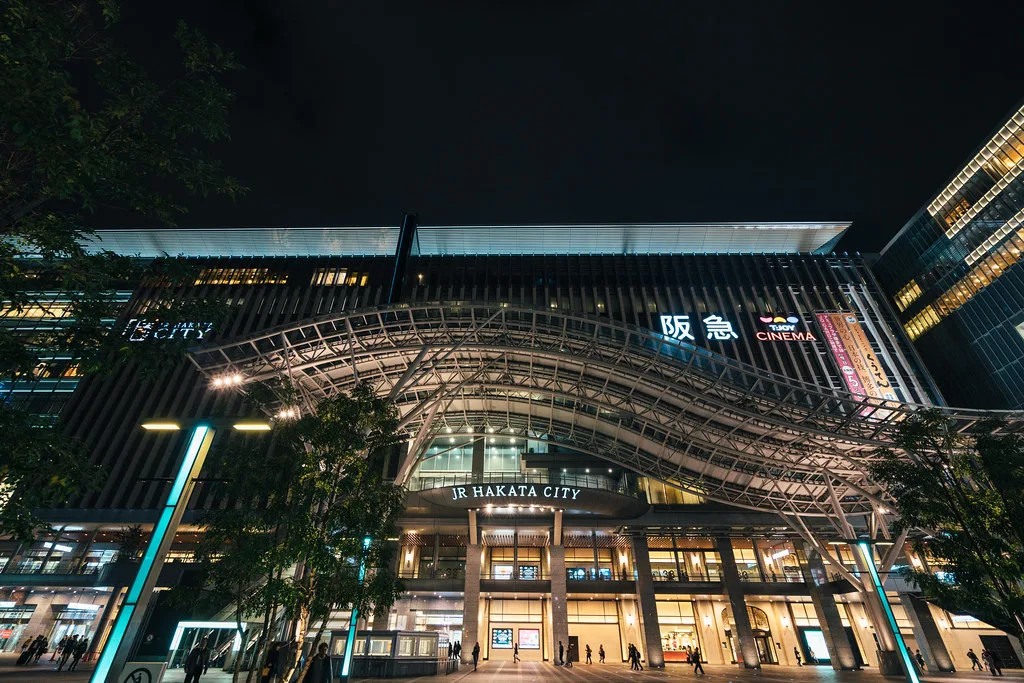
The main trade-off is atmosphere. Hakata Station feels built for movement, not for lingering. If you want residential streets and local cafes outside your door, this district will feel anonymous by day three. Pair it with evening trips to Nakasu to compensate.
Tenjin Area: Best for Shopping, Restaurants, and City-Center Energy
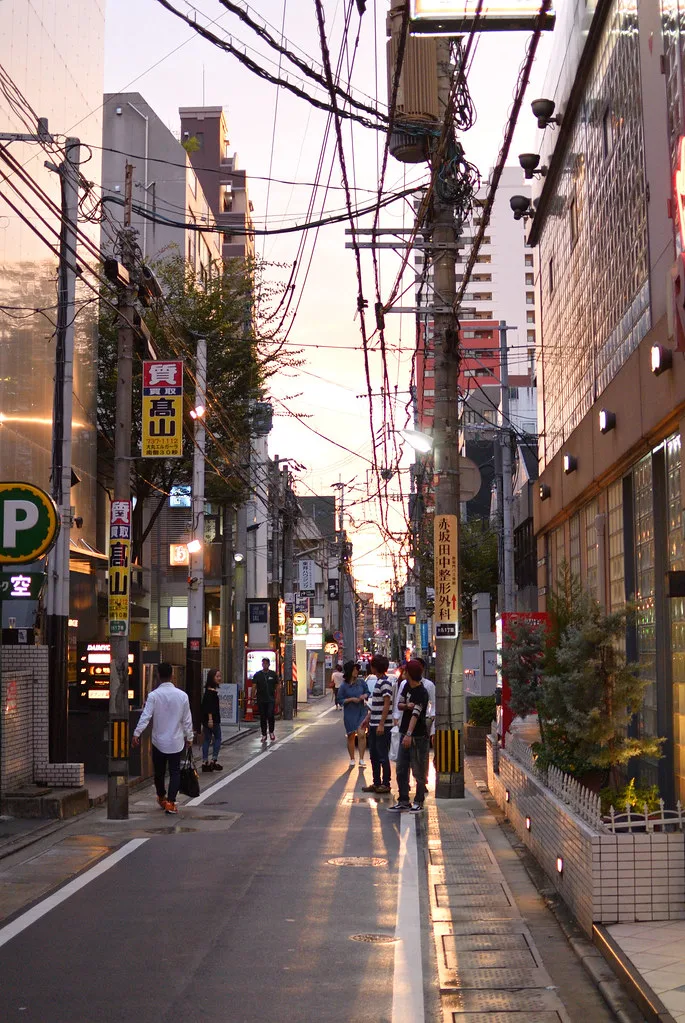
Tenjin is Fukuoka's commercial and cultural center, built around the Tenjin Underground Mall, Daimaru, Iwataya, and dozens of restaurants that stay busy until late. It suits travelers who want the city at their feet — no planning required, just step outside and choose a direction.
The neighborhood connects to Hakata by the Kuko Line in six minutes and reaches Ohori Park in four stops. On rainy days, the underground shopping passages let you cover most of the district without touching the surface. Evening dining here ranges from casual ramen counters to refined kaiseki, with the Daimyo sub-district to the west adding cocktail bars and boutique coffee shops.
Tenjin works especially well for visitors who want shopping and nightlife in the same trip without sacrificing access to broader Fukuoka. It is more polished and commercial than Nakasu, which can feel either reassuring or anonymous depending on your travel style. Our Tenjin area guide sums up the district's sights and stations.
The Tenjin Underground Shopping Street (590 m long, open until 20:00) connects seven subway and bus exits — useful on rainy days and for last-minute souvenirs. A one-day subway pass (¥660) covers all three subway lines and is worth buying if you plan to visit Ohori Park and Hakata Station on the same day.
Nakasu Kawabata Area: Best for Food Stalls (Yatai) and Old Hakata Atmosphere
Nakasu sits on a narrow island between two rivers and holds the most concentrated yatai strip in the city. These open-air food stalls line the riverbank from around 18:00, serving hot bowls of tonkotsu ramen, grilled chicken skewers, and seasonal seafood to a mix of salarymen, tourists, and regulars. Plan your evening using our yatai street food guide to understand the unwritten rules — seats are tight, orders are quick, and lingering past your bowl is poor form.
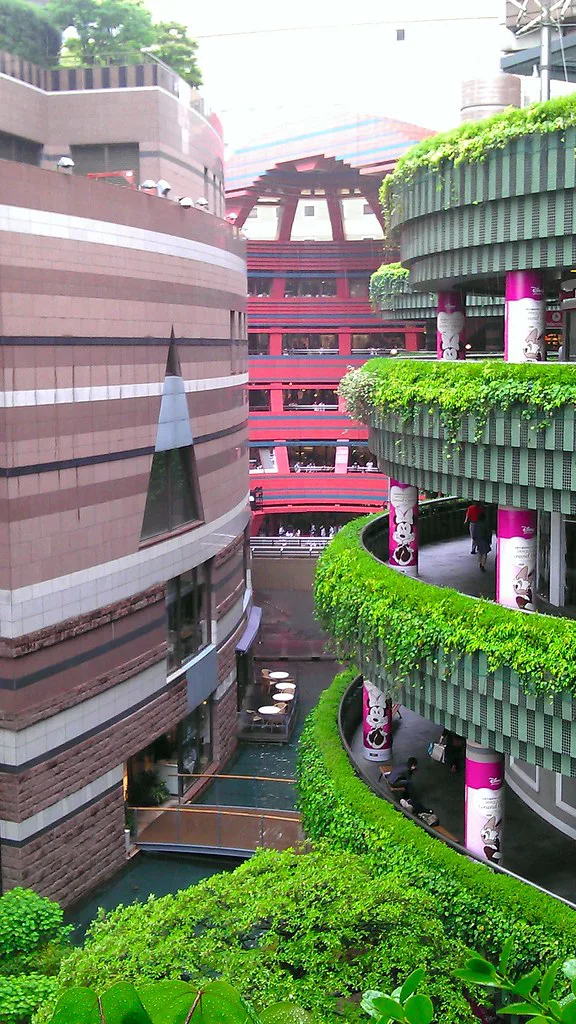
Beyond the stalls, this district gives you Canal City Hakata, the Kawabata Shopping Arcade, and Kushida Shrine within a short walk. The older Hakata architecture and covered shopping streets add texture that Tenjin and Hakata Station lack. Most stall meals run ¥1,500–¥3,000 per person including drinks, and cash is still preferred at many stalls in 2026.
The one caution is noise. Nakasu's nightlife bleeds into the residential edges of Kawabata, so lighter sleepers should check hotel positions carefully before booking. For families with young children, this area works best as a dinner destination rather than a base.
Ohori Park Area: Green Space and Museums
Ohori Park provides a massive lake, 2 km of paved circumference for morning runners, and the scenic Japanese garden with a tea house tucked inside the western perimeter. The nearby Fukuoka Art Museum covers modern and pre-modern collections in a lakeside setting that rewards a slow half-morning. Families regularly gather here on weekends for the paddleboats and the excellent central playground.
Ohori-Koen Station on the Kuko Line reaches Hakata in about ten minutes and connects directly to Fukuoka Airport — a genuine advantage for early-morning departures or late-night arrivals. Our Ohori Park visitor guide covers the garden entry timings, museum hours, and the best café stops on the lake circuit.
Accommodation fronting the park itself commands a premium. Budget-conscious visitors can find better rates two or three blocks inland with the same subway access and only a five-minute walk to the waterfront.
Ropponmatsu & Ohori: Green Space and Café Culture
Ropponmatsu has transformed over the past decade into one of Fukuoka's most livable pockets — walkable, café-dense, and anchored by the Ropponmatsu 421 cultural complex, which puts a library, a planetarium, and a rooftop café above the subway station exit. The neighborhood connects seamlessly to the western edge of Ohori Park and feels more residential than the commercial blocks further east.
Visitors who want slower mornings and good coffee within steps of the door consistently prefer this area over Hakata Station. The Fukuoka City Science Museum, located directly above Ropponmatsu Station, is an easy half-day for families. Nanakuma Line trains reach Tenjin in eight minutes.
The main limitation is hotel stock. Options here are smaller and more limited than in Hakata or Tenjin. Plan to book earlier than you think necessary, particularly for spring cherry blossom season when Ohori Park draws large crowds.
Nishijin & Momochi: The Easiest Landing for First-Time Families
Nishijin and Momochi run along the west side of central Fukuoka toward Hakata Bay. This strip holds the city's highest concentration of expat families, a real swimming beach at Momochi Seaside Park, and walking access to Fukuoka Tower and the city's children's science museum. Streets are wider than the central wards, with bike lanes and lower car density — significantly more stroller-friendly than Nakasu or Daimyo.
Nishijin Station on the Kuko Line reaches Hakata in 15 minutes and Fukuoka Airport in 20. AEON Marina Town handles weekly grocery runs. The local elementary school district has one of the highest shares of bilingual classmates in the city, and several international preschools are within the immediate area.
Rents run ¥75,000–¥95,000 for a one-bedroom and ¥160,000–¥220,000 for a three-bedroom in mid-2026 figures. Tower apartments facing the bay climb higher. Inland older buildings run 15–20% less for the same floor area. For short-stay visitors, this district works well as a quieter alternative to the city center — particularly for families who want the beach and a park within walking distance of their hotel.
Yakuin & Hirao: Design District and Calm Streets
Yakuin is Fukuoka's design and boutique quarter — narrow residential streets, independent coffee shops, low-key bars, and a neighborhood pace that feels noticeably more grown-up than the Tenjin commercial strip five minutes to the north. Hirao extends the same character south at slightly lower prices. Together they form the best central option for travelers who want evenings that feel local rather than tourist-oriented.
The district consistently records the lowest pedestrian-risk traffic density of any central neighborhood in the city, making it one of the easiest areas for independent exploration on foot. Yakuin Station connects to Hakata in ten minutes via the Nanakuma Line and sits within easy walking distance of Kego Park and the Tenjin shopping district when you want a more urban outing. Check our list of best hotels by neighborhood to find boutique options concentrated around the station's southern exits.
Pediatric-clinic density is the highest per square kilometer of any central district — a genuine practical advantage for families staying more than a few days. Specialty clinics covering allergy, dermatology, and pediatrics are walkable from most addresses, and several have English-speaking staff.
Sawara-ku (Befu, Fujisaki): The Smart Mid-Budget Pick
Sawara-ku is highly regarded for its educational institutions, safe residential streets, and noticeably better value than the central wards. Neighborhoods like Befu and Fujisaki give an authentic look at daily Japanese life well away from tourist circuits. Local grocery stores, small playgrounds, and community parks are scattered throughout the district, making it one of the most practical choices for families traveling with children who need a stable daily base.
Rents run ¥60,000–¥80,000 for a one-bedroom and ¥120,000–¥170,000 for a three-bedroom — roughly 20–30% less than equivalent space in Nishijin or Ohori. Fujisaki Station on the Kuko Line reaches Hakata in 15 minutes. Fukuoka International School sits within the district boundary, which is why this area has become the default landing zone for families arriving on international-school placements.
For short-stay tourists, Sawara-ku is quieter and less convenient for evening food and entertainment than the central districts. But for visitors on a week-long trip who want a calm base, competitive apartment-style accommodation, and easy subway access, this district consistently delivers better value than its central equivalents.
Nishi-ku (Imajuku, Meinohama): Beach Access and Best-Value Space
The Nishi-ku district offers the best combination of affordability and outdoor access of any urban ward in Fukuoka. Meinohama serves as a major transit point with direct Kuko Line subway access to the city center. Imajuku provides a more rural feel with beautiful beaches and local seafood restaurants just steps away. Rents here run ¥55,000–¥75,000 for a one-bedroom — the most affordable figures among the major residential zones close to the subway network.
The main trade-off is distance. Nishi-ku sits 20–25 minutes from Hakata by subway, which adds up across a full week of sightseeing. Families who prioritize outdoor space over central access find this the most rewarding choice. Day trips to Itoshima are significantly easier from Meinohama than from Hakata, saving around 20 minutes each way on the JR Chikuhi Line.
This area is ideal for those who want a break from the dense urban core. It is not the right base for first-time visitors who plan to move through the city quickly, but it suits slower-paced trips and longer stays very well.
Which Subway Line Your Neighborhood Sits On Changes More Than You Think
Fukuoka's subway network runs three lines, and the one your base connects to shapes your day-trip options in ways that no hotel comparison chart shows. The Kuko (Airport) Line is the backbone: it runs from Fukuoka Airport through Hakata, Tenjin, Ohori-Koen, Nishijin, Meinohama, and out to the JR Chikuhi Line junction for Itoshima. If Itoshima is on your itinerary, a Kuko Line base in Nishijin or Meinohama saves 15–20 minutes each way versus starting from Hakata — a meaningful difference on a half-day excursion.
The Nanakuma Line serves Ropponmatsu, Yakuin, and Hirao. It reaches Tenjin in eight minutes and Hakata in ten, which is perfectly serviceable for central access. However, it does not connect directly to the airport or the Itoshima direction — transfers are required. Travelers whose agenda includes Itoshima, Karatsu, or the coastal west should factor this in when choosing between Yakuin and Nishijin at similar price points.
The Hakozaki Line links Nakasu-Kawabata northward to Higashi-ku and the ferry terminal. Visitors heading to Itoshima from a Hakata or Nakasu base should use the public transport guide to map the transfer at Meinohama rather than assuming a single-line route. This small routing detail saves 20–30 minutes per day-trip round trip and is absent from most Fukuoka guides.
See our Fukuoka attractions hub for the broader city overview. For related Fukuoka planning, see our Fukuoka Weather By Month Travel Guide and How Many Days in Fukuoka: 13 Essential Planning Tips guides.
Frequently Asked Questions
Not Sure Where to Base Yourself in Fukuoka?
If you are a first-time visitor, Hakata or Tenjin are the best choices. Hakata offers the most convenience for trains and the airport. Tenjin provides immediate access to the best shopping and street food. Both areas are very walkable and safe at all hours.
What's the weather like in Fukuoka?
Fukuoka experiences humid summers with peak temperatures in August. Winters are generally mild but can be quite windy due to the coastal location. Spring and autumn offer the most pleasant conditions for exploring the neighborhoods on foot. Always check the local forecast before your arrival.
Do we need a car in Fukuoka with kids?
You do not need a car for most city exploration because the subway system is excellent. Most major family attractions are located near train stations. However, a rental car is useful for visiting the coastal areas of Itoshima or rural shrines. The city is very walkable for small children.
Fukuoka offers a diverse range of neighborhoods that cater to every traveler's specific needs.
Whether you choose the busy streets of Hakata or the quiet parks of Ohori, the city is easy to navigate.
Each district provides a unique perspective on the local food culture and famous Kyushu hospitality.
Use this guide to select the perfect base for your next adventure in this incredible Japanese city.
Free: The Fukuoka Essentials guide
Top things to do, where to stay, a perfect day plan, getting around, and the best time to go — a Fukuoka mini-guide you can take offline.
You might also like


Continue reading
More guides you'll find useful