Fukuoka 3 Day Itinerary Travel Guide
Plan fukuoka 3 day itinerary with top picks, neighborhood context, timing tips, and practical booking advice for a smoother trip.
On this page
Fukuoka serves as the vibrant gateway to Kyushu and offers a perfect blend of urban energy and coastal beauty. This city is often underrated compared to Tokyo, but it provides a more relaxed and authentic Japanese experience.
You can explore ancient shrines, modern shopping malls, and world-class food stalls all within a compact city center. This guide helps you navigate a complete 3-day plan to see the very best of the region.
Use this 3 day itinerary map to visualize your route through the city's top landmarks. Planning ahead ensures you maximize your time while enjoying the local atmosphere.
Is Fukuoka Worth Visiting?
Many travelers overlook this coastal hub when planning their first trip to Japan. However, the city offers a unique atmosphere that combines modern innovation with deep-rooted traditions. You will find that the locals are incredibly welcoming and the city is very easy to navigate.
Food lovers will find this destination especially rewarding because of its famous culinary scene. It is the birthplace of Hakata tonkotsu ramen, which features a rich and creamy pork bone broth. You can enjoy these noodles at various tonkotsu ramen shops across the city.
The compact nature of the city center makes it ideal for short visits. You can travel from the international airport to the main downtown area in just fifteen minutes. This convenience allows you to spend more time sightseeing and less time commuting.
Best Time to Visit Fukuoka
Fukuoka is a year-round destination thanks to its mild southern climate. Spring (late March to early April) is the most popular time to visit because the city's parks burst with cherry blossoms. Ohori Park and Nishi Park are among the best spots in Kyushu for sakura viewing. Book accommodation months in advance if you are travelling during this window in 2026.
Summer brings heat and humidity from June through August, but it also delivers some of Fukuoka's biggest festivals. The Hakata Gion Yamakasa runs through July, culminating in a dramatic predawn race through Hakata's streets on 15 July. Autumn (October to November) brings cooler weather and vivid foliage without the peak-season crowds. Winter is quiet and mild — temperatures rarely drop below 5°C — making it excellent for budget travellers who do not mind overcast skies.
One timing note worth knowing: Japan's Golden Week (late April to early May) and Silver Week (mid-September) are domestic travel peaks. Prices spike and trains fill up, so either book very early or adjust your dates to avoid the rush.
Where to Stay in Fukuoka
Choosing the right neighborhood is essential for a smooth 3-day trip. Hakata is the primary transport hub and is perfect for those arriving by Shinkansen bullet train. You will find high-end options like the Grand Hyatt Fukuoka located near the station.
Tenjin is the best choice if you prefer being in the heart of the shopping and nightlife district. This area is filled with department stores, trendy boutiques, and endless dining options. It stays lively late into the night, making it great for night owls.
For a more boutique experience, consider staying at The Lively Fukuoka Hakata in the Nakasu area. This hotel offers a modern design and is situated right by the river. You can find more details in our guide on Neighborhoods Where to Stay in Fukuoka.
Buy a Fukuoka Subway 1-Day Pass (¥640) on arrival — it covers the airport-to-Hakata-to-Tenjin corridor and the Ohori-Koen loop, paying for itself after 3 rides. For the Day 3 Dazaifu trip, use the Nishitetsu private line from Tenjin Station (¥420 each way, not covered by the subway pass).
How to Get Around Fukuoka
Fukuoka has a compact subway network with three lines that cover the main tourist areas. The Airport Line runs directly from Fukuoka Airport through Hakata and Tenjin, so you can get from the arrivals hall to your hotel in about fifteen minutes. Buy a rechargeable IC card (Suica or ICOCA) at any station — it works on the subway, buses, and convenience stores across Japan.
Buses fill the gaps the subway misses, particularly along the western waterfront toward Fukuoka Tower and Momochi Seaside Park. A Fukuoka Subway 1-Day Pass costs ¥640 and is worth buying if you plan to make more than three subway trips. For the Day 3 side trip to Dazaifu, you use the private Nishitetsu rail line from Nishitetsu-Fukuoka (Tenjin) Station — it is not covered by the subway pass, so budget around ¥420 each way.
Day 1: Hakata Shrines, Temples, and Yatai
Start your first morning at Kushida Shrine, one of the most important Shinto landmarks in the city. It serves as the starting point for the massive Hakata Gion Yamakasa festival held every July, and you can see the towering decorative floats on permanent display in the courtyard year-round. Near the shrine entrance, look for the Chikara Ishi stones — heavy boulders donated by famous sumo wrestlers as a display of physical strength. There is a smaller trial stone that visitors can attempt to lift themselves.
A ten-minute walk south brings you to Tochoji Temple, founded in 806 and home to Japan's largest wooden seated Buddha at 10.8 metres tall. What most visitors do not expect is the temple's underground corridor experience: a pitch-dark passageway representing the Buddhist afterlife, where you follow a rope through complete darkness before emerging into the light. The route takes about five minutes and requires no admission beyond the standard ¥200 temple fee. It is one of the most visceral and memorable moments available on a short Fukuoka itinerary.
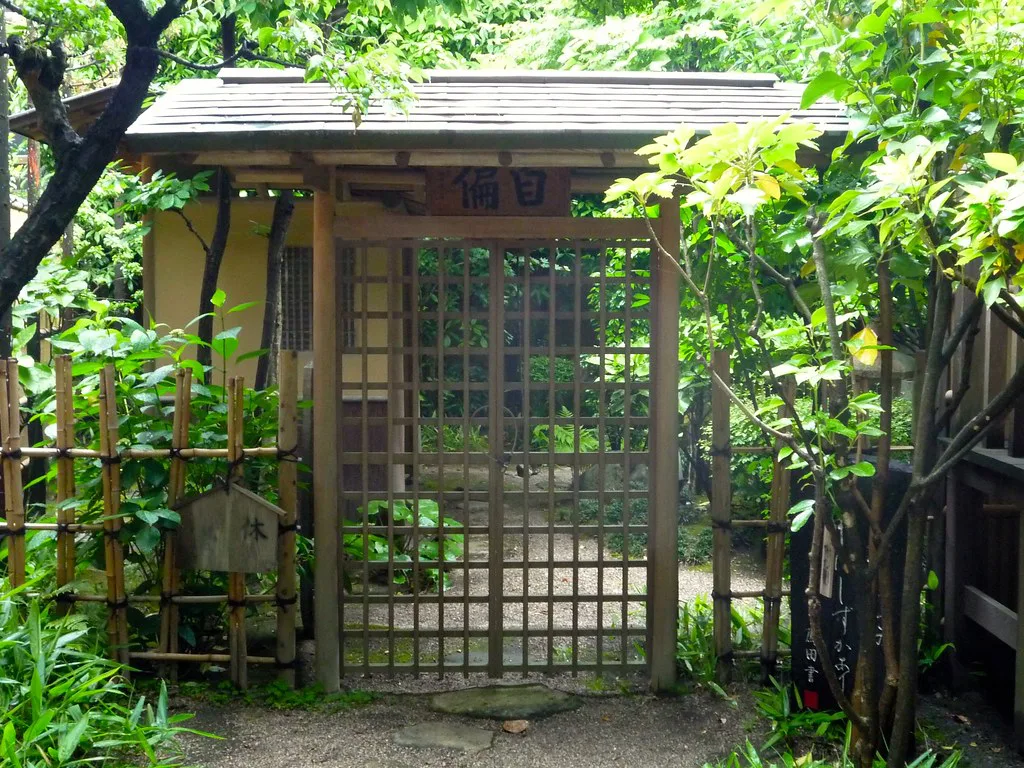
After lunch at Canal City Hakata — where the fifth-floor Ramen Stadium lets you compare eight different regional ramen styles under one roof — continue to the small Rakusuien Garden for a quiet break before heading into the Nakasu evening. The garden, just across the street from Sumiyoshi Shrine, is free to enter and offers a traditional tea-house atmosphere in the middle of the city. End the night at the yatai food stalls along the Naka River. Check our guide on how to visit Fukuoka yatai for the best experience.
Day 2: Western Fukuoka — Parks, Coast, and Tenjin
Spend your second day exploring the scenic western side of the city. Start your morning at Ohori Park, which features a large central lake and a beautiful Japanese garden. The adjacent Fukuoka Castle ruins in Maizuru Park are free to enter and give a sense of the enormous feudal stronghold that once dominated this part of Kyushu.
Next, head toward the coast to visit the Fukuoka City Museum. This facility tells the fascinating story of the city's role as a historical trading port. You can see the famous Gold Seal, which is a National Treasure of Japan and one of the most important archaeological finds in the country.
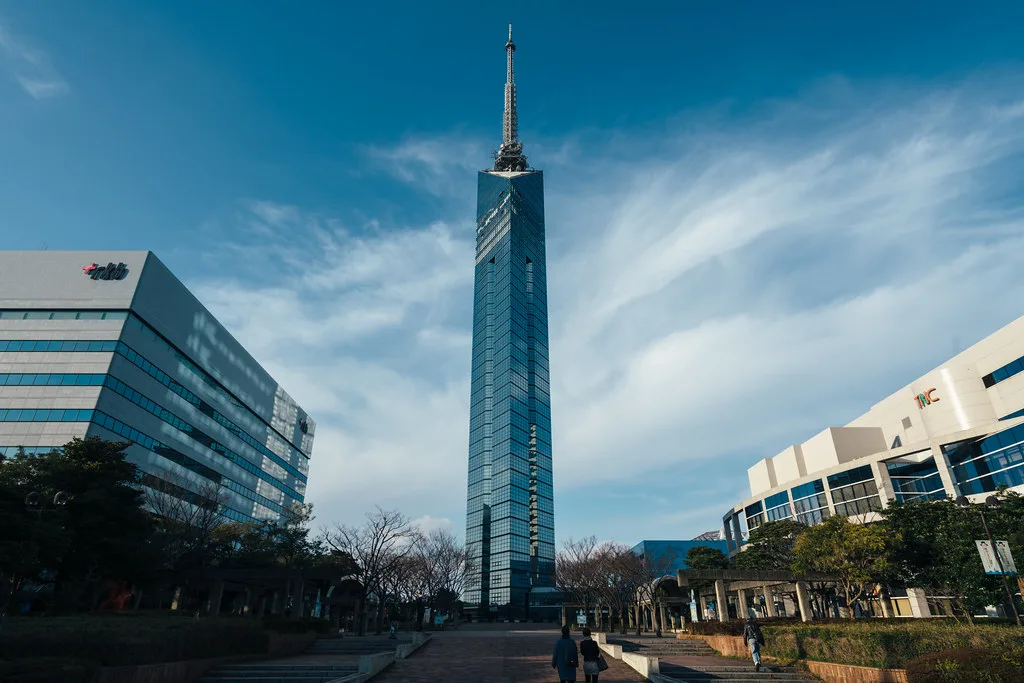
Finish your afternoon at Momochi Seaside Park and the nearby Fukuoka Tower. The tower stands 234 metres tall and offers incredible panoramic views of Hakata Bay. Admission is ¥800 for adults in 2026 — worth it at sunset. Before you leave the waterfront, stop at Nishi Park, a short bus ride north along the coast. The park sits on a hill with Koun Shrine at its summit and sweeping views over the bay. It is packed with cherry trees, making it the finest hanami spot in the city in spring. From Nishi Park, take the subway from Ōhori-kōen Station into Tenjin for dinner and evening shopping.
Tenjin: Shopping, the ACROS Building, and Underground Malls
Tenjin is the primary business and fashion district of the city. The Tenjin Chikagai is a 590-metre underground shopping mall that connects several subway stations and department stores, keeping you dry on rainy days. It houses around 150 shops and is the largest underground retail corridor on Kyushu.
Do not miss the ACROS Fukuoka building next to Tenjin Central Park. The south facade is a terraced step-garden — essentially a green hillside planted into the side of an office building — that you can hike up for free views of the skyline and Hakata Bay. The walk to the top takes about ten minutes and costs nothing.
Day 3: Dazaifu and Nanzo-in Temple Day Trip
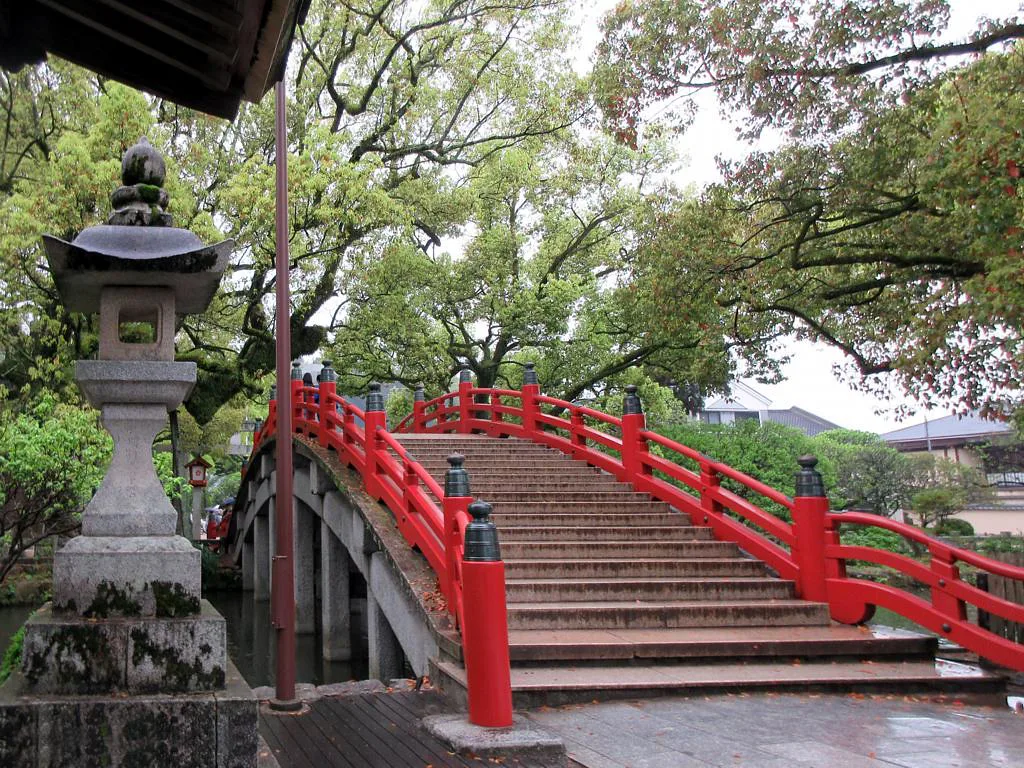
Reserve Day 3 for a half-day trip to Dazaifu Tenmangu Shrine, a stunning Shinto complex located about 45 minutes from Tenjin by Nishitetsu rail. The shrine is dedicated to the scholar deity Tenjin and is one of the most visited religious sites in Japan, drawing around 2 million visitors during New Year. It sits inside a forested precinct famous for its plum trees — over 6,000 of them bloom in late February. Even outside blossom season, the pond-and-bridge approach and the thatched main hall are among the most atmospheric in Kyushu.
After Dazaifu, take a local bus or taxi to Nanzo-in Temple, about twenty minutes further northeast near Kidonanzoin-Mae Station on the JR Sasaguri Line. The temple is famous for housing one of the world's largest bronze reclining Buddha statues — 41 metres long and 11 metres tall, weighing 300 tons. Reclining Buddhas are rare in Japan; this one is exceptional in both scale and setting, built into a lush cedar-covered hillside with smaller statues and torii gates threading through the trees. Dress respectfully when visiting both sites.
Return to central Fukuoka by 17:00 and use your final evening for one last bowl of Hakata tonkotsu ramen or a stroll through Nakasu. For more side-trip ideas including Yanagawa canal boats and Itoshima's beaches, see our guide to day trips from Fukuoka.
Other Things to Do in Fukuoka
If you have spare time or want to swap out one of the itinerary stops, the following attractions are all worth knowing about. Hakata Port Tower is a free radio tower on the waterfront with an observation deck that most tourists skip entirely. The views of the harbor and bay are excellent, and the lack of crowds makes it genuinely enjoyable. It is about a twenty-minute walk from Hakata Station or a short taxi ride.
Sumiyoshi Shrine in central Hakata is considered the oldest Shinto shrine in Kyushu, predating Kushida by several centuries. The grounds are small but hold a quietly impressive main hall designated as a National Important Cultural Property. The Canal City complex is around the corner — these two spots pair naturally into a short morning loop. teamLab Forest at Fukuoka PayPay Dome is the city's immersive digital-art museum and a strong pick for families or anyone who has already seen the standard temple circuit. Book tickets online in advance, especially on weekends, as sessions sell out.
Seiryu Park sits at the narrow tip of Nakasu island where the river splits around it. It is small and easy to miss, but the position — water on both sides, willow trees overhead — makes it one of the best spots in the city for hanami in spring. Uminonakamichi Seaside Park, accessible by ferry across the bay, is the best half-day add-on for families, offering cycling trails, a waterpark, and animal attractions spread across a long coastal peninsula.
How Many Days in Fukuoka?
Three days is the ideal duration for a first-time visitor to cover the main city districts and take one day trip. The schedule above fits everything comfortably without feeling rushed. If you arrive by Shinkansen from Hiroshima or Osaka on Day 1 morning, you can start Hakata sightseeing by 10:00.
Two days is enough to see the core — Hakata shrines, Ohori Park, Tenjin — but you would need to skip either the western waterfront or the Dazaifu day trip. Five days is ideal for anyone who wants to add a hot-spring escape to Beppu (two hours east by limited express) or explore the beaches around Itoshima. For a shorter version of this plan, our Fukuoka 2-day itinerary covers the non-negotiable highlights.
For related Fukuoka planning, see our How Many Days in Fukuoka: 13 Essential Planning Tips and Fukuoka 2 Day Itinerary: The Ultimate Travel Guide guides.
Frequently Asked Questions
How long is the bullet train from Tokyo to Fukuoka?
The journey on the Nozomi Shinkansen takes approximately five hours from Tokyo Station to Hakata Station. This is the fastest way to travel between the two cities by rail. You can use a Japan Rail Pass if you take the slightly slower Hikari or Sakura trains.
Does it snow in Fukuoka during the winter?
Snow is relatively rare in this coastal city and usually only results in light flurries. You might see a thin layer of snow a few times each year between January and February. Most winter days are chilly but clear, making it a pleasant time for sightseeing.
Is Fukuoka expensive for travelers in 2026?
Fukuoka is generally more affordable than Tokyo or Osaka regarding food and accommodation. You can find excellent meals for under 1,000 yen at many local ramen shops and yatai stalls. For more details, see our guide on Fukuoka travel budget and costs.
How many days should I spend in Fukuoka?
Three days is the perfect amount of time to see the main city highlights and take one day trip. This allows you to explore Hakata, Tenjin, and the seaside areas at a comfortable pace. If you want to visit more rural areas, consider staying for five days.
Fukuoka offers a rich blend of history, modern shopping, and incredible food that every traveler should experience. Following this 3-day plan ensures you see the most iconic landmarks while enjoying the local lifestyle.
From the giant Buddha at Nanzo-in to the lively yatai stalls in Tenjin, there is something for everyone here. The city's compact layout makes it one of the most stress-free destinations in all of Japan.
Start planning your trip today to discover why this city is a favorite among seasoned Japan travelers. You will likely find yourself wanting to return to this coastal gem again in the future.
Free: The Fukuoka Essentials guide
Top things to do, where to stay, a perfect day plan, getting around, and the best time to go — a Fukuoka mini-guide you can take offline.
You might also like


Continue reading
More guides you'll find useful