Hakata Ward Fukuoka Neighborhood Guide: 10 Essential Areas & Attractions (2026)
Explore Hakata Ward with our neighborhood guide. Discover 10 essential spots from Hakata Old Town to Nakasu Yatai, plus transit tips and local food secrets.
On this page
I first explored the narrow alleys of Hakata during a humid July festival and immediately felt its unique merchant energy. While many visitors use the ward simply as a transit hub, this district contains the true historical soul of the city. This guide was last refreshed in January 2026 to ensure all pricing and logistics reflect the current travel season in Fukuoka Travel Guide 2026: Things to Do, Eat & Plan.
Understanding Hakata requires looking back to 1889, when the merchant city of Hakata merged with the samurai town of Fukuoka. The naming dispute was so fierce that the official city name was decided by a single vote in a heated local assembly, and Hakata-ben dialect speakers will remind you the merchants quietly won the rematch by keeping the Shinkansen station named Hakata. Today, the ward remains the commercial powerhouse of Kyushu, blending ancient Zen temples with the high-speed pulse of the bullet train terminal.
The History and Spirit of Hakata Ward
The divide between the merchant class and the samurai warriors shaped the very streets you walk today. Hakata served as Japan's gateway to Asia for centuries, fostering a resilient and independent community of traders and artisans facing the Genkai Sea. Local residents still take immense pride in their distinct Hakata-ben dialect and the traditions of the Hakata Old Town Area.
The spirit of the ward is most visible during major festivals like the Hakata Gion Yamakasa in mid-July. During this time, neighborhood teams race one-tonne kazariyama floats through the streets in a display of incredible physical strength and coordination. This local pride ensures that even as skyscrapers rise around them, the ancient shrines remain the focal point of daily community life.
Visitors will notice that the ward feels significantly more traditional than the neon-soaked streets of Tenjin in Chuo Ward. While Tenjin is the capital of youth fashion and Daimyo backstreets, Hakata is where you find the master craftsmen, the oldest tea shops, and the headquarters of the famous Hakata-ori weaving guild. Choosing to stay here lets you experience a slower, more authentic side of Japanese urban life without sacrificing modern convenience.
Hakata Station: The Modern Heart of Fukuoka
Most travelers begin their journey at Hakata Station, which functions as a massive destination in its own right. The JR Hakata City building houses the AMU Plaza Hakata City shopping mall and the Hankyu department store, offering hours of retail therapy under one roof. I recommend heading to the rooftop garden, known as Tsubame-no-Mori Plaza, for a free panoramic view of the city skyline and Hakata Bay beyond.
The underground levels are a labyrinth of food, specifically the Hakata Ichibangai and DEITOS gourmet zones beneath the Shinkansen gates. This is one of the best areas for restaurants in Fukuoka if you want high-quality food without leaving the station building. You can find everything from quick standing sushi bars to high-end wagyu specialty shops within the basement floors, with most counters open from 11:00 to 22:00.
During winter, the station plaza transforms into a glittering sea of blue lights for the annual illumination event, running from early November through late February in 2026. Coin lockers in three sizes (300, 500, 700 yen) cluster near the Chikushi exit, and the JR information desk at the Hakata-guchi side handles JR Pass exchanges in English. If you arrive before check-in time, store luggage here rather than dragging it to your hotel.
Hakata Old Town: Temples and Traditions
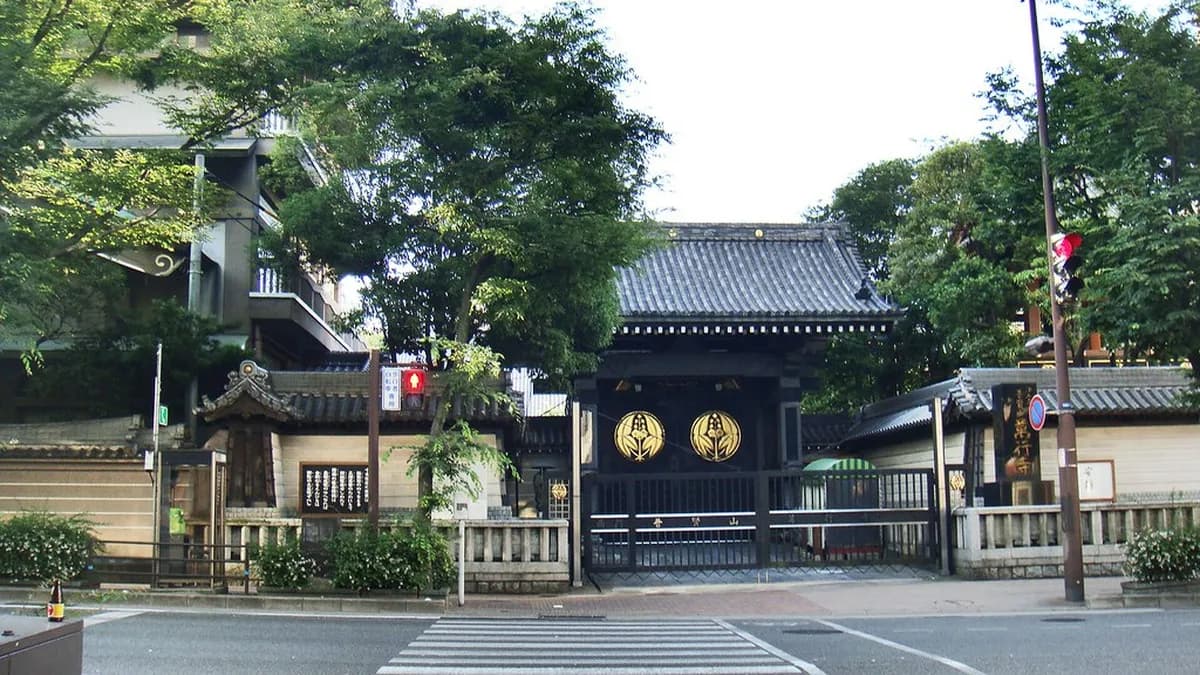
The Hakata Old Town district holds the highest concentration of ancient temples in Kyushu, condensed into a quiet grid you can cover on foot in two hours. The classic Zen route begins at Shofuku-ji, founded in 1195 by the monk Eisai and recognized as the oldest Zen temple in Japan. Walk south past Myoraku-ji and Ryuguji, then end at Tocho-ji, where the wooden Great Buddha and the dim "heaven and hell" tunnel cost 300 yen to enter.
Shofuku-ji itself is free, and most travelers miss it because it does not appear on the standard sightseeing bus loop. Arrive before 09:00 and you will likely have the moss garden to yourself, with only the sound of cicadas and the distant rustle of brooms. The path then loops through narrow lanes lined with stone tea-merchant warehouses that survived the wartime bombings.
Hakata Sennen-no-Mon, a reconstructed wooden gate added in 2014, marks the symbolic entrance to the temple district from Hakata Station. Its carvings echo Hakata-ori textile patterns, and the gate is illuminated nightly until midnight. Combine the Old Town walk with Kushida Shrine for a half-day cultural circuit before heading to the river.
Canal City Hakata: The City Within a City
Canal City Hakata is the entertainment anchor of the ward, designed by American architect Jon Jerde with a curving man-made canal threading through five colored buildings. Entry is free, most shops run 10:00 to 21:00, and the restaurant floors stay open until 23:00. The free fountain show at Sun Plaza runs every half hour with music, light, and projection sequences.
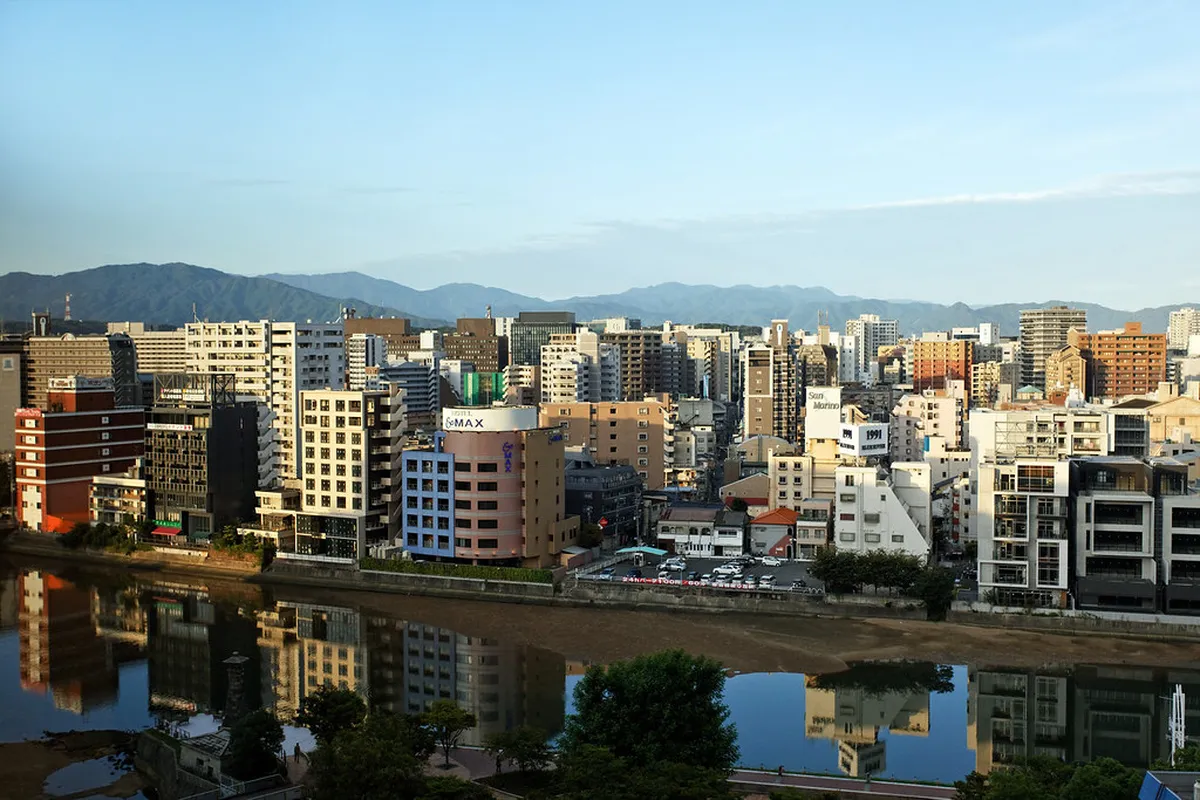
The fifth-floor Ramen Stadium is the highlight for first-time visitors, gathering eight rotating regional ramen shops under one roof so you can compare Hokkaido miso to Kyushu tonkotsu in a single sitting. Below it, the Gundam Side-F shop and the Pokemon Center Fukuoka draw a steady weekend queue. Skip the generic mid-floor international apparel chains; you can find those anywhere.
The complex sits roughly halfway between Hakata Station and Nakasu, a ten-minute walk from either, making it a natural midday refuge during summer humidity. Free WiFi covers the entire site, and the basement information desk lends strollers and wheelchairs at no cost.
Nakasu: Fukuoka's Famous Entertainment District
Nakasu yatai stalls are weather-dependent — owners skip opening if winds exceed ~10 m/s or steady rain is forecast past 19:00. Always have an indoor ramen backup plan, especially during the rainy season (mid-June to mid-July) and typhoon season (September).
Nakasu occupies a narrow island between the Naka and Hakata rivers and ranks among the three largest entertainment districts in Japan. By day it looks tired and quiet, but from 18:00 onward roughly 20 yatai food stalls line the riverbank along Showa-dori, glowing under red lanterns. A typical yatai meal of ramen, gyoza, and a beer costs 1,500 to 3,000 yen.
The yatai economy is highly weather-dependent. Owners check the morning forecast, and if winds exceed about 10 meters per second or steady rain is predicted past 19:00, most stalls simply do not open. Always have a backup indoor plan, especially during the rainy season in mid-June through mid-July, and during typhoon approaches in September.
For a deeper primer on choosing a stall, etiquette, and the unwritten 90-minute seating rule, see our yatai street food stalls guide. Beyond yatai, the inner blocks of Nakasu hide thousands of small bars and clubs, and tourists are generally welcome on the riverside strip but should avoid the shadier touts away from the main lanes.
Kushida Shrine and Sumiyoshi Shrine
Kushida Shrine is the spiritual heart of Hakata and the launch point of the Yamakasa floats. Founded in 757, the shrine is free, opens at 04:00, and houses a permanent decorative kazariyama float over ten meters tall that is replaced every July. Look for the giant ginkgo tree believed to be 1,000 years old and the mechanical fortune-teller near the offering hall.
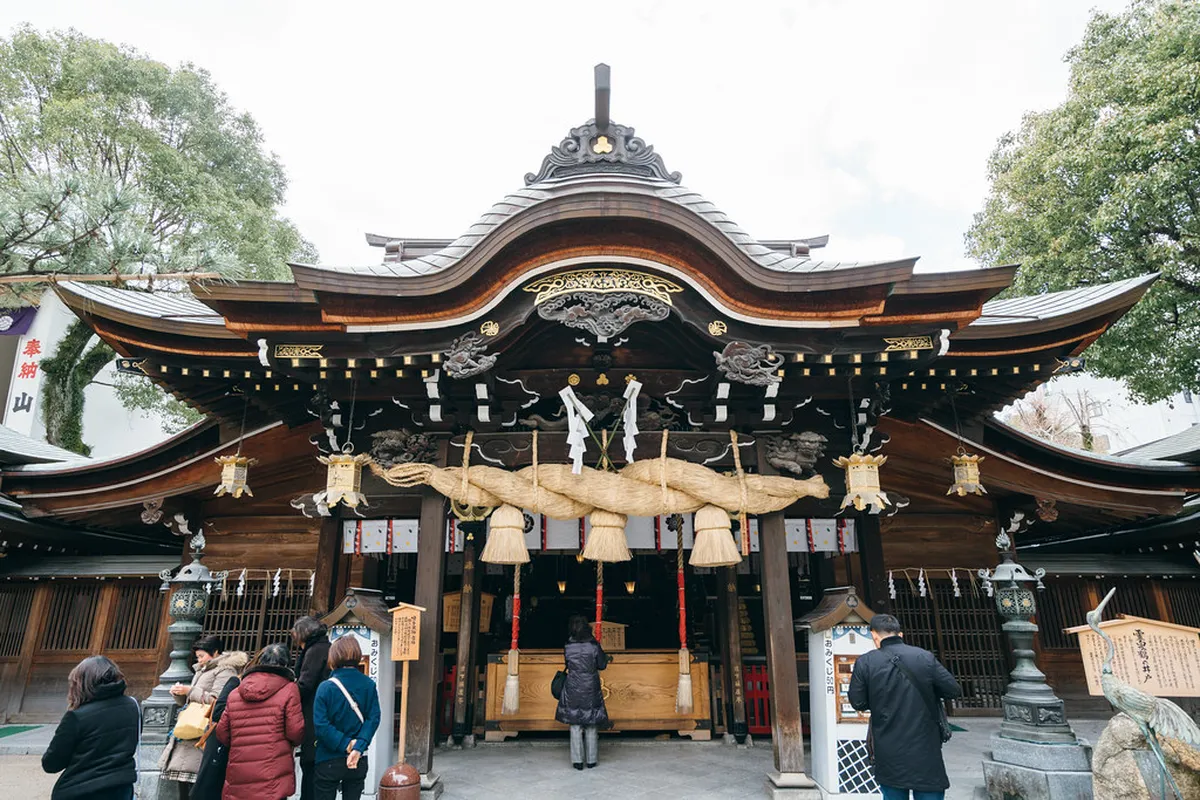
Sumiyoshi Shrine sits a ten-minute walk south of Hakata Station's west exit and counts among the oldest shrines in Kyushu, dedicated to the three Sumiyoshi deities who protect sailors and sea travelers. Its straight-roofed Sumiyoshi-zukuri architecture predates Chinese influence and is designated an Important Cultural Property. The forested grounds are a cool refuge during summer, and the noh stage hosts free open-air performances on select evenings each spring.
Kawabata Arcade and the Hakata Traditional Craft and Design Museum
Kawabata Shopping Arcade is the oldest covered shotengai in Fukuoka, stretching about 400 meters between the Hakata Riverain complex and Kushida Shrine. Two arcade halves connect at the Kawabata Zenzai Hiroba, where you can sample sweet red bean soup for 500 yen on weekends. Shops sell Hakata Ningyo dolls, hand-rolled green tea, and Hakata-ori obi sashes, with prices ranging from a few hundred yen for postcards to 30,000 yen for a master-woven tie.
Two minutes away, the Hakata Traditional Craft and Design Museum (open 10:00 to 18:00, closed Wednesdays) is free and explains in English how Hakata-ori silk is woven on bamboo looms and how Hakata Ningyo clay figures are kiln-fired and painted. Live demonstrations run most Saturday afternoons, and the gift shop sells small Ningyo from around 2,000 yen. Reservation-only doll-painting workshops cost 3,500 yen and last 90 minutes; book through the museum email at least a week ahead.
If you have extra time, the upper floors of Hakata Riverain house the Fukuoka Asian Art Museum, the only museum in the world dedicated systematically to modern and contemporary Asian art (200 yen, closed Wednesdays).
Top Hakata Food Experiences: Ramen and Yatai
Hakata ramen is the culinary identity of the ward and the original tonkotsu pork-bone style now copied worldwide. The broth is cloudy white, simmered for 12 to 18 hours, and paired with thin straight noodles that you order by firmness, from yawa (soft) to barikata (very firm) to harigane (almost raw). A standard bowl costs 800 to 1,200 yen, and the kaedama refill of extra noodles is typically 150 yen.
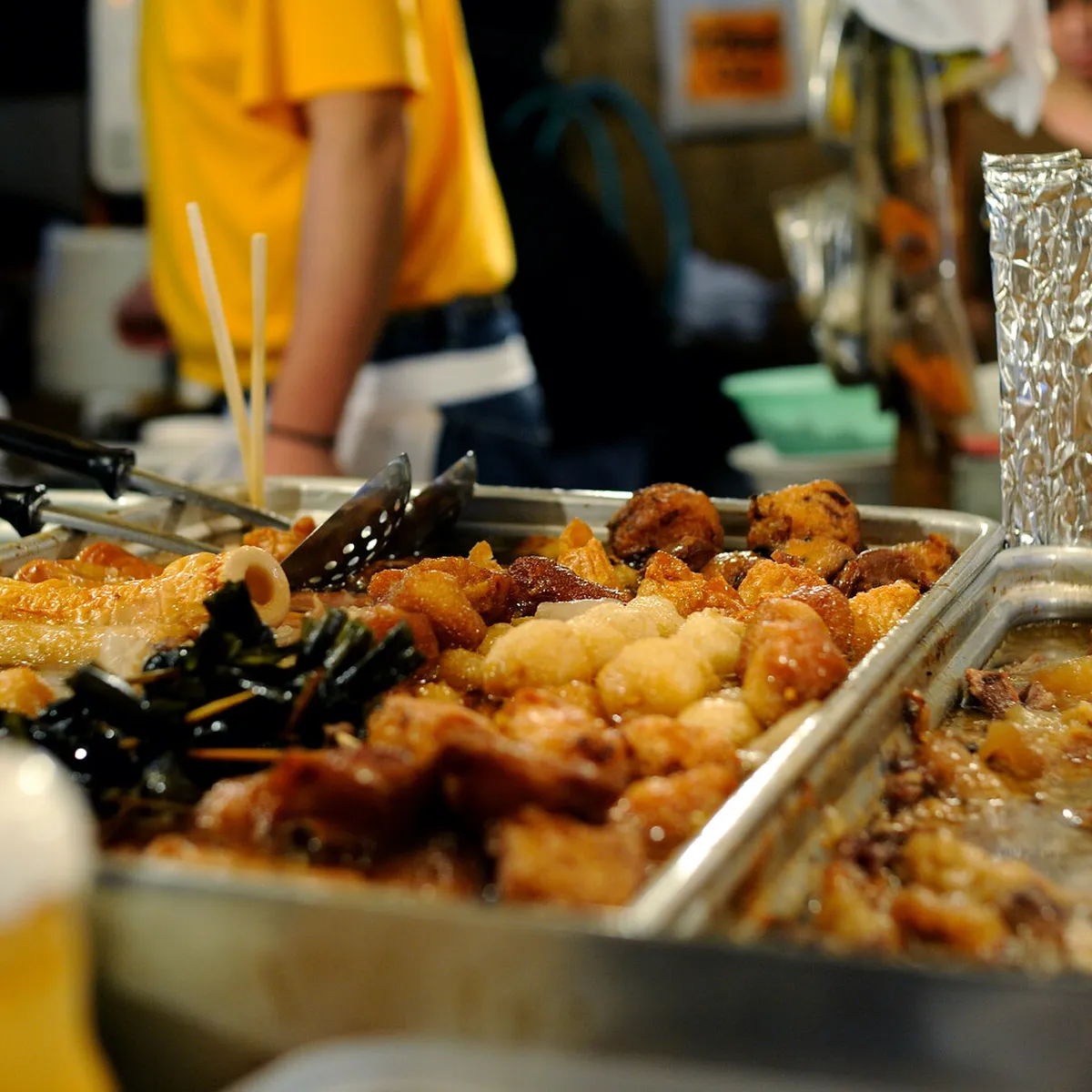
For the textbook bowl near the station, Hakata Issou Main Store on the east side draws queues by 11:30 every day for its foamy "cappuccino" broth. Shin-Shin in Tenjin and Ichiran's flagship near Canal City are the famous chains, but smaller counters like Daichi-no-Udon and Yatai Ramen Ichiryu inside Nakasu serve equally good bowls without the wait. For a wider city perspective, see our Fukuoka restaurants guide.
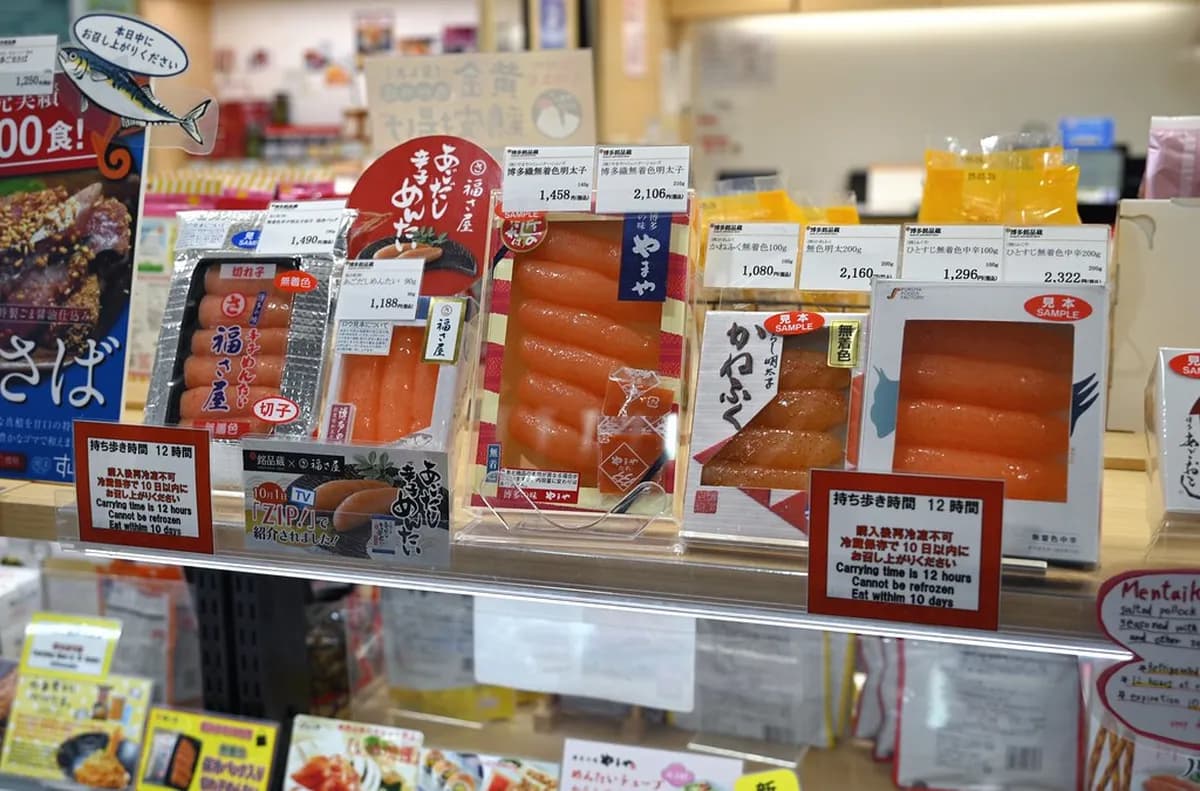
Beyond ramen, look for mentaiko (spicy cod roe), motsunabe offal hotpot in winter, and goma-saba sesame-marinated mackerel as the signatures locals actually eat. The basement food halls of Hankyu and Daimaru sell mentaiko gift packs from 1,500 yen if you want to take the flavor home.
The Busan Ferry and Hakata's International Gateway Status
One detail that almost every English-language Hakata guide skips is that the ward is one of the easiest places in Japan to reach South Korea by sea. The Queen Beetle high-speed catamaran departs Hakata Port International Terminal for Busan in roughly 3 hours and 40 minutes, while the overnight Camellia Line ferry arrives the next morning. One-way fares in 2026 start around 9,000 yen for the catamaran and 9,000 to 18,000 yen for cabin berths on the ferry, often cheaper than a same-day flight.
The terminal sits on the bay a 15-minute bus ride from Hakata Station via the number 11 or 19 bus (260 yen). Immigration is fast, and the Visit Japan Web QR code works the same as at the airport. This is also why Hakata feels more cosmopolitan than its size suggests; on weekends you will hear as much Korean as Japanese in the station shopping mall.
Even if you are not crossing the strait, the ferry terminal is worth visiting for its bay-view observation deck and the Bayside Place market hall next door, where local fishermen sell Genkai Sea catch from 06:30 each morning.
Hakata vs. Tenjin: Choosing Your Base
Hakata is the superior base if you plan Shinkansen day trips to Dazaifu, Kumamoto, or Nagasaki. It is only two subway stops (¥210, 5 minutes) from Tenjin's nightlife and shopping, so you never feel cut off from either side of the city.
Hakata is the superior choice for travelers who value transit convenience, especially if you plan day trips to the Nanzoin Temple reclining Buddha, Dazaifu, or onward Shinkansen rides to Kumamoto and Nagasaki. Hotel rates near the station run 8,000 to 18,000 yen for a comfortable business room in 2026, and breakfast options open by 06:30.
Tenjin offers livelier nightlife, deeper boutique shopping, and the underground Tenjin Chikagai mall, but you trade five extra subway minutes for every airport or Shinkansen connection. For longer-stay residents, Tenjin runs slightly cheaper on rent per square meter, while Hakata wins on commute time and 24-hour convenience. The two districts sit only two subway stops (210 yen, 5 minutes) apart, so you are never truly cut off either way.
For a one-night taste of both, follow our 24-hour Hakata itinerary first, then move west the next morning.
Practical Tips for Navigating Hakata Ward
| Starting Point | Destination | Walk Time | Notes |
|---|---|---|---|
| Hakata Station (Hakata Exit) | Kushida Shrine | ~12 min | Via Sennen-no-Mon gate |
| Kushida Shrine | Kawabata Arcade | ~3 min | Directly connected |
| Kushida Shrine | Canal City Hakata | ~10 min | Midway between station and Nakasu |
| Canal City Hakata | Nakasu yatai (riverbank) | ~10 min | Open from 18:00; weather-dependent |
| Hakata Station | Sumiyoshi Shrine | ~10 min | South of Hakata Exit |
Most attractions cluster within a 2-kilometer radius of Hakata Station, so a single walking day works well. A logical route runs station → Sennen-no-Mon → Tocho-ji → Kushida Shrine → Kawabata Arcade → Canal City → Nakasu yatai for dinner, totaling about 4 kilometers and four hours including stops. Subway hops cost 210 to 260 yen, and the 100-yen city loop bus covers Canal City and the riverfront.
Weather in Fukuoka is mildest in late March to early May and again in October and November, with cherry blossoms typically peaking around 25 March in 2026. Summer is hot and humid (32 C plus dew points in the mid-20s); winter rarely drops below freezing but feels raw with sea wind. Always check the forecast before betting on a yatai dinner, and for budgeting refer to our Fukuoka daily costs guide.
Avoid scheduling the Old Town temples for Wednesdays or Thursdays when several smaller halls and the craft museum close. Skip the rooftop observation tickets at the station tower complex; the free Tsubame-no-Mori garden delivers a near-identical view. And do not try to "do" Hakata in two hours between trains; the magic is in the alleys you find when you stop rushing.
Subway and Train Access from Hakata Station to Key Fukuoka Areas
Hakata Station's basement level is Fukuoka's main subway hub, and most of the city's key sightseeing areas sit within a 15-minute ride. The Fukuoka City Subway Kuko (Airport) Line runs directly beneath the station, connecting Hakata to Tenjin, the airport, and the western suburbs without a single transfer.
| Destination | Line | Travel Time | Fare |
|---|---|---|---|
| Fukuoka Airport | Subway Kuko Line | 5 minutes | ¥260 |
| Tenjin | Subway Kuko Line | 5 minutes | ¥210 |
| Ohori Park | Subway Kuko Line | 11 minutes | ¥260 |
| Nishijin (beaches, Fukuoka Tower area) | Subway Kuko Line | 14 minutes | ¥300 |
| Dazaifu | JR to Futsukaichi, transfer to Nishitetsu | about 35 minutes | ¥420 |
All subway and JR fares can be paid with a Nimoca, Sugoca, or Suica IC card tapped directly at the gates, so there is no need to calculate exact change or buy paper tickets for short hops. Staying near Hakata Station keeps these connections short: reaching the airport or Tenjin from here is often quicker than starting from a hotel further out, especially if your first stop each day is the Shinkansen gates or the airport terminal.
Frequently Asked Questions
Is Hakata Ward safe for solo travelers at night?
Hakata is exceptionally safe for solo travelers, even in the Nakasu entertainment district. Standard urban precautions apply, but violent crime is very rare. Most streets are well-lit and busy until late at night.
How do I get from the airport to Hakata Ward?
The Fukuoka City Subway connects the airport to Hakata Station in just five minutes. This is one of the fastest airport-to-city transfers in the world. A single ticket costs approximately 260 yen per adult.
What is the best time of year to visit Hakata?
Spring and autumn offer the most comfortable walking weather for exploring temples. July is exciting for the Yamakasa festival but can be extremely hot and humid. November is ideal for seeing the autumn leaves in the Old Town.
Hakata Ward offers a perfect introduction to the dual nature of modern Japan, where ancient tradition meets high-speed innovation and a ferry to Korea leaves before lunchtime. By exploring the Old Town temples and the bustling station, you gain a deeper appreciation for the city's merchant heritage. Whether you are here for the world-class tonkotsu ramen or the serene Zen gardens, this neighborhood never fails to leave a lasting impression.
Take your time to wander off the main roads and discover the small workshops and family-run tea houses that define the ward. Hakata is a place that rewards the curious traveler who looks beyond the neon lights of the train station. We hope this guide helps you navigate the best of the district during your 2026 visit to beautiful Fukuoka.
See our Fukuoka attractions guide for the broader city overview.
For related Fukuoka deep-dives, see our Hakata Station Area Guide and 8 Key Highlights guides.
Free: The Fukuoka Essentials guide
Top things to do, where to stay, a perfect day plan, getting around, and the best time to go — a Fukuoka mini-guide you can take offline.
You might also like

Continue reading
More guides you'll find useful