Japan Winter Festivals: A Complete 2026 Guide by Region
Plan Japan winter festivals by region: Sapporo's snow sculptures, Nagasaki's 15,000 lanterns, and Tohoku fire rituals, with 2026 dates and temperatures.
On this page
Last updated September 2026. Japan winter festivals run from early December through late February, spanning Hokkaido's snow sculptures at Odori Park to centuries-old fire rituals in Okayama. Grouping events by region turns a scattered festival list into one workable winter itinerary instead of a string of one-off day trips. Expect free admission at most snow and ice sites, but Sapporo hotels fill up to six months out once dates are confirmed.
Japan's Winter Festival Season at a Glance
Winter here splits into three practical windows. Early December centers on Honshu's traditional festivals, while late January through February brings Hokkaido's headline snow events back to back. By early March, Tohoku's candle and ice festivals wind the season down.
Grouping by region matters more than chasing individual dates. Hokkaido festivals cluster around Sapporo and Otaru. Tohoku's snow events are often grouped as the region's major winter festivals, spanning Aomori, Akita, and Niigata. Kanto and Kyushu each contribute one signature event within reach of Tokyo or a single regional flight.
Temperatures swing hard by region, which is the main variable for what to pack and where to fly into. A broader winter planning guide covers weather and crowd patterns beyond festival dates. Separate seasonal timing advice helps when festivals aren't the only priority on a trip. The table below breaks down temperatures and festival timing month by month.
| Period | Typical Temperatures | Signature Festivals | Crowd & Price Level |
|---|---|---|---|
| Early December | Honshu near 10°C (50°F) by day; Hokkaido nights near -10°C (14°F) | Chichibu Night Festival, Dec 2-3 | Moderate, pre-peak pricing |
| Mid-January | Interior Hokkaido near -20°C (-4°F) at Sounkyo | Sounkyo Ice Fall Festival opens; Lake Shikotsu Ice Festival underway | Lower crowds, easier hotel booking |
| Early February | Sapporo festival week near -4°C (25°F) by day | Sapporo Snow Festival, Asahikawa Winter Festival, Nagasaki Lantern Festival | Peak demand; Sapporo hotel rates spike |
| Mid-to-late February | Tohoku nights near -5°C (23°F) | Yokote Kamakura Festival, Aizu Painted Candle Festival, Tokamachi Snow Festival | High demand for Tohoku lodging |
| Early March | Honshu back near 10°C (50°F); Hokkaido lows near -2°C (28°F) | Lake Shikotsu and Sounkyo festivals close out | Rates ease toward baseline |
The Big Three Snow Festivals: Sapporo, Yokote, and Tokamachi
Sapporo Snow Festival anchors the season and runs February 4 to 11, 2026, across three sites. Odori Park's sculpture line stretches about 12 blocks, roughly 0.9 miles end to end, with sculptures lit until 10PM. Susukino specializes in carved ice figures along the entertainment district's streets. Tsudome, a short subway ride out, keeps snow slides and tubing for families. Officially, Japan's national tourism office puts turnout at more than two million visitors a year, which explains why hotels sell out early. Check exact daily hours on the Sapporo Snow Festival's official site before finalizing plans. Book Sapporo hotels as soon as festival dates post; rooms are scarce by autumn. The full Sapporo Snow Festival guide breaks down each site's hours and access.
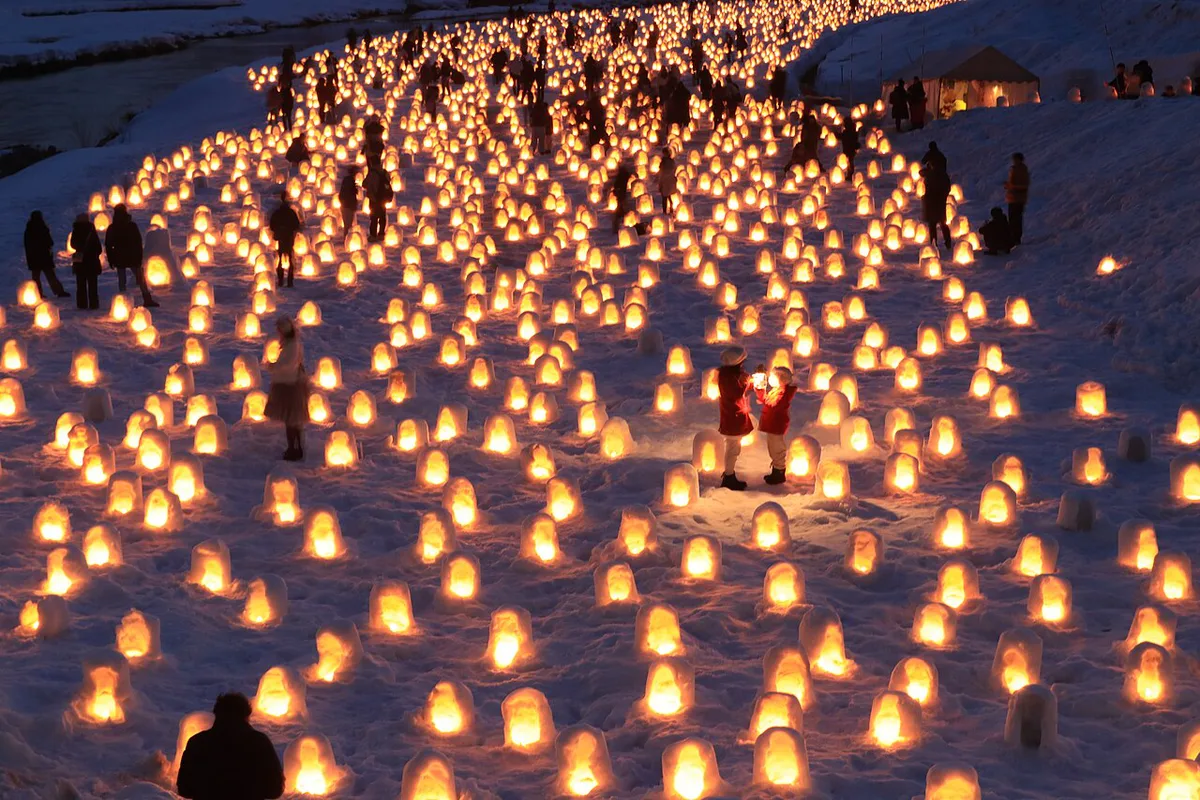
Yokote Kamakura Festival, in Akita Prefecture, runs February 15 to 16 and traces back roughly 450 years as a water-deity ritual. Locals build kamakura, dome-shaped snow huts lit from within, and invite visitors inside for grilled mochi and amazake. Hundreds of miniature kamakura line the Yokote riverside after dark. The Yokote Kamakura Festival guide has transit and timing details.
Tokamachi Snow Festival in Niigata Prefecture runs February 20 to 22, 2026, and dates to 1950, making it one of Japan's oldest snow festivals. Reaching Tokamachi by Shinkansen from Tokyo keeps this one accessible without a flight. Fireworks close out the festival on February 21.
- Sapporo Snow Festival - Feb 4-11, 2026, Odori Park, Susukino, and Tsudome, free entry
- Yokote Kamakura Festival - Feb 15-16, Akita Prefecture, about 450 years of tradition
- Tokamachi Snow Festival - Feb 20-22, 2026, Niigata Prefecture, reachable by Shinkansen from Tokyo
Illumination and Lantern Festivals: Nagasaki, Otaru, and Lake Shikotsu
Nagasaki Lantern Festival runs February 6 to 23, 2026, and began as a Lunar New Year celebration in Shinchi Chinatown. More than 15,000 lanterns now line streets, bridges, and waterways across central Nagasaki. Dragon dances and processions run nightly from 5PM to 10PM. Distance makes this one a multi-day trip rather than a quick add-on to a Tokyo-Osaka route.
Otaru Snow Light Path Festival runs February 7 to 14, 2026, about 30 minutes from Sapporo by train. Around 200 floating candle bowls drift on the Otaru Canal after dark, alongside hand-built snow lanterns. Pairing Otaru with Sapporo Snow Festival week is a common one-day add-on. The candlelit Otaru canal walk has the full site map. The Hokkaido in Winter: 10 Essential Experiences and Itinerary Guide guide covers the wider region.
Lake Shikotsu Ice Festival runs January 21 to February 23, 2026, near Chitose City. Ice sculptures form as lake water freezes in layers over metal frames, then light up from 4:30PM.
- Nagasaki Lantern Festival - Feb 6-23, 2026, more than 15,000 lanterns in Shinchi Chinatown
- Otaru Snow Light Path Festival - Feb 7-14, 2026, about 200 floating candles on the canal
- Lake Shikotsu Ice Festival - Jan 21-Feb 23, 2026, illuminations from 4:30PM nightly
Fire, Naked, and Sumo Traditions
Saidaiji Eyo, near Okayama, has run for roughly 500 years and falls on the third Saturday of February. As many as 10,000 men in loincloths compete for two sacred sticks, called shingi, in a near-freezing crowd crush. Spectator access is free, though the area near the shingi drop fills early with people wanting a clear view. Participants themselves need advance registration.
Chichibu Night Festival runs December 2 to 3 every year in Saitama and carries UNESCO Intangible Cultural Heritage status. Massive floats double as Kabuki stages before winter fireworks close the night. This one sits close enough to Tokyo for an easy day trip. The Winter Day Trips From Tokyo Travel Guide guide covers logistics. December festival weather notes add context for packing.
January Grand Sumo Tournament opens Japan's six-tournament sumo season in Tokyo each January, running roughly two weeks. Reserved arena seating sells out early for the year's first meet, so plan tickets well before the opening bout.
Aizu Painted Candle Festival lights Aizu-Wakamatsu on February 13 and 14 with around 10,000 hand-painted candles, a craft with roughly 500 years of local history. Tsuruga Castle and Oyaku Garden host the main displays.
Planning a Japan Winter Festivals Itinerary by Region
Regional clustering saves the most transit time. Aomori's Hirosaki Castle Snow Lantern Festival, with about 150 hand-built snow lanterns and 300 miniature kamakura, runs February 6 to 11 and pairs naturally with Akita's Yokote Kamakura Festival the following week on one Tohoku loop.
Lake Shikotsu Ice Festival runs January 21 to February 23, 2026, with a month-long duration perfect for integrating into extended Hokkaido-Tohoku itineraries without timing pressure.
Access effort varies widely by festival. Chichibu and similar Kanto events work as day trips from Tokyo. Sapporo and Nagasaki need a flight or a multi-hour Shinkansen ride. Sounkyo alone takes about 3 hours 30 minutes from Asahikawa Airport by train and bus. Weigh that travel time against how many days a trip has before committing to a route.
A dedicated winter itinerary maps festival stops against travel days. Shorter trips can lean on a 7-day Japan itinerary built around one or two regions. Longer routes fit better on a 10-day Japan itinerary that covers Hokkaido and Tohoku in one loop. A two-week Japan itinerary has room for Kyushu's Nagasaki Lantern Festival as well. Travelers extending south often add Kyoto in Winter: 8 Best Things to Do & Travel Guide for temple scenery without snow-country logistics.
Packing changes by region. Hokkaido cold at Sounkyo drops near -20°C (-4°F), while Tokyo's damp winter chill rarely dips much below 0°C (32°F). A winter clothing packing guide covers layering for both extremes. The general Japan packing list rounds out the rest of the bag.
Costs, Tickets, and Mistakes to Avoid
Most festival sites cost ¥0 to enter. Odori Park, the Yokote kamakura trail, and Lake Shikotsu's ice sculptures are all free to walk through. That free access is exactly why lodging absorbs the season's demand: Sapporo hotel rates commonly triple during the February 4-11 festival week compared with quieter January weeks, so lock in a room as soon as dates are confirmed.
Sapporo draws approximately two million annual visitors during February 4 to 11, 2026, causing hotel rates to triple relative to quieter months.
Paid tickets apply mainly to reserved seating, such as arena seats for the January Grand Sumo Tournament. Budget those separately from festival admission itself.
The most common planning mistake is arriving at a remote site without checking the last bus home. Sounkyo's bus and train connection from Asahikawa Airport runs about 3 hours 30 minutes each way, and services thin out fast after dark. Confirm return transit before heading out, not after. Weekday visits to Sapporo's Susukino and Odori sites also tend to draw lighter crowds than weekend evenings, when illuminated sculptures pull the biggest photography crowds.
A core Japan travel guide covers visas, transit passes, and money basics that sit outside festival planning. February's peak-season weather adds detail if the Sapporo-Nagasaki overlap week is the target.
Sounkyo Ice Fall Festival: Ice Caves in Daisetsuzan
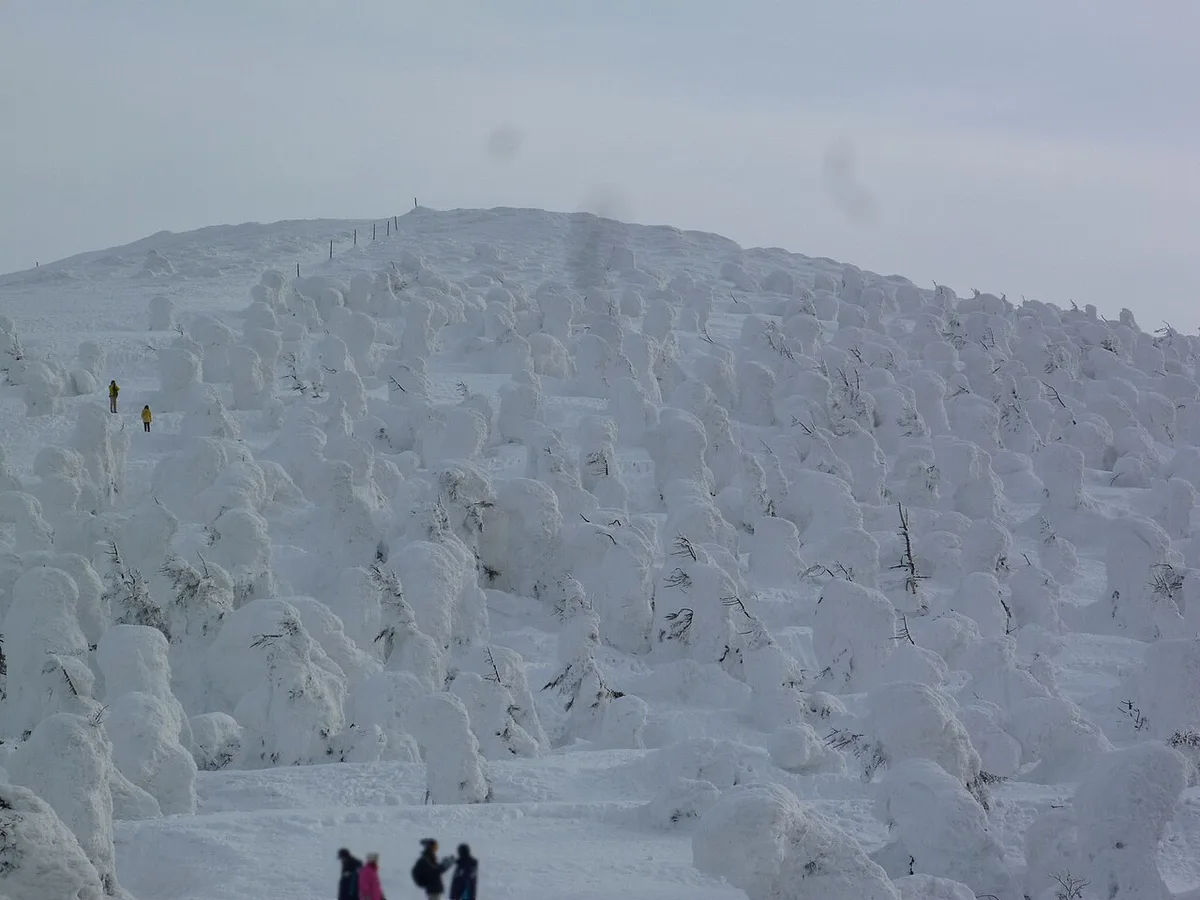
Sounkyo Ice Fall Festival offers a different Hokkaido experience from Sapporo’s city-based snow sculptures. It takes place in the Sounkyo Onsen area beside Daisetsuzan National Park, where winter temperatures can reach -20°C.
Ice formations are built from local water frozen in layers over frames. Visitors can walk through illuminated ice caves and corridors after dark. The blue-toned ice looks especially striking before sunset, while colored lighting changes the atmosphere in the evening.
This is best treated as an overnight side trip, not a late addition to a Sapporo day. The journey from Asahikawa Airport takes roughly three and a half hours using connecting transport.
- Festival period: typically late January through mid-March
- Best time: late afternoon into evening for daylight and illuminations
- Practical tip: confirm the final return bus before entering the site
Wear insulated boots with good grip. Paths can be icy, and standing still for photographs becomes cold quickly.
Frequently Asked Questions
Which Japan winter festival works best for families?
Sapporo's Tsudome site is built for families, with snow slides and tubing runs alongside the sculptures. Asahikawa Winter Festival also works well, since many of its sculptures include walkable staircases and viewing platforms built into the snow.
Is the JR Pass worth buying just for winter festival hopping?
It depends on the route. A trip that strings together long Shinkansen legs, such as Tokyo to Tohoku to Hokkaido, tends to favor a rail pass over individual tickets. Compare current JR pass pricing against separate fares for the exact route before buying, since pass pricing has changed in recent years.
Can you see snow monkeys and winter festivals on one trip?
Yes. Jigokudani Snow Monkey Park Travel Guide fits into a Honshu-based winter loop that can also include Tokyo-area festivals. Check regional transit connections directly, since routing varies by which festivals make the itinerary.
When is peak Japan winter festival season?
Early February is the busiest stretch. Sapporo Snow Festival, Asahikawa Winter Festival, and the opening weeks of the Nagasaki Lantern Festival all overlap between February 4 and 11, 2026.
How cold does it get at Hokkaido's winter festivals?
Sounkyo Ice Fall Festival runs in temperatures near -20°C (-4°F). Sapporo's festival week is milder by comparison, typically closer to -4°C (25°F) during the day.
What should you pack for Japan winter festivals?
Layered, waterproof clothing matters most, especially for evening illuminations when temperatures drop fast. The winter clothing packing guide covers layering choices for both Hokkaido cold and Honshu's damp chill.
Free guide: Japan's Hidden Gems
12 under-the-radar places beyond Tokyo & Kyoto — with the best season to visit each and a local tip you won't find in the guidebooks.
You might also like


Continue reading
More guides you'll find useful